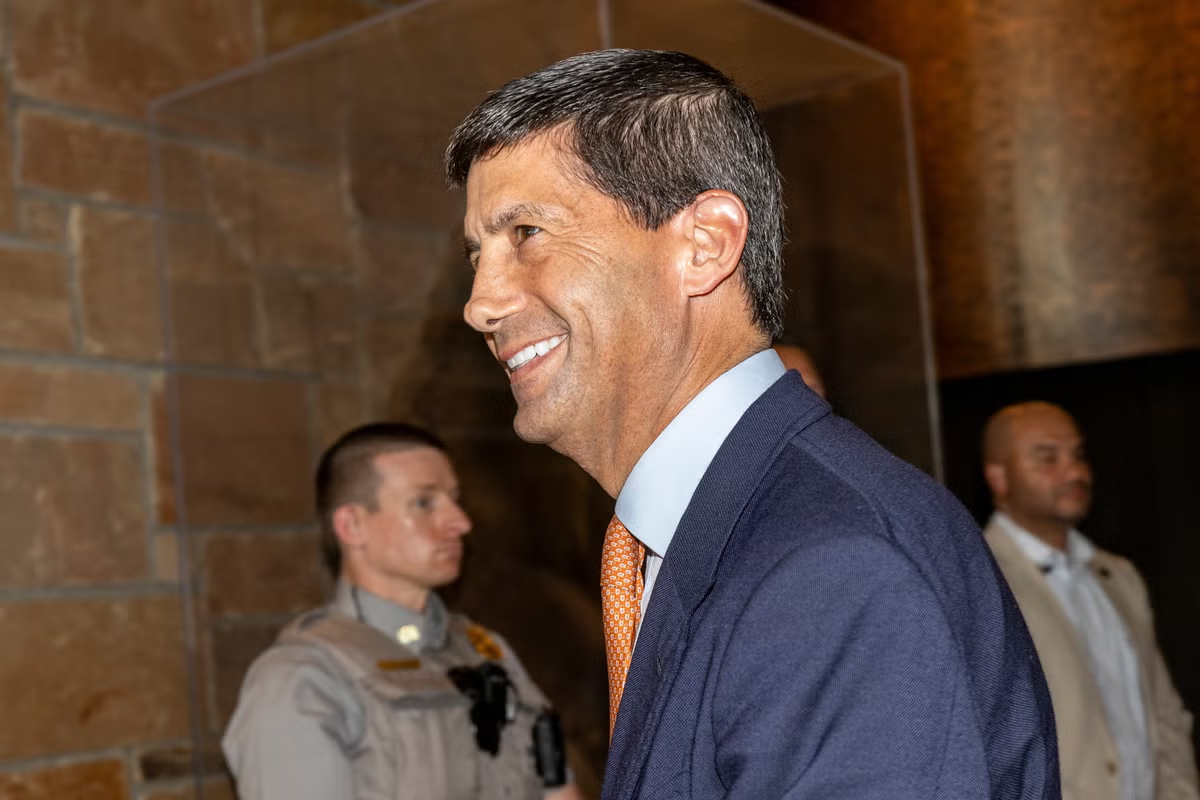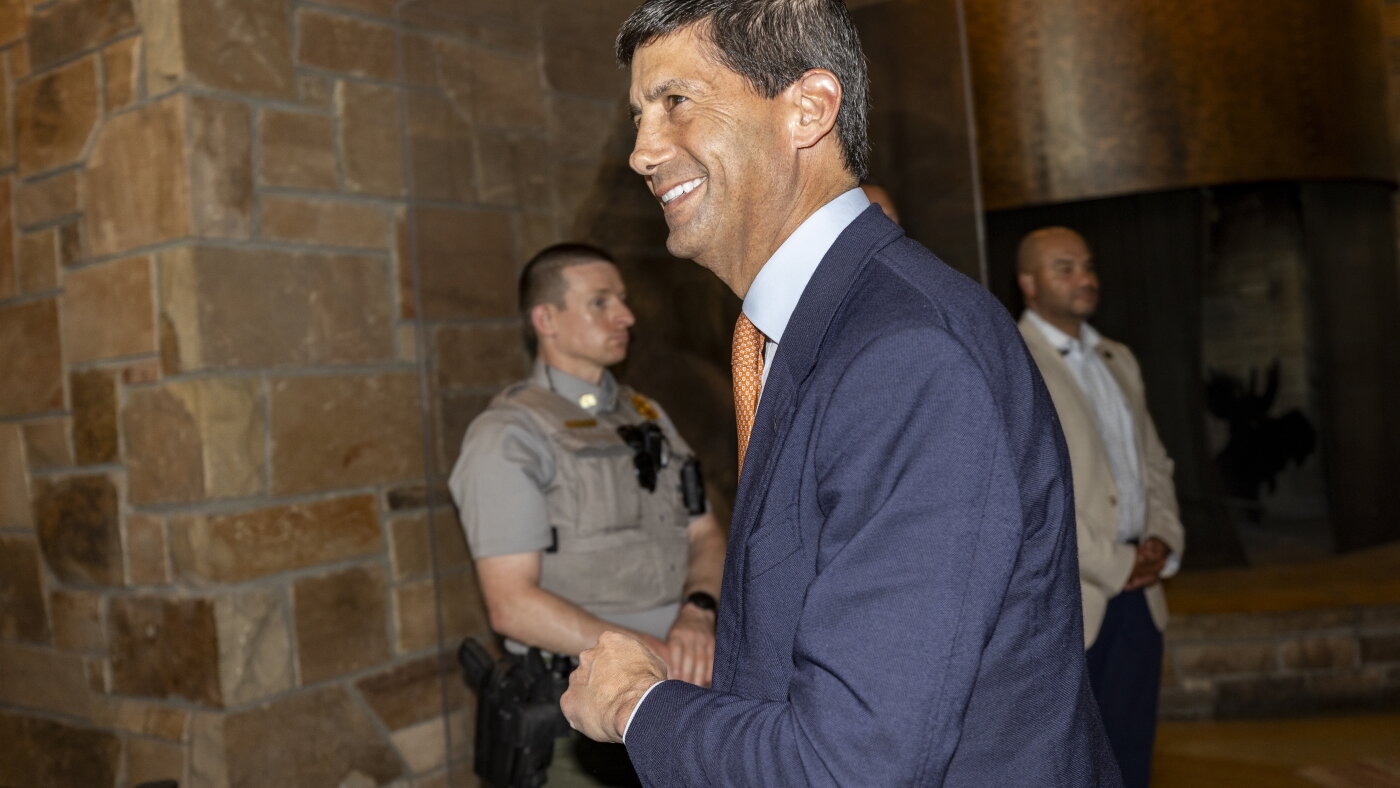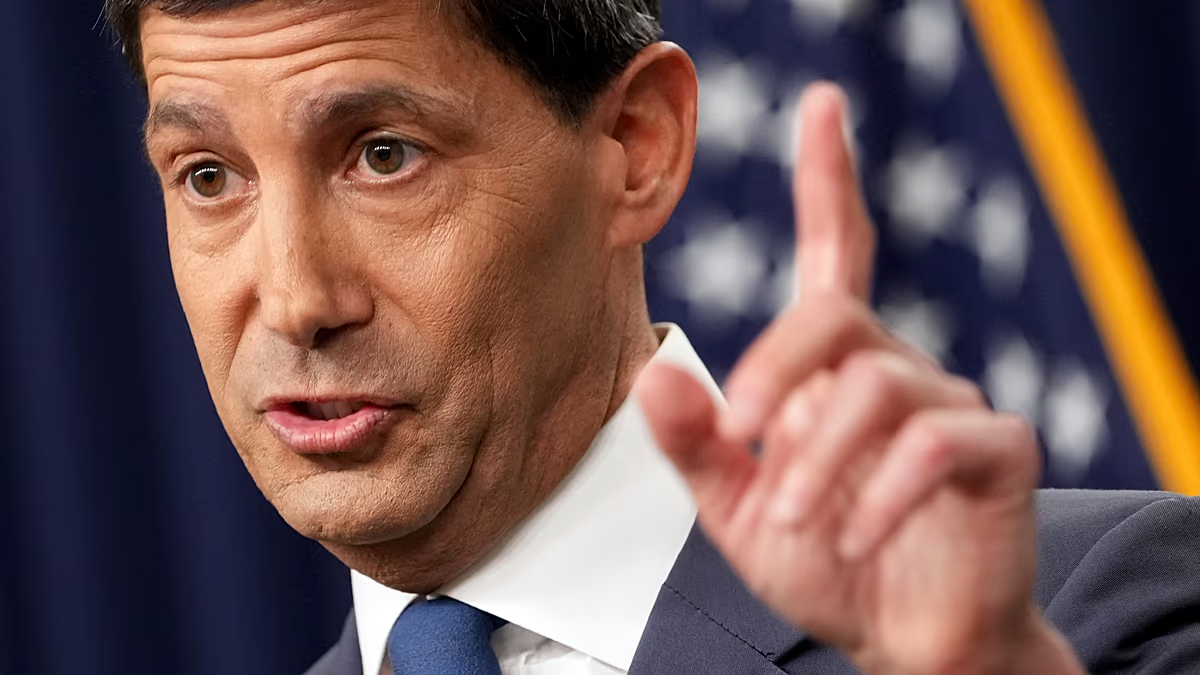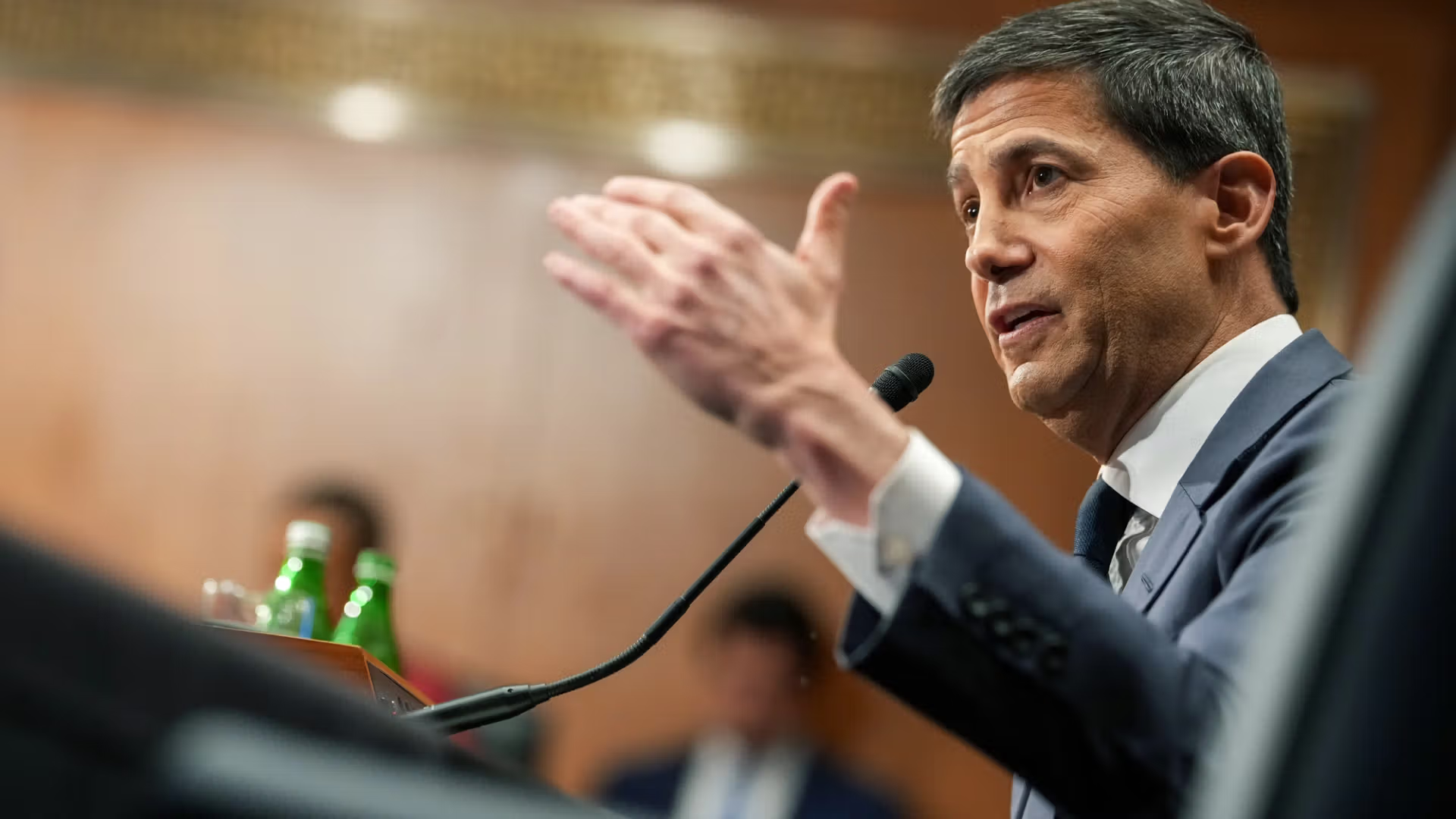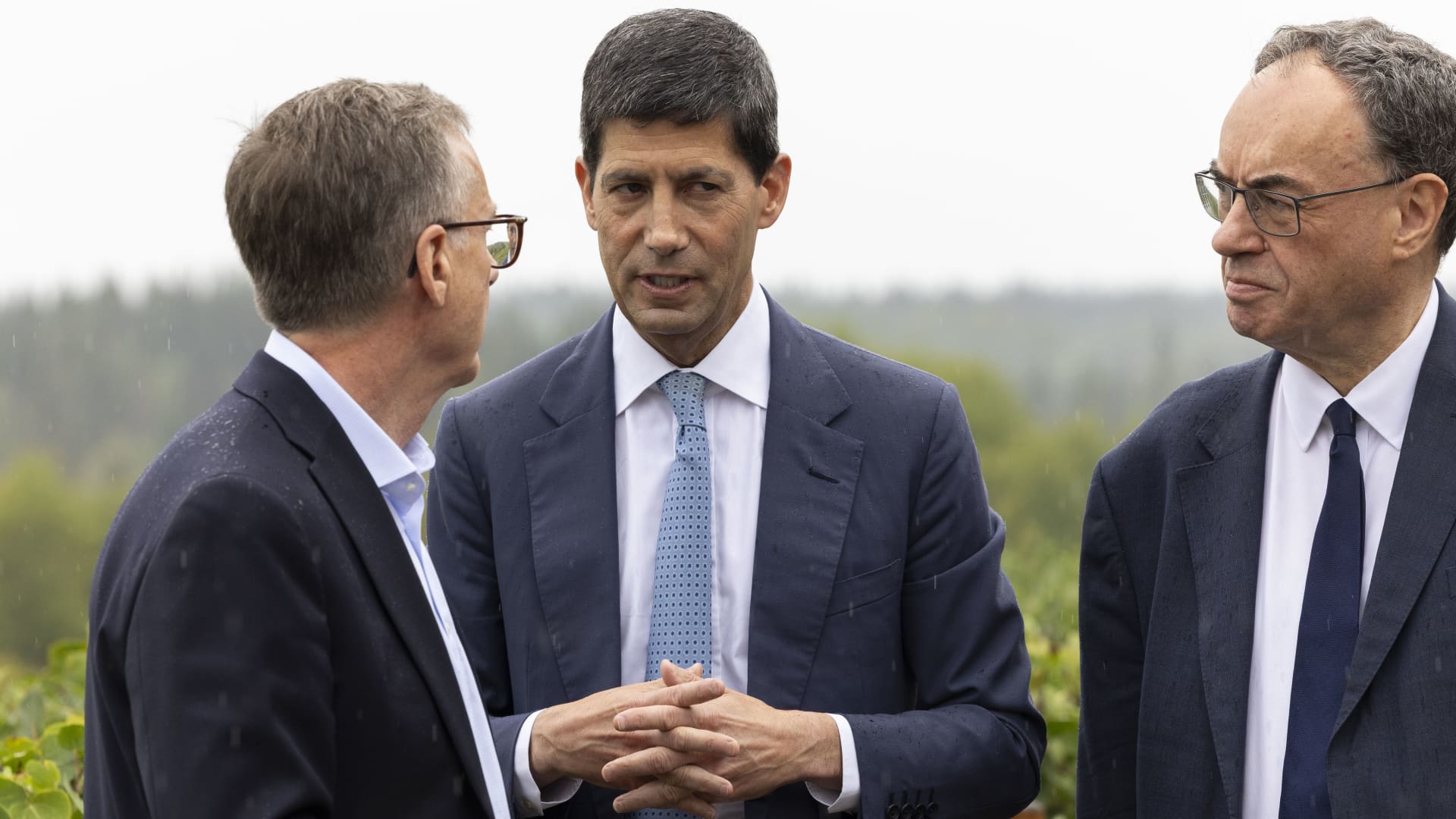
Kevin Warsh, chairman of the US Federal Reserve, arrives for dinner during the Kansas City Federal Reserve's Jackson Hole Economic Policy Symposium in Moran, Wyoming, US, on Thursday, Aug. 27, 2026.David Paul Morris | Bloomberg | Getty ImagesFederal Reserve Chairman Kevin Warsh used his Jackson Hole speech Friday to answer critics of his muddled July press conference, delivering a clearer warning that stubborn inflation could push the Fed toward a rate hike.Warsh's first pair of press conferences as Fed chairman left many in the markets uncertain about where he stood on the path of interest rates, prompting bond traders to sell off long-term debt to account for the uncertainty. At a closely watched speech in Jackson Hole, Wyoming on Friday, Warsh showed he had heard those critics. He came as close as he is ever likely to do to indicating he is on the precipice of raising interest rates if inflation doesn't improve, based on his own idiosyncratic reading of price data. Warsh at Jackson Hole gave a more hawkish reading of the economy than he had in July. He said elevated prices needed to be the Fed's main focus and described financial conditions as not being broadly restrictive, a change from his July press conference, when he said they were uneven. He did that while swiping back at his critics and insisting his policy of deliberate ambiguity about Fed policy is here to stay. "We can be held accountable for delivering on our remit — the only true test of our credibility," Warsh said, dismissing widely echoed critiques that he had come across as not credible at his July press conference. The Fed won't meet to set rates until mid-September, and Warsh didn't explicitly say how the Fed would handle interest rates. But he dived into several of the critiques recently leveled at him. One of the harshest focused on Warsh's description of how he sees the Fed's core mission of assessing and responding to inflation. The Fed is formally committed to trying to keep inflation to 2% over the long term as measured by the personal consumption expenditures index. Some economists interpreted Warsh's muddled answers to reporters' questions last month as saying he might want to change that target — even as inflation remains elevated. PCE inflation was 3.7% for July, according to government data released this week.At Jackson Hole, Warsh recommitted to maintaining the 2% PCE goal, calling it a "firm, fixed target." And he went further. Warsh gave examples of how he uses multiple measures of inflation to reach the conclusion that elated prices are a concern. He referred to the underlying components of PCE inflation, saying 54% of components of PCE had been above 3% annualized inflation in the past 12 months, while 49% were above 3% in the past six months. Warsh described those figures as being lower than the recent pandemic inflation but still above the long-term trend — an indication he believes the Fed may need to raise rates. Warsh also referred to another measure of inflation, the consumer price index, which is running at 3.4%. "None of these measures are perfect, but they all tell a similar story: Inflation is running above our 2 percent target," he said.That statement by Warsh is a sharper view of his understanding of inflation metrics than he has given previously. He sees the various prominent inflation metrics as individually flawed, but believes the Fed can draw from them collectively to come to a view of how prices are behaving. And right now, he is worried about price increases. That had concerned him in July, too, he said at Jackson Hole Friday."A good majority of my colleagues and I thought the wiser course was to await new information in the intermeeting period." Warsh also addressed another critique of his performance in July — that he wouldn't turn quickly to interest rates to fight inflation. President Donald Trump — who has made clear his desire for lower rates — picked Warsh. At Jackson Hole, Warsh was unambiguous: "short-term interest rates are the predominant tool to achieve the dual mandate."Warsh also reiterated that the Fed is watching developments in artificial intelligence closely, but wasn't ready to act on them. A Fed task force examining AI use and economic impact was "encouraging" but so far had "no bearing on decisions we make in the current policy conjuncture."Warsh's treatment of AI is part of a broader reset he is attempting to deliver to the views he effectively campaigned on when seeking the job as Fed chairman in 2025. In the past, he had said advances in AI might be a reason to cut interest rates. That lined up with Trump's demands for lower rates. He had also said cutting the Fed's balance sheet would be a reason to lower interest rates.Warsh is now indicating that considerations of AI don't have much to do with current policymaking. And there was no signal at Jackson Hole that balance sheet cuts were coming. Trump has continued to demand lower rates, leading some to infer Warsh is holding off raising rates until after the November midterm election to unleash his hawkish impluses. The two men have spoken directly since Warsh became chairman, breaking with a tradition that sees contact between the Fed and the administration channeled through the Treasury secretary.Warsh didn't address Trump at Jackson Hole. But his reading of the economy as showing signs of elevated price concerns puts him clearly at odds with the president. Trump continues to want interest rate decreases and often touts market performance and what he says are strong economic indicators, but Warsh's message Friday was that the Fed is considering the opposite — a near-term raise in interest rates. The Jackson Hole speech won't eliminate worries about Warsh's time the Fed helm. Trump has continued to meddle with the Fed, including reinstating an effort on weak evidence to fire Governor Lisa Cook. And Warsh hasn't yet delivered concrete action against inflation. But Warsh's performance at Jackson Hole will give his colleagues at the Fed a reason to back him if he decides in September to that take that action. His speech at the influential forum should help dispelling the idea that he is simply flying blind.
Analysis: Kevin Warsh sharpens inflation warning at Jackson Hole, signaling possible rate hike
After confusing markets at his July press conference, Fed Chairman Kevin Warsh used Jackson Hole to give a clearer view of the case for higher interest rates.
1,039 words~5 min read