Advanced materials power everything from batteries and electronics to clean energy technologies. For years, engineers have known that microwave-assisted synthesis can dramatically accelerate the chemical reactions used to manufacture these materials. Now, researchers at Carnegie Mellon University have provided new evidence that challenges a long-held assumption about why, suggesting that microwaves speed chemical reactions in a fundamentally different way than many scientists believed.
The study, led by Reeja Jayan, a professor of mechanical engineering and CMU alumnus Morgan Chen, challenges the long-held belief that microwaves accelerate chemical reactions by lowering the amount of energy needed for those reactions to occur. Rather, the team found evidence that microwaves increase how often molecules successfully rearrange themselves into new materials.
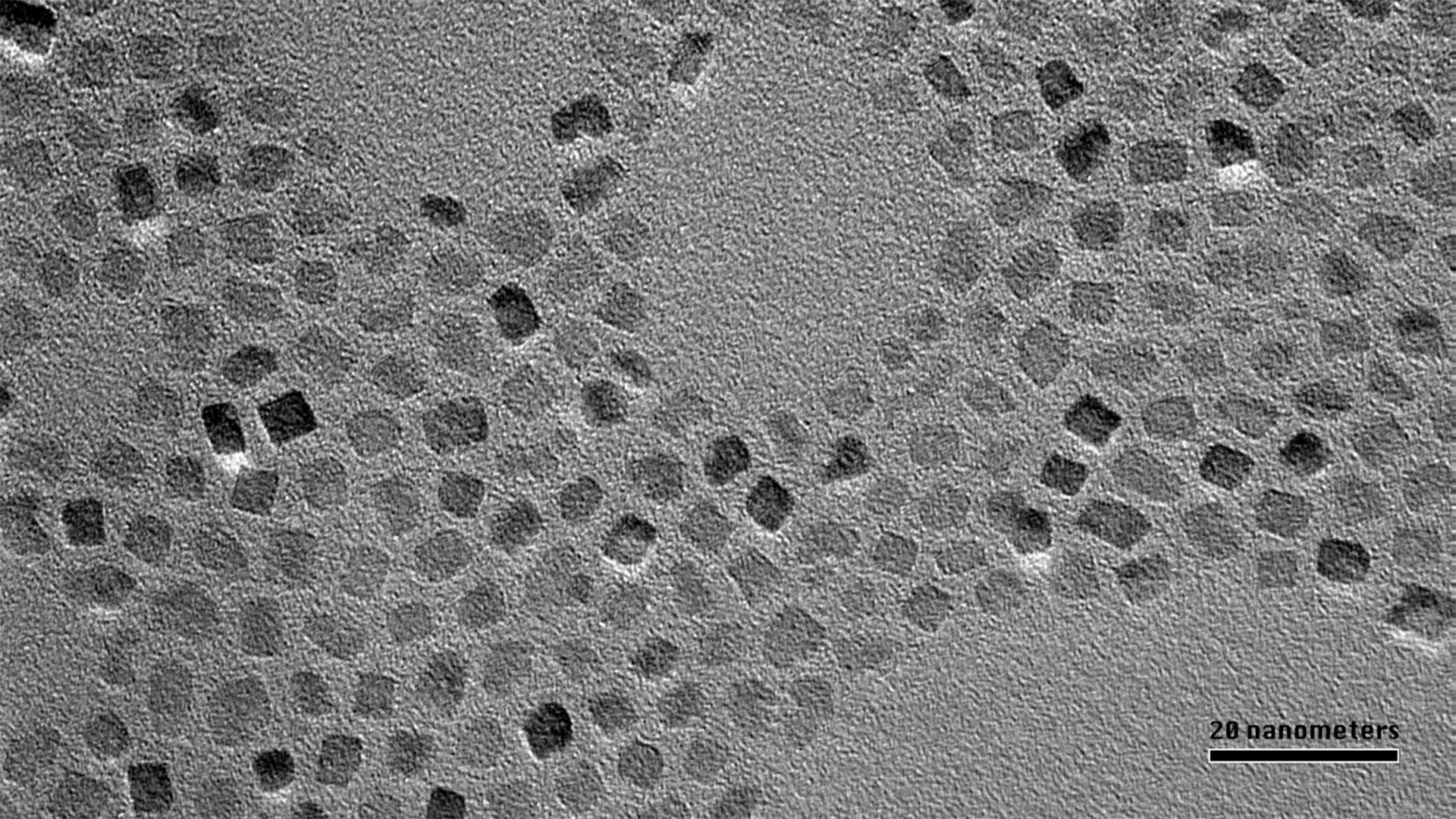
To reach that conclusion, Jayan and Chen studied the formation of tin oxide nanoparticles, a material used in batteries, catalysts, and other electronic devices. Using high-energy X-rays, they watched the nanoparticles form in real time under both conventional and microwave-assisted heating, allowing them to compare how the atomic structure evolved throughout each reaction.