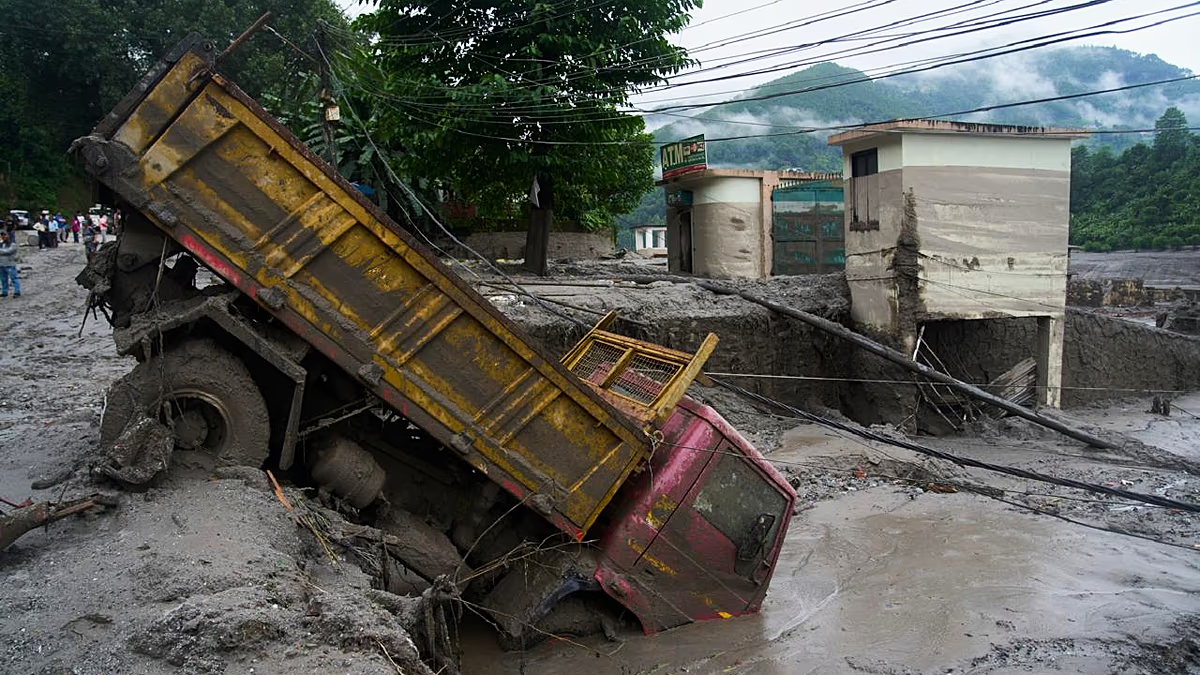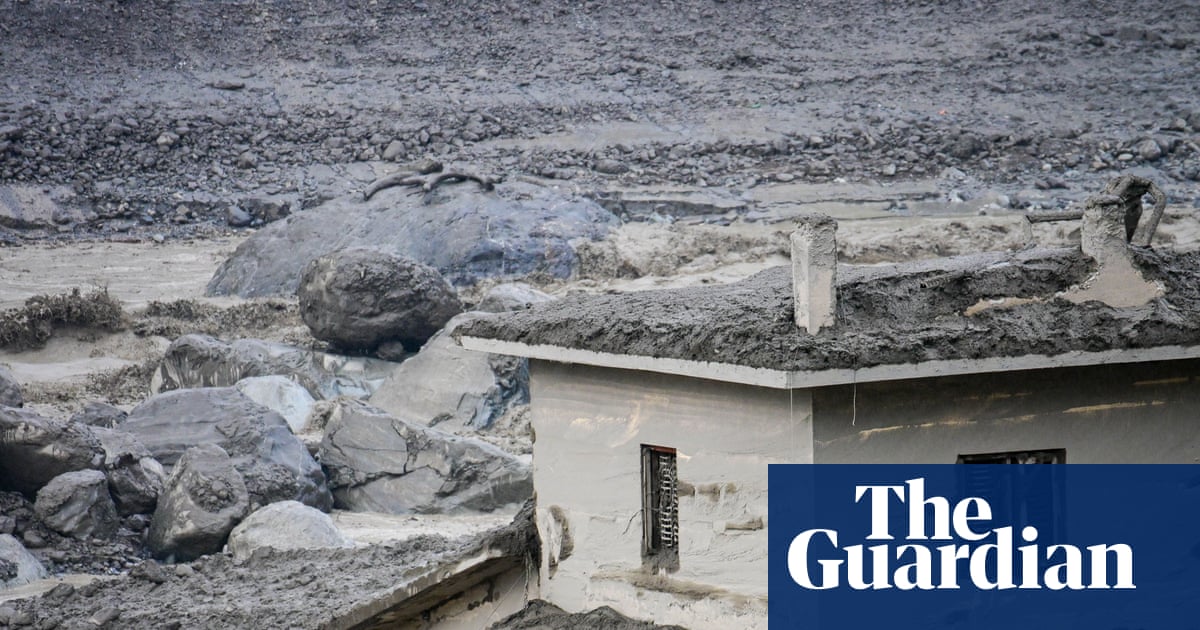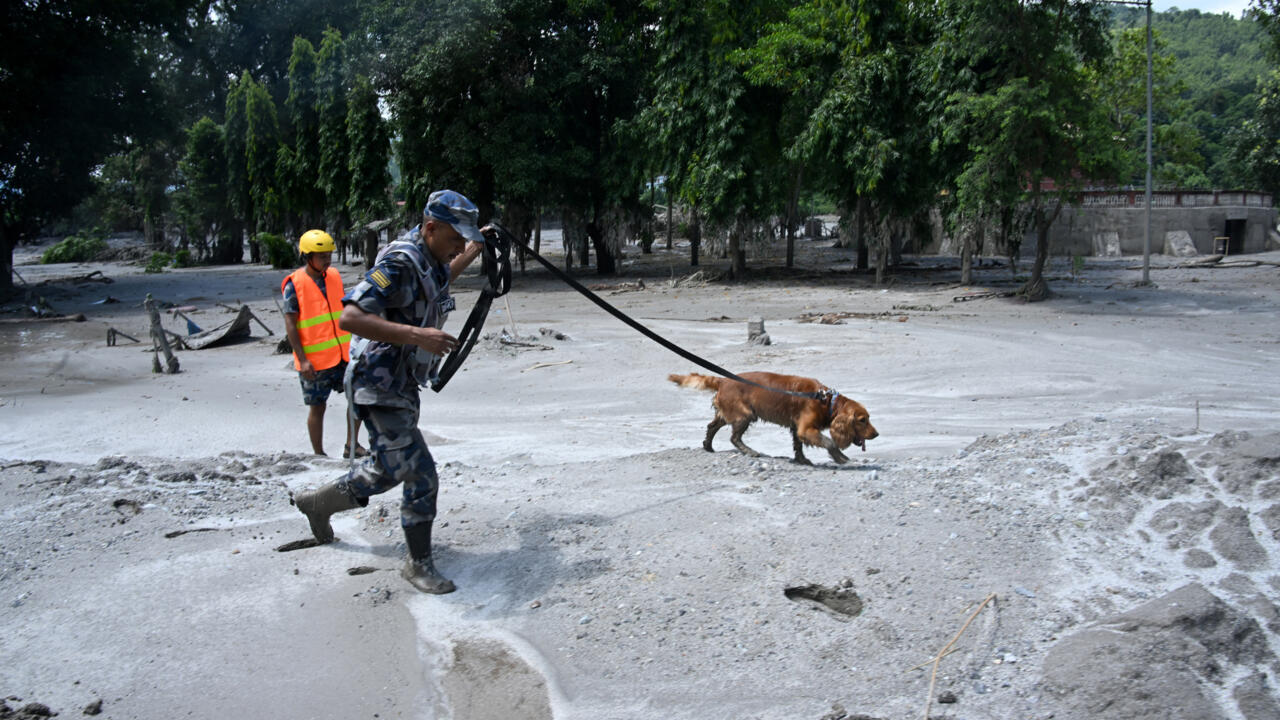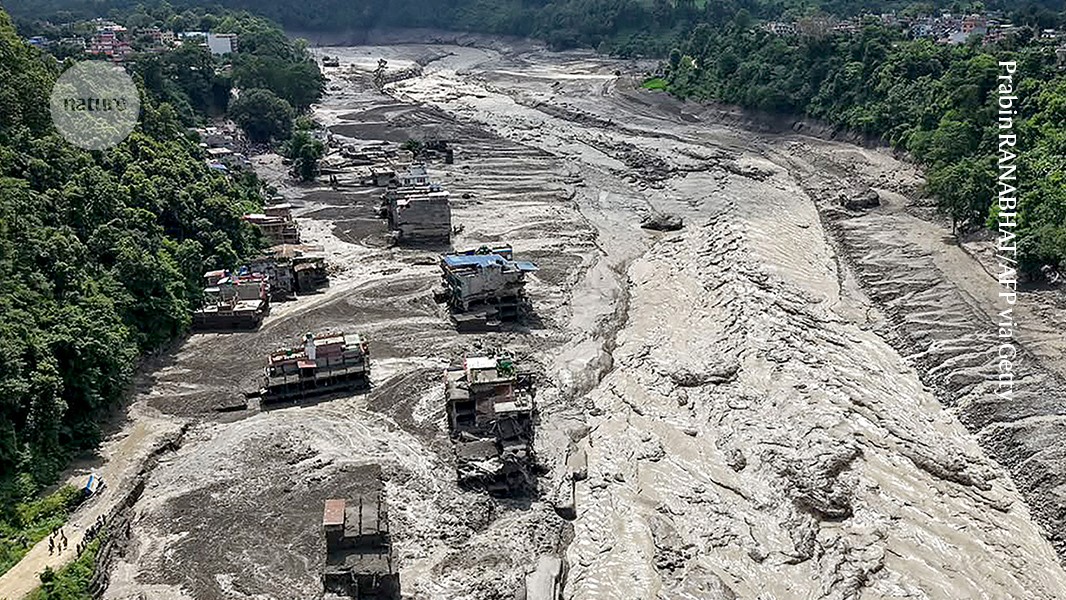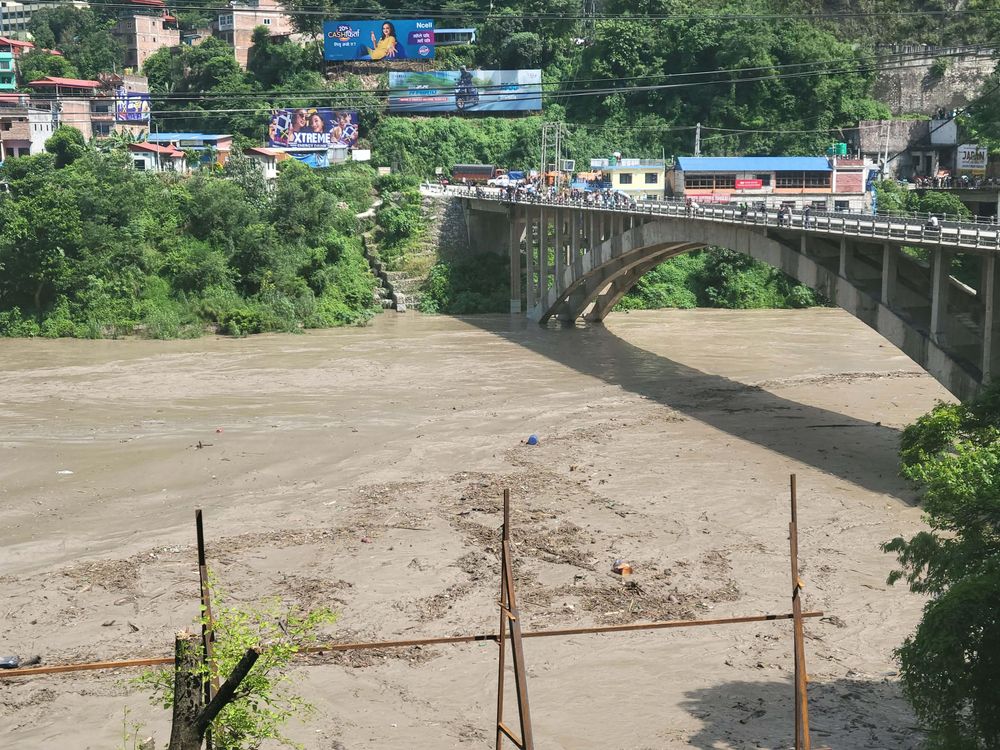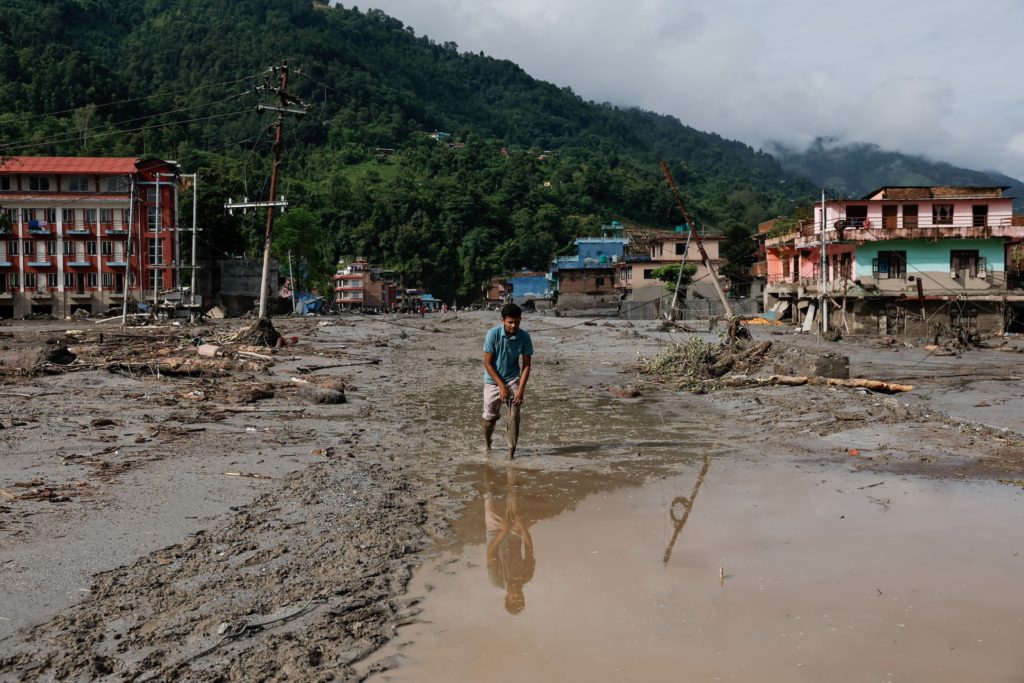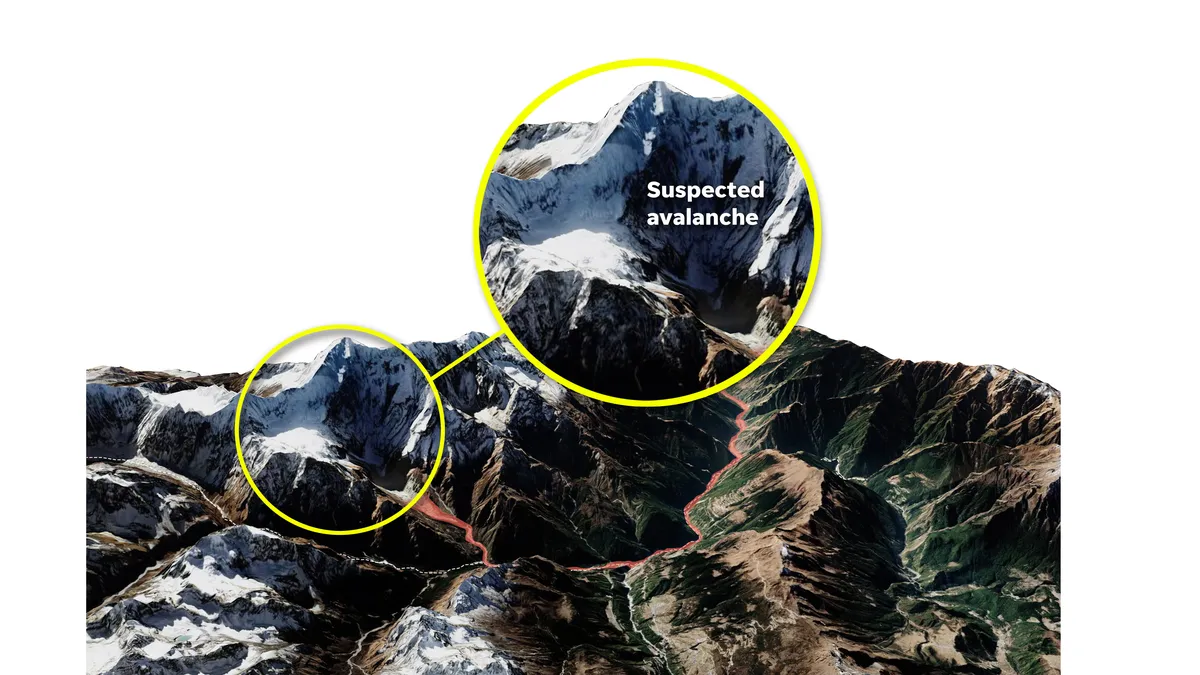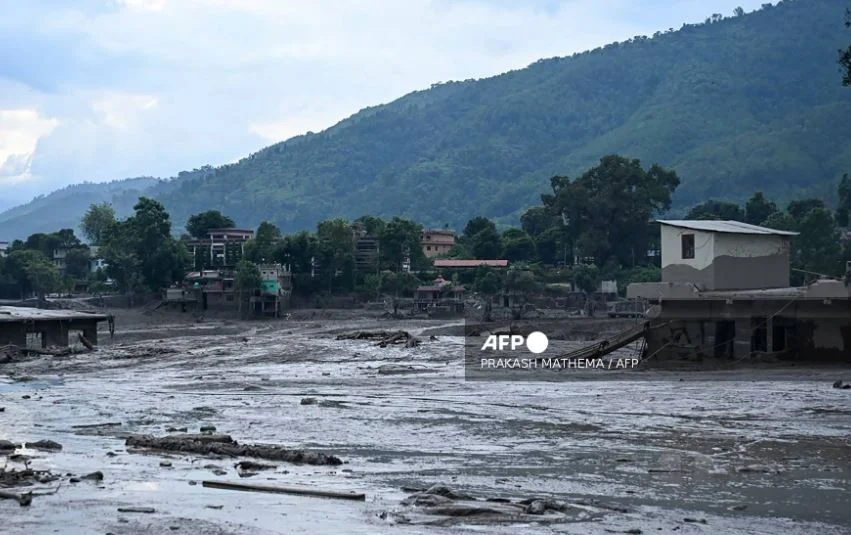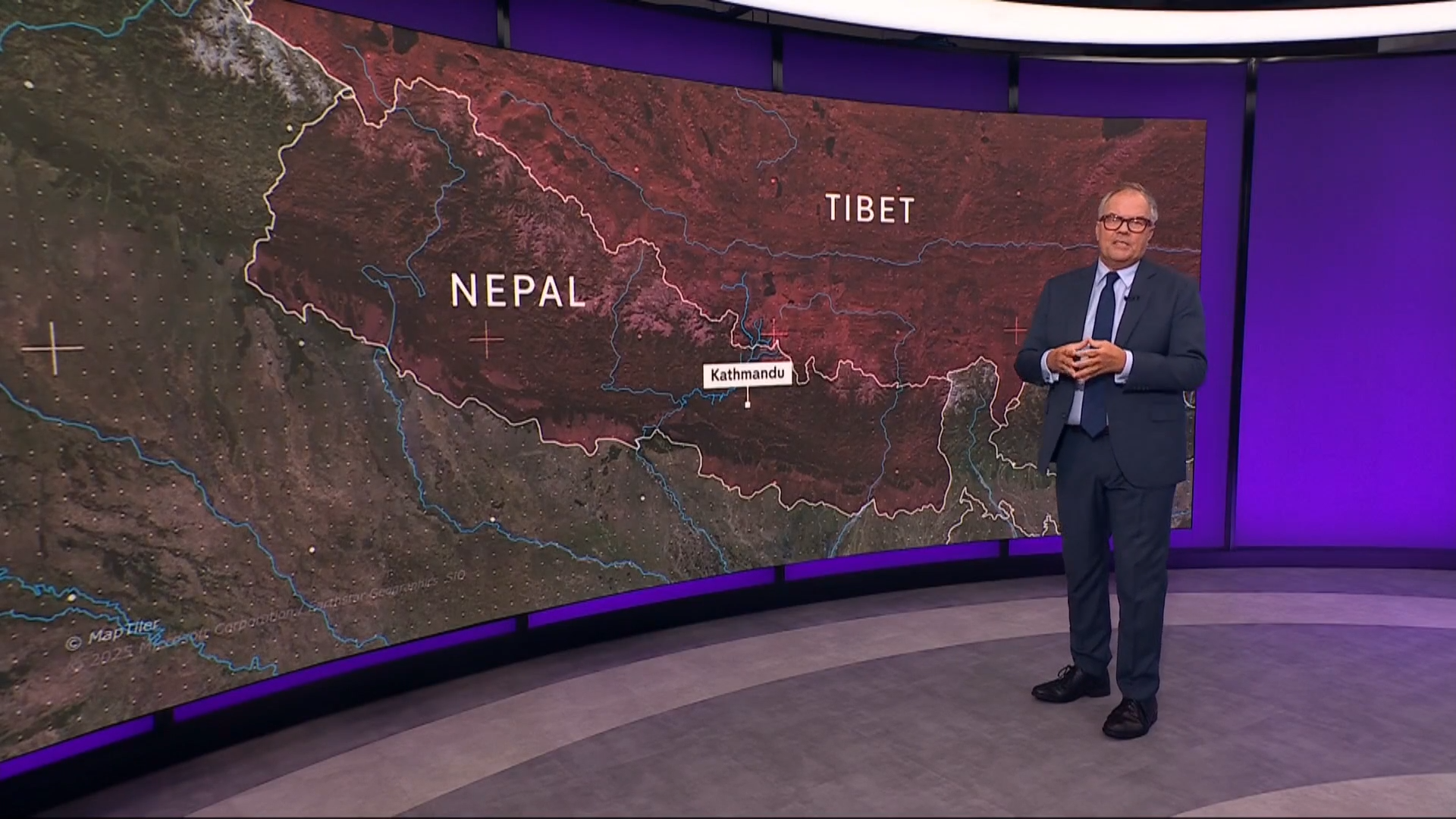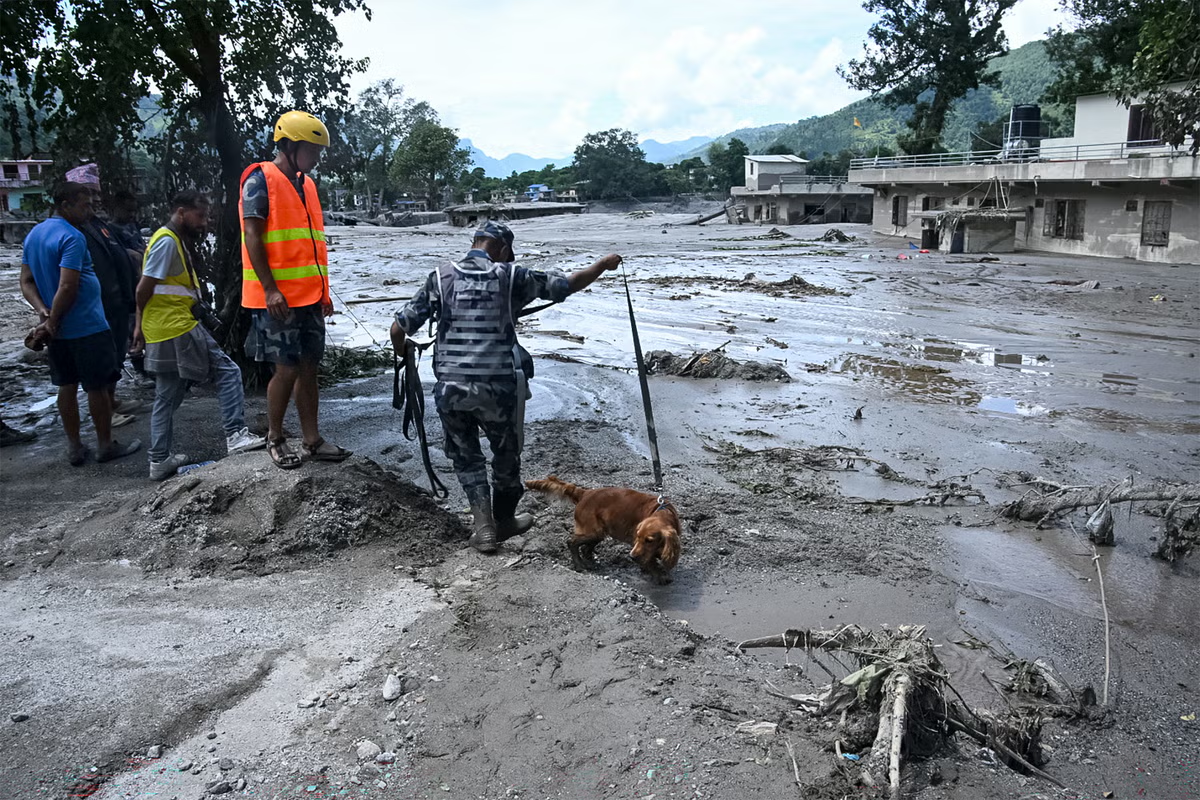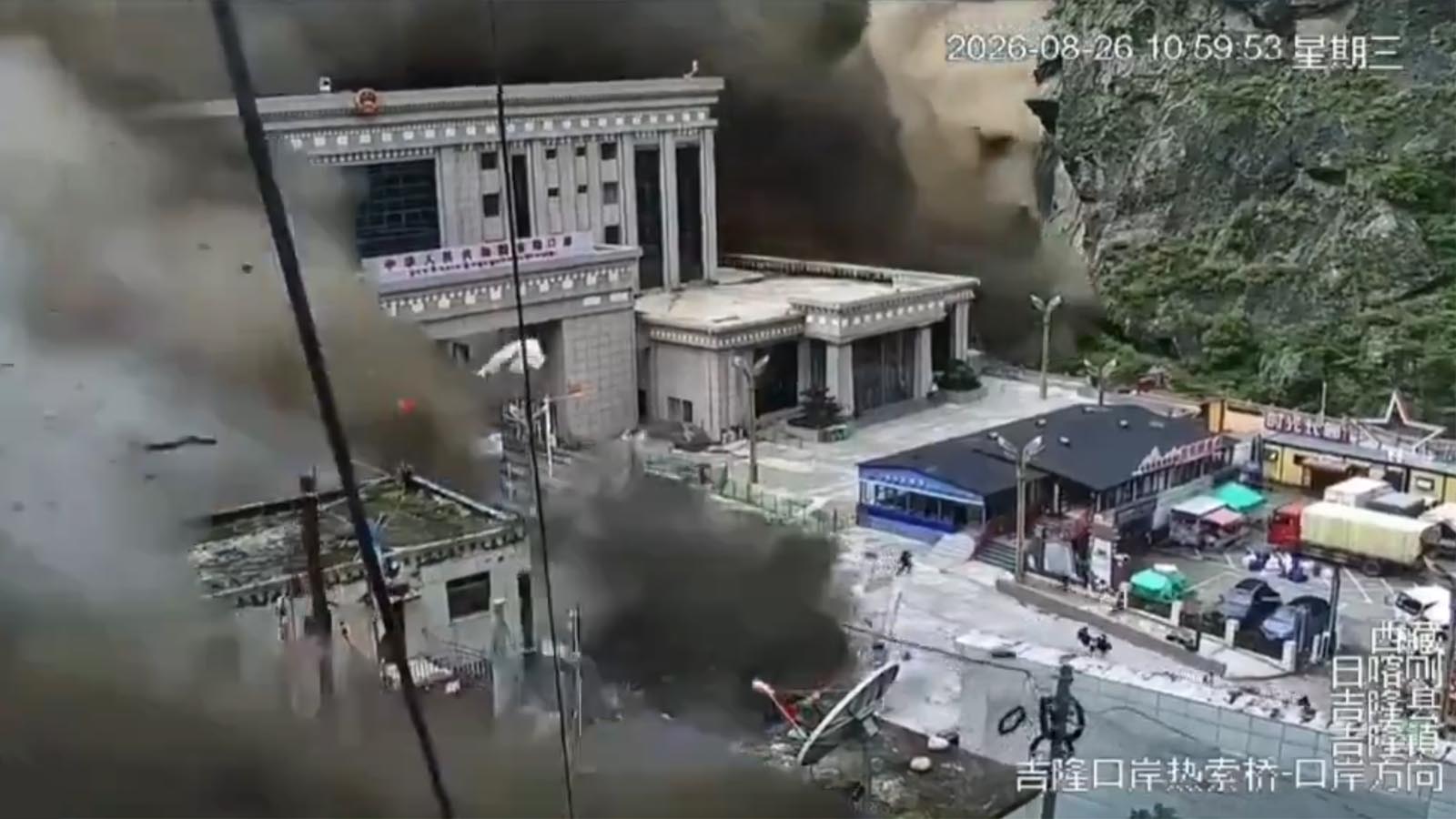
Rescue efforts in Nepal and Tibet in the wake of a massive rock-and-ice avalanche and flood early on Wednesday, August 26, were halted on Friday after water was observed flowing over a dam from an impromptu lake formed by the disaster itself. Officials and residents are concerned about yet more disastrous flooding across the devastated region, although China state media reported that the situation had stabilized later in the day, according to the BBC. Long-term human-caused warming of the planet has destabilized glaciers and permafrost in the Himalayas, setting the stage for disasters like this one.
New imagery from @vantortech confirms that the China-Nepal Rasuwagadhi border crossing has been completely destroyed, with the glacial flood completely scouring the valley floor. At least 359 people are dead and nearly 1,000 missing, according to local authorities. pic.twitter.com/DiBiUzJGtO— OSINTtechnical (@Osinttechnical) August 27, 2026
The most recent death tolls as of this writing – according to the BBC, at least 547 in Nepal and five in Tibet – are virtually certain to end up far below the ultimate tally of those killed. Even the numbers reported missing – more than 2,400, according to a Wikipedia page on the event – only reflect those people for whom reports have been filed. Grim videos make it clear that many people were swallowed by the flood within minutes, and the destruction of transport corridors and communication towers makes it impossible to know how many killed and missing persons have yet to be tallied.