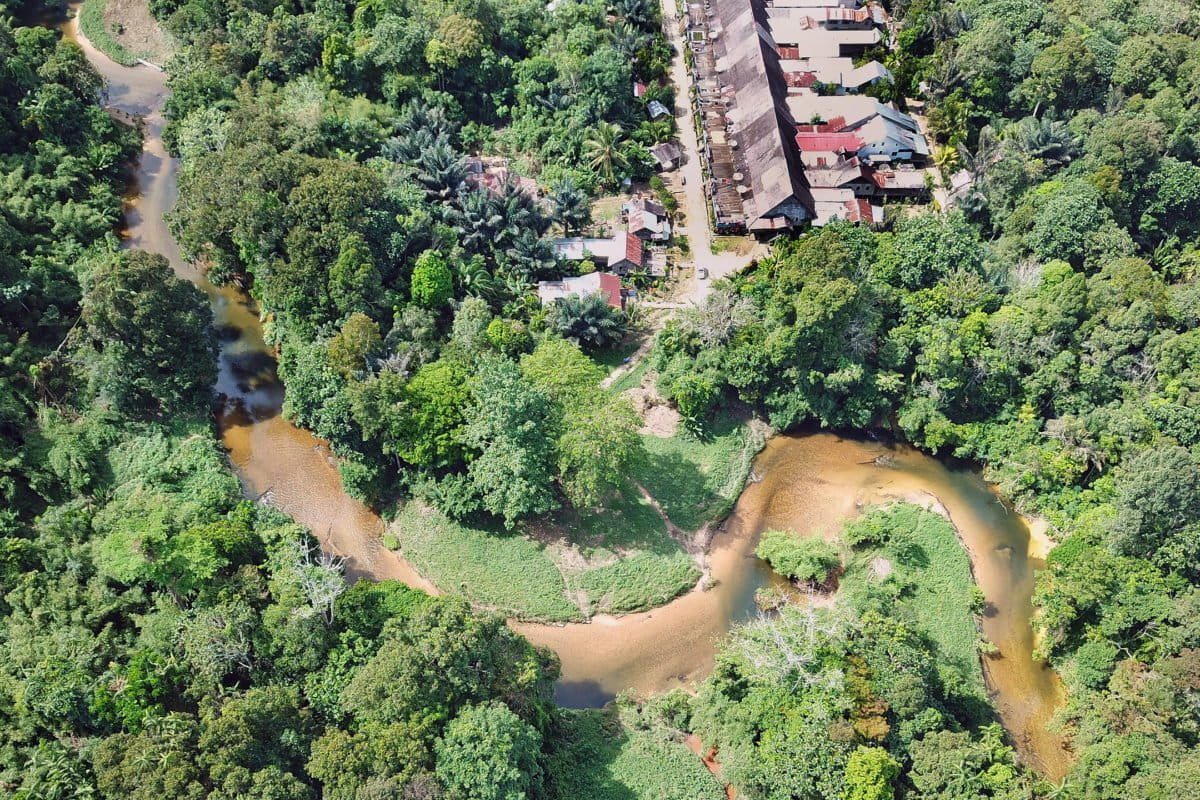
As climate and economic shocks put pressure on tropical forests, a new study suggests support for rural communities could help protect forests while strengthening their ability to withstand crises.Forest loss in protected areas of West Kalimantan on the Indonesian part of Borneo fell during the COVID-19 pandemic, with a larger decline in villages receiving health and livelihood support, the study finds.The findings point to health care, alternative livelihoods and other social support as potential tools for easing pressure on forests and helping forest-dependent communities adapt to future economic and environmental shocks — although the study does not establish a direct cause-and-effect relationship.
Villages in Indonesia’s West Kalimantan saw less forest loss during the COVID-19 pandemic when conservation groups provided health and livelihood support, a new study has found, suggesting social safety nets can help protect forests during economic crises.
The peer-reviewed study, published last month in Lancet Planetary Health, suggests forest loss in West Kalimantan province on the Indonesian part of Borneo fell sharply during the pandemic, as weak timber demand and travel restrictions made logging less profitable and harder to carry out. At the same time, villages with access to alternative livelihoods and other support were less reliant on forests for income, the paper adds.