Indonesia
Society
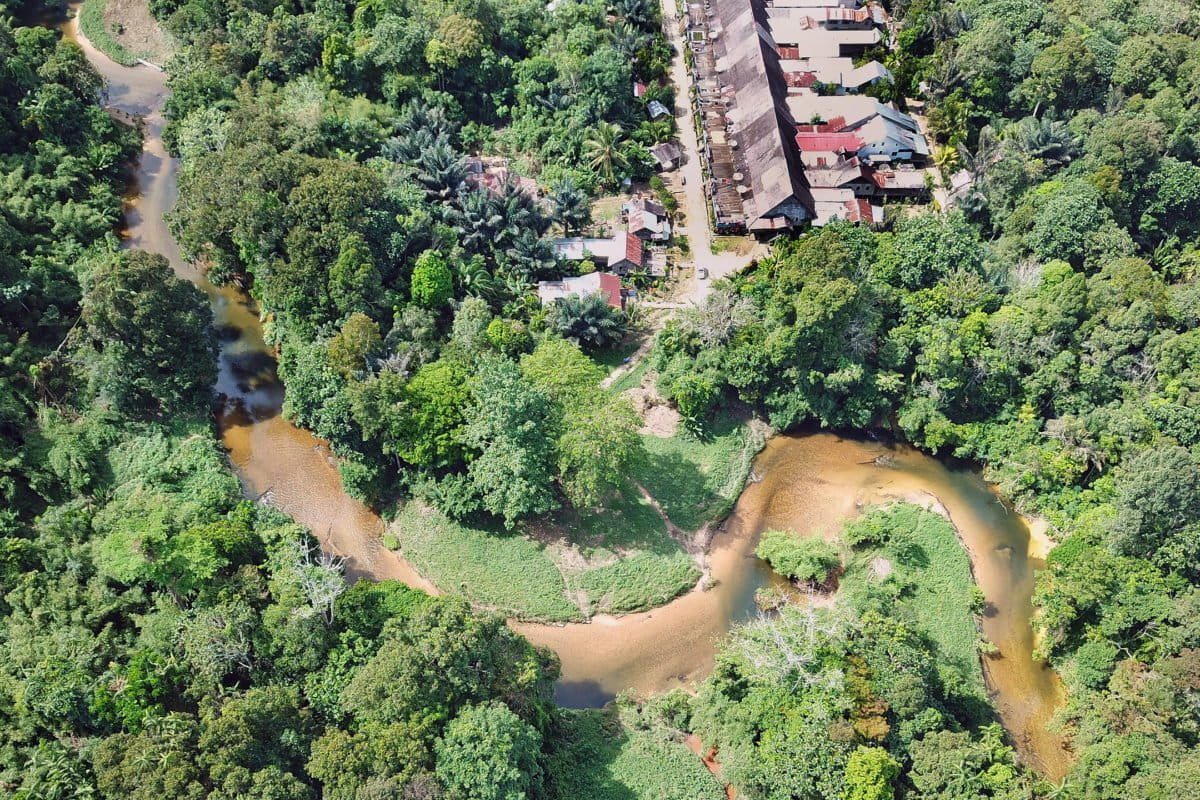
Habitat fragmentation limits orangutan movement between populations, potentially reducing genetic exchange and raising the risk of inbreeding, with implications for the species’ long-term survival.
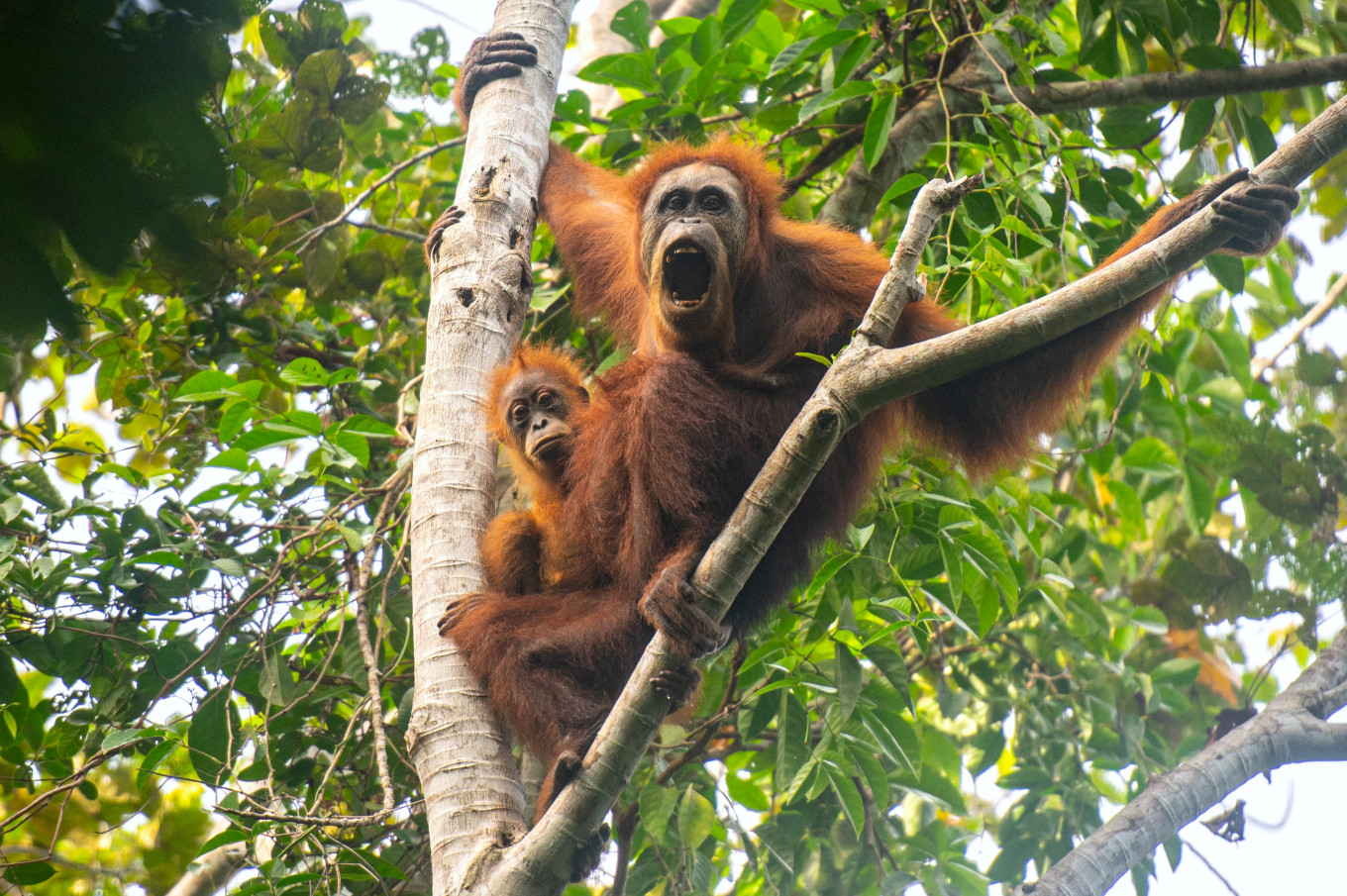
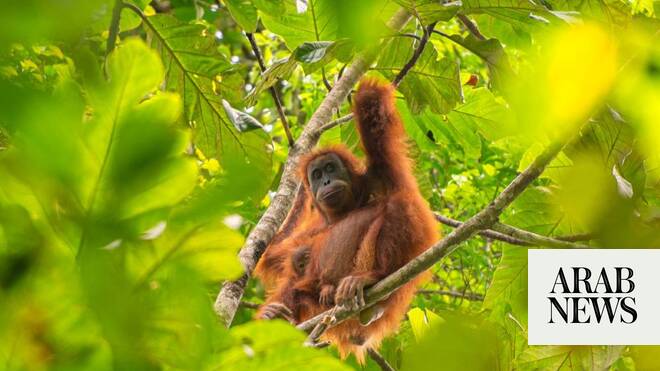
This undated handout photograph taken by the Orangutan Information Centre and released on June 10, 2026 shows the Tapanuli orangutans over a tree in the Batang Toru forest in Indonesia's North Sumatra. Climate change-fueled landslides wiped out nearly one in 10 remaining members of the world's rarest great ape species on Sumatra island, scientists said on June 10. (AFP/Handout/Orangutan Information Centre )
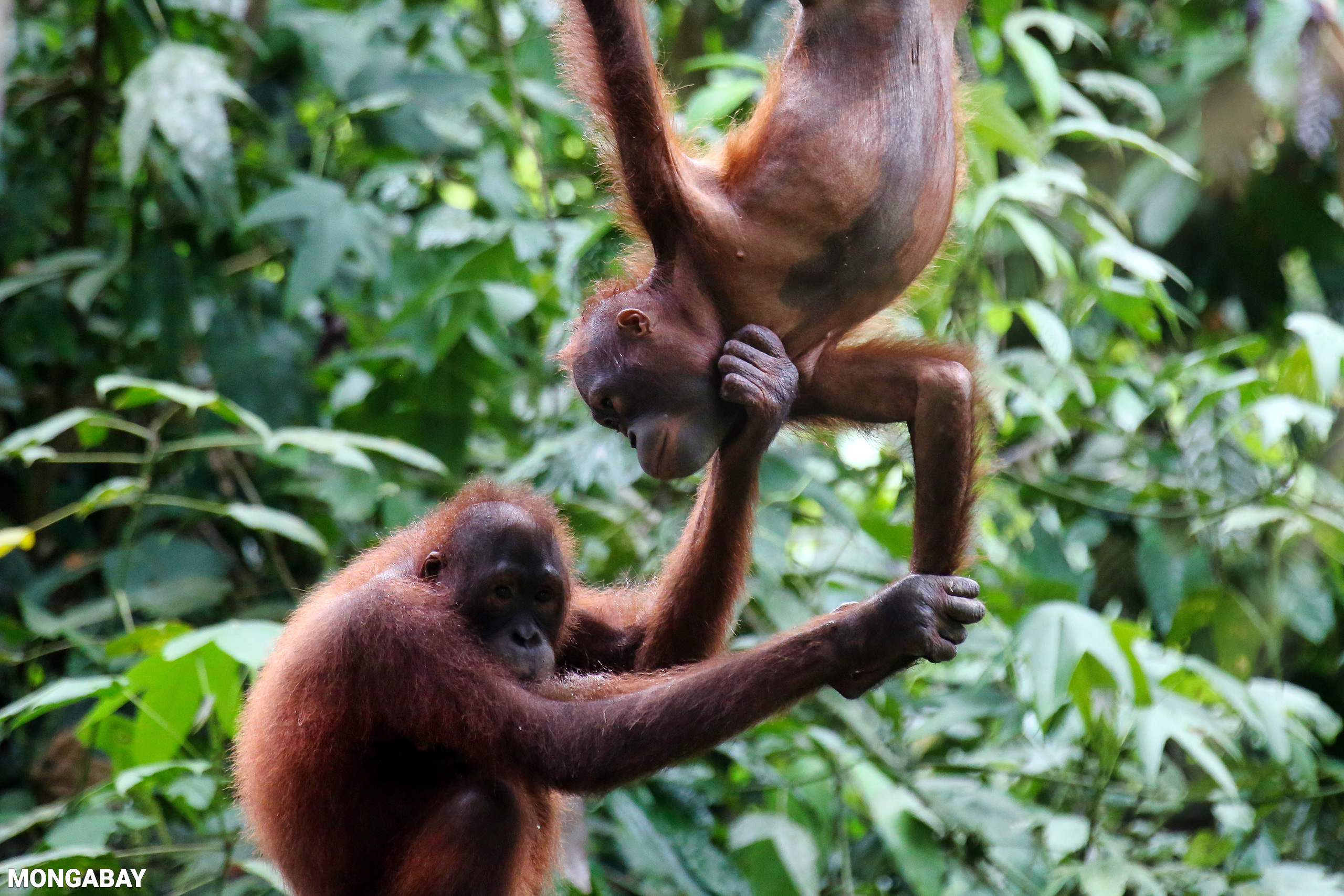
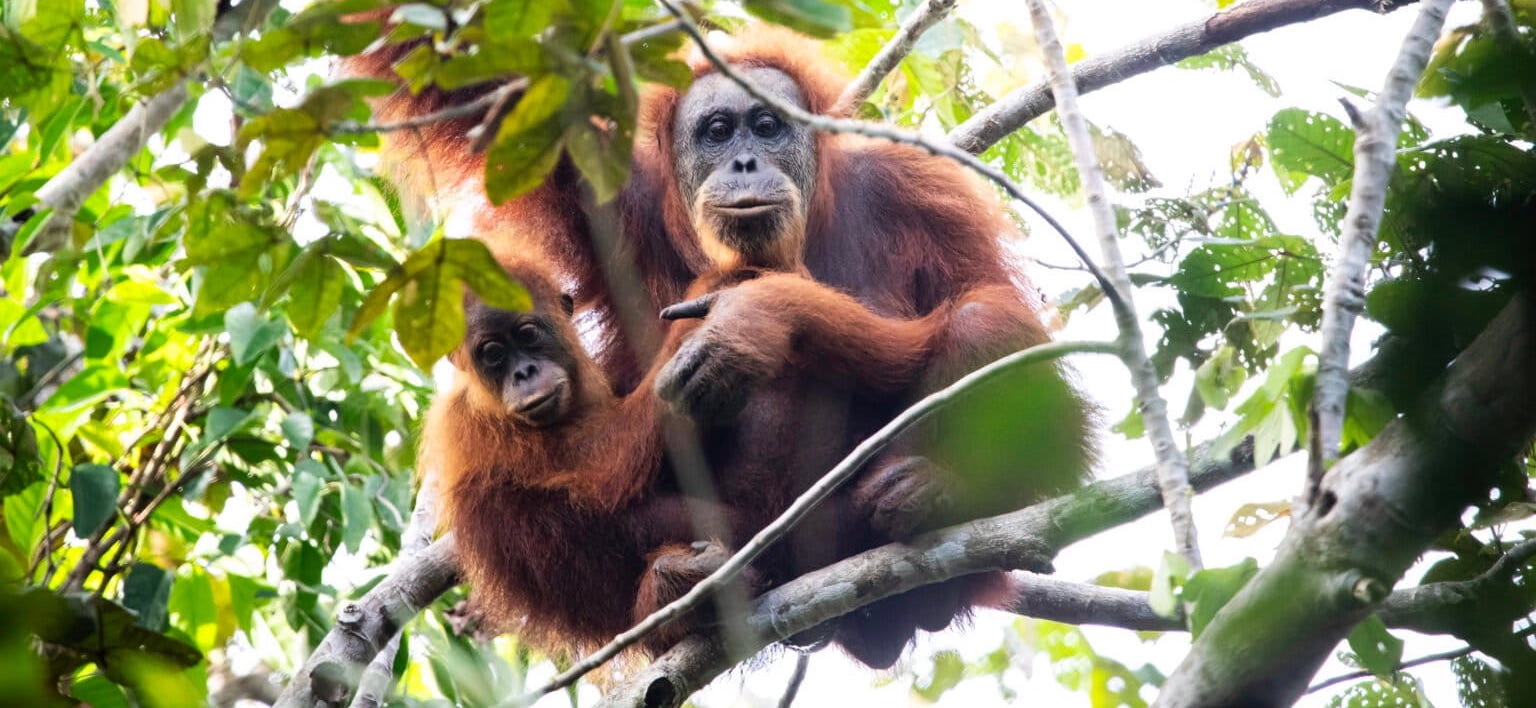
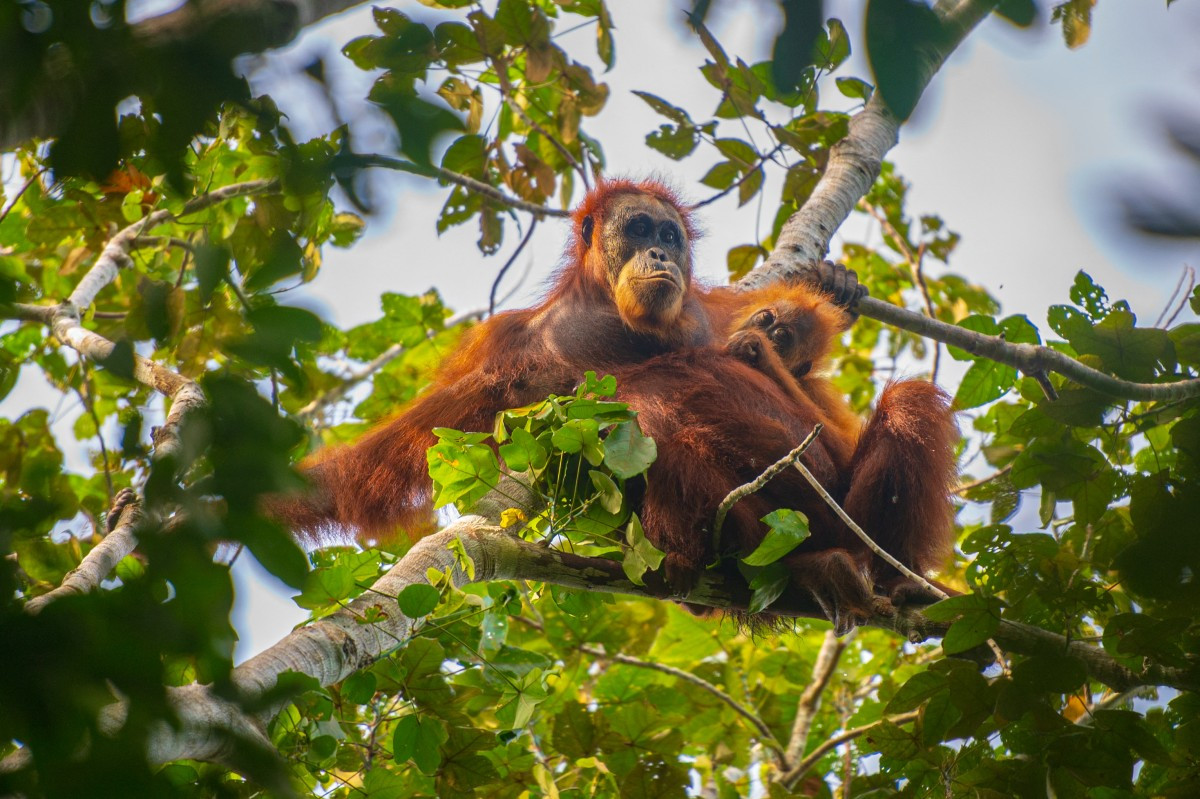
Manmade arboreal bridges are emerging as a conservation tool to reconnect fragmented habitats for orangutans, as the critically endangered great apes face growing threats from infrastructure development, deforestation and climate change. In the forests of Sumatra and Borneo, the only natural habitats of Sumatran, Tapanuli and Bornean orangutans, shrinking forests and expanding roads and settlements have increasingly isolated populations.