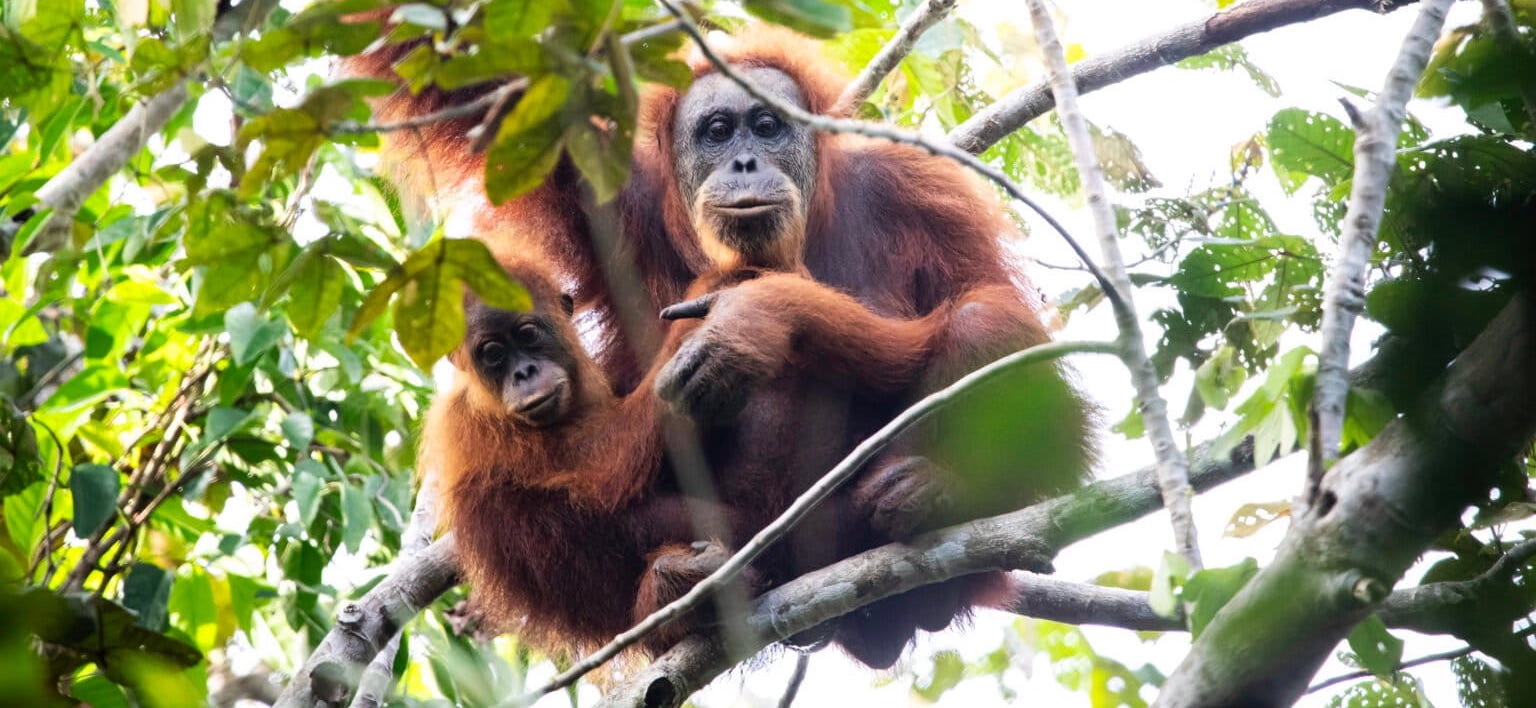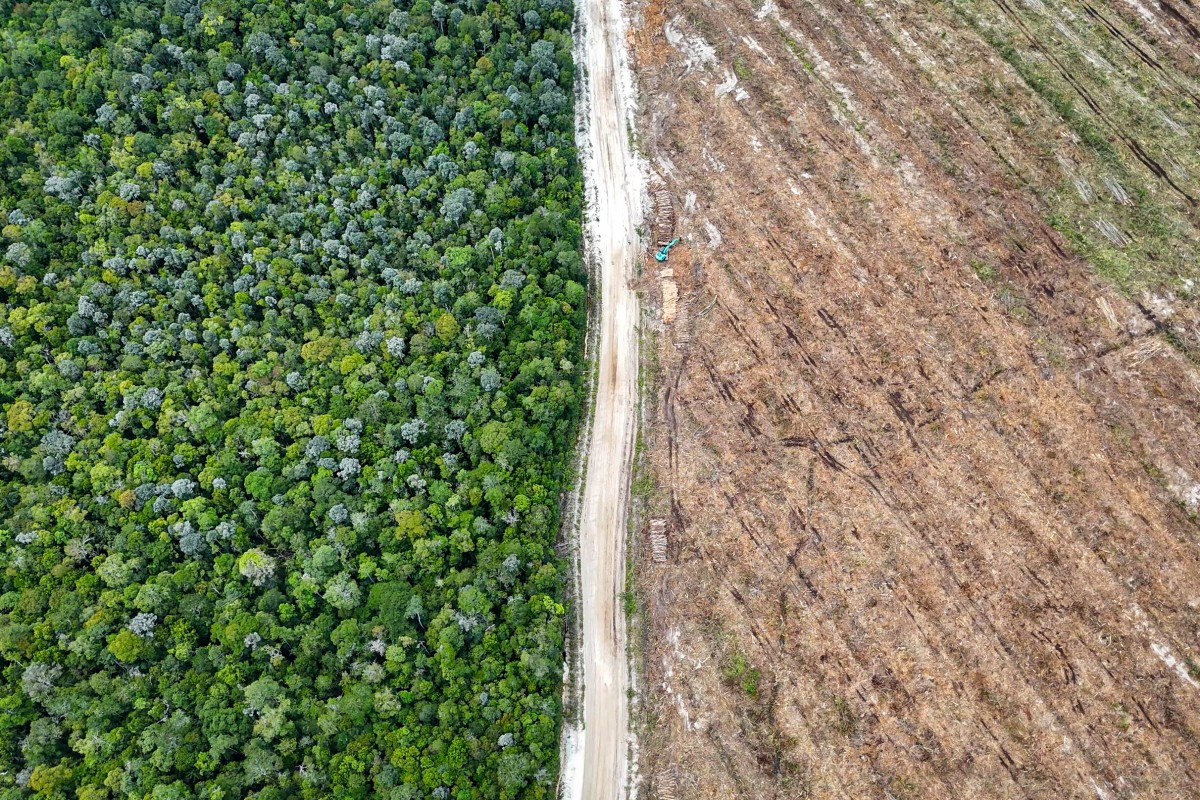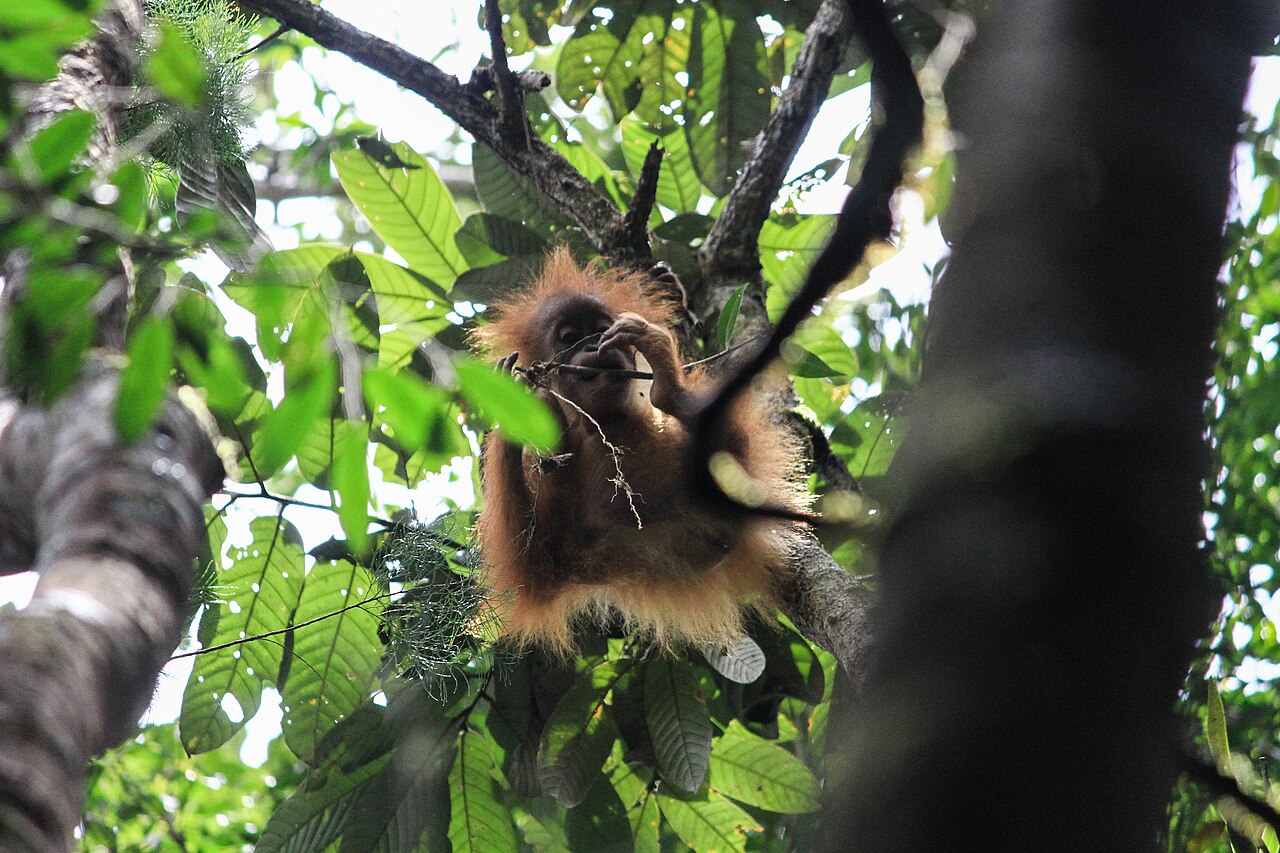
A new study finds that while large-scale development projects have accelerated forest loss in a key orangutan habitat in Indonesia, small-scale agriculture and logging now account for roughly 70% of direct habitat loss.Researchers link the increase in clearing of the Batang Toru ecosystem to changing rural livelihoods, commercial banana farming, and widespread abuse of a legal community logging mechanism.The findings raise particular concern for Batang Toru’s eastern forest block, where continued habitat loss threatens one of the smallest and most vulnerable subpopulations of the critically endangered Tapanuli orangutan.The authors say protecting the species will require tackling both large development projects and the cumulative pressures from small-scale forest clearing, while expanding conservation beyond Indonesia’s formal protected areas.
JAKARTA — Large infrastructure projects have long dominated debate over the future of Indonesia’s Batang Toru ecosystem, the main stronghold of the critically endangered Tapanuli orangutan.
But a new study suggests that while those projects have accelerated forest loss, the greatest direct threat to the ape’s habitat now comes from a much less visible source: the cumulative impact of small-scale agriculture and logging.