China’s perfume brands seeking global appeal: Homegrown labels finding new ways
China’s perfume brands seeking global appeal
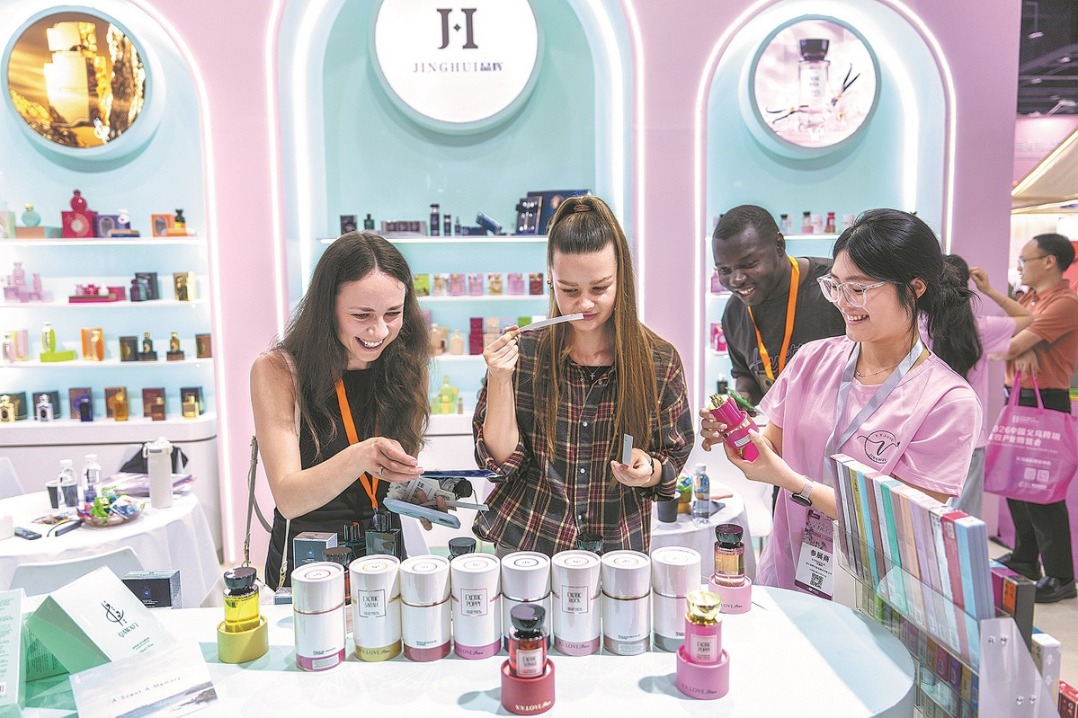
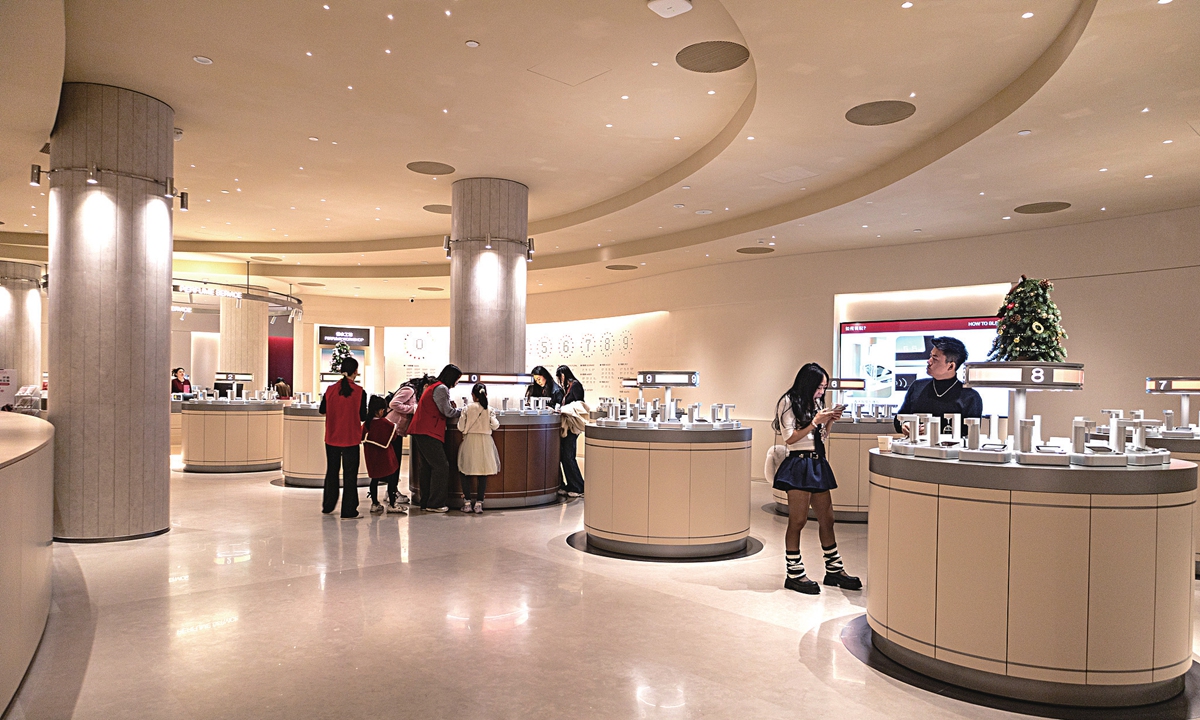
Consumers explore the Xuelei Fragrance Museum, the world's largest fragrance museum, in Guangzhou, South China's Guangdong Province, on January 1, 2026. Photos: VCG"Just found out about this beautiful Chinese perfume company and I need to smell of these so badly."This enthusiastic comment from a netizen overseas on X may sound like a small moment in the vast world of social media, but it captures a much bigger shift: Chinese perfume brands are increasingly moving from simply being seen overseas to being wanted.At the Esxence perfume fair in Milan this summer, the air around several Chinese booths carried notes of tea, osmanthus and agarwood. Visitors stopped to take in the scents, ask questions and browse products from Chinese brands seeking to make their mark in one of the world's most influential perfume markets.The scene would have been hard to imagine only a few years ago.In September 2025, more than 20 Chinese homegrown perfume brands, including MeltSeason and ZHUFU, made a collective appearance at the Paris-Shanghai Perfume Exhibition, putting Chinese brands in the spotlight in the heartland of the global fragrance industry.Yet being noticed is only the first step. The harder question is whether a scent created in China can cross cultural boundaries and become something meaningful to consumers thousands of kilometers away.Finding emotional resonanceIn China, scents such as jasmine and gardenia have long carried associations with elegance and refinement. However, when introduced to consumers from different cultural backgrounds, those associations cannot always be automatically carried over.Simply placing cultural symbols such as osmanthus, bamboo or tea at the center of a fragrance does not necessarily make its cultural meaning transferable, industry insiders noted. At the same time, challenges remain in areas such as access to high-end natural fragrance ingredients and the cultivation of professional perfumers.Some Chinese brands, however, are beginning to find a different way forward: Rather than asking overseas consumers to first understand a cultural reference, they seek to trigger emotions that can be recognized across cultures.One example came from Liu Xiao, a young member of a Beijing-based beauty products export team. Thinking about the icy, refreshing taste of Arctic Ocean, a popular orange soda brand from her childhood, she had an idea: What if that childhood memory could be bottled as a perfume?The resulting "Summer Juice," built around notes of orange and blood orange, does not require overseas consumers to know anything about Arctic Ocean soda. On TikTok and other social media platforms, the fragrance attracted attention among European consumers, many of whom focused simply on its fresh citrus character and the summer memories it evoked.They may not know the cultural story behind Arctic Ocean, but they understand the feeling of a cold, sparkling drink on a hot summer day.That experience points to a broader change in the way Chinese fragrance brands approach international markets: The goal is not to explain culture, but to create an emotional experience that allows culture to be discovered naturally, experts noted.Some brands continue to explore distinctly Chinese olfactory elements, including tea, agarwood and osmanthus, using sophisticated compositions to convey the restraint and elegance associated with traditional Chinese aesthetics. Others are looking for more universal emotional touchpoints.The two approaches are not necessarily contradictory. Both seek to establish a dialogue with global consumers rather than simply adapting Chinese products to overseas tastes.