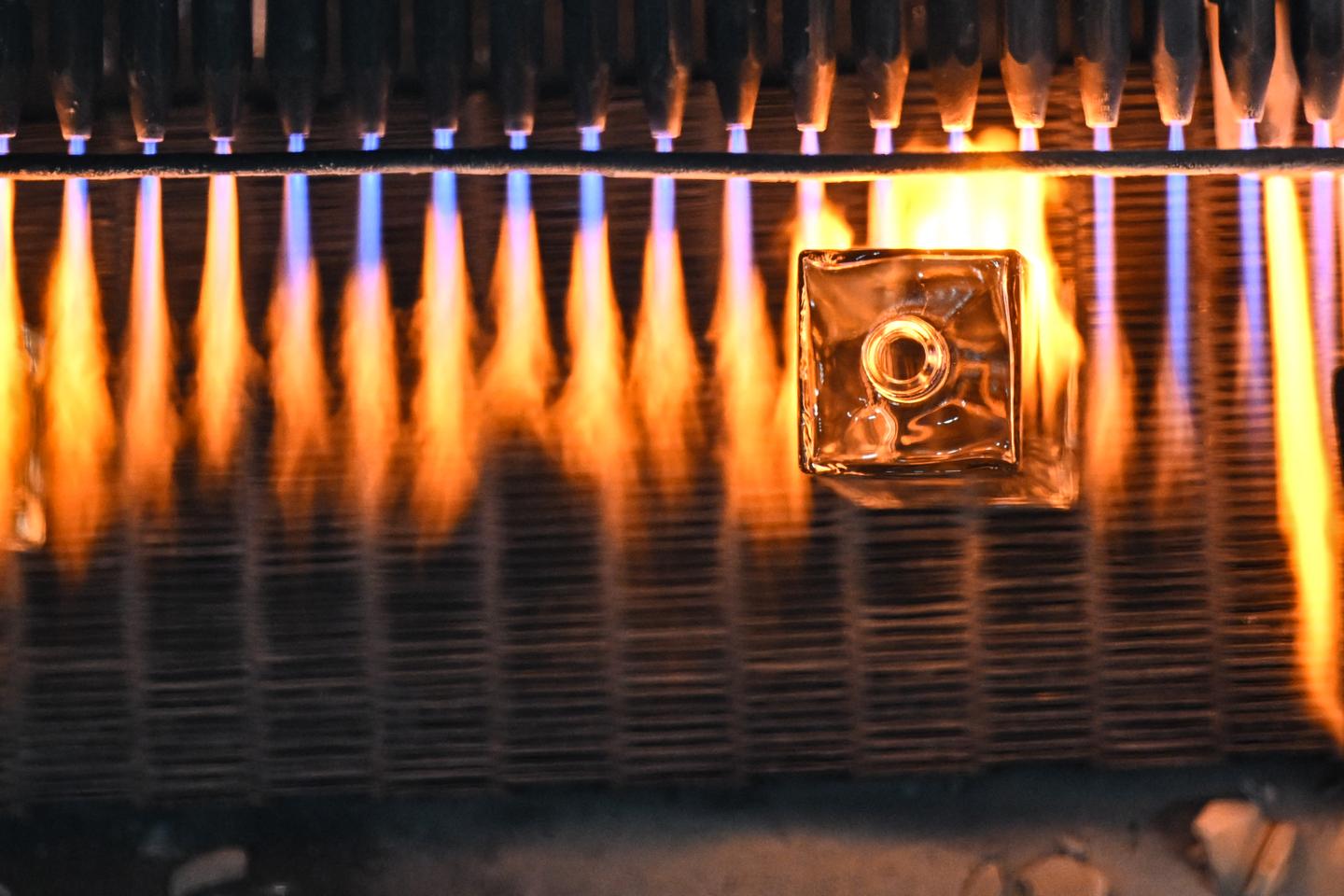
A bottle of perfume on a production line at the Pochet group factory, in the village of Hodeng-au-Bosc, on France's Norman coast, on March 28, 2025. LOU BENOIST/AFP
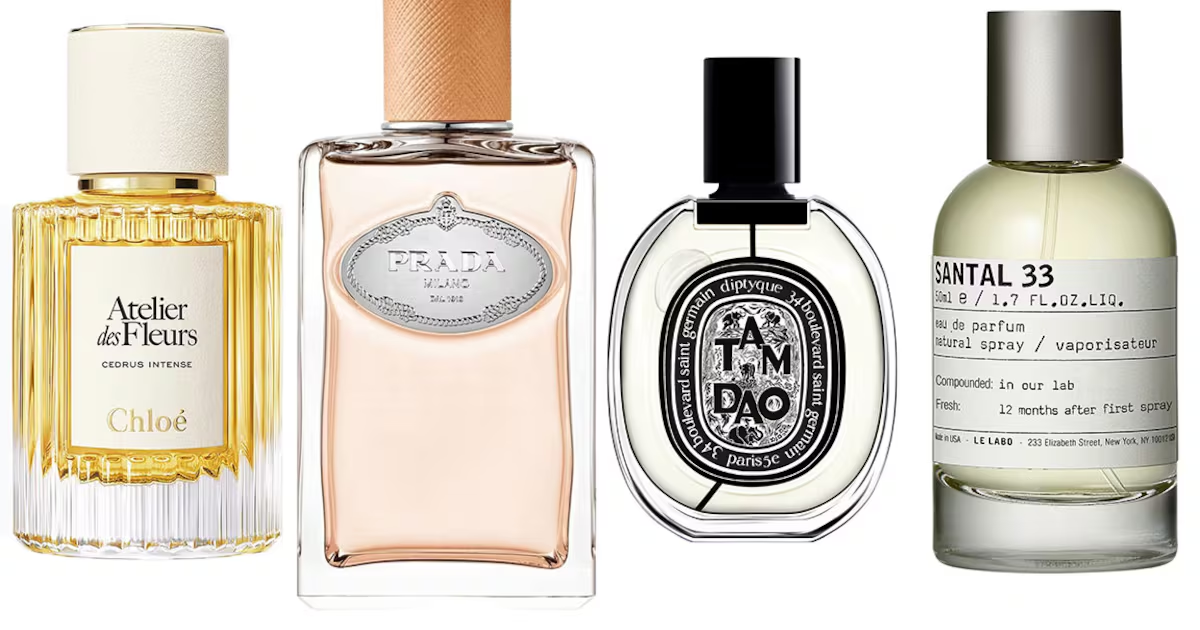
Your mother has worn Shalimar by Guerlain, ever since she was 20. Your father used to wear Bel Ami by Hermès, every day. Yet your eldest son doesn't have a signature scent: He flits between Sauvage by Dior, Myslf by Yves Saint Laurent, Paradigme by Prada and Bleu de Chanel. "A perfume is like sneakers in the eyes of teenagers: It's something to collect," said Cyril Chapuy, president of the luxury division at L'Oréal, the world's leading perfume group.
The facts are clear: The perfume sector's economic model, which was once thought unshakeable, has undergone a revolution. Since the end of the Covid-19 pandemic, young consumers have been changing between fragrances to fit their schedules, to spice up a date or simply to match their mood. Marketing surveys have now started to quantify this trend. In France, more than one in two men aged 18 to 25 (55%) said they now wore perfume more often than they did five years ago, according to an October survey conducted by Ipsos, for the trade magazine Cosmétiquemag. They often choose perfumes with powerful "scent trails," said Stéphane de La Faverie, the French CEO of the American group Estée Lauder.