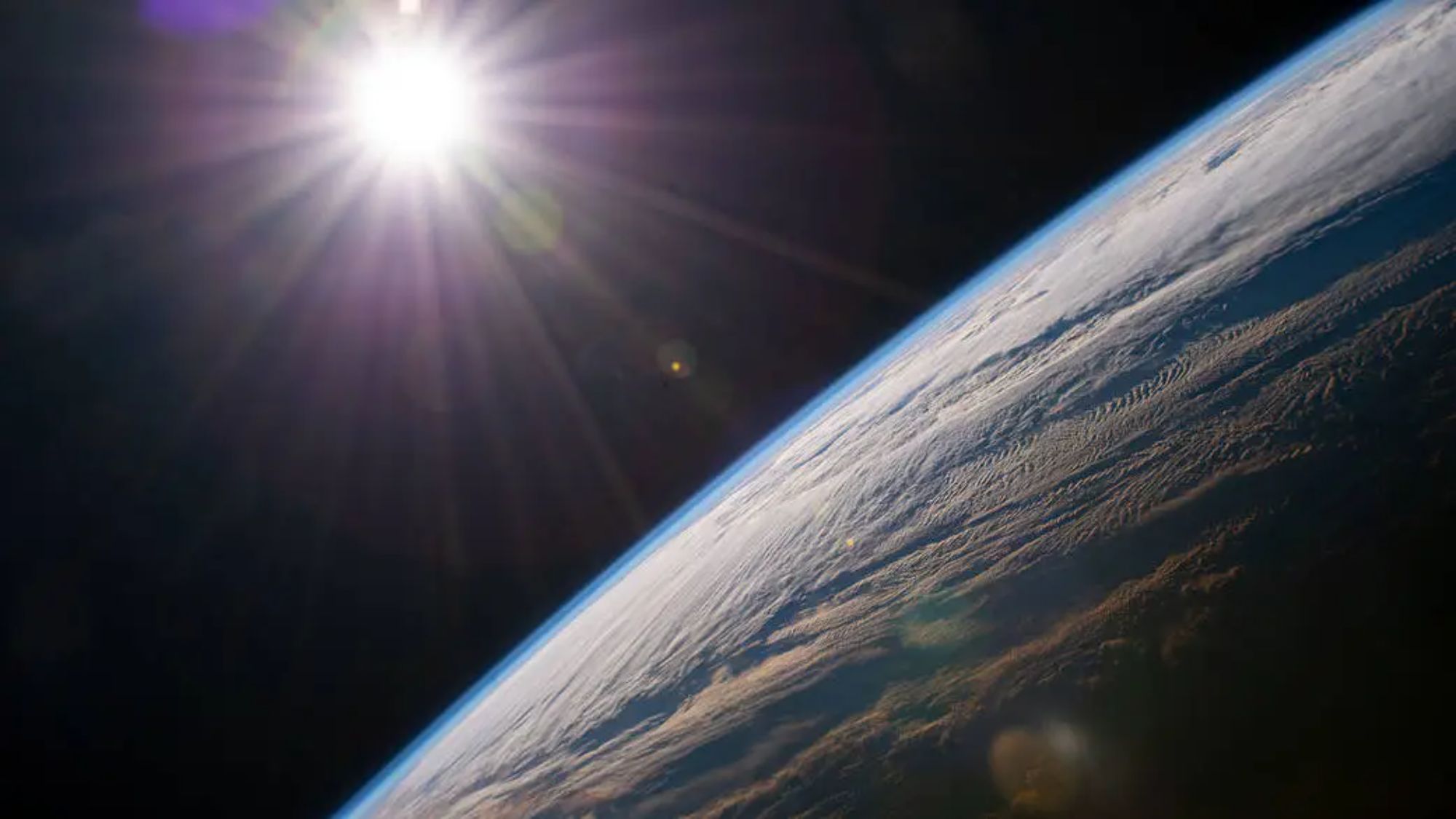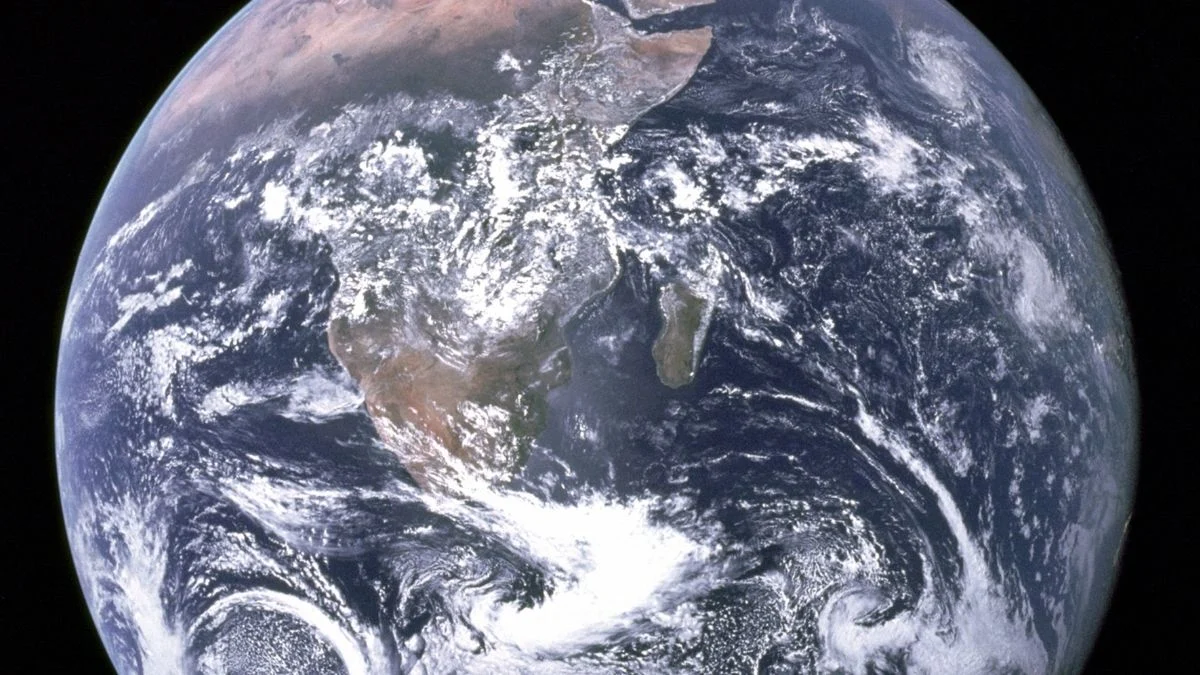
Earth photographed by the Apollo 17 crew on 7 December 1972. (NASA)
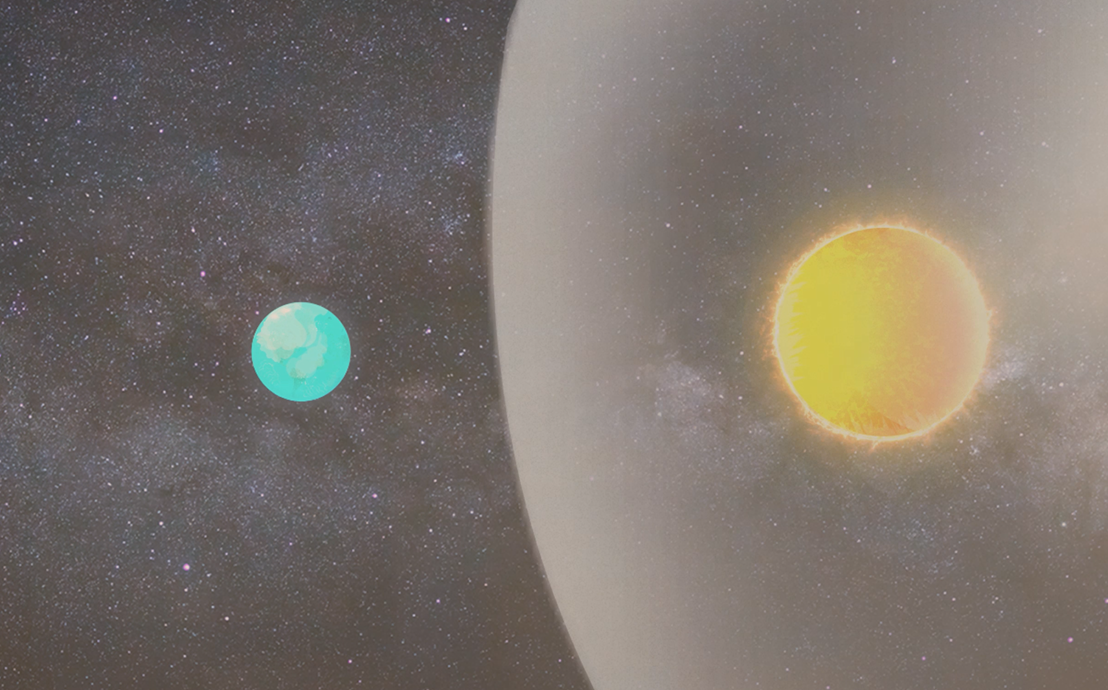
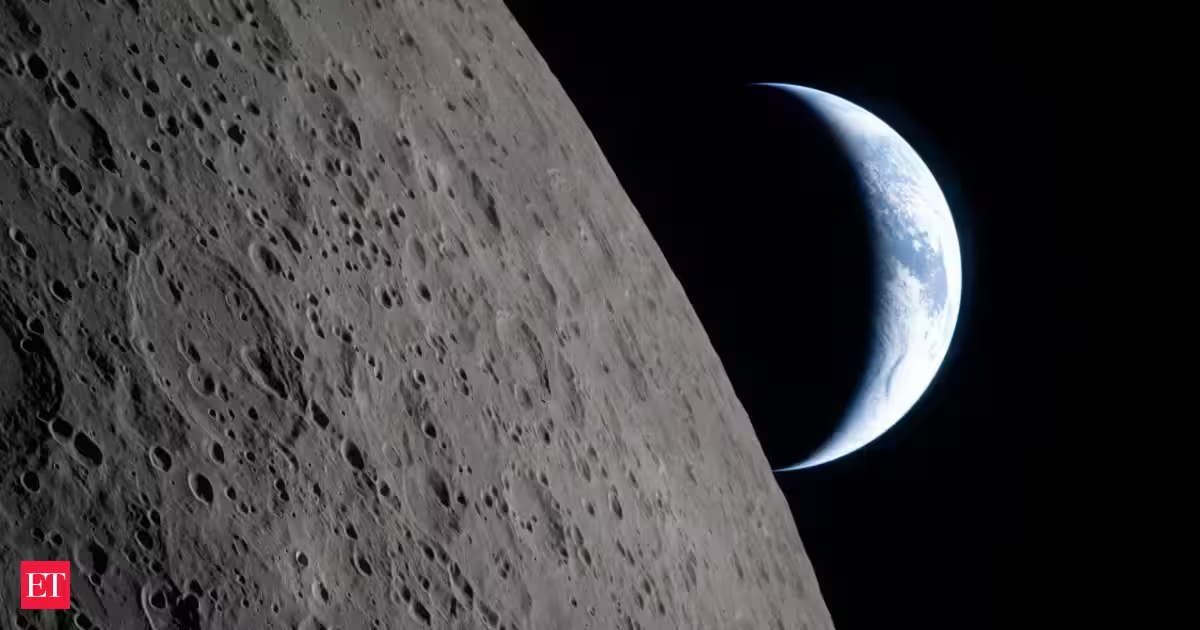
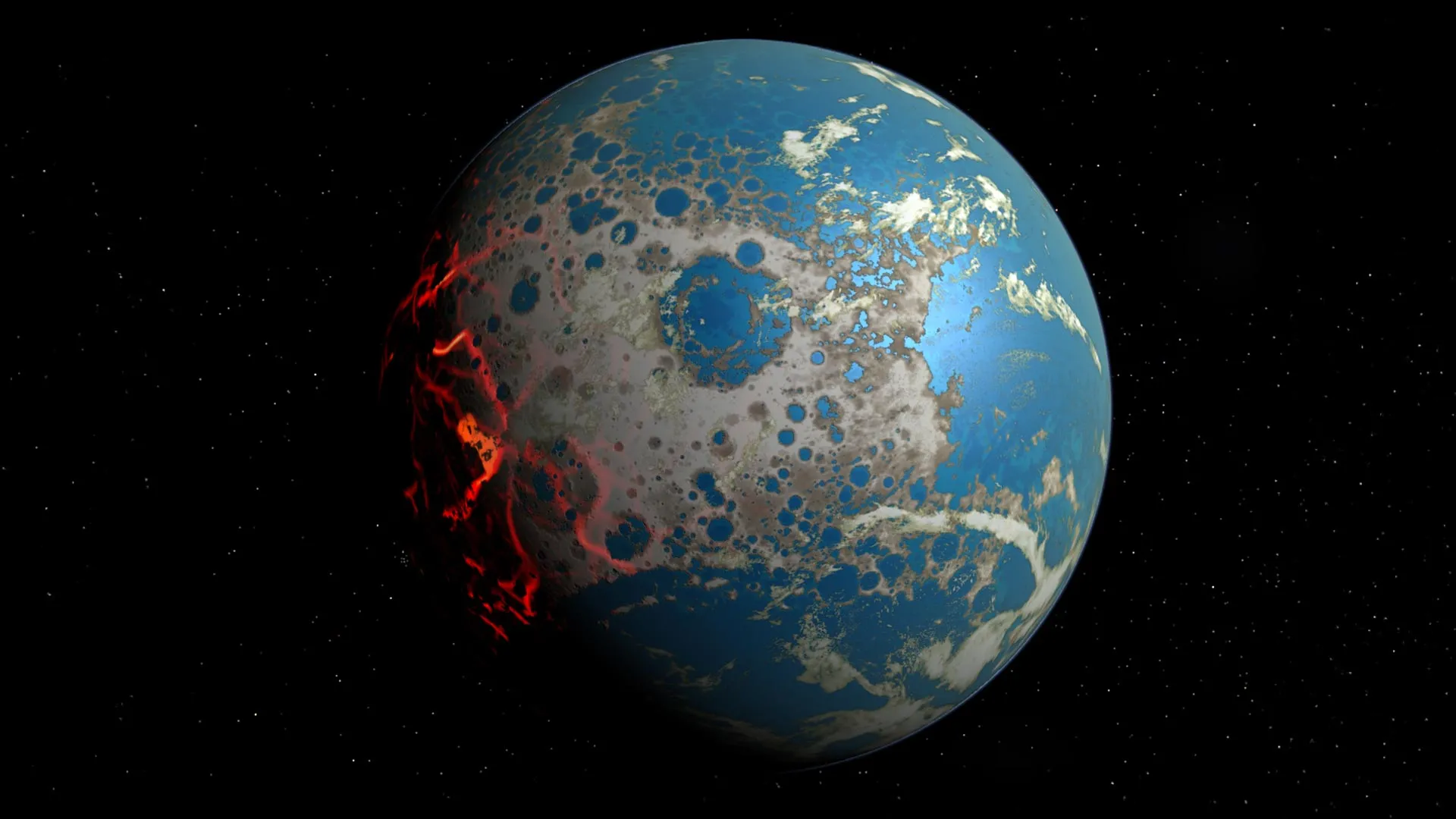
Earth has survived asteroid impacts, volcanic catastrophes, ice ages, and dramatic changes in the Sun's brightness. Yet it has remained habitable for billions of years.Was that merely extraordinary luck? Or could life itself have helped keep the planet suitable for life?It sounds like something from science fiction. Yet the idea was developed by a respected British scientist and went on to influence how researchers think about the relationship between life and the planet.Known as the Gaia hypothesis, it proposes that Earth's living organisms, atmosphere, oceans, soil, and rocks form one enormous interconnected system. Through countless feedback loops, this system may help maintain conditions in which life can continue.In other words, life may not simply exist on Earth. It may be helping to run it.To understand what that means, think about your own body.(helivideo/iStock/Getty Images Plus)When you become too hot, you sweat. When you become cold, you shiver. Your body continually makes adjustments to keep its internal conditions within a safe range. This process is called homeostasis.British chemist James Lovelock wondered whether Earth might do something broadly similar. This was the provocative possibility that he explored with American microbiologist Lynn Margulis during the 1970s.Photosynthetic organisms help replenish atmospheric oxygen. Microorganisms produce and transform gases and compounds involving methane, nitrogen, sulfur, and other elements. Together, biological processes continually reshape the atmosphere and Earth's surface chemistry.None of these organisms understands what it is doing. There is no planetary control room and no committee of microbes deciding how warm Earth should be.Their actions change the environment – and those environmental changes then affect the organisms. The result is an immense network of feedback loops linking life, air, water, and rock.To demonstrate how something resembling planetary regulation could emerge without intelligence, Lovelock and Andrew Watson developed a model of a fictional planet called Daisyworld.This hypothetical Daisyworld is home to only two kinds of life: black daisies and white daisies.