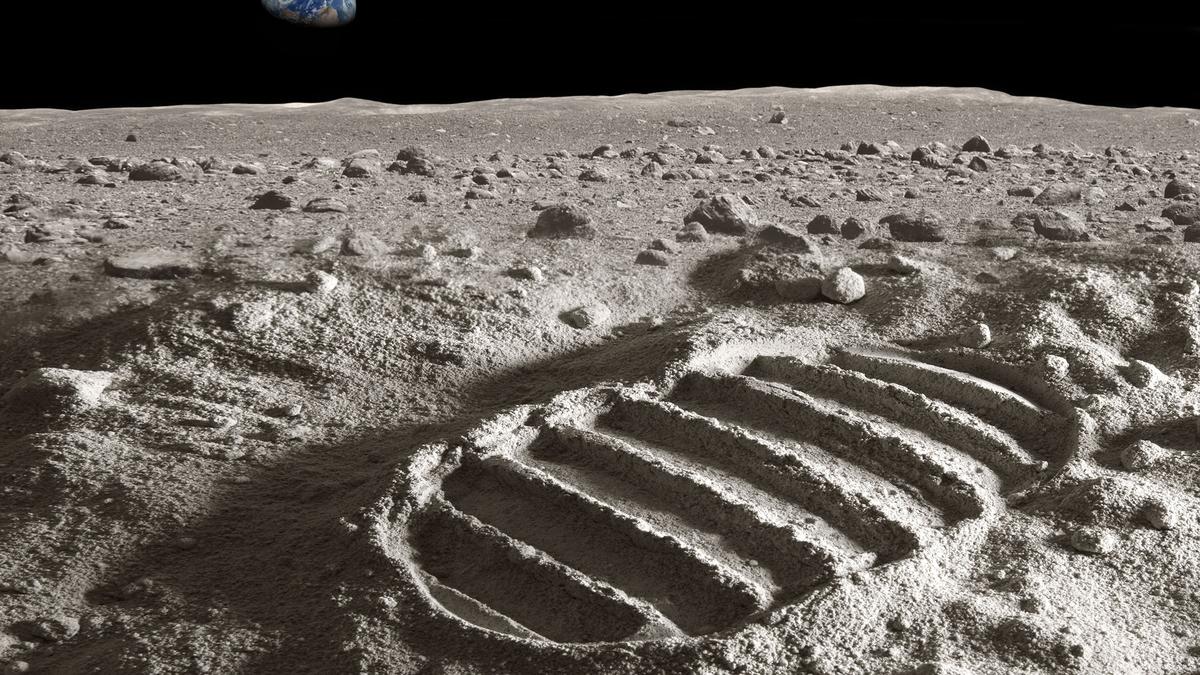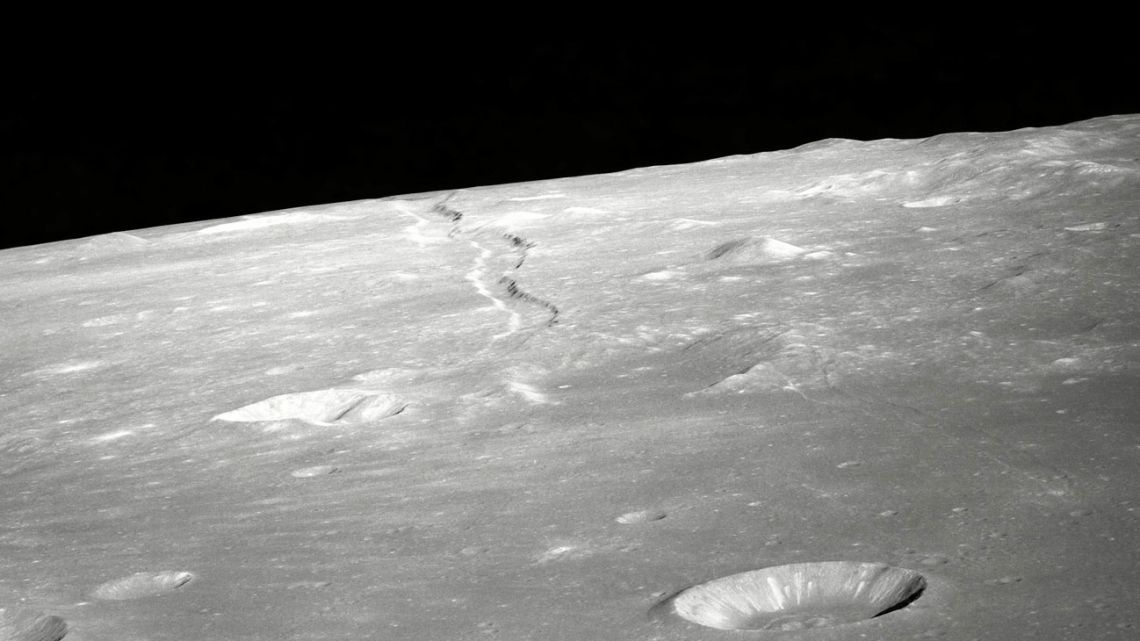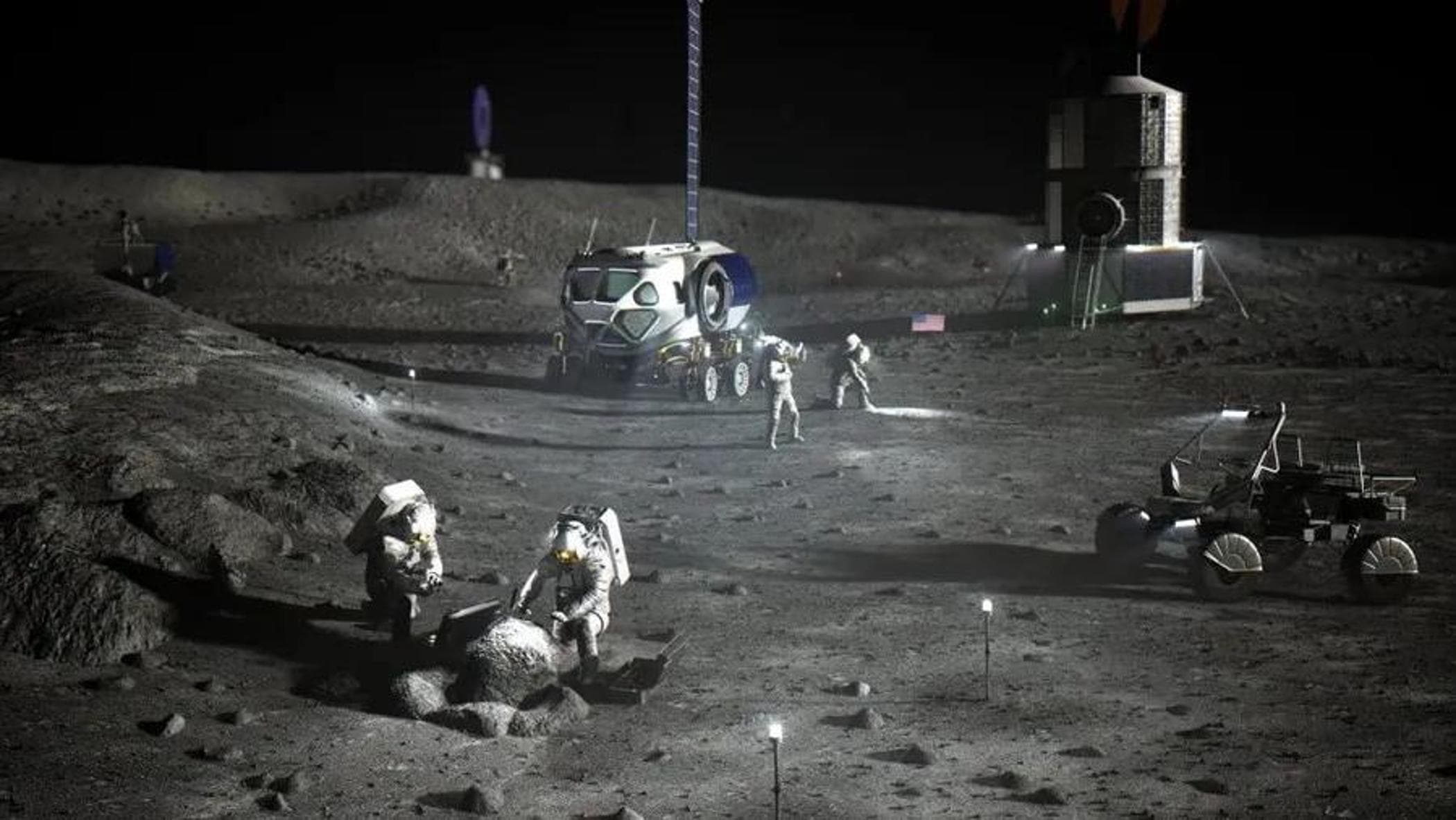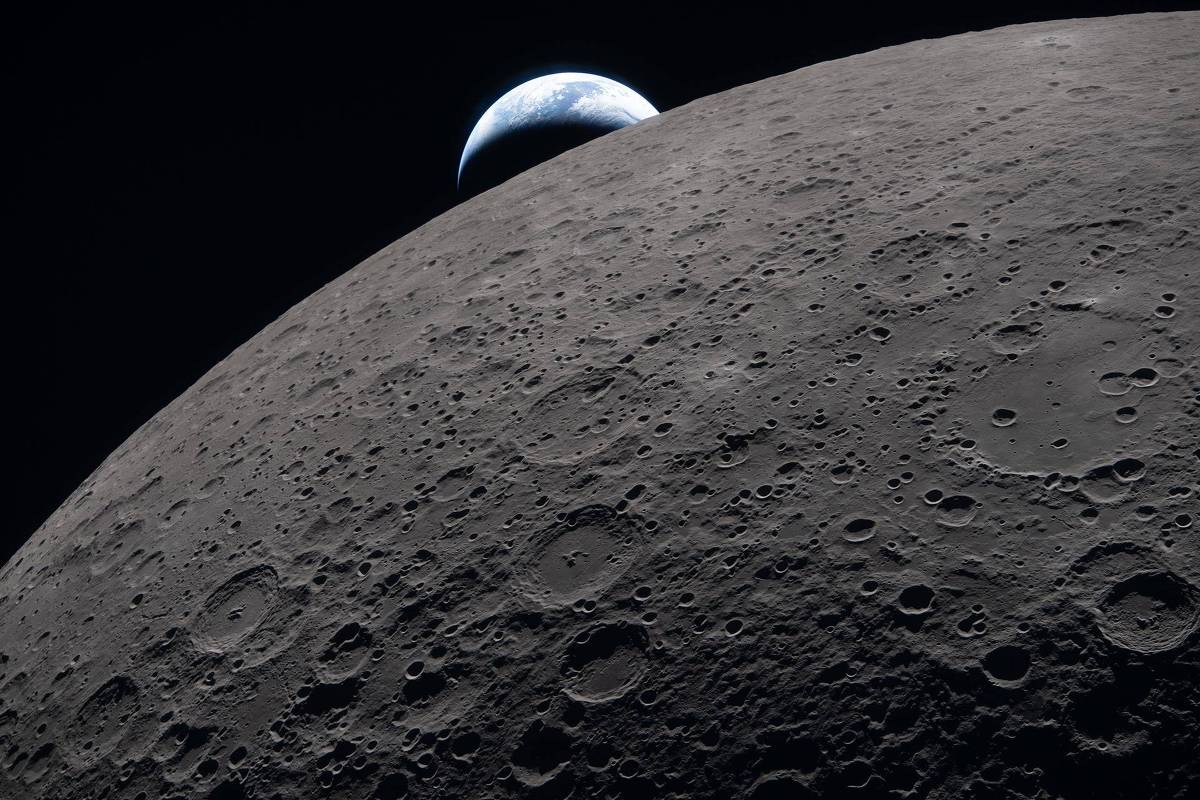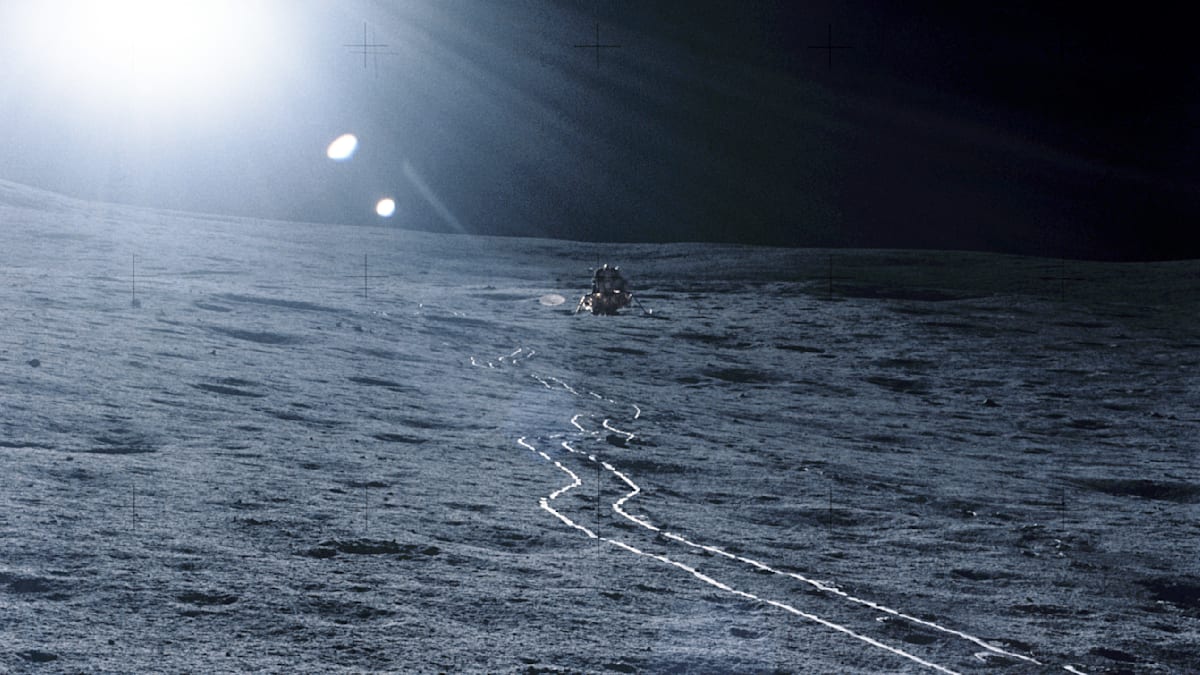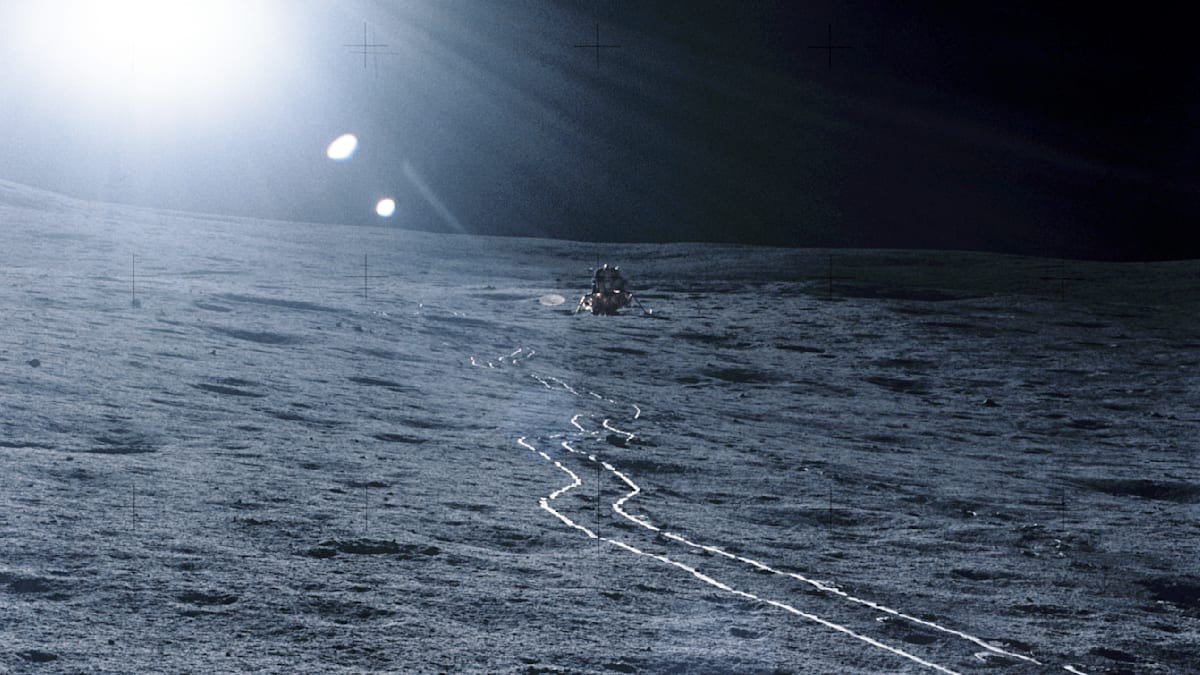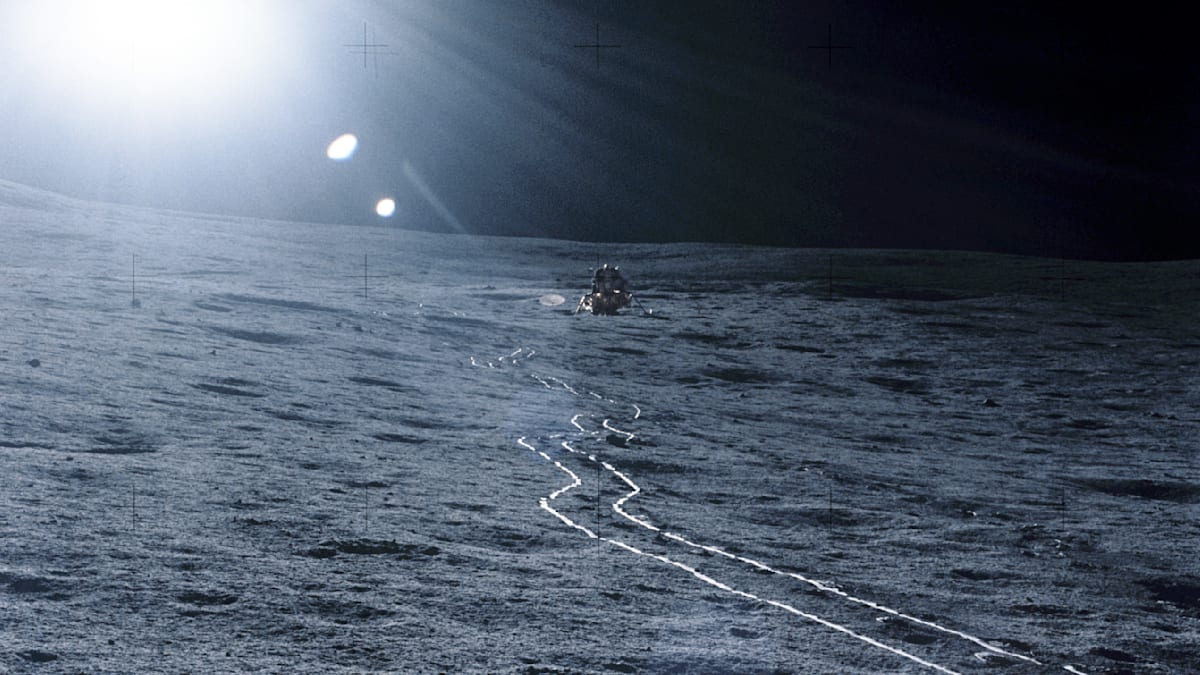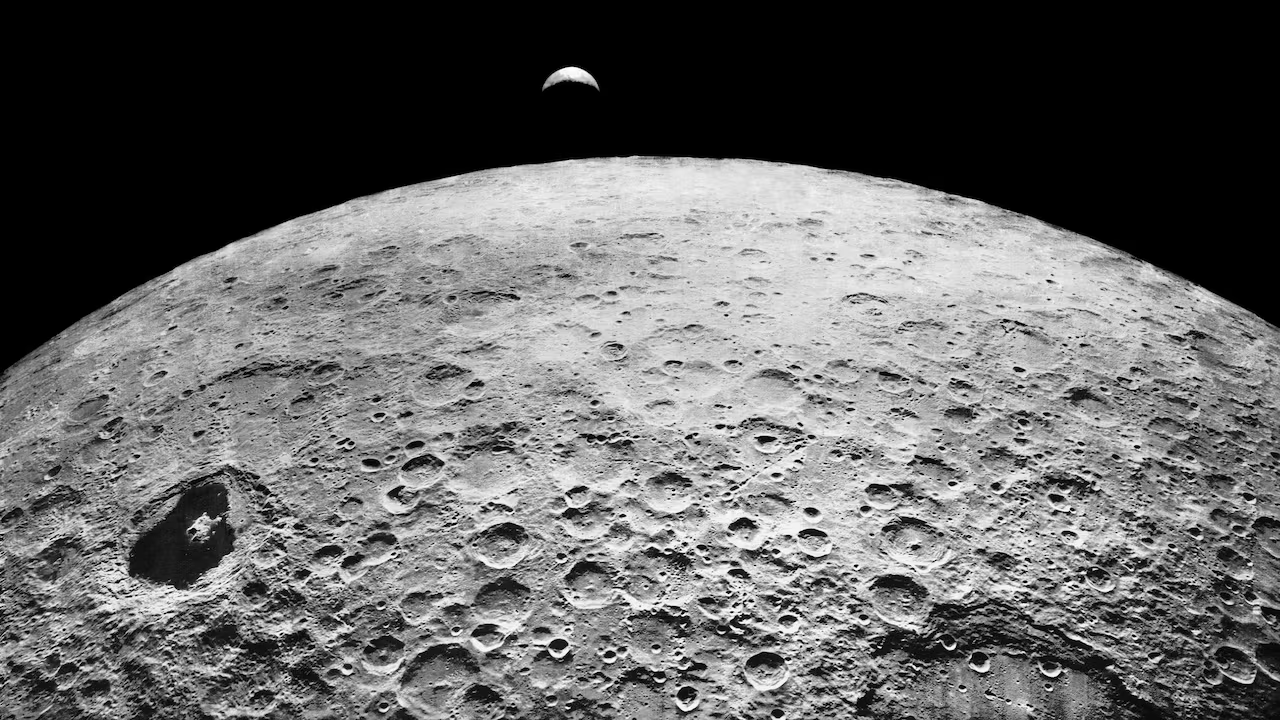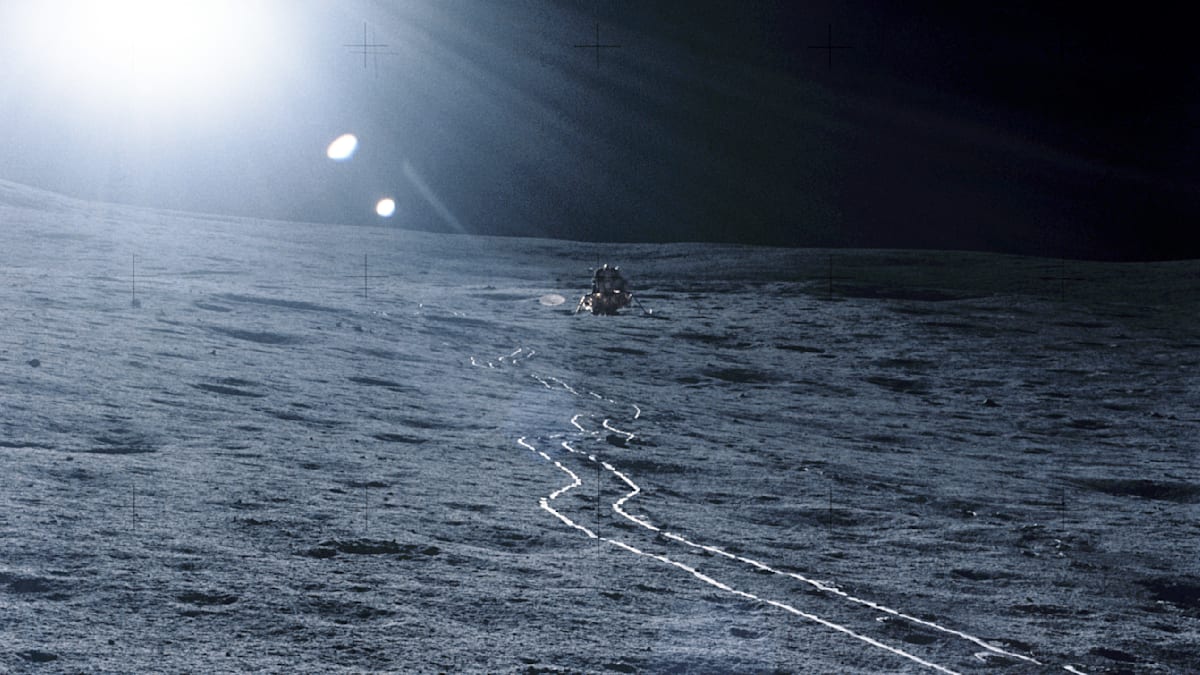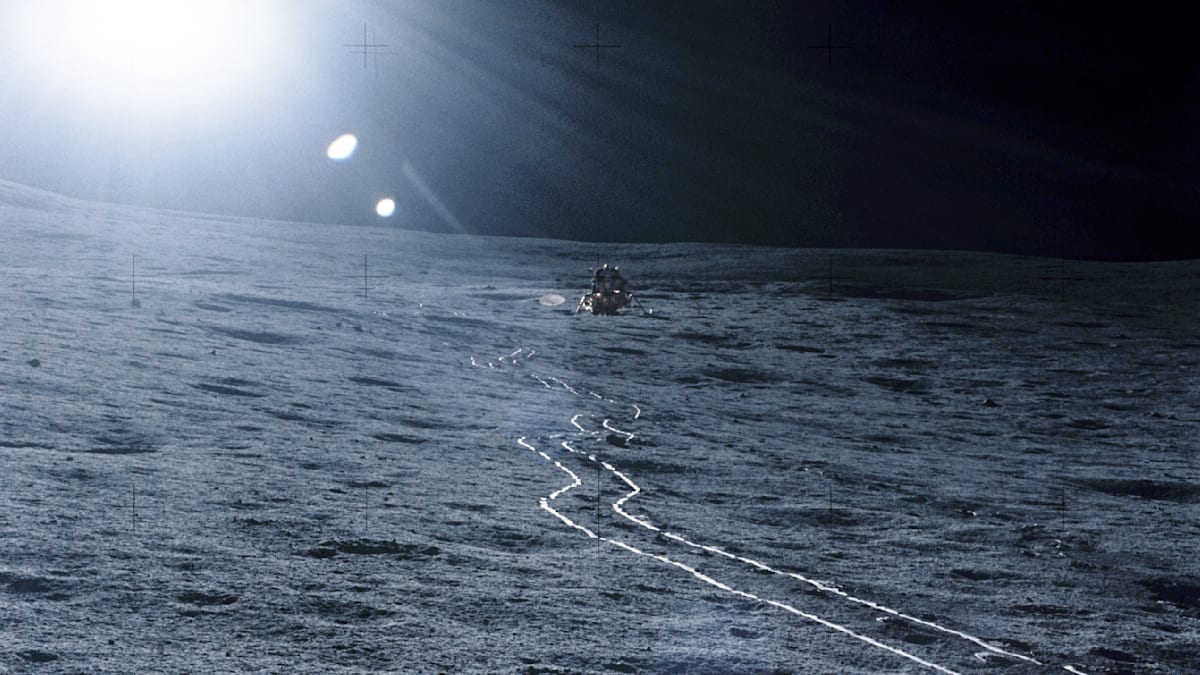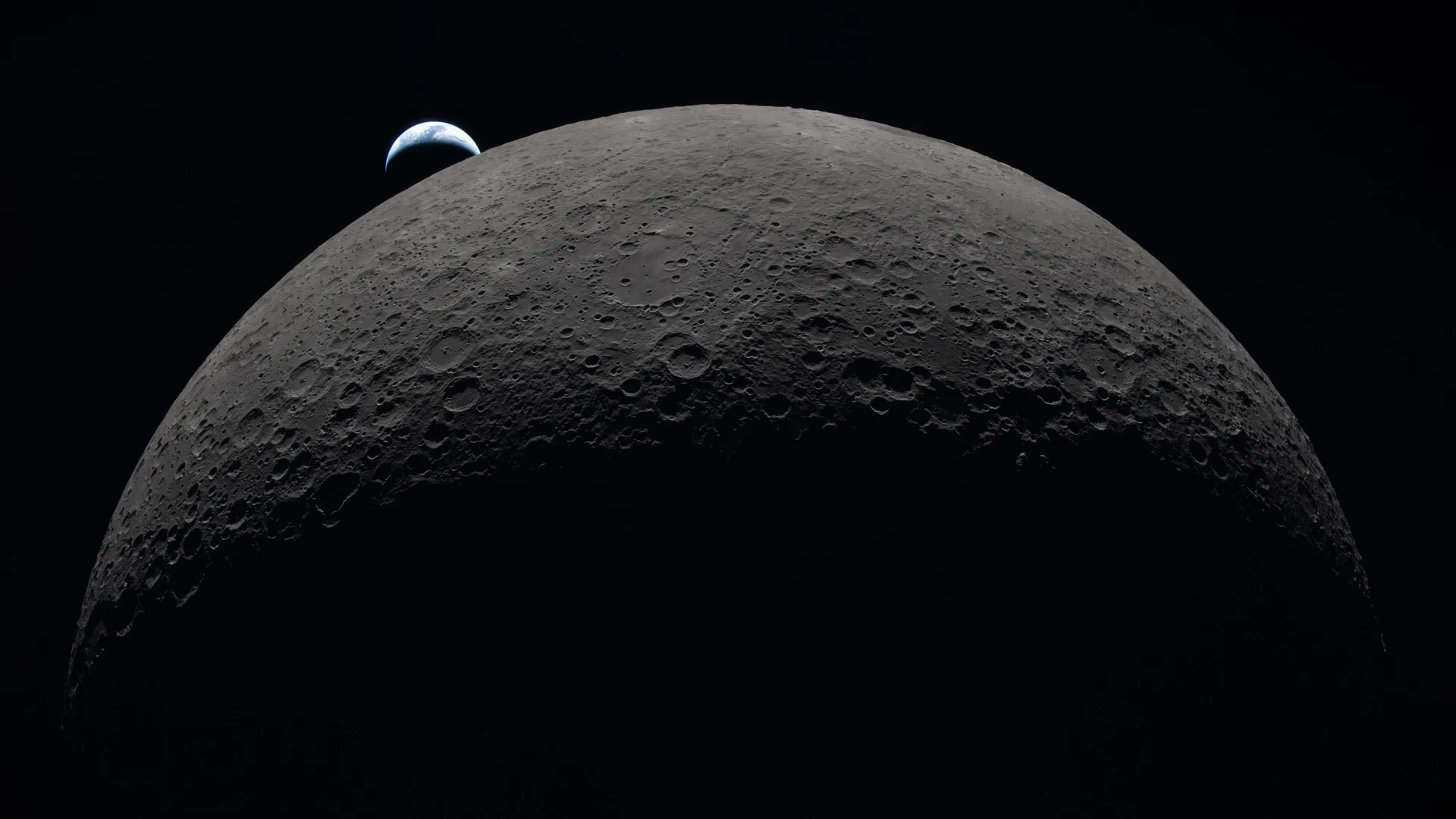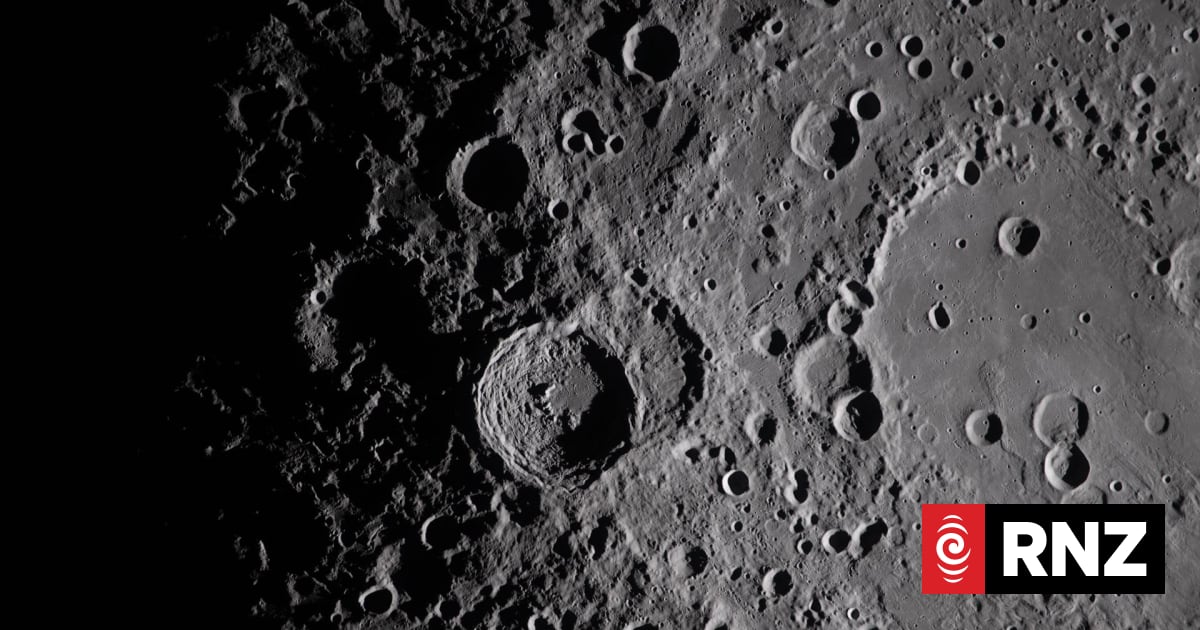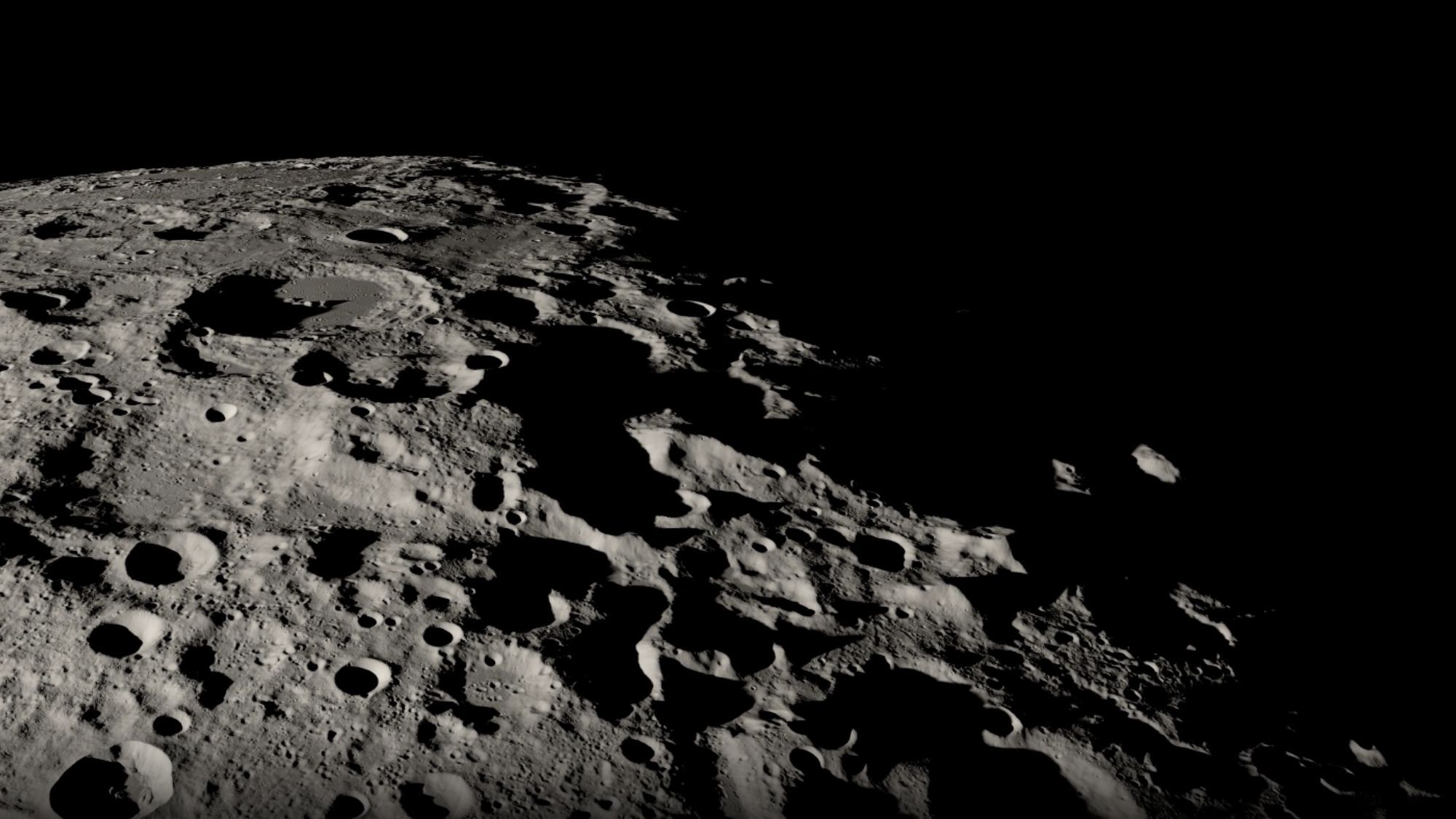
NASA scientists have found that some microbes carried from Earth could survive in some sheltered parts of the Moon. Led by NASA scientist Prabal Saxena, the study, published in Science Advances on August 19, 2026, examined whether several microorganisms could remain alive after being deposited on the Moon's surface. The researchers found that cold temperatures and protected areas with limited ultraviolet radiation could create places where some microbes survive, particularly near the lunar poles.What did NASA scientists find?The researchers found that the Moon's north and south poles contain potential areas where some Earth microorganisms could survive for at least a day. The team created maps combining two major threats to microbial life on the lunar surface: ultraviolet radiation and high temperatures.They then compared those conditions with the known survival limits of several microorganisms. The results showed that parts of both lunar polar regions could potentially provide conditions suitable for the survival of the microbes studied.Why could anything survive on the Moon?The Moon is an extremely hostile environment, but its surface is not equally hostile everywhere. Near the poles, the Sun stays low on the horizon. This creates major differences in how much sunlight reaches different parts of the landscape.Some areas receive significant sunlight and intense UV radiation. Other locations receive much less light because the surrounding terrain blocks the Sun.The study found that these differences can create protected areas where microbes face lower levels of damaging UV radiation.UV radiation appears to be the biggest dangerThe researchers concluded that UV radiation is likely the most important factor killing microbes in the lunar polar regions examined in the study.Highly illuminated areas receive enough UV radiation to make survival difficult. But areas with limited illumination could give microorganisms a better chance of remaining alive.The researchers found dramatic differences in UV exposure near the poles, from heavily illuminated locations to permanently shadowed regions that receive no direct sunlight.This variation is one reason some parts of the lunar surface may be more survivable than others.Which Earth microbes did scientists study?The researchers examined five microbial candidates, including bacteria and fungi.They studied:Bacillus subtilisDeinococcus radioduransStaphylococcus aureusAspergillus nigerFusarium speciesThe organisms were selected because they included microbes associated with humans, organisms known for resistance to radiation or heat, and microbes previously identified as contaminants in space-related environments.One fungus appeared especially difficult to killAmong the organisms examined, Aspergillus showed the greatest potential for survival. The researchers said its strong resistance to UV radiation likely gave it an advantage over the other microbes in the study.While potentially survivable regions existed for other microorganisms, they were generally smaller. Aspergillus, however, showed the greatest potential to survive across the lunar polar environment examined by the researchers.Lunar shadows could create microbial refugesThe Moon's terrain plays an important role in determining where sunlight reaches the surface. Craters, ridges and other features can block sunlight, creating areas with much lower UV exposure.The researchers said broader regional maps provide a general picture, but smaller landscape features could create additional survivable niches that are only visible through higher-resolution modeling.Some microbes could survive for several daysThe researchers also examined specific locations using higher-resolution models. Their analysis found that the amount of survivable surface varies with the seasons because UV exposure depends on the Sun's position.Areas become more survivable during the local winter, when UV exposure is lower. For Aspergillus, the researchers found that non-negligible portions of some locations with relatively limited UV exposure could remain survivable even after five to seven Earth days.Does this mean life could grow on the Moon?No. The researchers were studying survival, not growth. A microbe remaining alive on the lunar surface does not mean it can reproduce, grow into a colony or establish an ecosystem.The study specifically examined whether selected microbes could survive exposure to lunar conditions over relatively short timescales.The findings ultimately suggest that while the Moon is largely hostile to Earth life, its shadows, low temperatures and complex terrain may create protected pockets where some of Earth's toughest microbes could remain alive.
NASA maps where Earth microbes could survive on the Moon for days and finds unexpected refuges near the lunar poles
NASA scientists found some Earth microbes could survive on the Moon. Protected lunar polar areas offer refuge from harsh radiation and temperatures. Certain fungi, like Aspergillus, showed remarkable resilience to these conditions. These findings suggest potential survivable niches exist in lunar shadows. However, this survival does not imply microbial growth or reproduction on the Moon.
659 words~3 min read