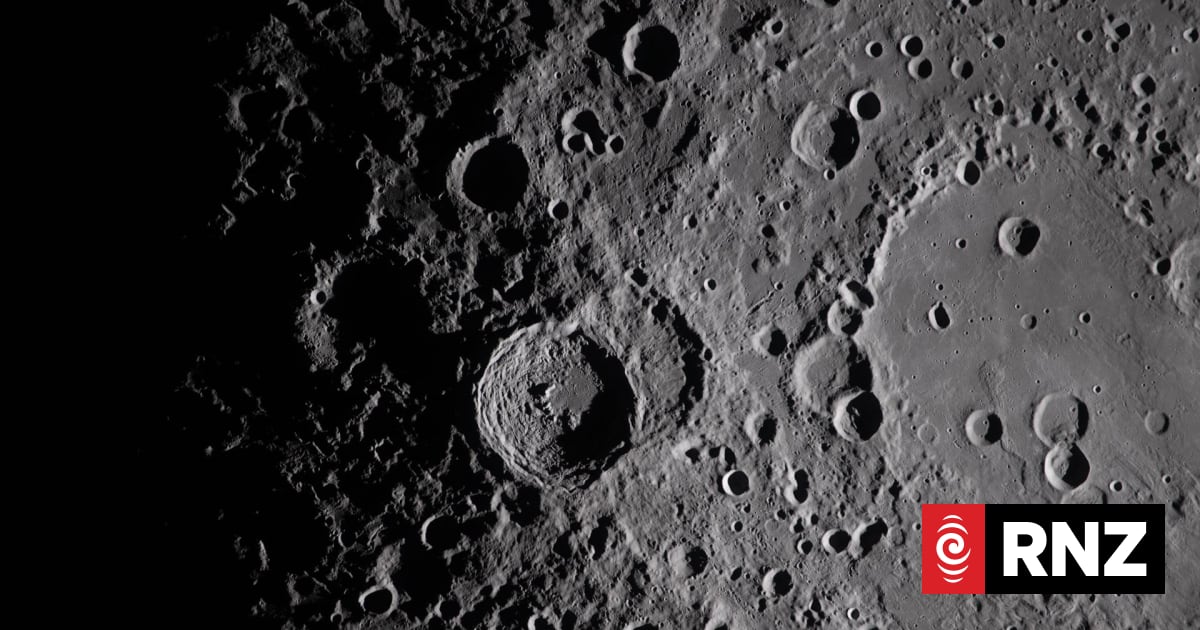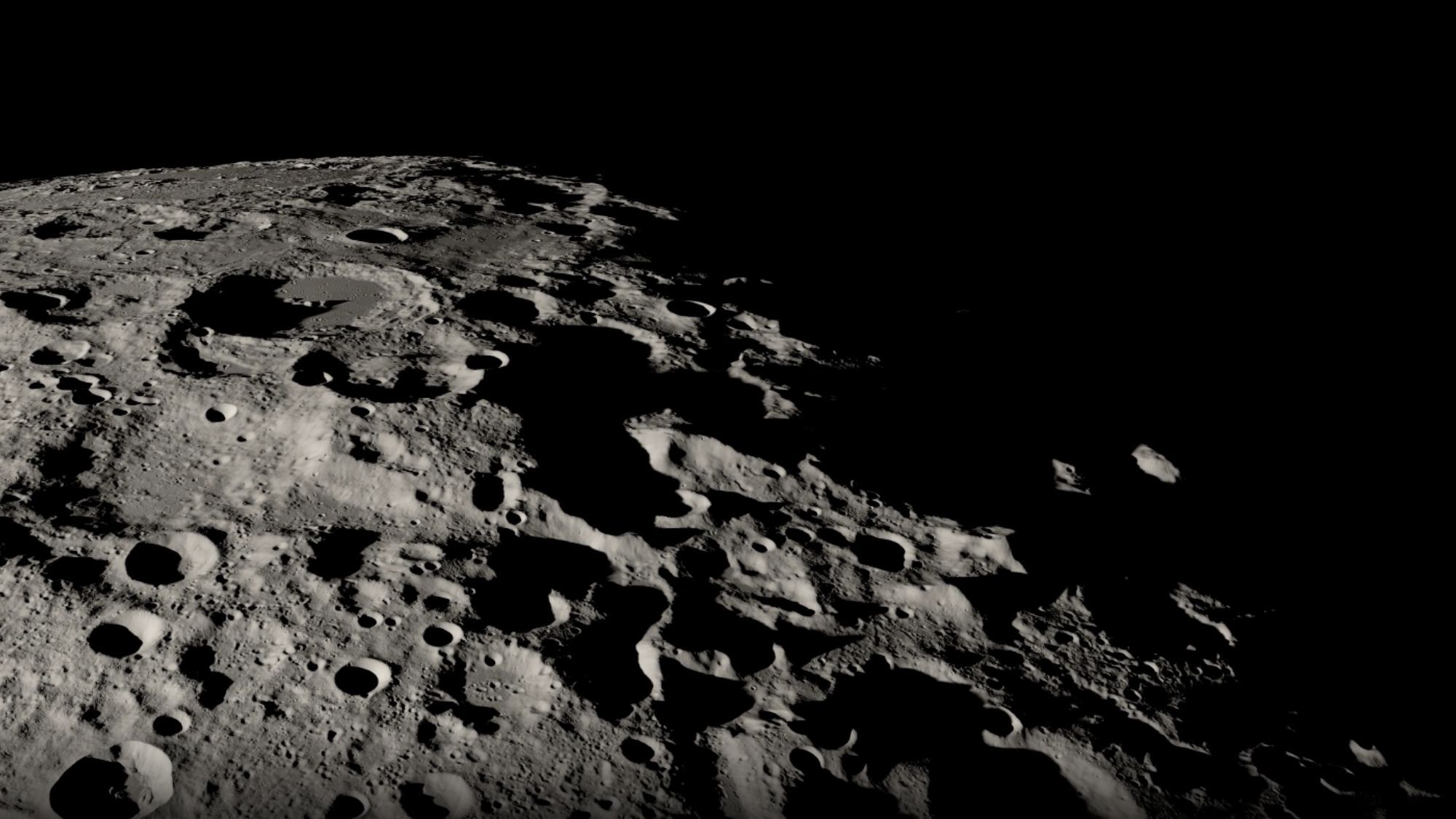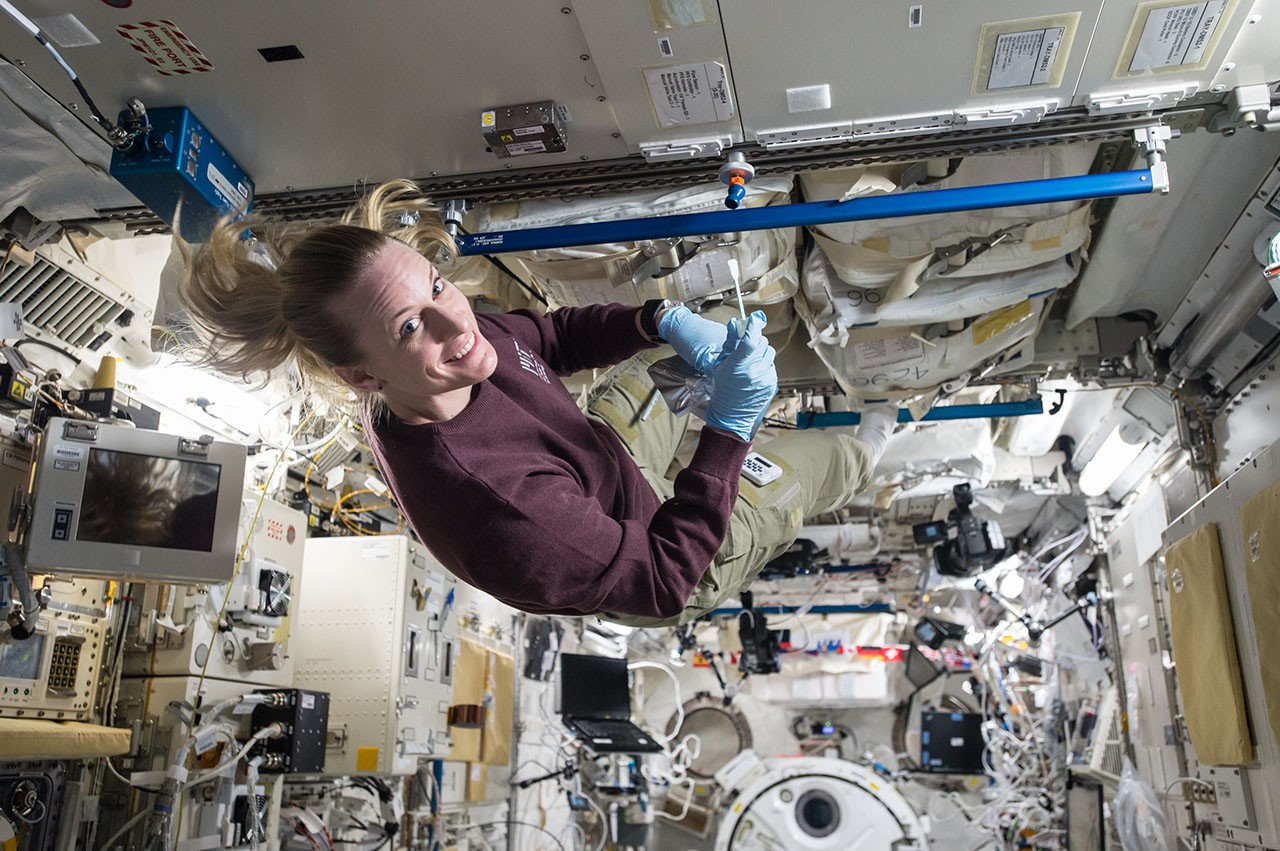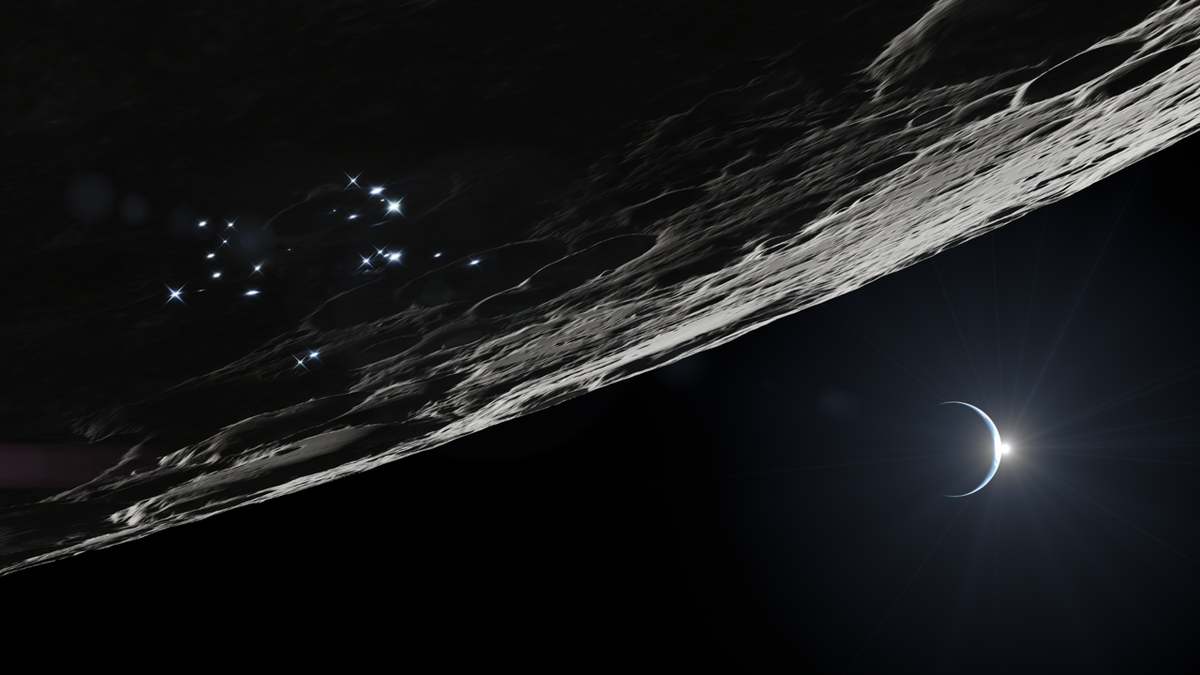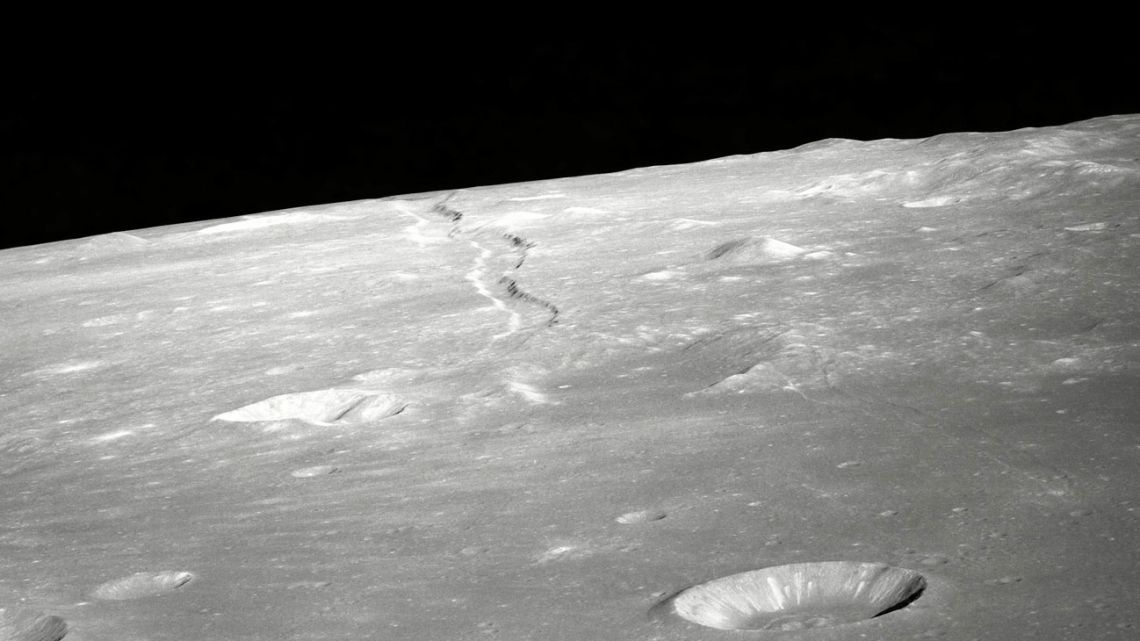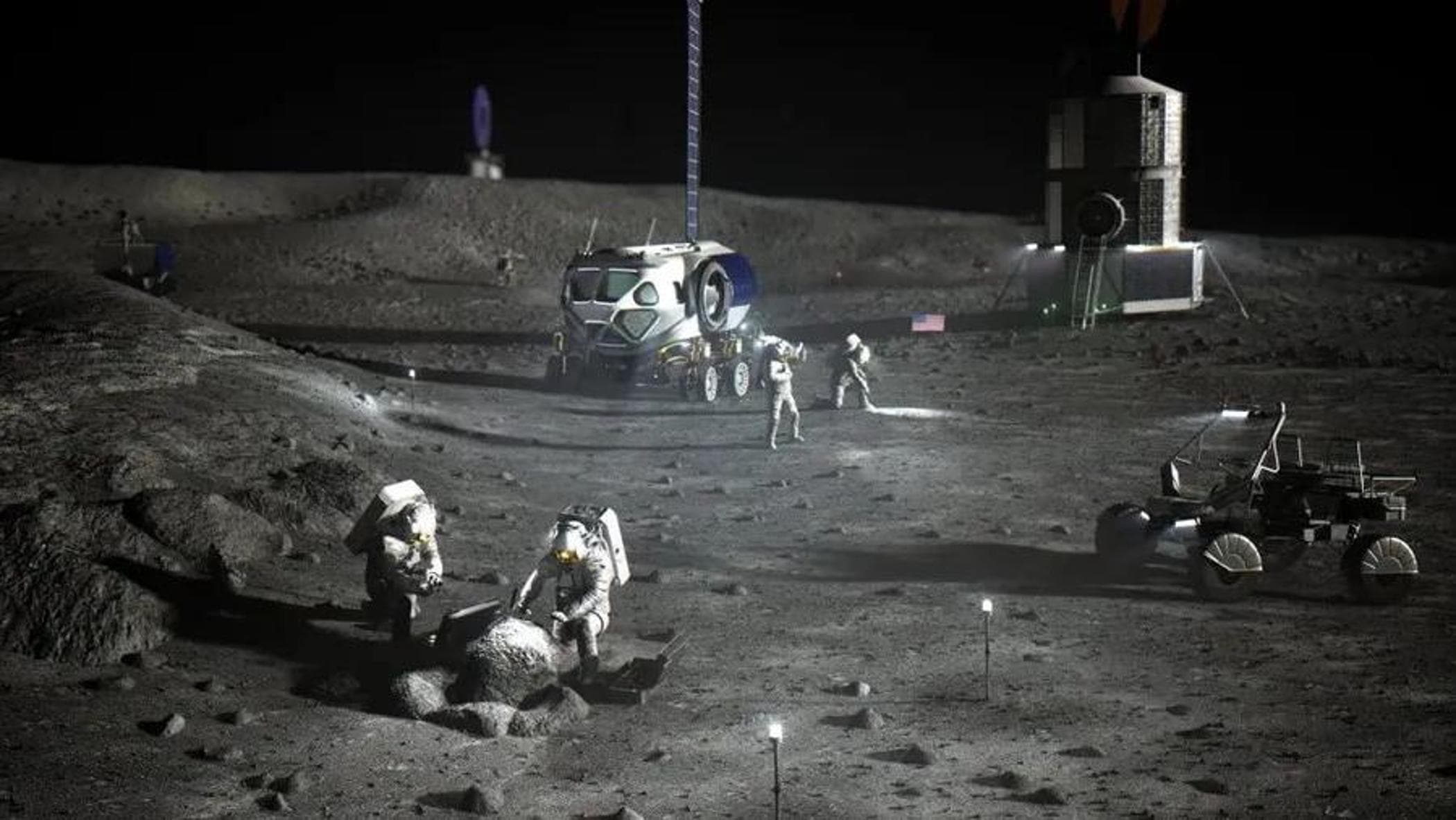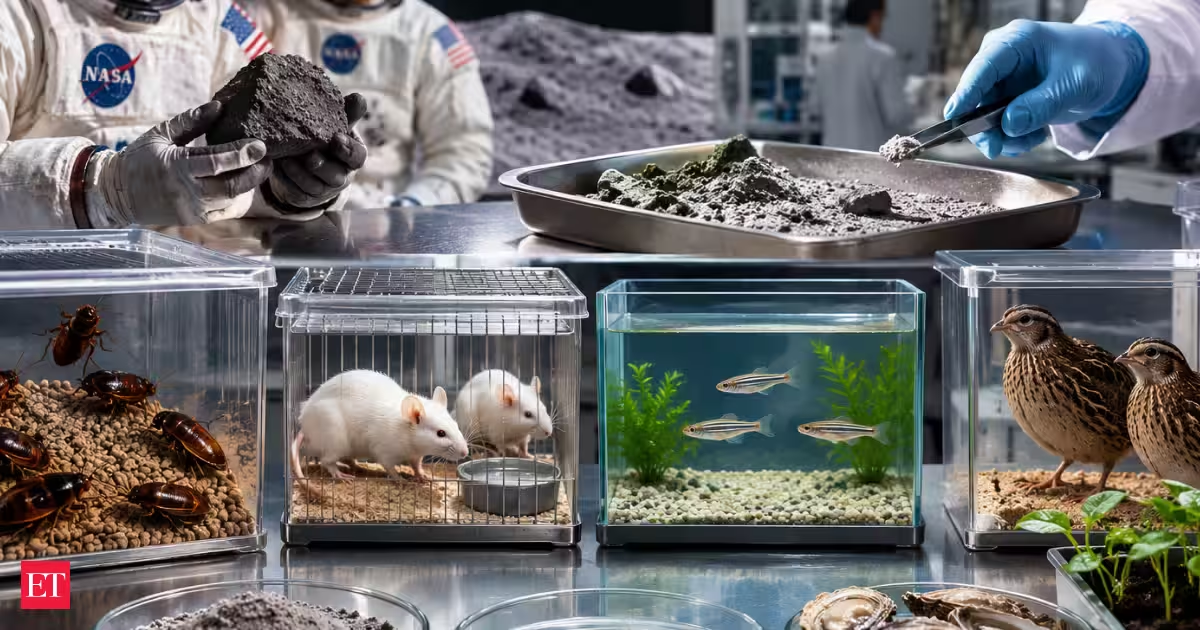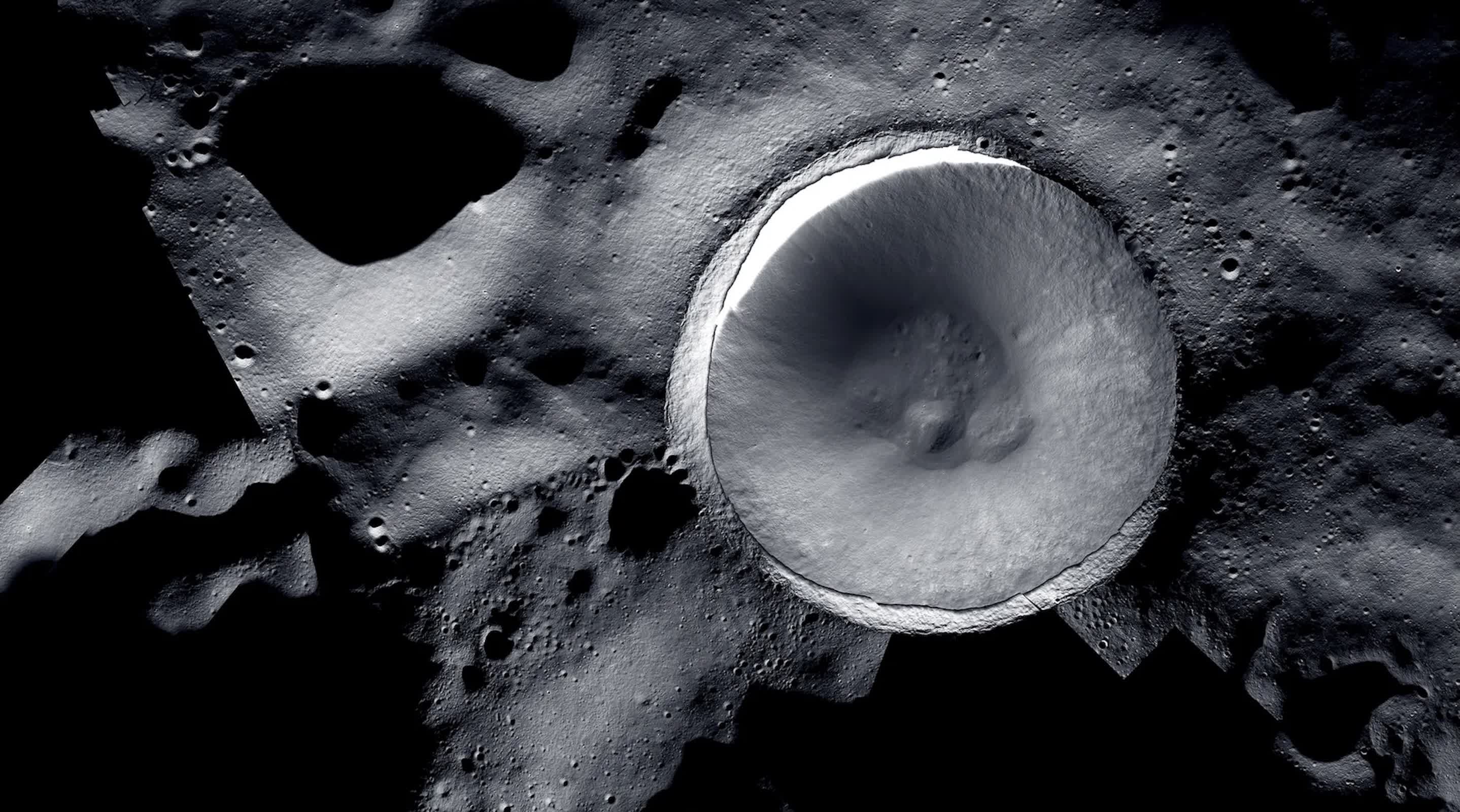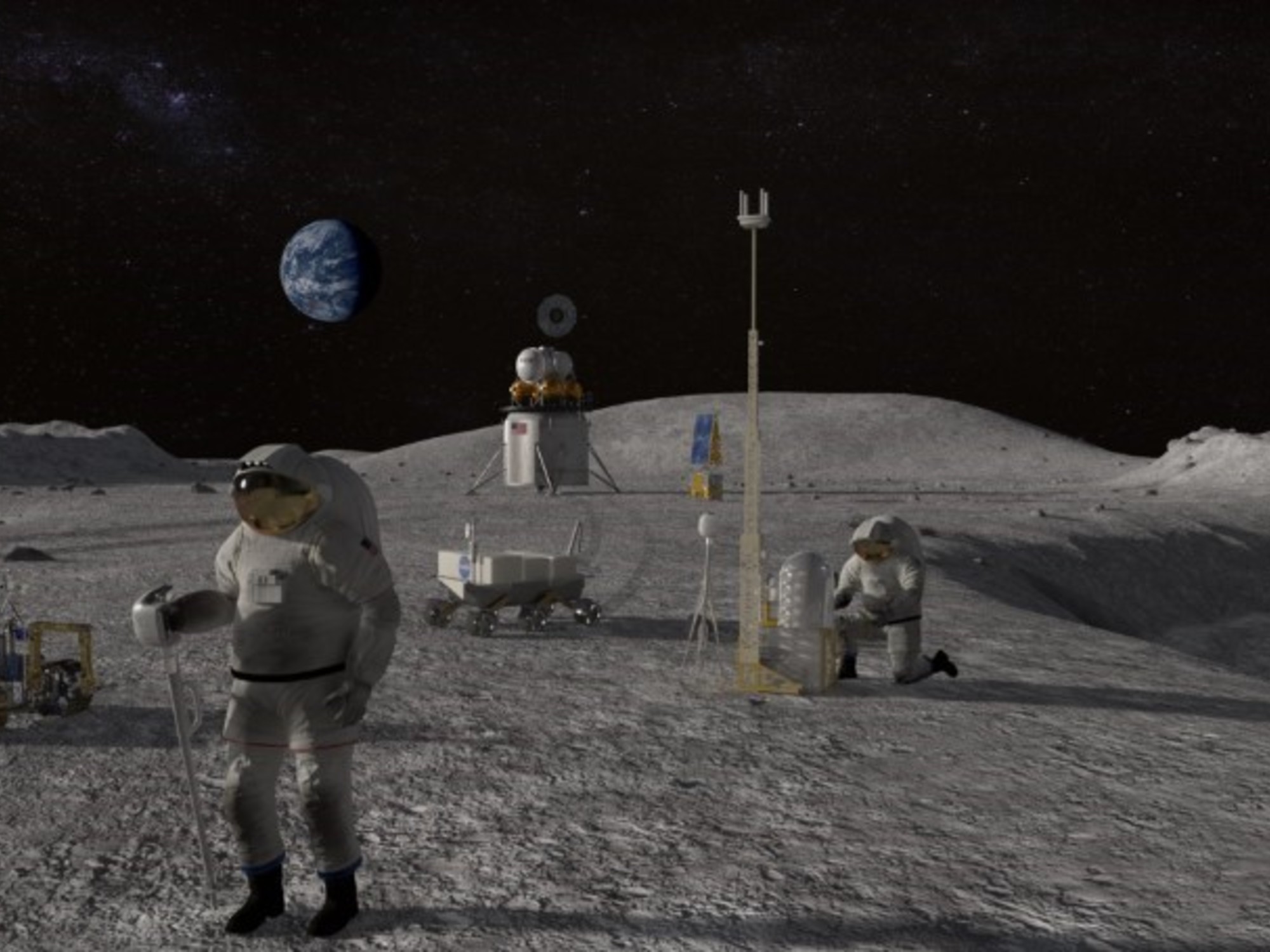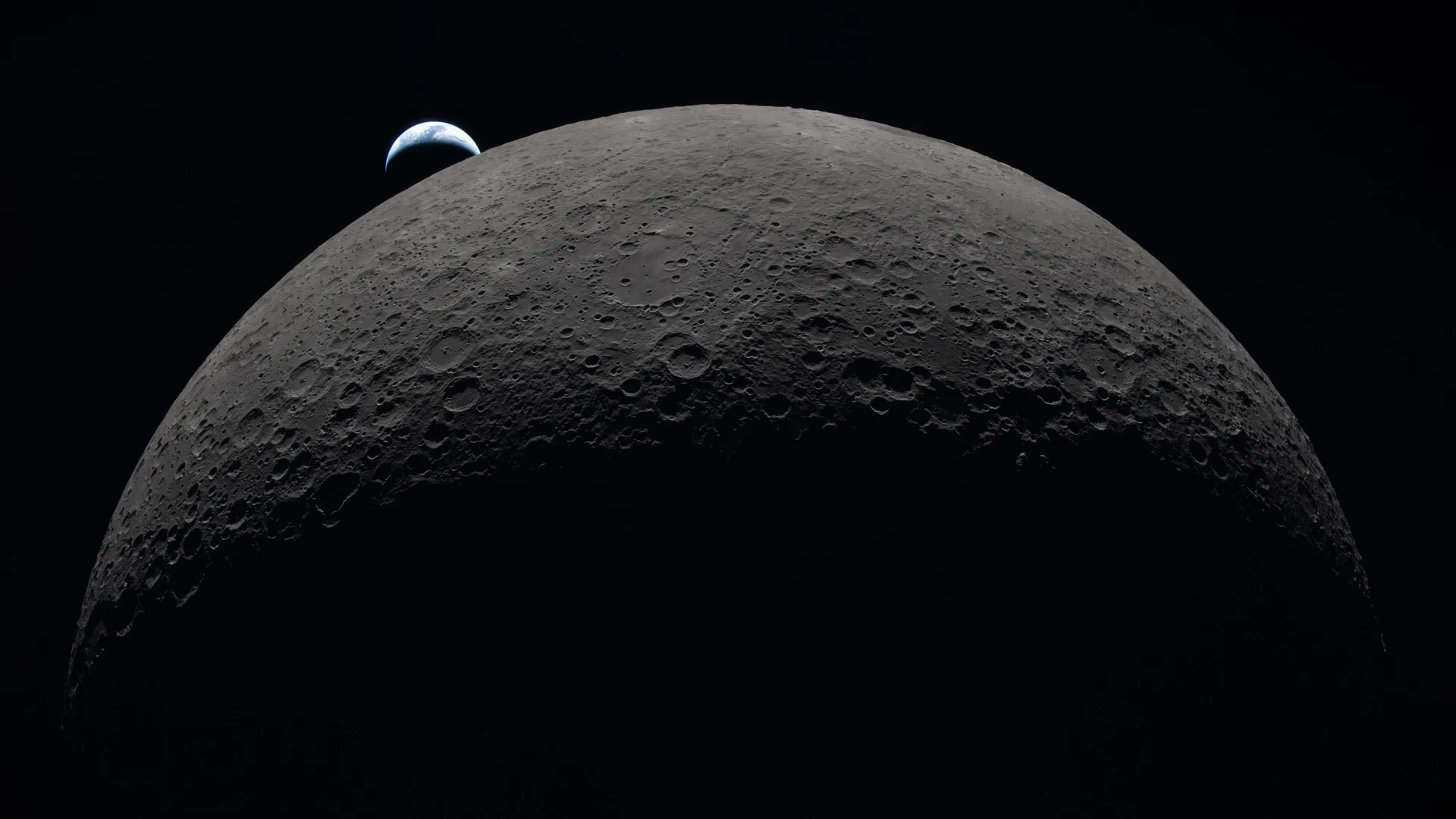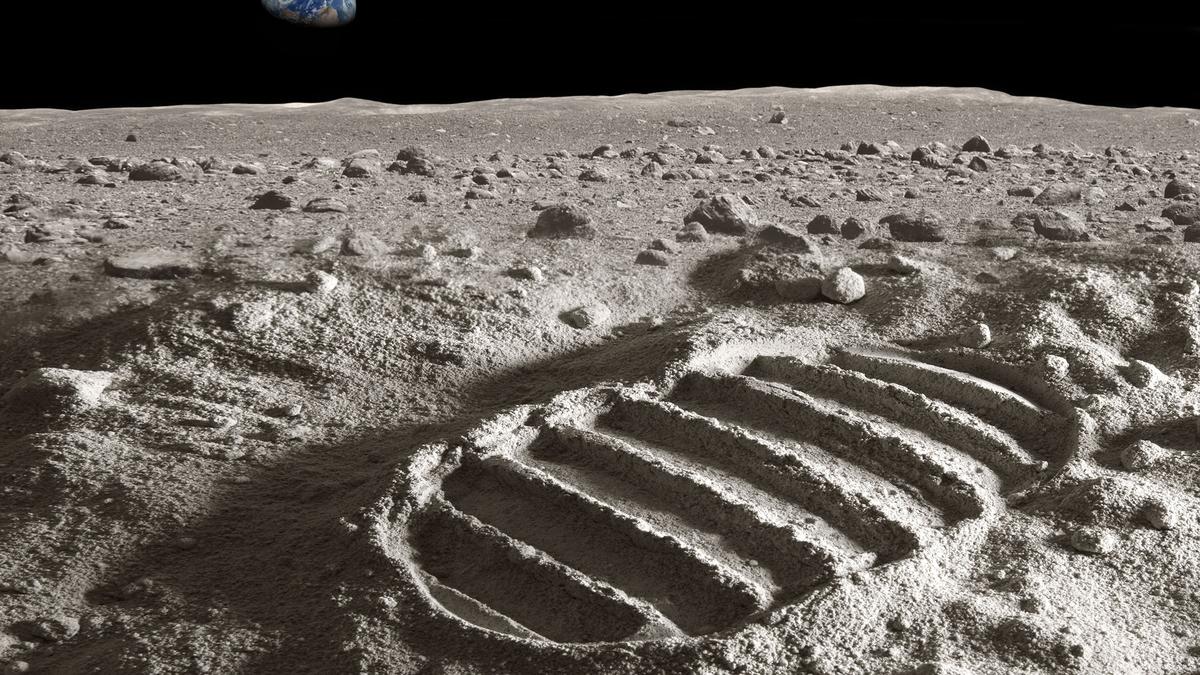
Astronauts go to the moon in appropriate gear, to survive. But some microbes — bacteria or fungi — that may have unwittingly stuck to them and hitch-hiked to the moon would surely die in the harsh conditions of the moon?NASA scientists have come up with the surprise answer “No, they might survive”. They selected three bacteria and two fungi that are known to survive spacecraft-cleaning procedures and have been observed on the International Space Station.In the permanently shadowed regions (PSR) of the moon, which hold ice and other minerals, temperatures could be as low as -200 degrees C (in sun-touched regions, it could be as high as 54 degrees C.)The researchers found their microbe candidates went into a ‘state of frozen sleep’ in the PSR. While they did not ‘live’ (reproduce or react to stimuli), they did survive the cold.In one sense, this is good news. “The polar regions are almost a different world,” Prabal Saxena, a NASA scientist and co-author of the study, says. “They’re just so unique, and exploring this unique world means you have this natural laboratory that is going to be fascinating for microbiology, exobiology, for biochemistry, for all these processes maybe people don’t associate with the moon.”However, as NASA plans to land humans on the moon by 2028, the last thing they’d want to do is unknowingly introduce earth microbes into the moon and wonder whether they were native to the moon or brought over.Published on August 24, 2026
Moon-landing microbes
NASA researchers discover that certain microbes can survive the harsh conditions of the moon, raising concerns for future lunar missions.
244 words~1 min read