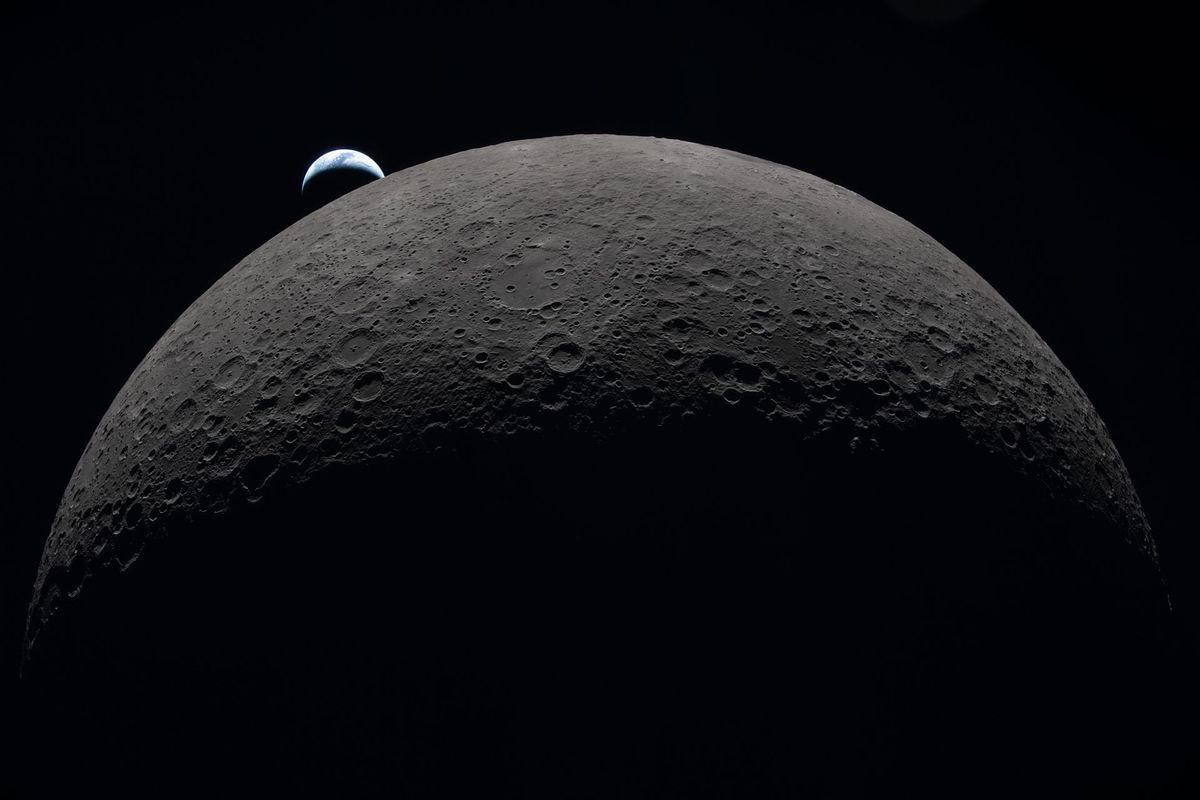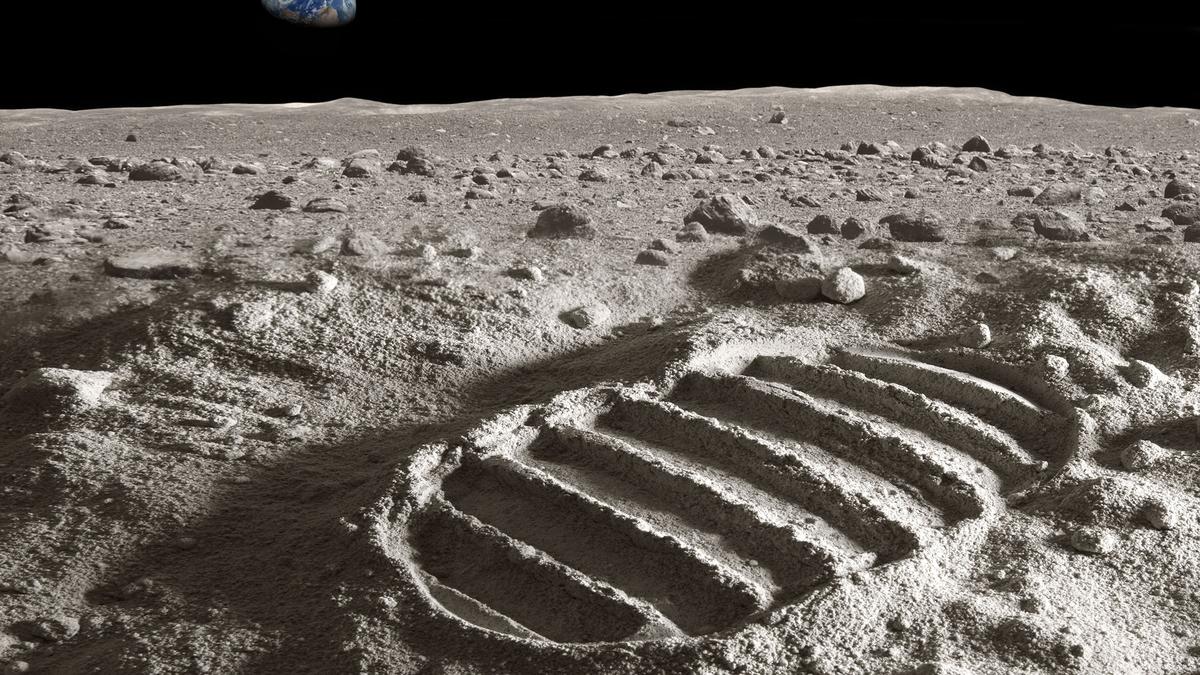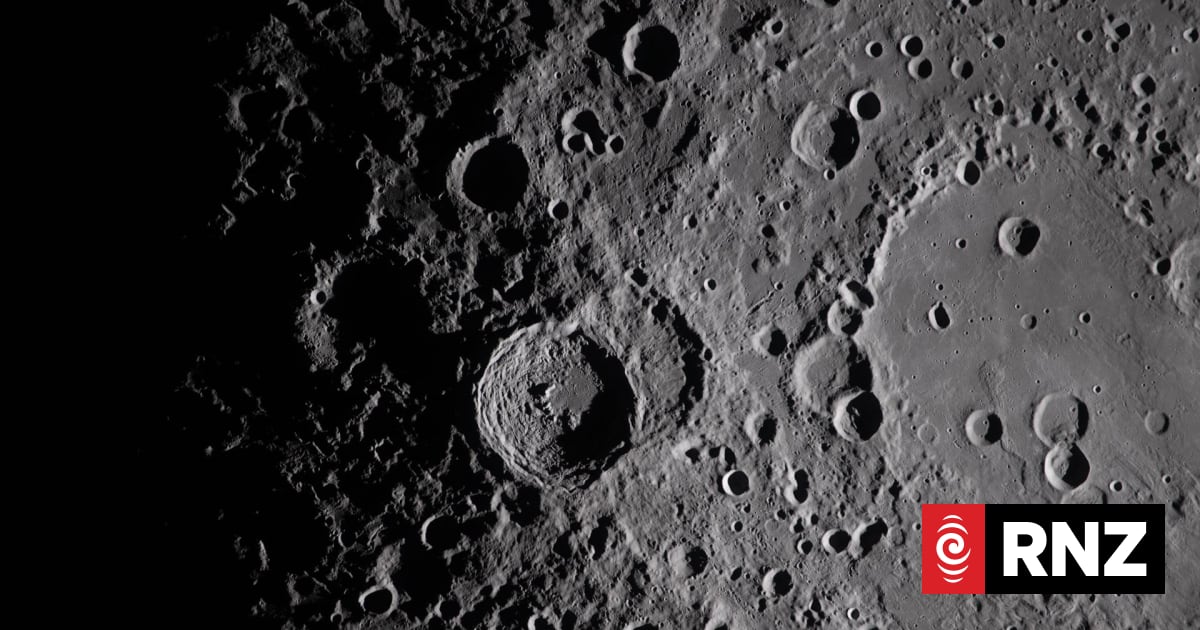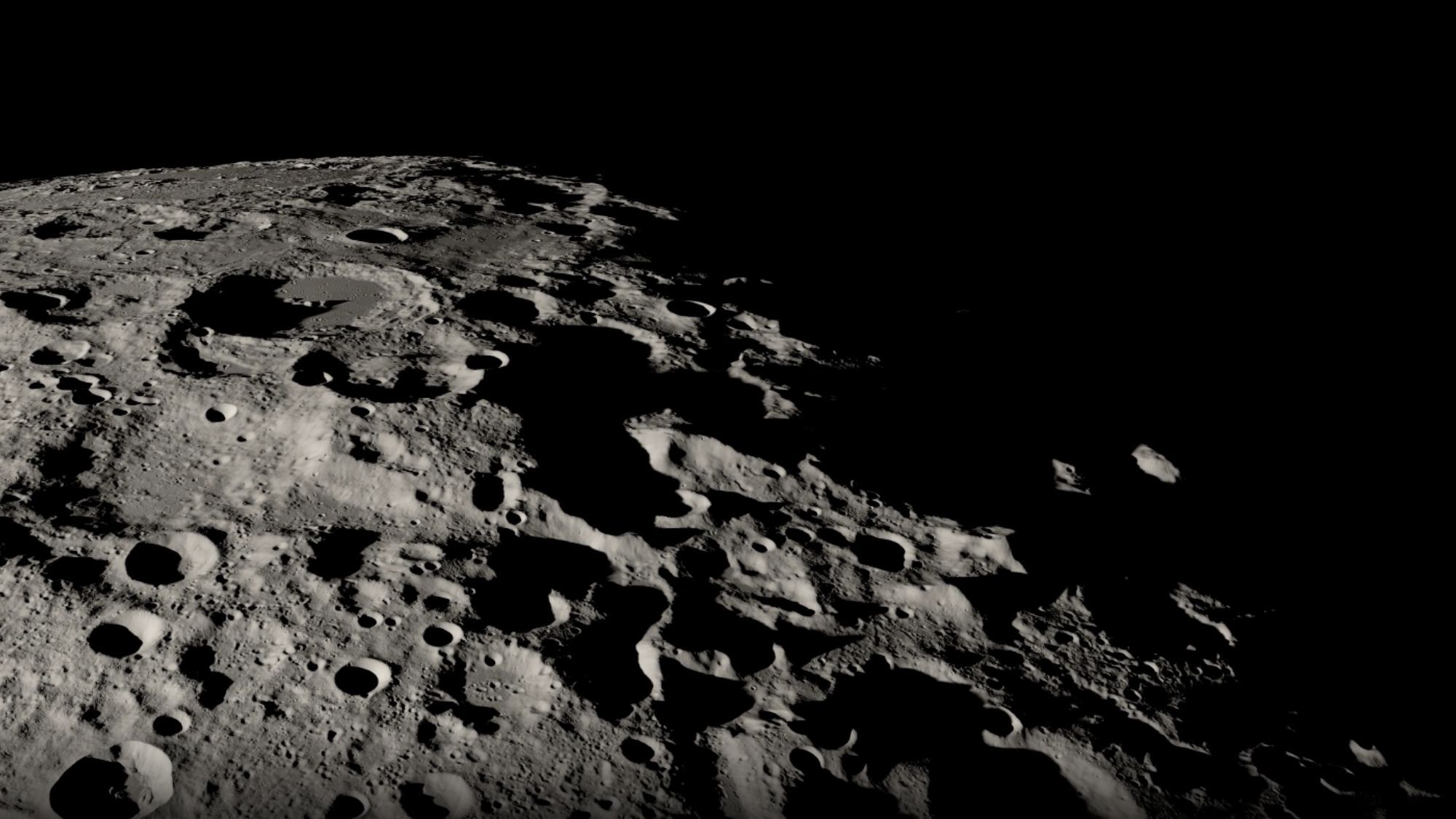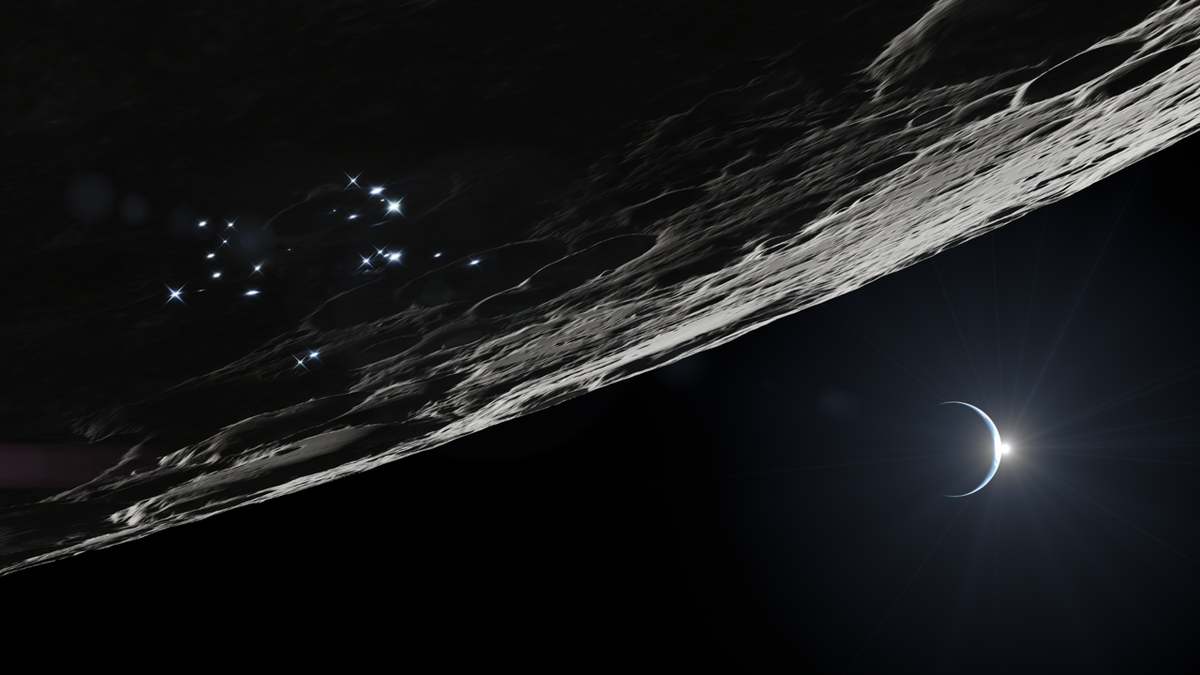
NASA scientists say some microbes carried into space by human explorers may be able to survive in sheltered, shadowed areas near the Moon's South Pole.
The findings, published on Aug. 19, 2026, in Science Advances, underscore the importance of understanding how long Earth microbes can persist in extreme lunar environments. As people establish a more permanent presence on the Moon, contamination from astronauts could make it harder for scientists to separate ancient lunar chemistry from material introduced by humans. Researchers say the same issue will matter when missions eventually search for signs of life on Mars.
"Humans are natural explorers, and with them come their voices, their memories … and their microbes," said Prabal Saxena, a planetary scientist who led the study from NASA's Goddard Space Flight Center in Greenbelt, Maryland. "For some scientists, myself included, that reality can be unsettling. But it also creates an opportunity to turn an imperfect situation into a useful experiment."
Microbial Hitchhikers Are Unavoidable
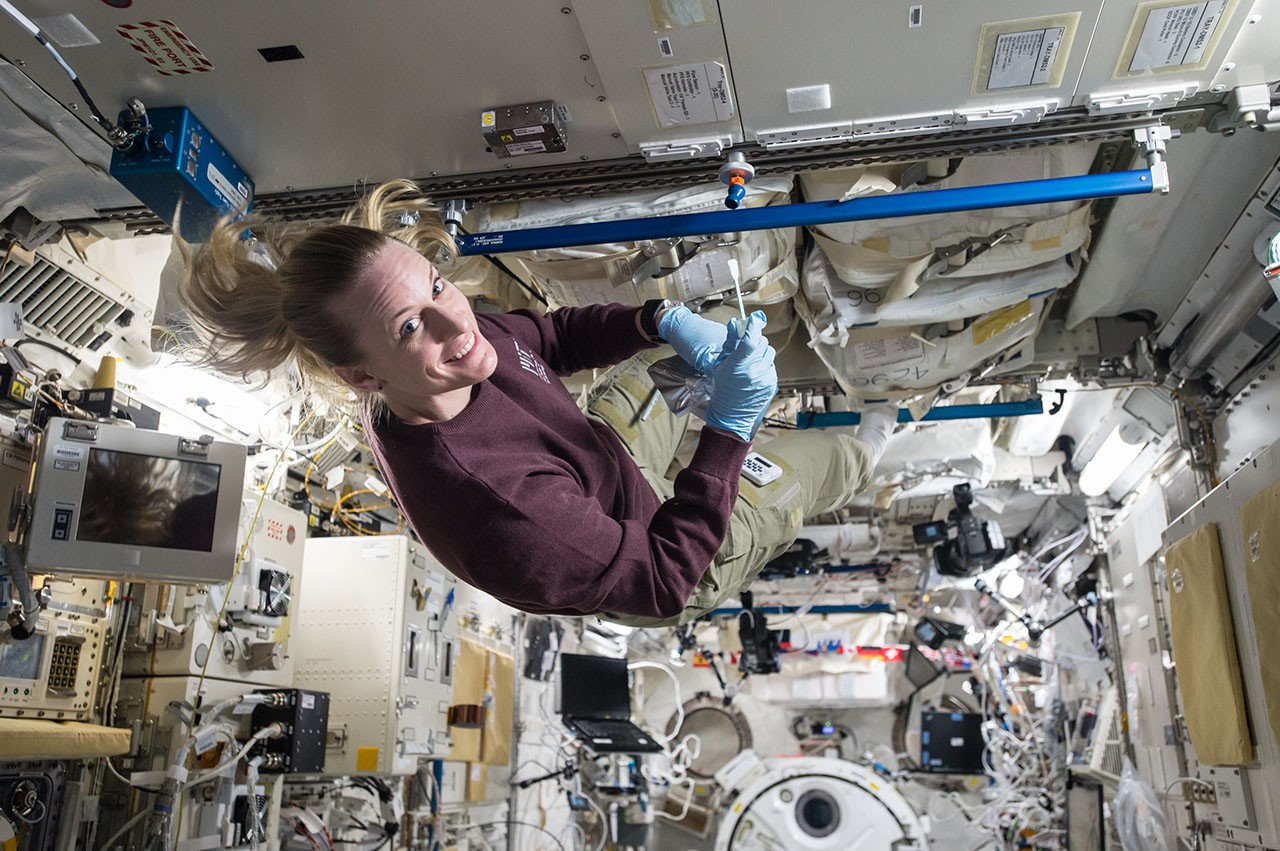
Humans inevitably carry microbes with them. On average, about 1 million bacteria live on every patch of skin roughly the size of a pencil eraser. Some of these organisms can escape from spacesuits and habitats into the surrounding environment.