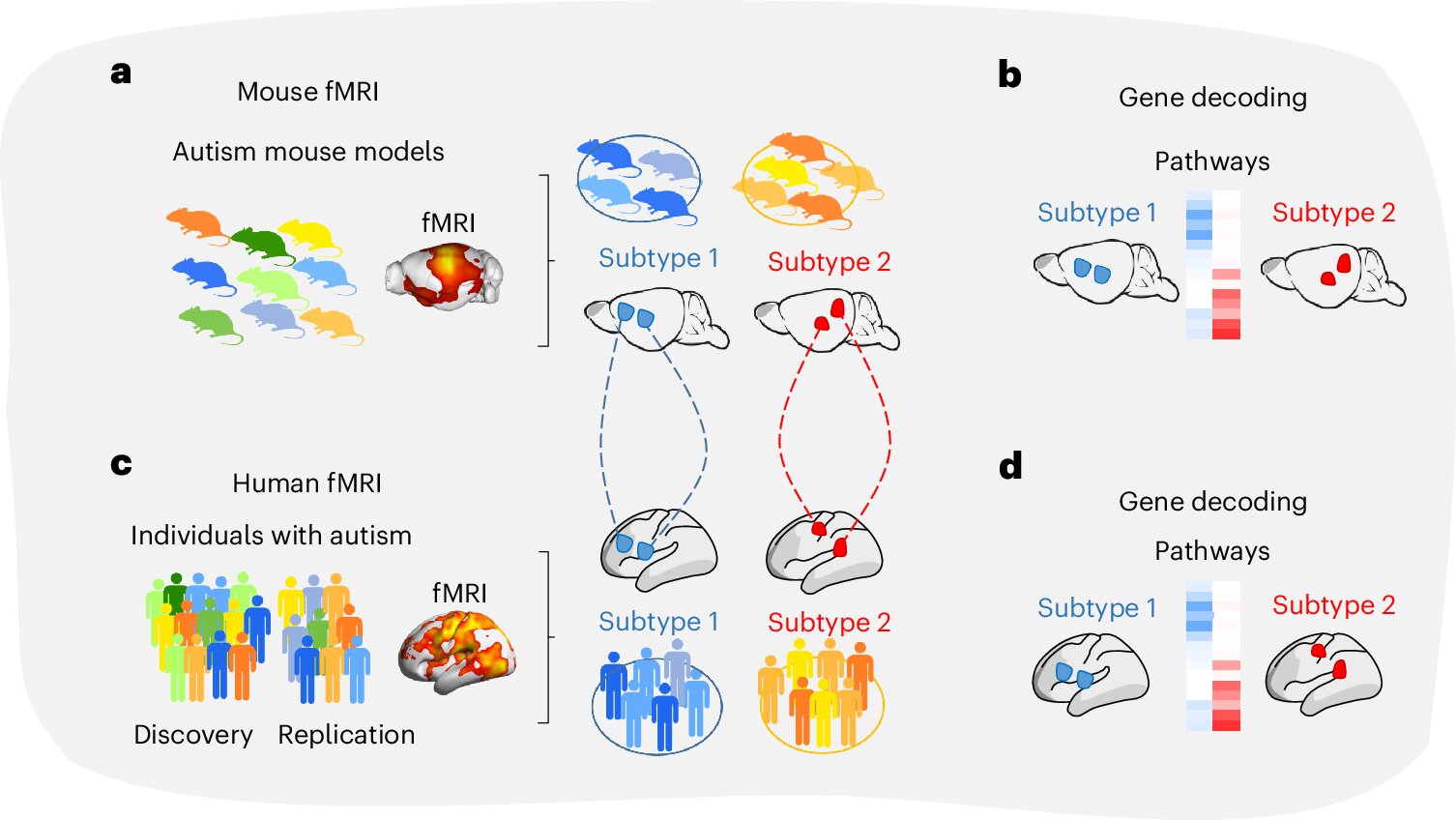
Scientists are getting a step closer to understanding exactly how autism develops in the brain – and what might work to treat it.
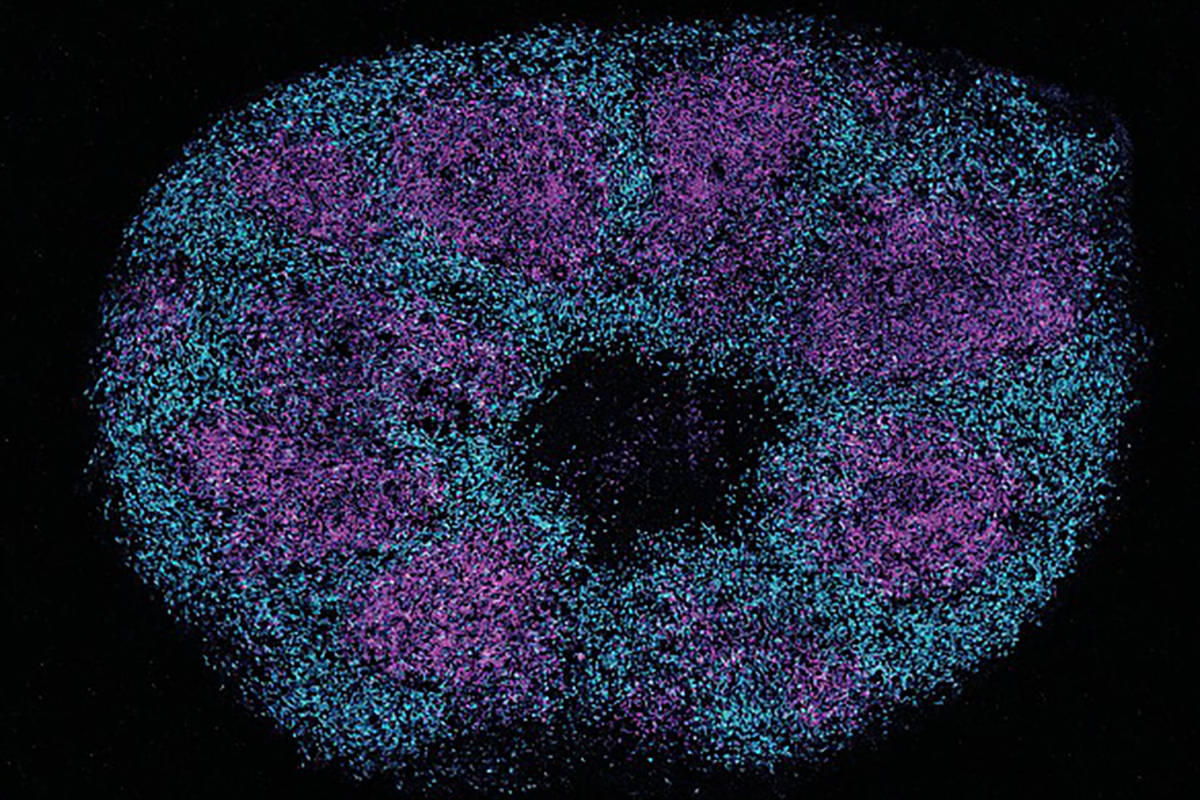
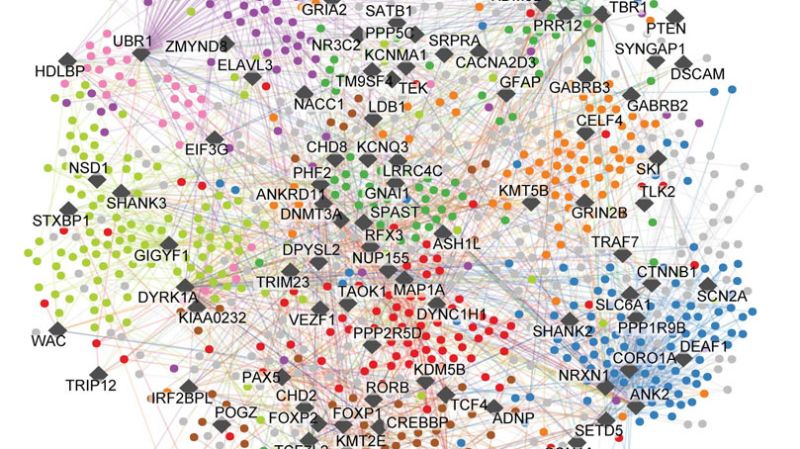
Using artificial intelligence and data on tiny brains grown in the lab, researchers have mapped out the ways in which certain genetic mutations that are associated with autism can rewire the brain and lead to the condition. The molecular map, published Thursday in the journal Science, could help inform more targeted therapies for autism.
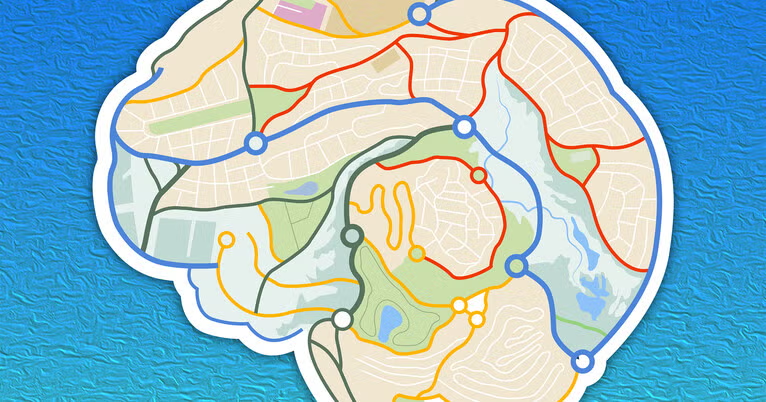
“You need this insight to ultimately develop drugs, and we’ve generated a map now that is providing essentially the molecular underpinnings of autism and pointing us in a multitude of different directions for ultimate drug discovery,” said study author Dr. Nevan Krogan, professor at the University of California, San Francisco and senior investigator at the nonprofit Gladstone Institutes
“The hope would be at some point you’d be looking back and saying, ‘Ah, this map led to X, Y, and Z, and therefore we have now the first-ever treatment to autism.’ That’s the vision, and I believe that’s going to come to fruition at some point in the future,” Krogan said.
For decades, developing effective treatments for autism has been a scientific puzzle.