UCSF QBI Creates Largest Ever Molecular Map of Autism, Opening New Paths to Precision Therapies
—Landmark study published in Science maps over 1,800 protein interactions across 100 autism risk genes, revealing how diverse genetic mutations converge on shared molecular pathways and establishing a novel blueprint for translating genetics into therapies—
For more than two decades, researchers have identified hundreds of genes that increase the risk of autism spectrum disorder (ASD). Yet multiple fundamental questions have remained unanswered: among them, how do mutations in these genes lead directly to changes in brain development and how can that knowledge be translated into more effective therapies?
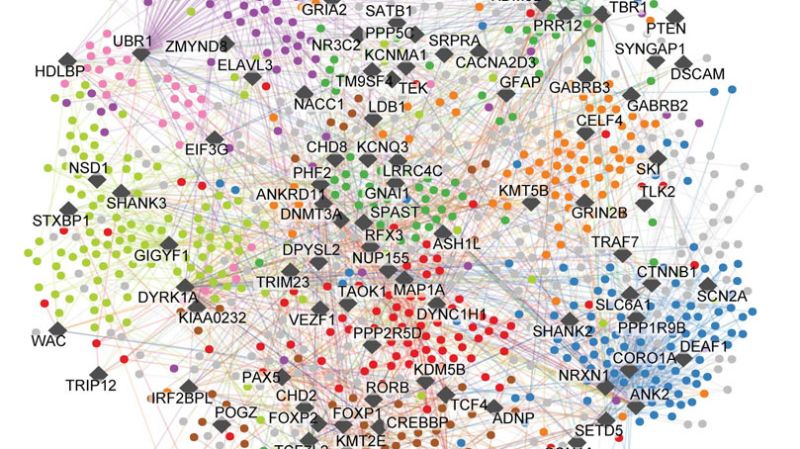
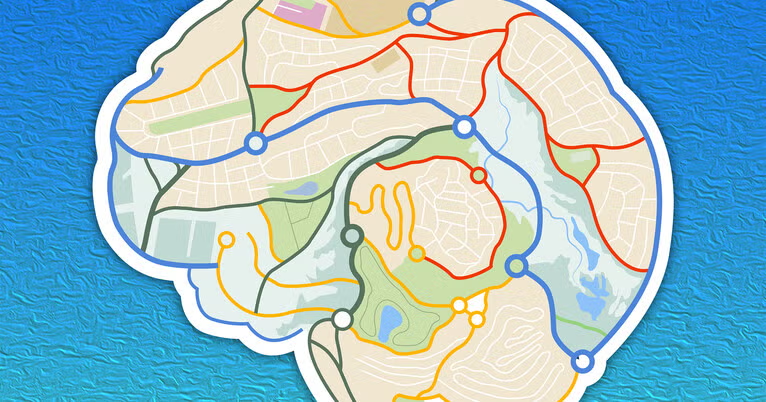
In a landmark study published today in Science, scientists at the Quantitative Biosciences Institute (QBI) and the Department of Psychiatry and Behavioral Sciences at the University of California, San Francisco (UCSF) have taken a major step toward answering both questions. The findings are the result of more than a decade of work. By building the largest-ever molecular interaction map of autism, the team revealed how hundreds of genes and dozens of mutations converge within a surprisingly small number of shared protein networks, hurdling a major roadblock to the development of new precision medicines.