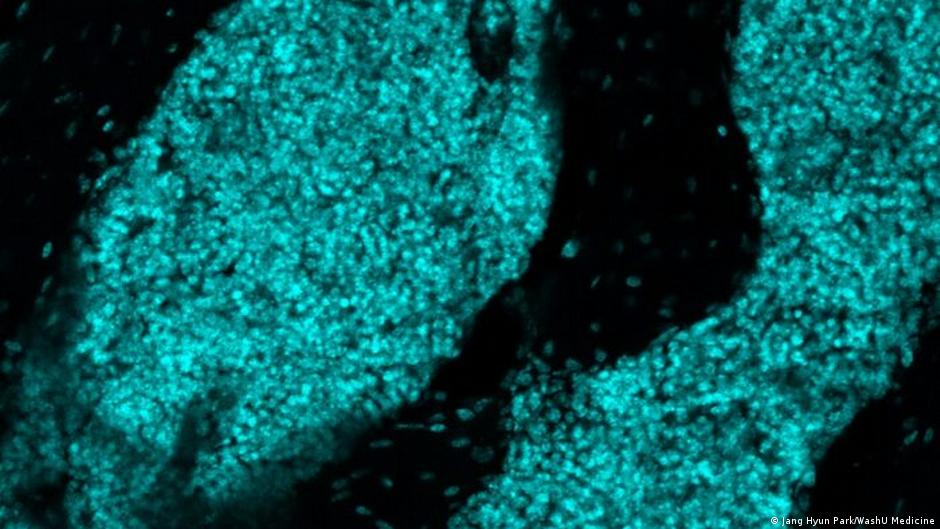
By systematically stress-testing genes across the genome in 22 million human immune cells, scientists moved beyond mere DNA sequencing to decode the dynamic circuits that govern how these genes actually work in the context of health and disease. Credit: Gladstone Institutes
Scientists from Gladstone Institutes, UC San Francisco and Stanford University, in collaboration with Biohub, have unveiled a massive, high-resolution functional map of human immune cells that promises to transform our understanding of how genetics control health and disease.
The study, published in the journal Cell, represents a landmark achievement in immunology and genomics. By systematically stress-testing genes across the genome in 22 million human immune cells, scientists moved beyond DNA sequencing to decode the dynamic circuits that govern how these genes work in the context of health and disease. This leap from observation to intervention offers a powerful new framework for designing cancer immunotherapies and treating autoimmune conditions, among other things.
"To understand the significance of this study, you have to look at the last three decades of biology," says Alex Marson, MD, Ph.D., director of the Gladstone-UCSF Institute of Genomic Immunology and a senior author of the study. "First came the Human Genome Project, which gave us the blueprint of our genes. Then, projects like the Human Cell Atlas showed us how different cells read that blueprint. Now, we're in a grand third wave: discovering what happens to cells when you make targeted changes within the genome. We finally have a way to decode the link between genetic sequence and cell state."