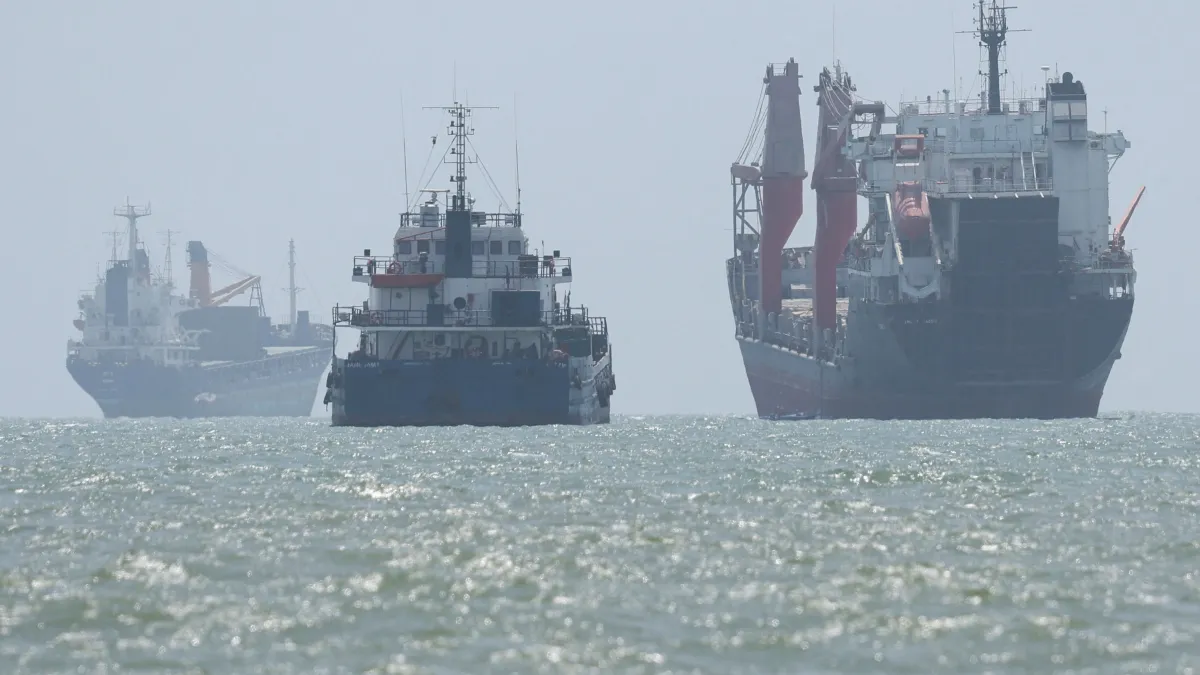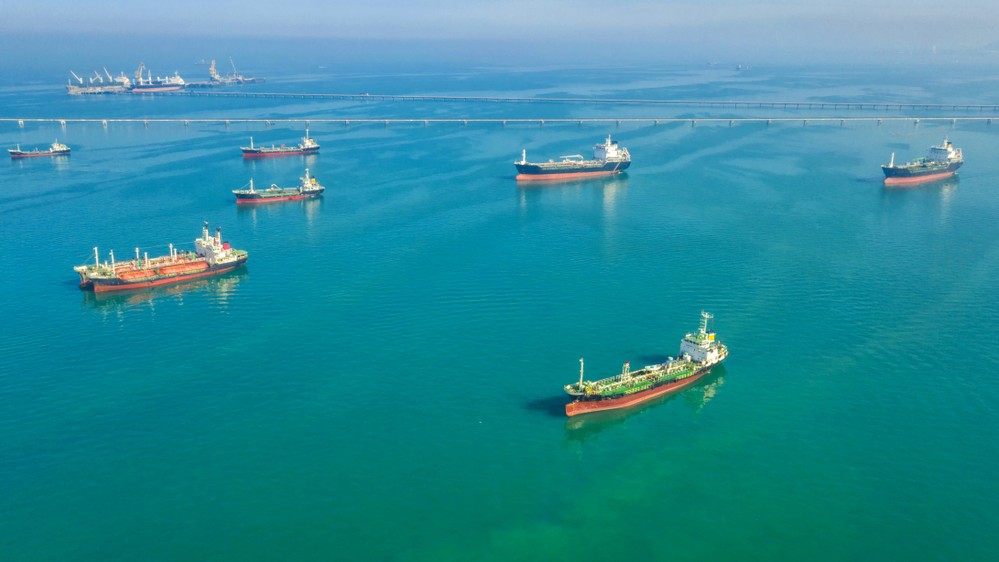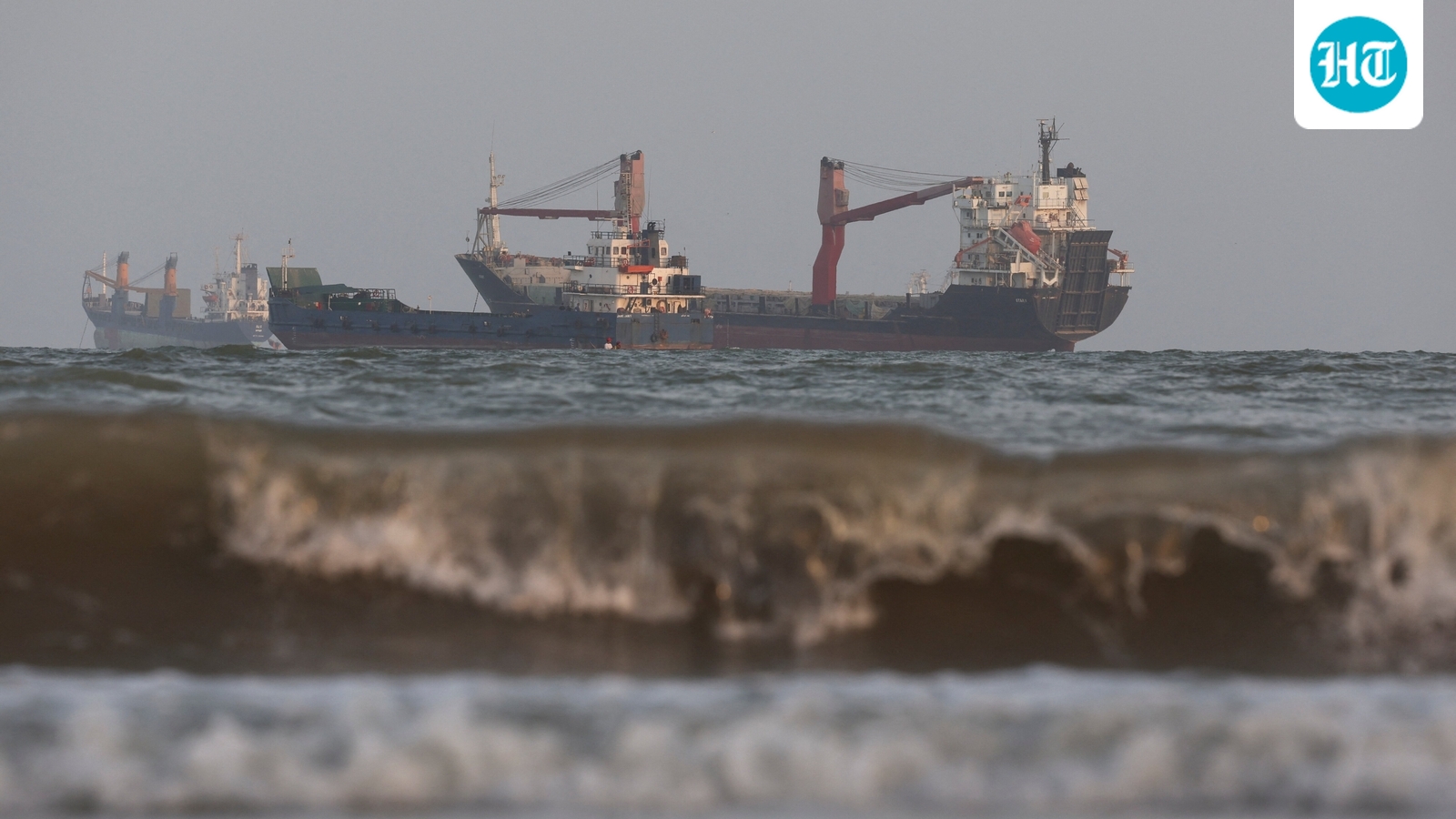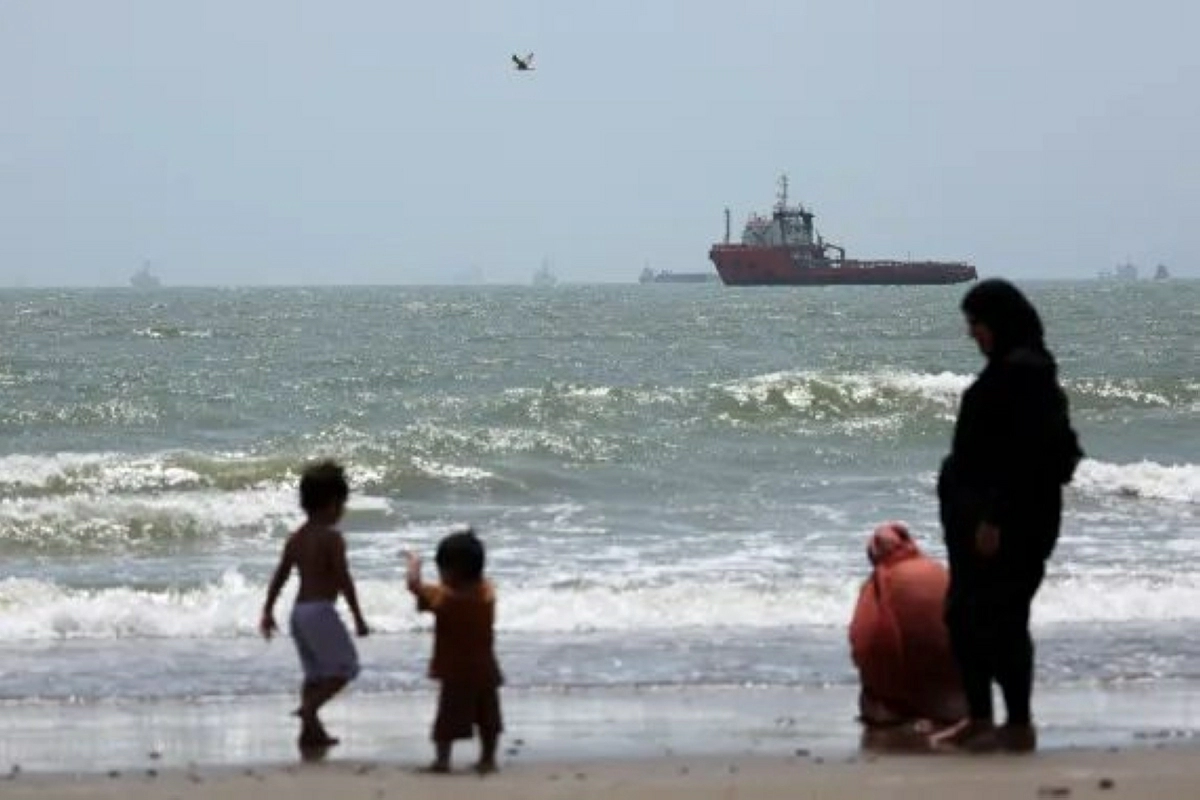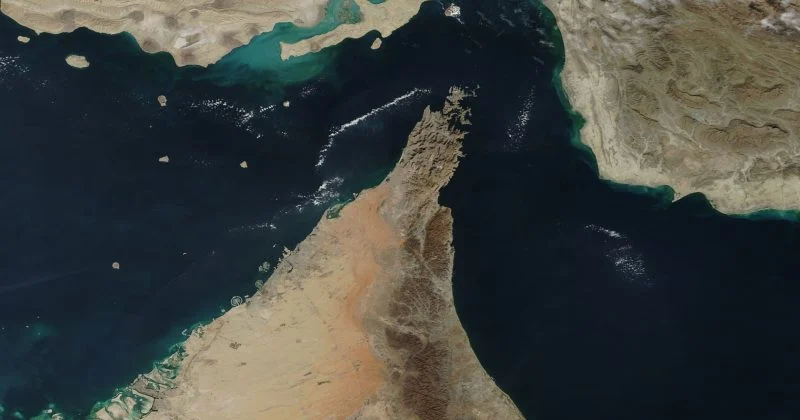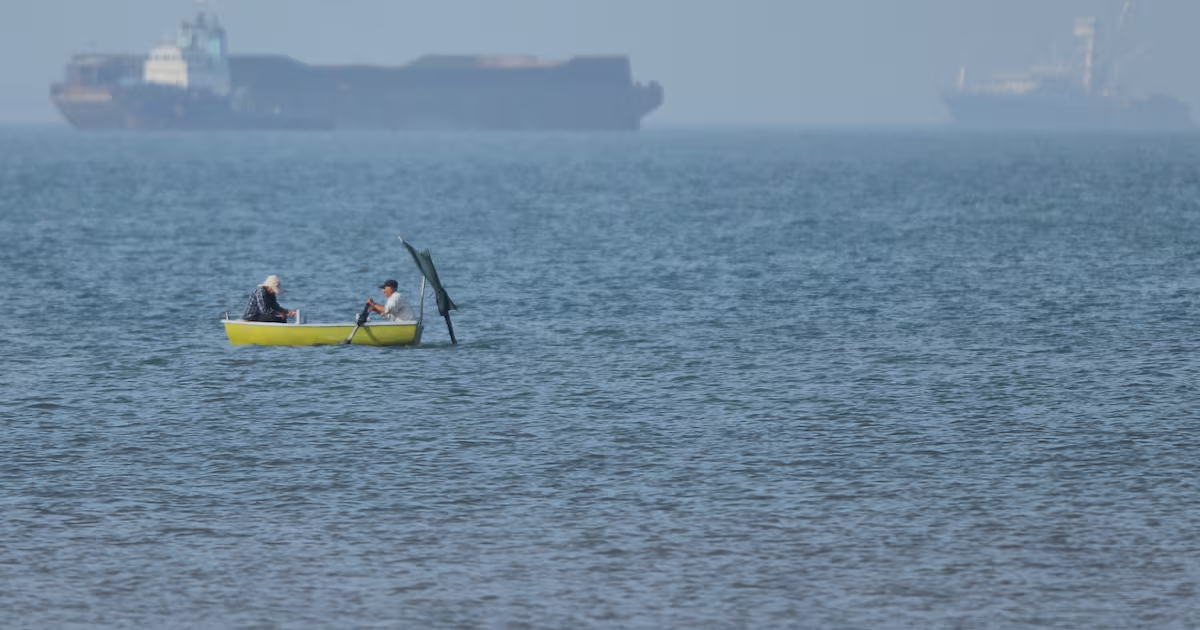
Qatar and Iran are working on a temporary joint shipping corridor through the Strait of Hormuz, the narrow waterway that roughly one-fifth of the world’s oil and liquefied natural gas passes through every day. The talks, held in Tehran on August 25, represent the most concrete step yet toward reopening a trade artery that has been severely disrupted since conflict erupted in late February.
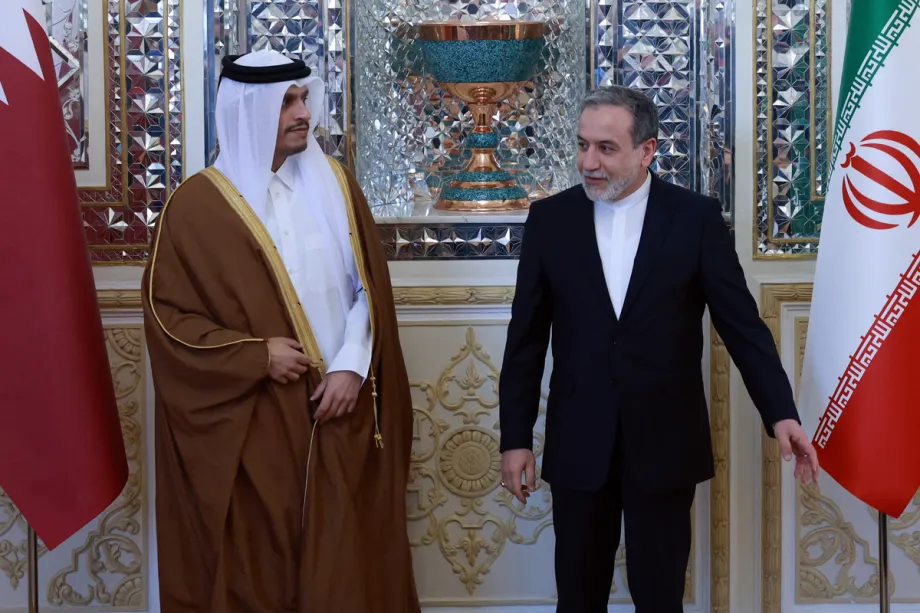
Qatar’s Prime Minister Sheikh Mohammed bin Abdulrahman Al Thani held calls with both Iranian and Omani foreign ministers to reinforce his country’s support for a diplomatic solution that ensures freedom of navigation. Two days later, on August 27, Sheikh Mohammed traveled to Tehran in person to push for de-escalation and the resumption of dialogue between the US and Iranian governments.
What’s on the table
The proposed interim framework covers three main pillars: a temporary joint shipping corridor, a coordinated mine-clearance project, and broader regional dialogue aimed at restoring conditions to what they were before February 28.
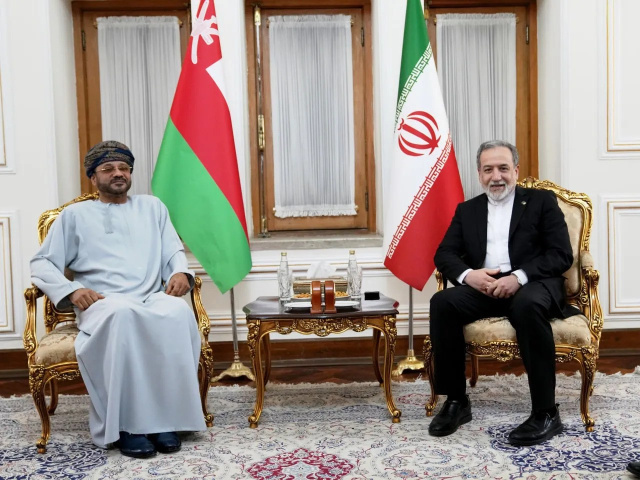
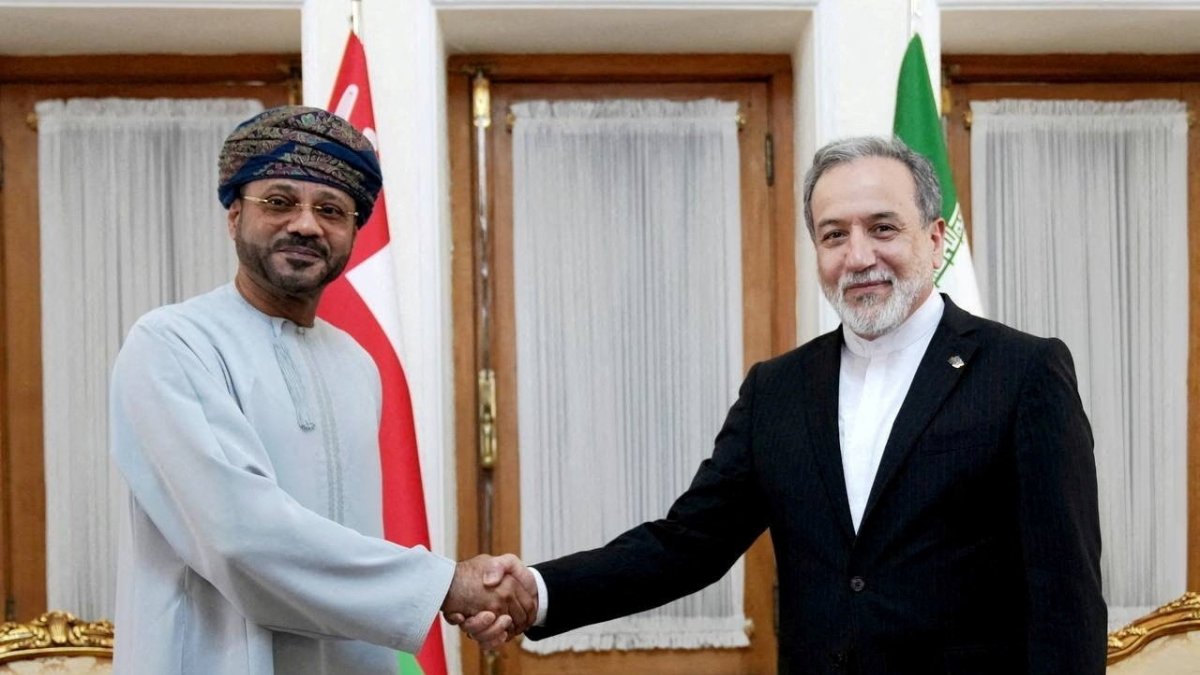
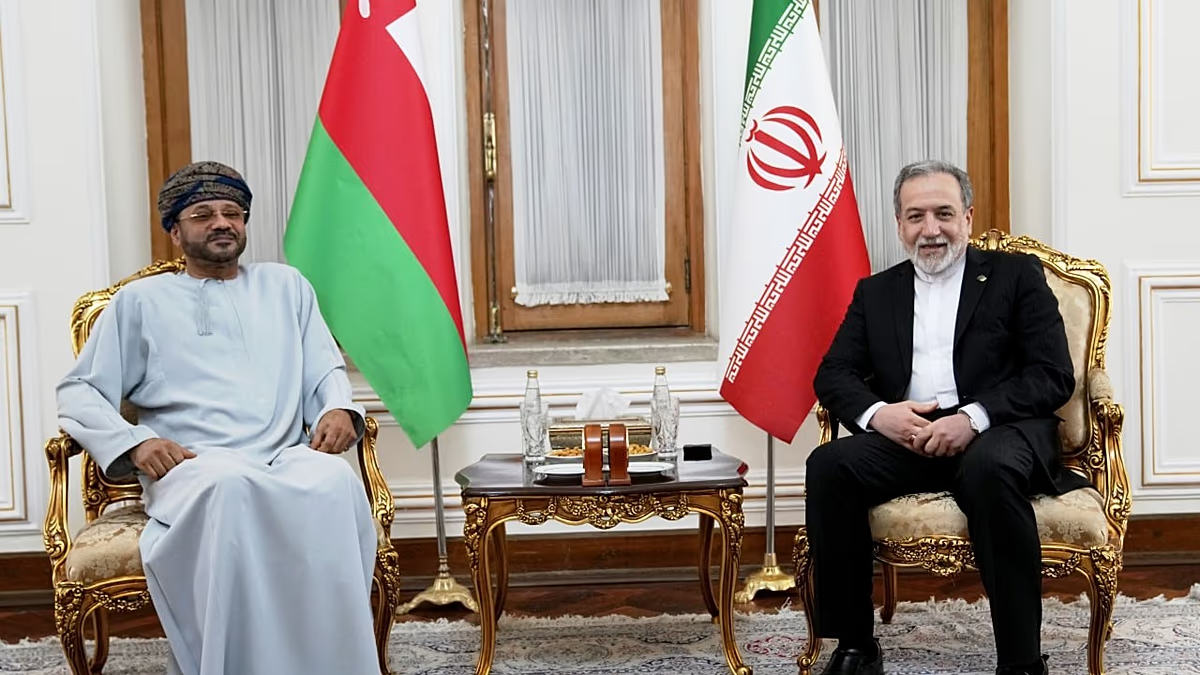
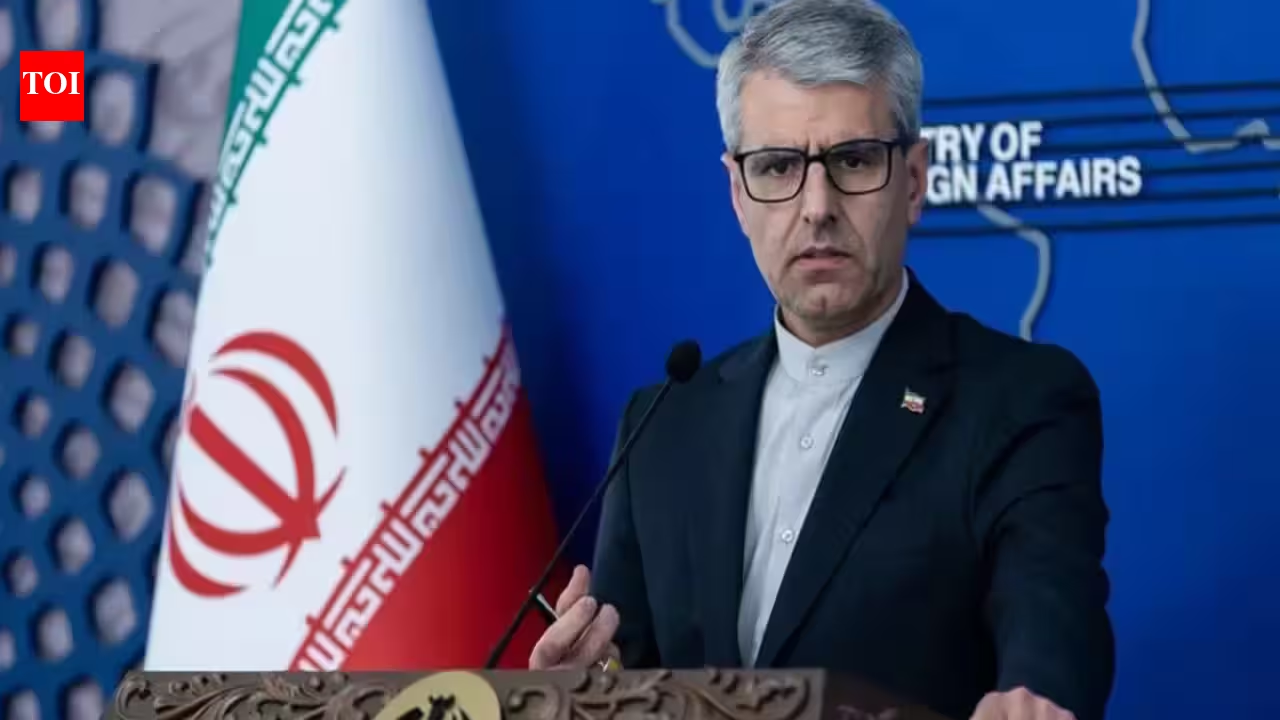
Omani Foreign Minister Badr Albusaidi and Iranian Foreign Minister Abbas Araghchi met in Tehran on August 25 to hash out a phased plan for the corridor and mine-clearance operations. Oman’s involvement is significant because it shares control of the Strait with Iran, meaning any permanent arrangement will ultimately require both countries at the table.