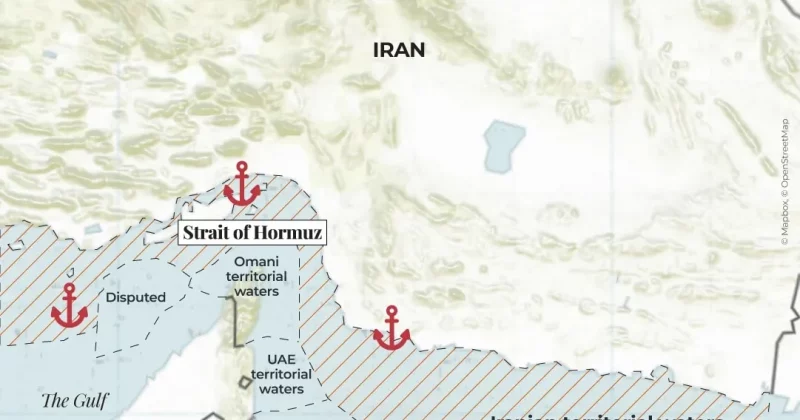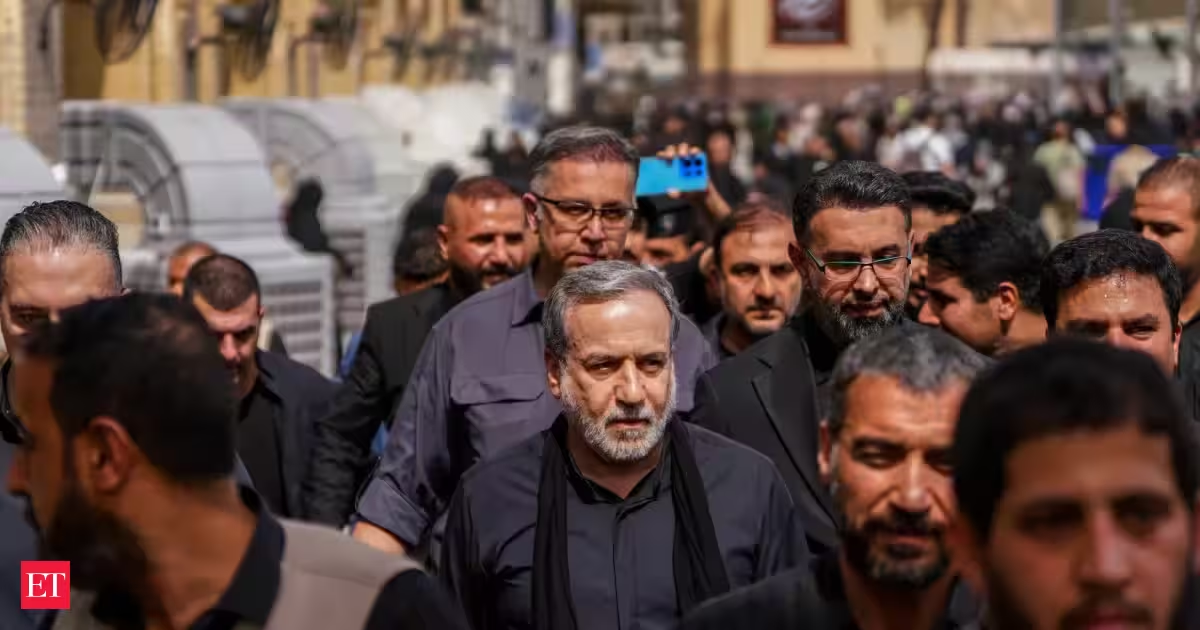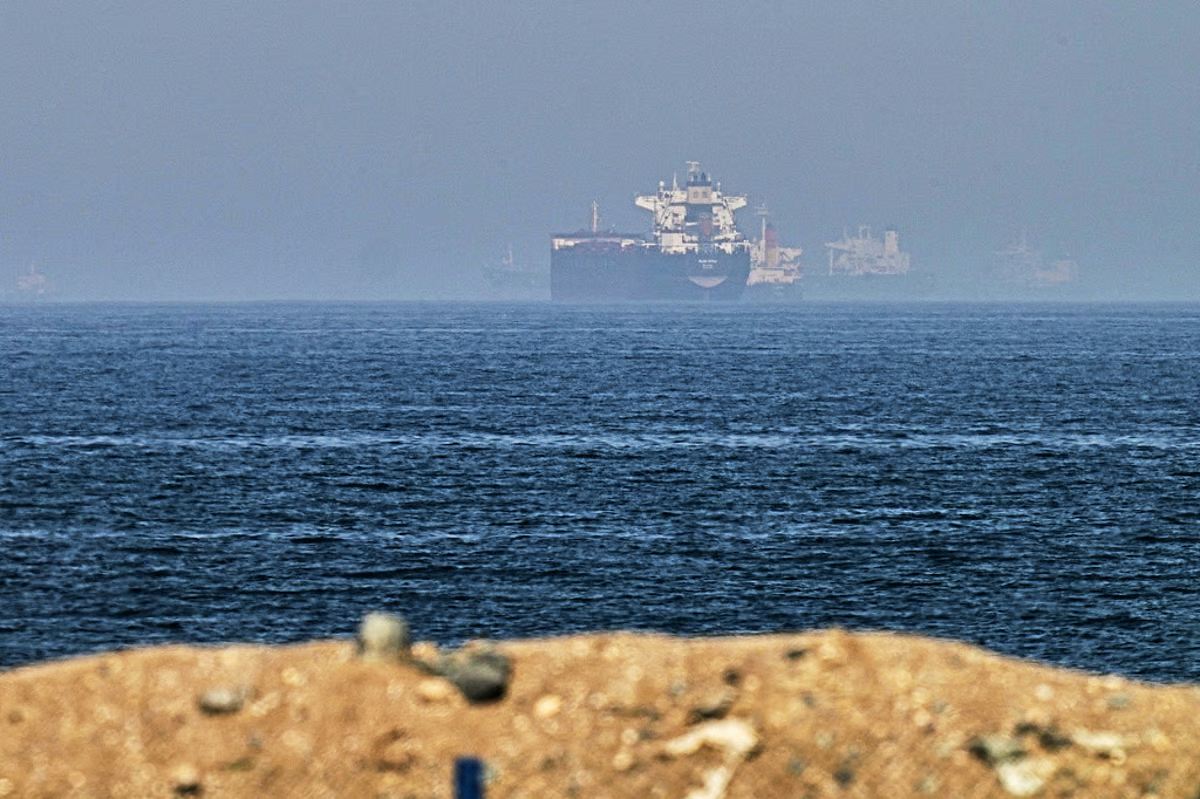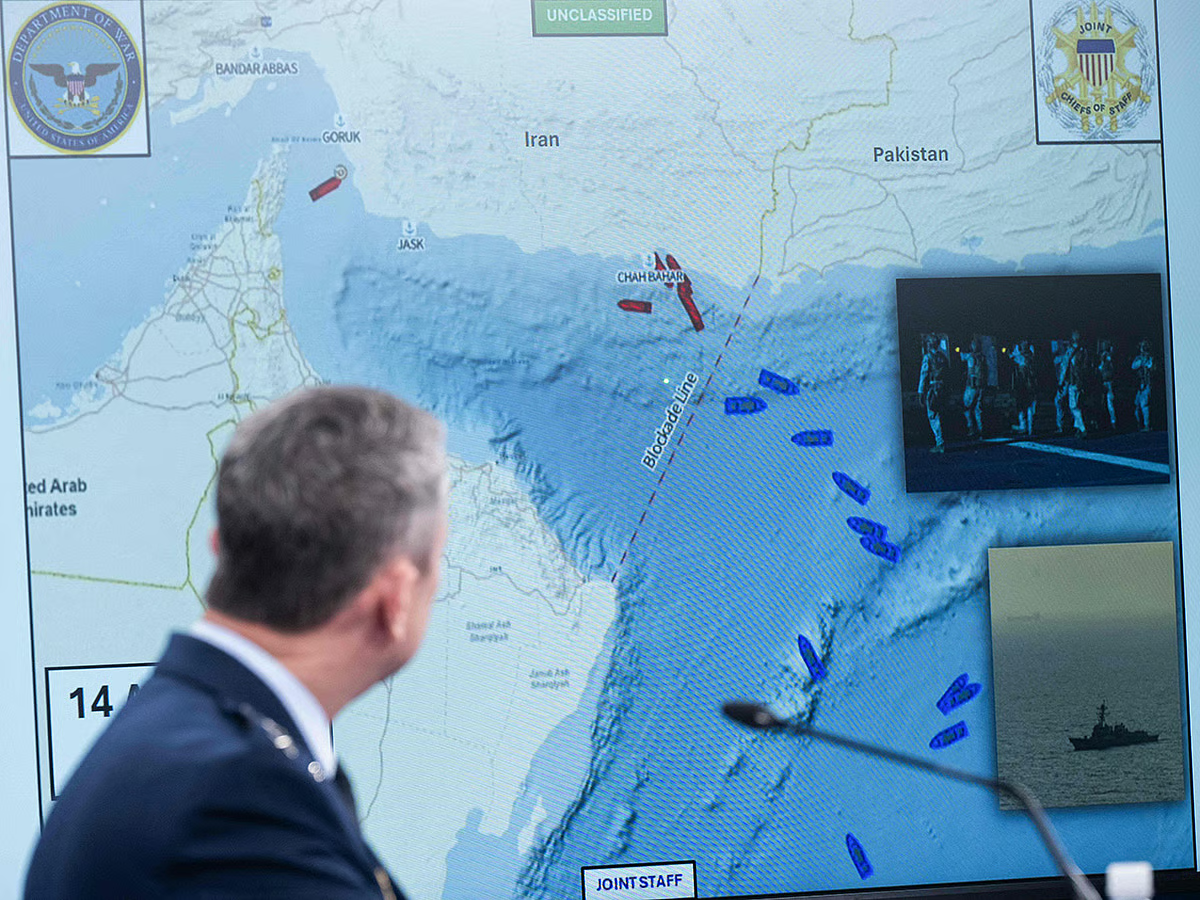
Qatar has rushed a team of mediators to Tehran in a sign that talks to open the Strait of Hormuz, in return for US sanctions and asset freezes being lifted, are reaching a climax.The aim would be to sign a memorandum of understanding on the strait that would lead to 30 days of talks on Iran’s nuclear programme, so deferring discussion of the US demand Iran hand over its stockpile of highly enriched uranium.Until now, Qatar, often seen as the most skilled mediator in the Middle East, has not been directly acting as a go-between in the US-Iran conflict, leaving the task initially to Oman and more recently to Pakistan.The head of the Pakistan army, field marshal Asim Munir, was also expected in Tehran, but Iran was playing down reports of a breakthrough. The US secretary of state, Marco Rubio, said while there had been “a little progress”, the US would not accept Iran being given a power to impose tolls on commercial shipping through the Strait of Hormuz. He said Pakistan remained the main interlocutor for the US.Iran has set up a Persian Gulf Strait Authority (PGSA) that would impose tolls, as well as direct shipping on to specific waterways. The US insists tolls cannot be an option. US secretary of state Marco Rubio said the he would not accept Iran being given a power to impose tolls on commercial shipping through the Strait of Hormuz. Photograph: Johan Nilsson/AFP via Getty Images [ Time for US to ‘put its footprint back on Greenland’, says Trump envoyOpens in new window ]Anwar Gargash, a senior diplomatic adviser to the United Arab Emirates, warned Iran might be over-negotiating, saying they “have a tendency to over-estimate their cards”.Pakistan’s interior minister, Mohsen Naqvi, met the Iranian foreign minister, Abbas Araghchi, for the second time in two days on Friday morning.It is thought Pakistan might try to bring in China as a guarantor of any deal. Pakistan’s prime minister, Shehbaz Sharif, is due in Beijing on Saturday.Iran has emphasised it is seeking to postpone all talks on its nuclear programme and focus instead on a permanent cessation of hostilities, which it hopes will include a phased lifting of US sanctions, the unfreezing of frozen Iranian assets, compensation for US-Israeli war damage, and commitments not to resort to force in future. The future management of the Strait of Hormuz is a key point of dispute, with Pakistan floating plans for joint control under UN auspices.Pro-government demonstrators in Tehran this week. Photograph: Vahid Salemi/AP Five Gulf states have written a letter to the International Maritime Organisation, a global shipping watchdog, urging merchant and commercial ships not to engage with the PGSA.The list of signatories is Bahrain, Kuwait, Qatar, Saudi Arabia and the UAE. It does not include Oman, but Oman, which under the proposal would be the authority on the south side of the strait, is wary of Tehran’s proposal.In their letter, the five states warn: “Iran’s purported route should be seen for what it is, an attempt to control traffic through the strait by forcing vessels to use a route within its territorial waters, which can be exploited for monetary gain through the imposition of toll fees. Any understanding or recognition of Iran’s proposed route and PGSA as an alternative would set a dangerous precedent.”At a Nato foreign ministers meeting in Sweden, Rubio said: “Iran is trying to create a tolling system. They’re trying to convince Oman ... to join them in a tolling system in an international waterway. There is not a country in the world that should accept that.”He again expressed his disappointment at Europe’s refusal to do more to keep the strait open.Meanwhile, analysts argue much of what US administration officials say about the status of the talks has to be filtered through Washington’s need to massage the global price of oil down. – Guardian[ US House Republicans cancel vote to end Iran warOpens in new window ]
Qatar sends mediators to Tehran as talks to reopen Strait of Hormuz reach climax
Iran has threatened to impose tolls on shipping, while US demands that Iran hand over its highly enriched uranium may be deferred
655 words~3 min read