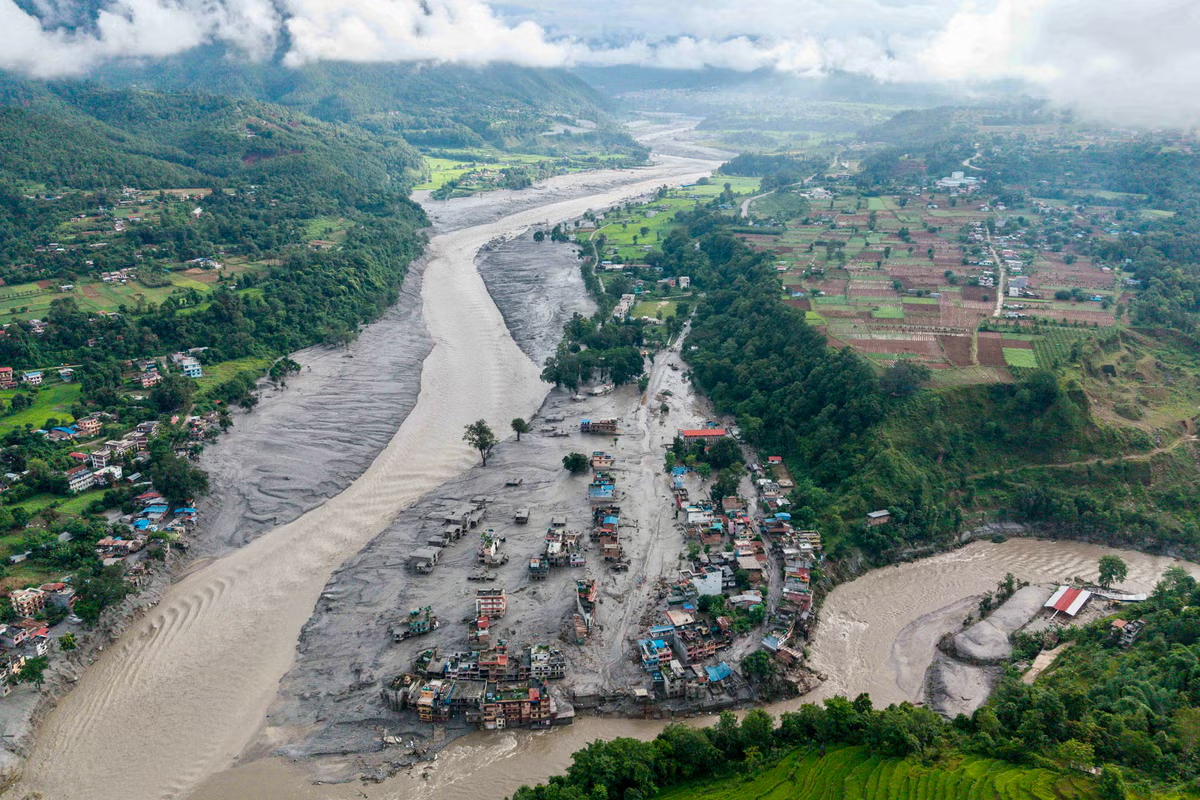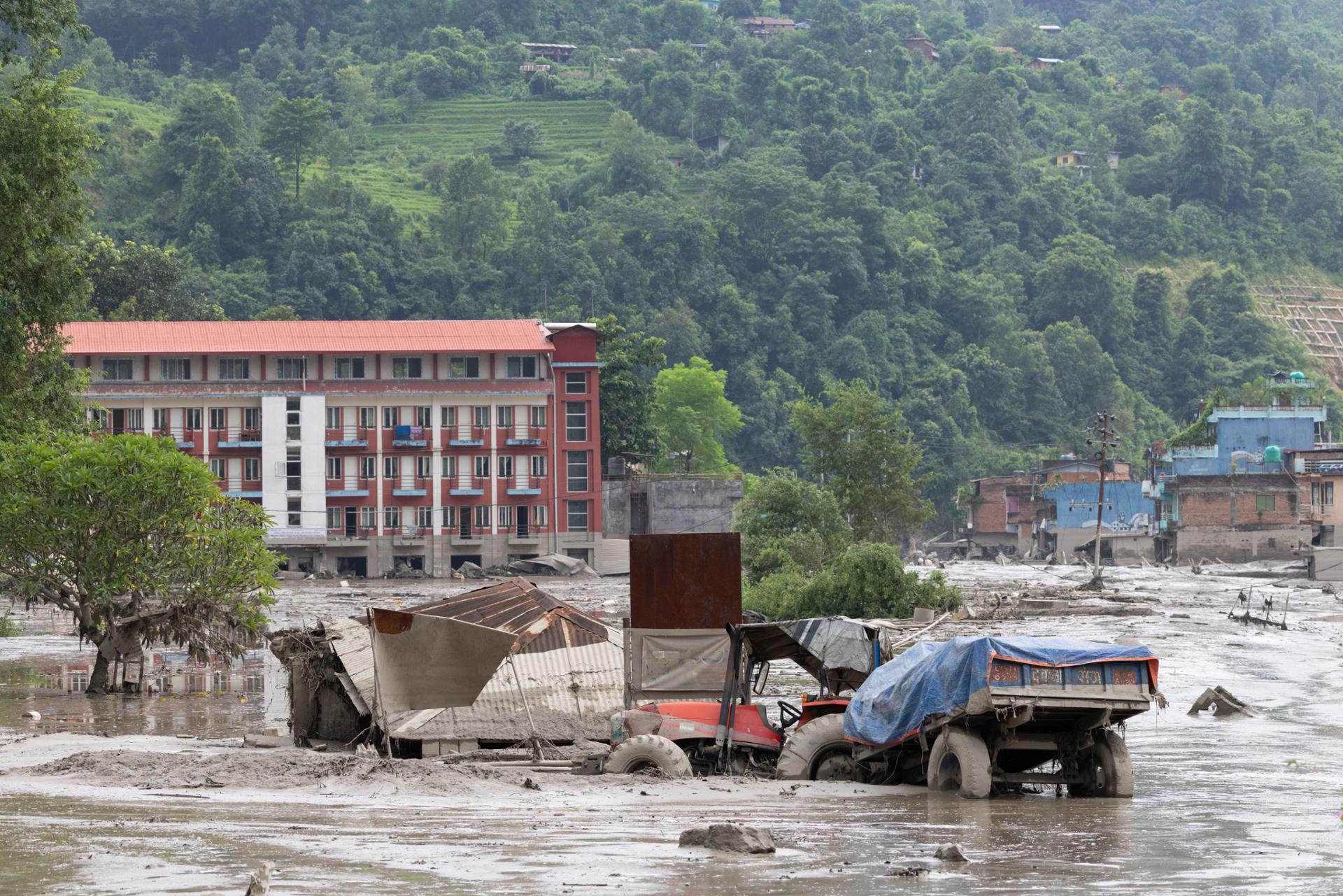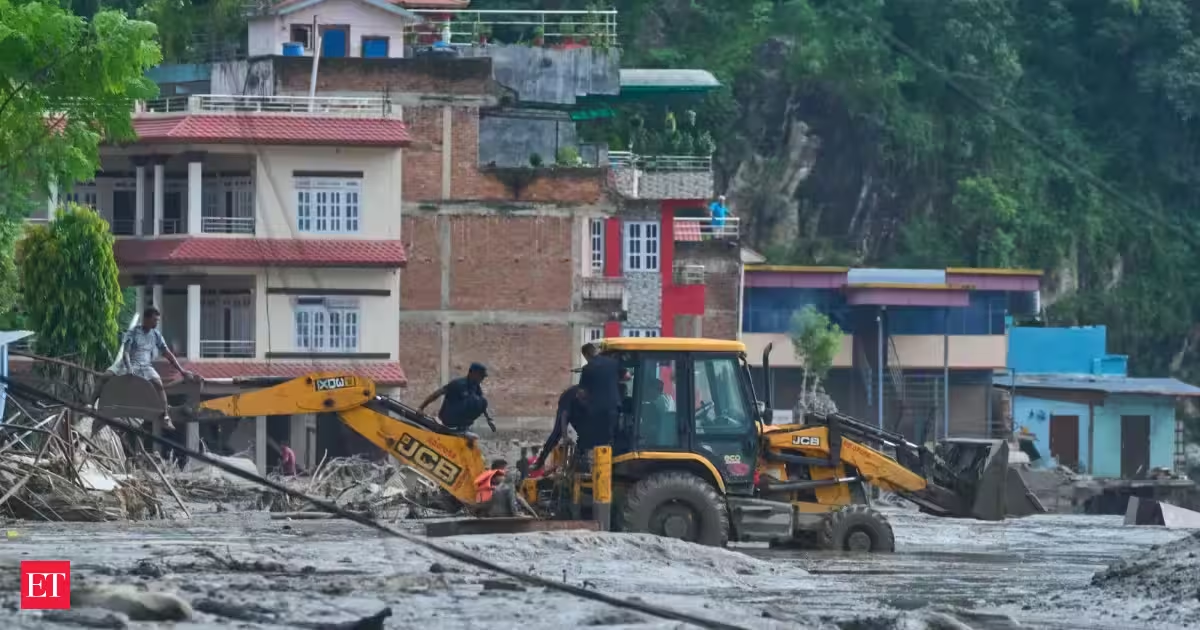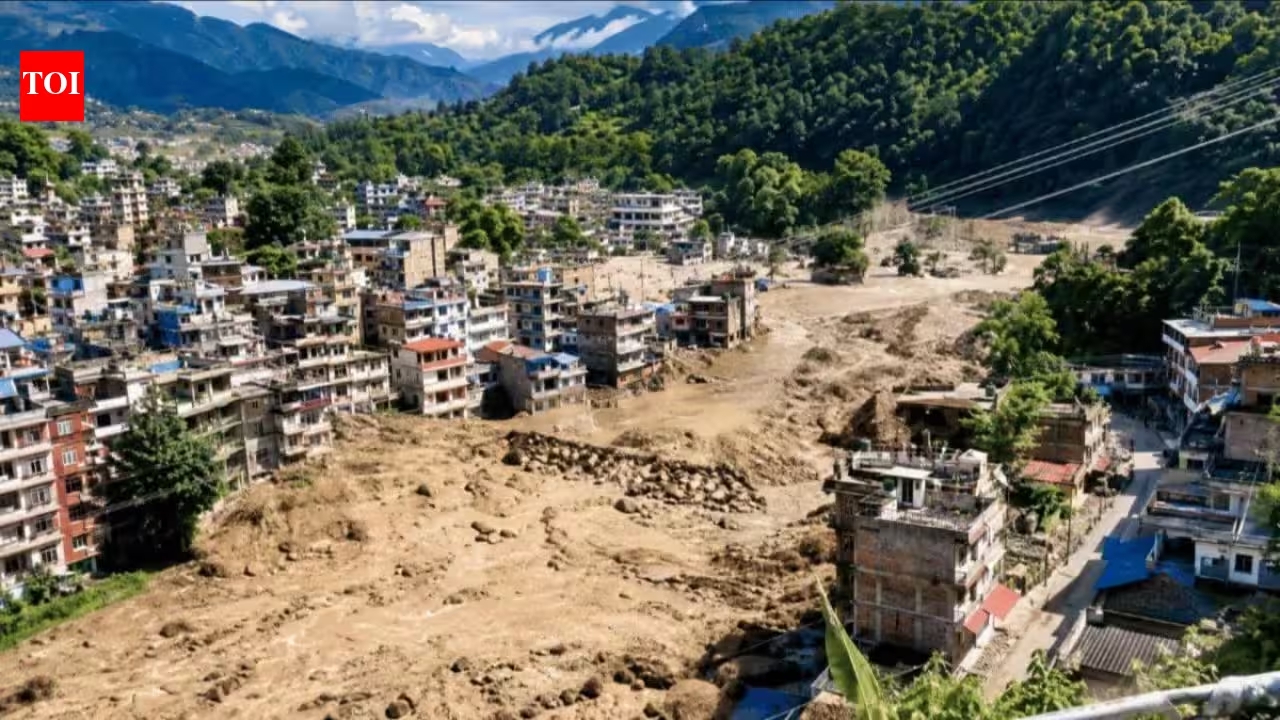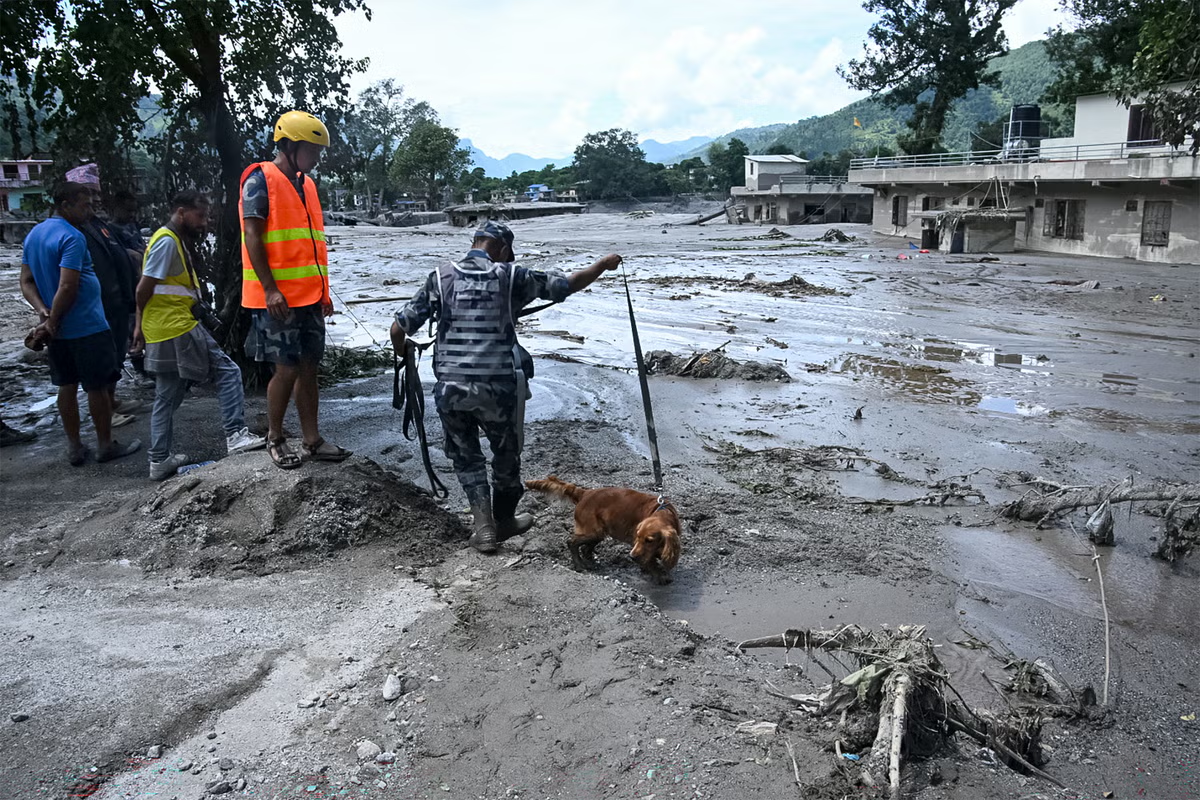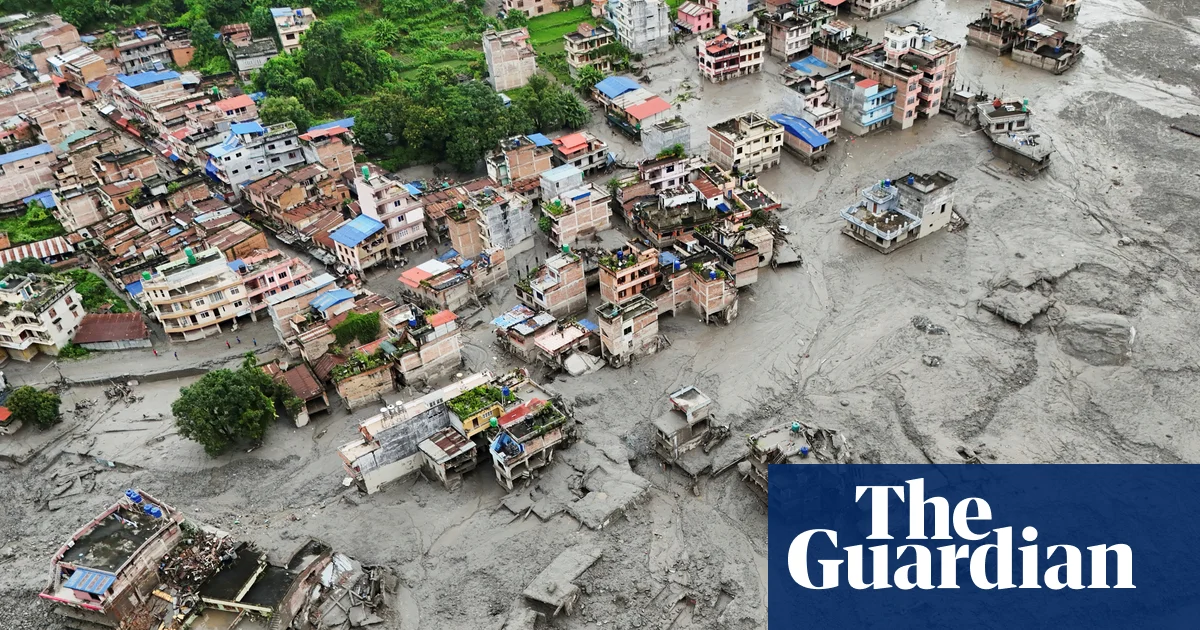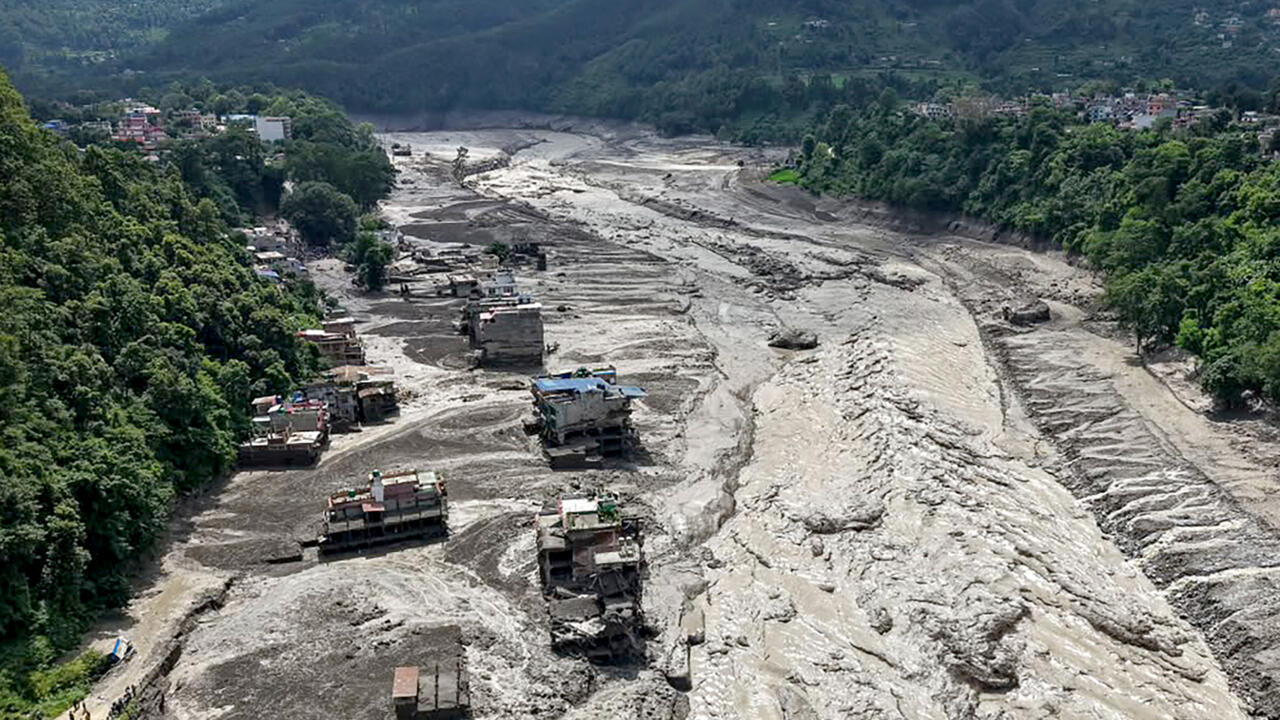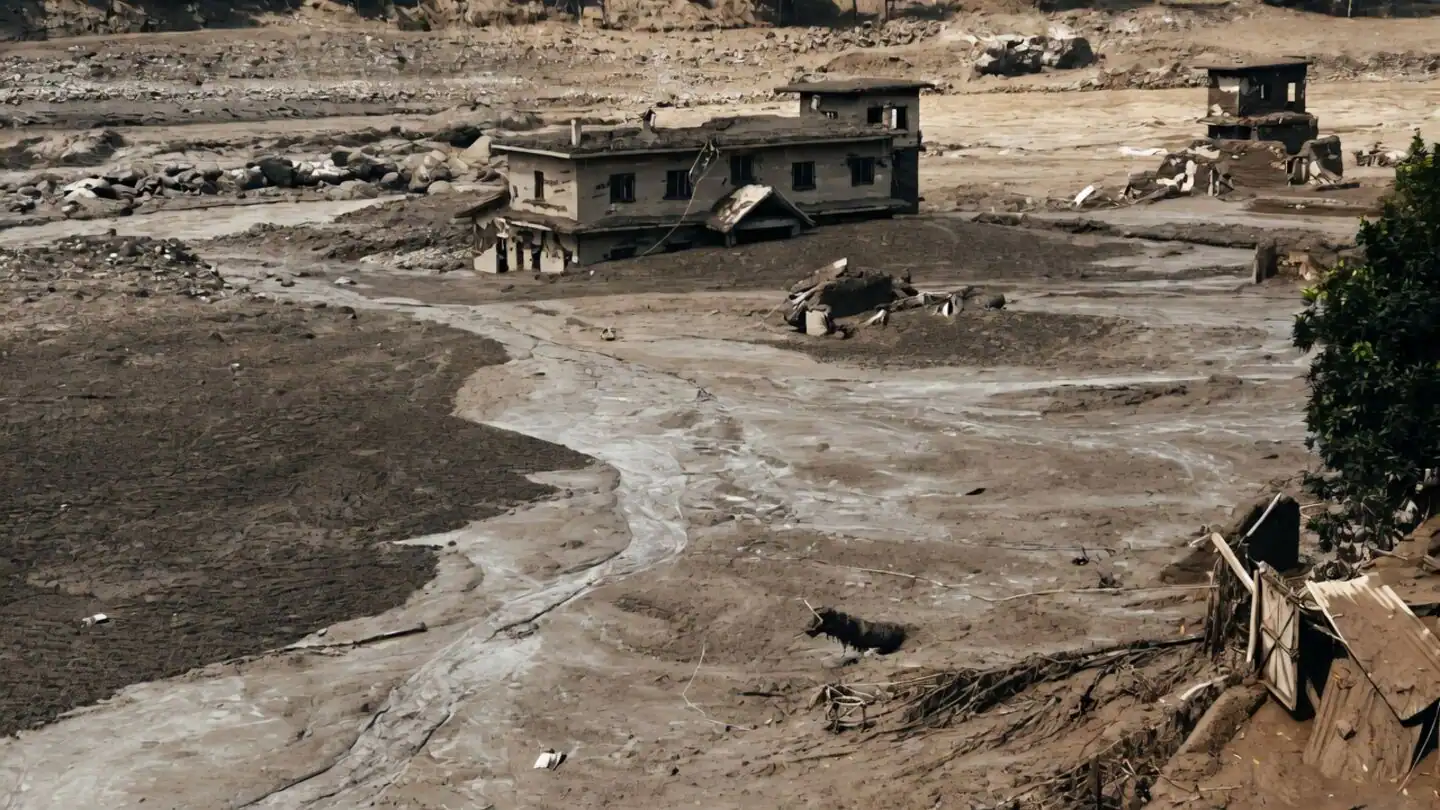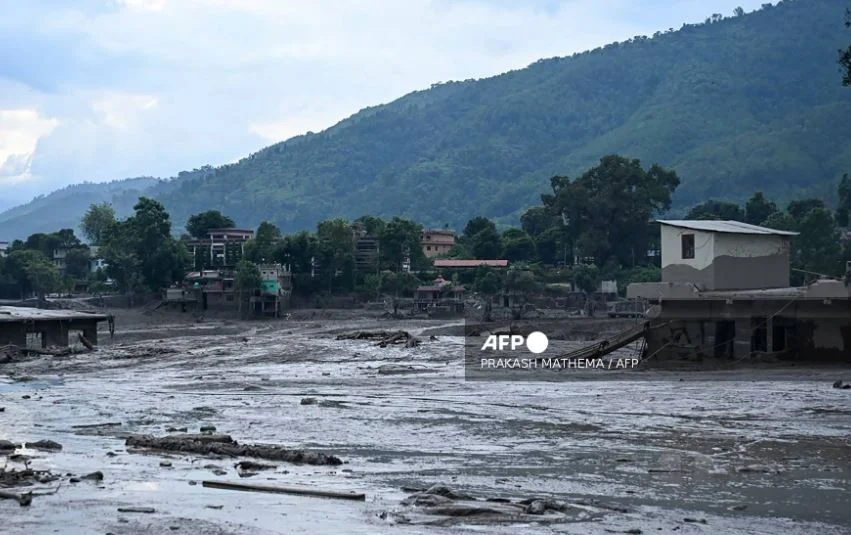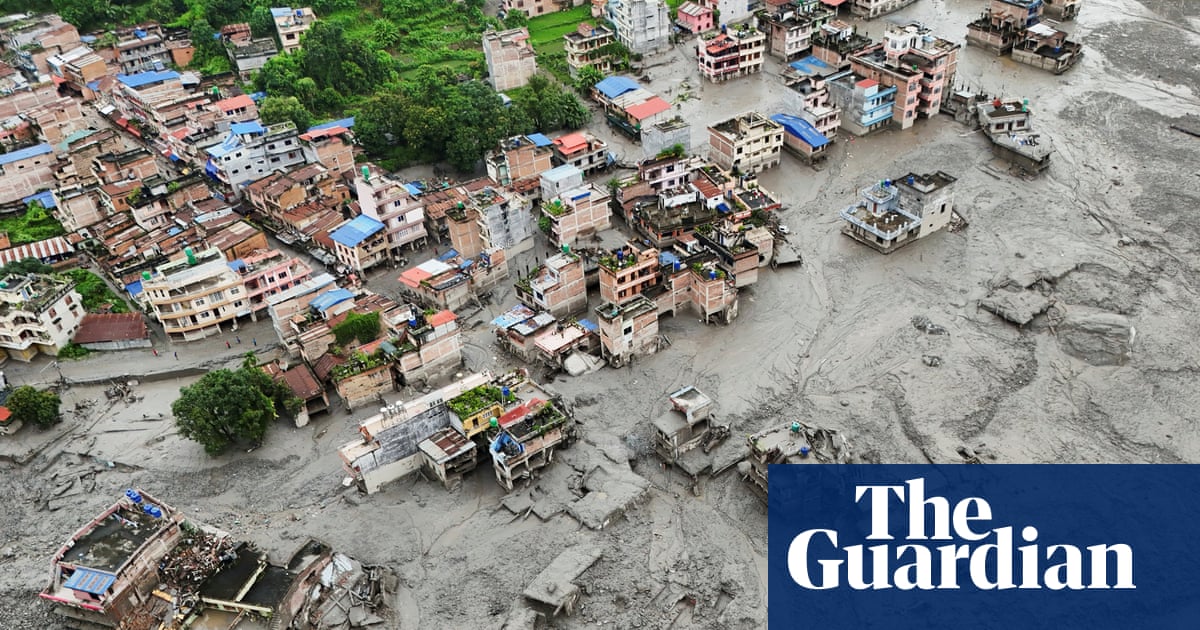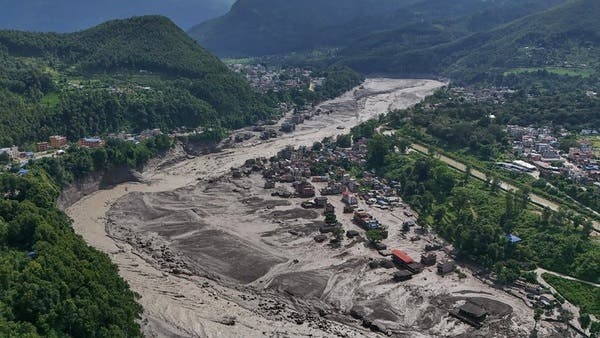
Initial investigations conclude that a ‘glacial collapse’ caused the flash flood on the Nepal-Tibet border on Wednesday, that has killed at least 177 people with over 1500 others unaccounted for.Early reporting suggested an earthquake had caused a landslide into the Lhednde Khola rive in Nepal leading to the flooding.For all the latest headlines, follow our Google News channel online or via the app.However, the US Geological Survey has confirmed that the disaster was caused by a glacial collapse. This happens when a glacier or part of a glacier disintegrates. The impact of the debris hitting the bottom of the valley was so powerful that it registered a magnitude of 5.2 on the Richter scale, according to the USGS.The magnitude registered is equivalent to a moderate earthquake, explaining the reporting of seismic activity.Dr. Simon Cook, a glacier expert with the University of Dundee, told the BBC his team had detected that the lower part of a glacier 15 kilometers west of the site of the floods had collapsed.A glacier is a large mass of ice formed over thousands of years from compacted snow that slowly flows downhill under its own weight. Glaciers also contain large volumes of rock and sentiment. They slowly carve out mountain landscapes as they advance, carrying large volumes of eroded material.The collapse of this large section of glacier in a steep upland area caused what was effectively an ice-rock avalanche. This large volume of ice and rock debris entered the Lende Khola, a tributary of the Bhote Koshi river, which in turn caused a sudden surge in the river carrying water, sediment and large boulders downstream.An analysis by the International Center for Integrated Mountain Development (ICIMOD), an intergovernmental scientific institution found that water levels in rivers downstream rose between seven to nine meters within a span of 30 minutes, and several water monitoring stations were washed away.The areas river valleys are flanked by are made up of steep mountains that prohibit lateral runoff and channeled the flow of debris and water at a very quick pace, as shown in videos of the flood event.Scientists for years have warned of melting ice and permafrost in the cryosphere – the frozen parts of the world – caused by warming temperatures due to culminative human emissions of greenhouse gasses over the last two hundred years.While it is unclear what was the exact trigger for the collapse in Nepal on Wednesday, a warming planet causes glaciers and permafrost to melt at an increasingly quick rate. Cook explained to the BBC that “you are going to get more landslides, debris flows, glacial meltwater, lake outbursts, glacier collapses, because climate warming ultimately destabilizes these high mountain environments.”An ICIMOD report earlier this year found that Himalayan glaciers in the Hindu Kush were losing ice at double the rate since 2000. This exacerbates dangers such as flooding.In 2021, a glacial collapse in Uttarakhand, northern India, caused a flash flood that killed 200 people, swept away one hydropower project and seriously damaged another.
Glacier collapse behind Nepal floods registered like a 5.2-magnitude earthquake
Initial investigations conclude that a ‘glacial collapse’ caused the flash flood on the Nepal-Tibet border on Wednesday, that has killed at least 177
497 words~2 min read