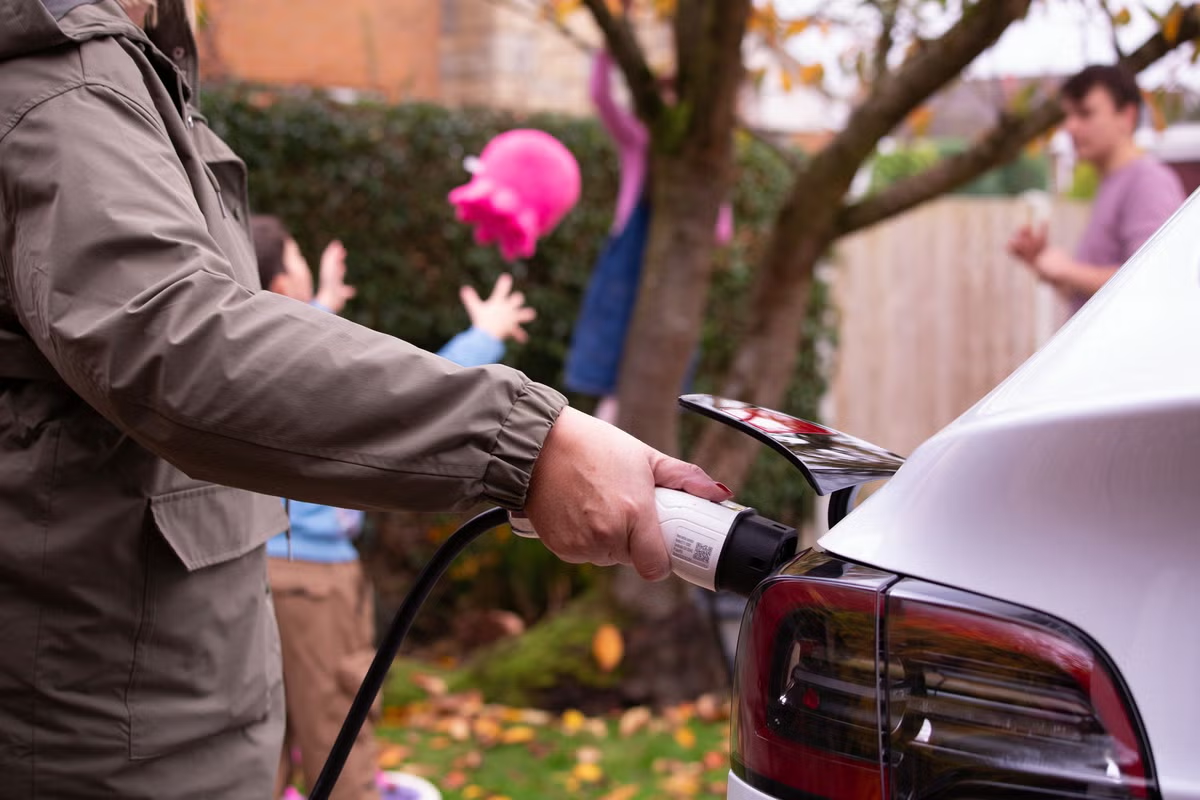
If you own an electric car, the latest headlines about rising household energy prices may have prompted a slightly nervous glance towards your home charger. As reported by Ofgem, from 1 July, the energy price cap soared by 13 per cent for a typical dual-fuel household paying by direct debit. Meanwhile, the average electricity unit rate also rose from 24.67p to 26.11p per kWh.On the face of it, that sounds like bad news for anyone plugging an EV into the mains. But look beyond the headlines – the standard electricity rate isn’t necessarily the figure electric car owners should be looking at.One of the biggest advantages of charging an EV at home is the ability to choose when the electricity goes into the car. And if you can shift most of your charging to night-time – or any other time of day when the energy is cheap – a dedicated EV tariff can cut the cost dramatically.Octopus Energy’s Intelligent Octopus Go tariff, for example, currently offers smart EV charging from 8p per kWh. It also gives customers six hours of cheaper electricity for the whole home between 11.30pm and 5.30am. Plug the car in, tell the Octopus app how much charge you want and when you need the car, and the system works out when to charge it.It will even schedule some of that charging outside the normal six-hour cheap period if that works better, with electricity used for the scheduled car charging still billed at the lower rate.The difference is pretty significant. Put 60kWh into an EV at the average July price-cap electricity rate of 26.11p per kWh and it would cost around £15.67. Do the same charging at 8p per kWh and the cost drops to just £4.80.For an efficient electric car managing around four miles per kWh, that 60kWh could provide roughly 240 miles of driving. That works out at about 2p per mile for the electricity used at the 8p rate, compared with around 6.5p per mile at the average capped electricity rate. For comparison, with petrol currently costing around £1.60 a litre, a petrol car averaging 40mpg would cost around 18p per mile to fuel, or about £44 to cover the same 240 miles. So, the savings are obvious: run an EV on a smart energy tariff and you could pay less than two thirds of what it could cost at the standard electricity rate, and a whopping 11 per cent of what petrol would cost.There’s another point that often gets lost when energy price rises are announced. The price cap applies to default tariffs and sets maximum rates rather than fixing one universal electricity price for everyone. Tariffs vary, as do regional charges, and customers on fixed or smart time-of-use deals can pay something very different.To use Intelligent Octopus Go, you’ll need a smart meter that Octopus can connect to, plus a compatible electric car or charger, while daytime electricity rates and standing charges still need to be considered when comparing your overall household bill. If your car or charger isn’t compatible with Intelligent Octopus Go, you can still get Octopus Go, which offers a separate five-hour overnight cheap period and works with all EVs and chargers – although rates vary by area.The clever bit is that an EV gives households a large chunk of electricity use that can often be moved away from expensive peak periods without changing the way the car is used, and you can also use that cheap overnight energy to run other electrical items at home like a washing machine or dishwasher. Most cars spend the night sitting still anyway, so letting software choose the cheapest time to fill the battery can make much more sense than plugging in as soon as you get home.So, yes, electricity prices did rise in July. But for an EV owner charging mainly at home, the headline 26.11p figure only tells part of the story. Look at your tariff, check out smart overnight rates and see how smart charging can fit into your routine – then topping up an electric car at home can still be one of the cheapest ways to keep moving.
How much does it really cost to charge an electric car at home?
The standard electricity rate isn’t necessarily the figure car owners should be looking at
691 words~3 min read