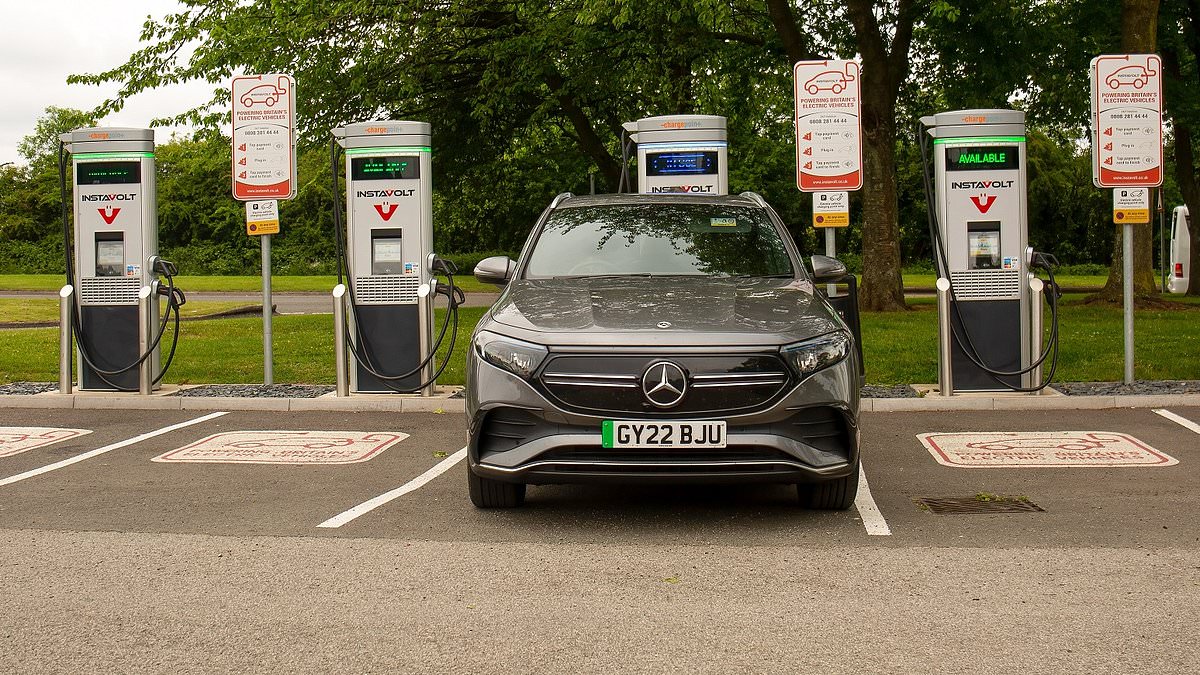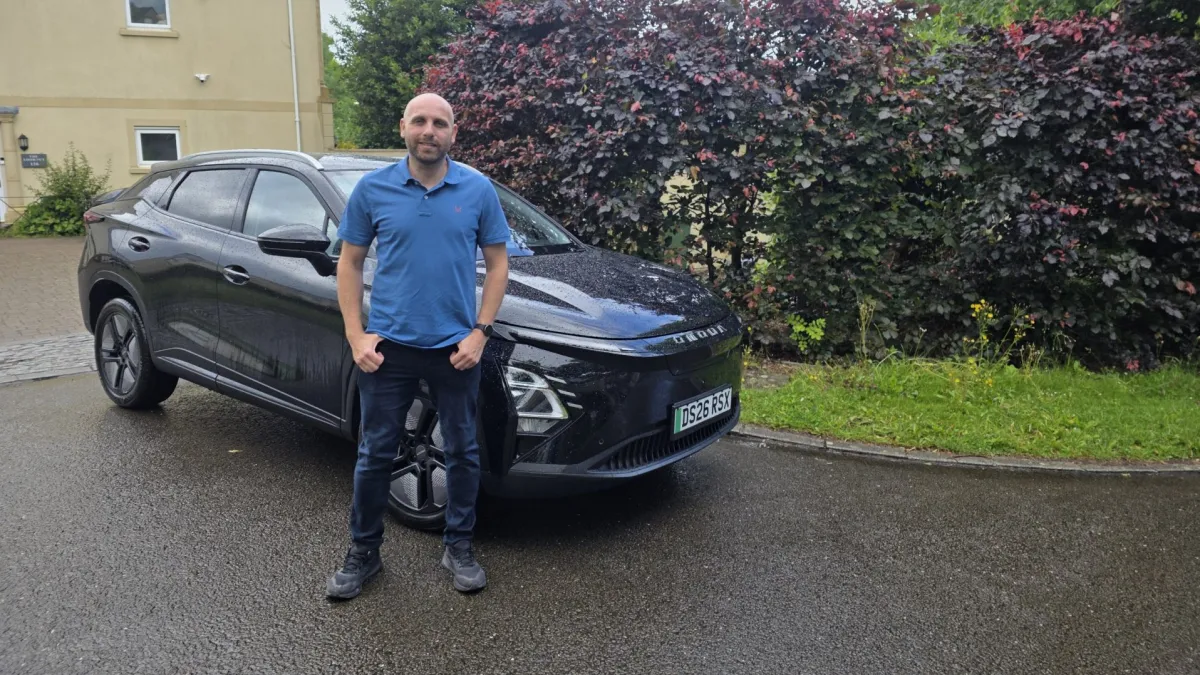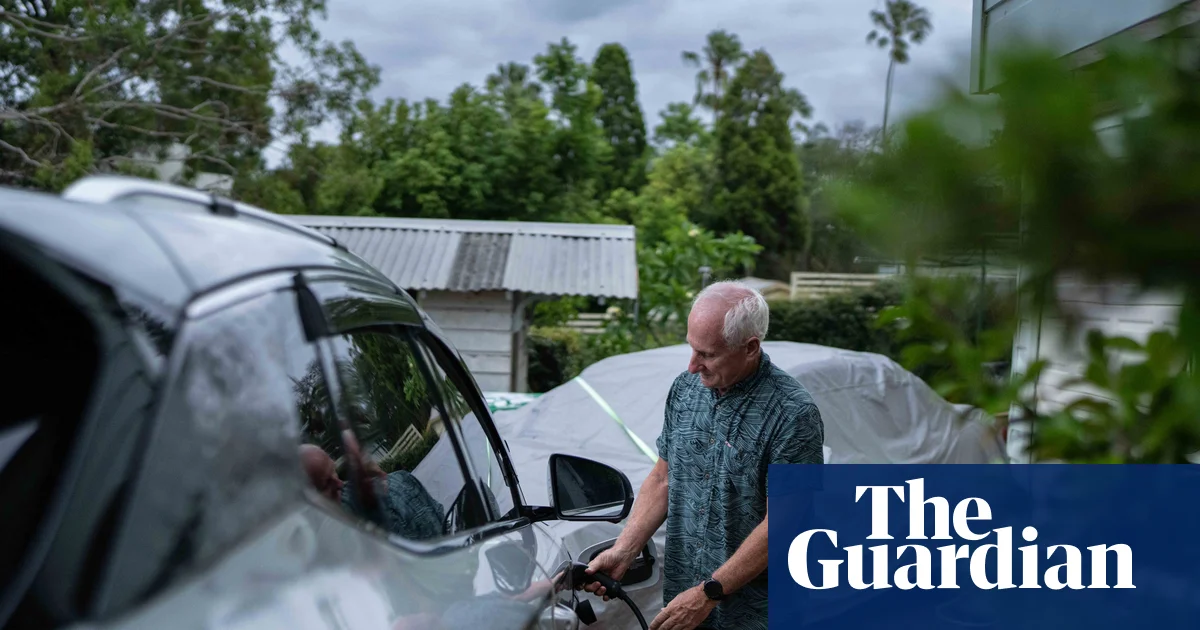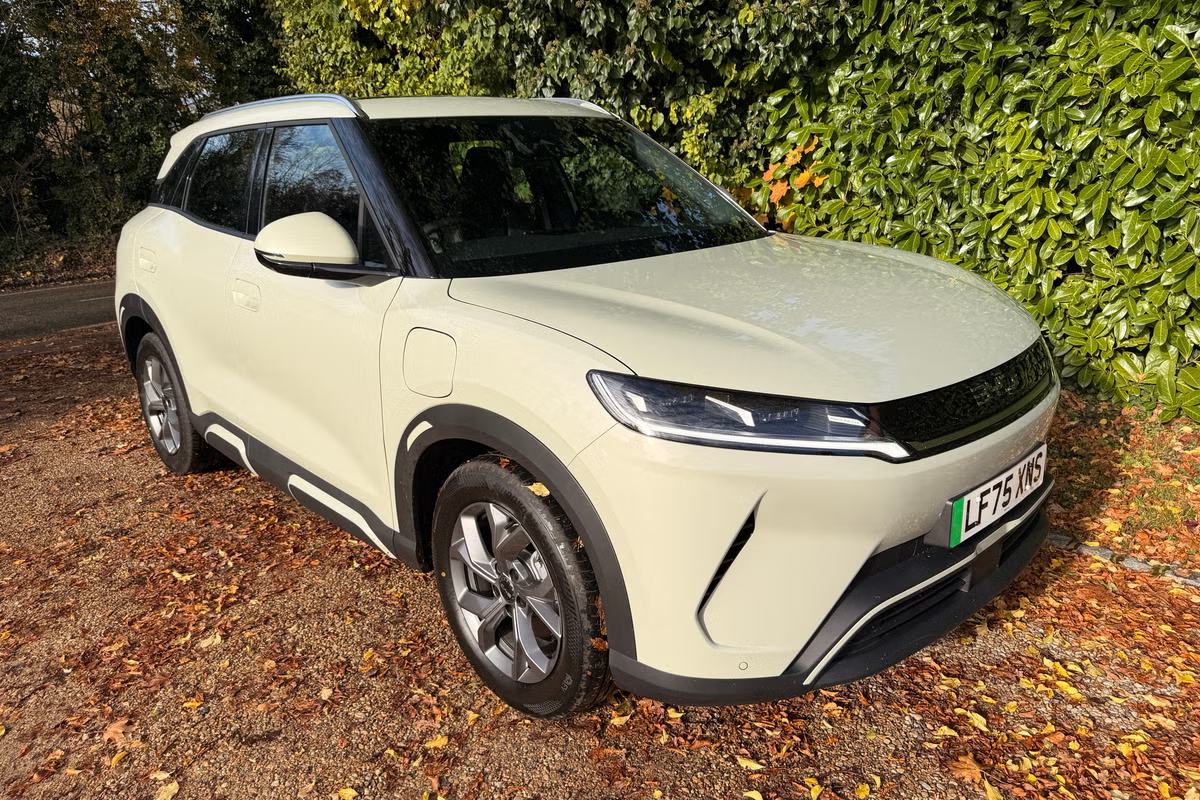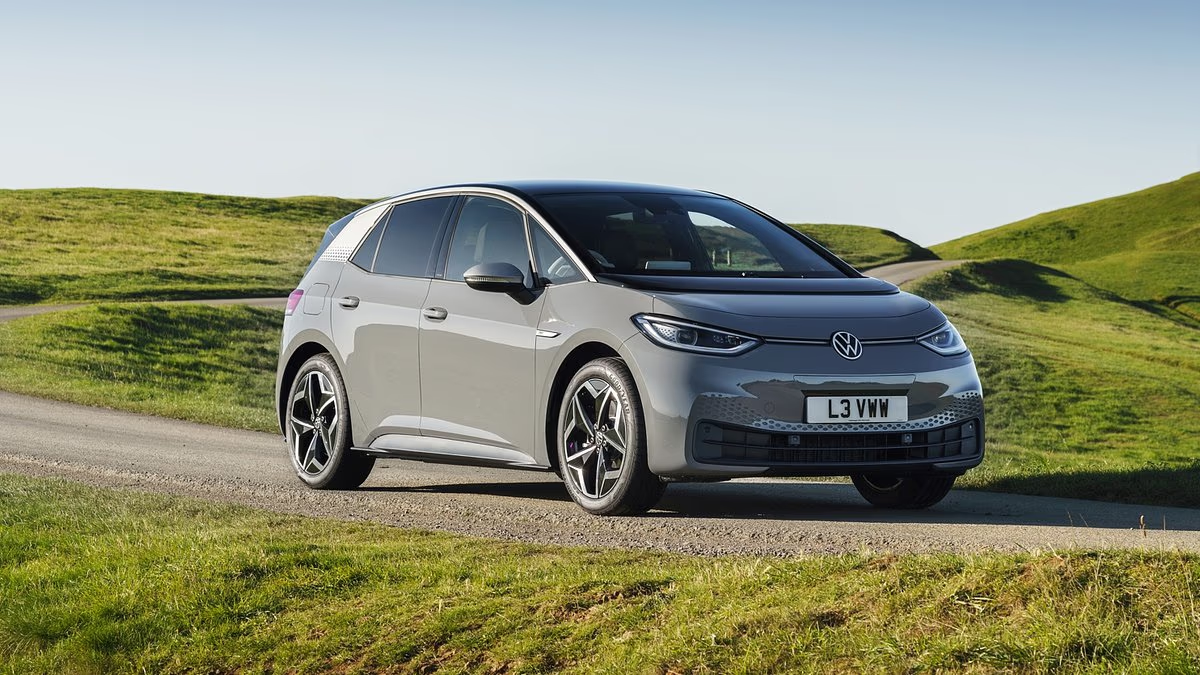
The average electric vehicle driver now saves £980 a year compared with petrol car owners when charging and fuelling costs are compared, a report says.The latest combined calculations by automotive marketplace Auto Trader and charge‑point mapping service Zapmap show the biggest gap in fuelling costs since they began recording them three years ago.The two companies compared the cost of EV charging – based on a typical 80/20 split of home and public charging – with the cost of filling up with petrol at a fuel station last month, with the latter becoming increasingly expensive.It did not compare other running costs, such as servicing, maintenance, insurance and tax, but overall these tend to be cheaper for EVs. Zapmap puts the cost of charging each year at £680, with 80 per cent done at home and 20 per cent on the move. A similar petrol car driver would pay £1,660 at the pumps.Meanwhile, Auto Trader says the average EV has been cheaper to buy than the average petrol car for two consecutive months, after discounts and the Government’s Electric Car Grant made battery‑powered models more attainable.In March, EVs were typically £296 cheaper than petrol equivalents, with that gap extending to £455 in April. Drive a VW ID.3 electric car for a typical year and it will cost £680 to charge, according to new research on running costsWhen it comes to running costs, EVs have been helped by electricity costs being pegged lower by the energy price cap in April. The energy price cap is now due to rise in July, however, but the electricity price cap will rise by 5 per cent while the gas price cap will jump 24 per cent. This will add between £20 and £50 to popular EV charging costs, a separate report by WhatCar? says.Ofgem's current price cap for electricity of 24.67p/kWh will increase to 26.11p/kWh for customers on standard variable tariffs from July, but the ZapMap figures presumed owners had specific low-rate EV charging tariffs. EV charging was based on an average of 8.8p/kWh home tariff rate while petrol prices are based on 31 May's rate of 159p/litre. Those charging on an energy price cap tariff would pay almost three times more, narrowing the cost saving gap considerably.The calculations assumed 10,000 miles are driven a year and compared a VW ID.3 EV with an equivalent VW Golf. Based on May's petrol price it would cost £79.50 to fill up a 2026 VW Golf's 50-litre tank, and it would cost around £4 to charge a VW ID.3. Drive a similar petrol VW Golf and you will pay £1,660 at the pumps, the report claimsNew EVs cheaper to buy than petrolsAuto Trader says EVs accounted for 29 per cent of all new‑car enquiries in April, which it links to rising petrol prices triggering a spike in EV interest.There are now 40 new EVs on sale with a recommended retail price below £30,000, up from 38 in January.It added that Britons now have access not only to cheaper EVs but also to longer driving ranges. In April, the average EV on sale offered more than 300 miles between charges, up from 290 miles in January.With more affordable models entering the market, the average price of used EVs is also falling. More than one in four second‑hand EVs on Auto Trader are now priced at £15,000 or less, while 45 per cent are £20,000 and below – up from 40 per cent in January.EVs are cheaper to leaseSeparate data from Octopus Electric Vehicles shows EV lease customers can now save over the course of their contract compared to petrol cars.Falling battery costs, new manufacturers entering the market and a growing number of lower‑cost electric models have slashed EV lease prices, with some now available for less than £300 a month.For example, a Vauxhall Frontera EV costs £279 a month to lease, compared with £303 for a Vauxhall Frontera Hybrid. Over the duration of a lease, that saving totals £1,152.Similarly, a Dacia Spring EV costs £199 a month, while a petrol Dacia Sandero is £225, resulting in a £1,248 saving.Gurjeet Grewal, CEO of Octopus Electric Vehicles, said: 'This is a real line‑in‑the‑sand moment for drivers. For years, people assumed EVs were the expensive option – but the market has changed dramatically.' There are now more than 120,000 public EV chargers in the UK, data shows EV public chargers increaseZapmap data shows 1,308 new EV chargers were added to the network in April, pushing the national total past the 120,000‑charger milestone.Including on‑street, destination and en‑route locations, there are now 120,388 public EV chargers across the UK.This represents an 11 per cent year‑on‑year increase compared with April 2025, when 108,819 chargers were recorded.The Department for Transport has recently changed its reporting method, switching from counting charging devices – which can host multiple charge points – to counting individual chargers. This change accounts for part of the jump in total numbers.Another milestone reached is the number of charging hubs, defined as locations with eight or more rapid or ultra‑rapid chargers, which has now surpassed 1,000 for the first time.Ultra‑rapid chargers, rated at 150kW and above, continue to grow fastest, with a 40 per cent year‑on‑year increase.There are now 13,346 ultra‑rapid chargers capable of charging a typical EV battery from 20 to 80 per cent in around 20 to 30 minutes.
EVs now £980 cheaper to run per year than petrol cars, study says
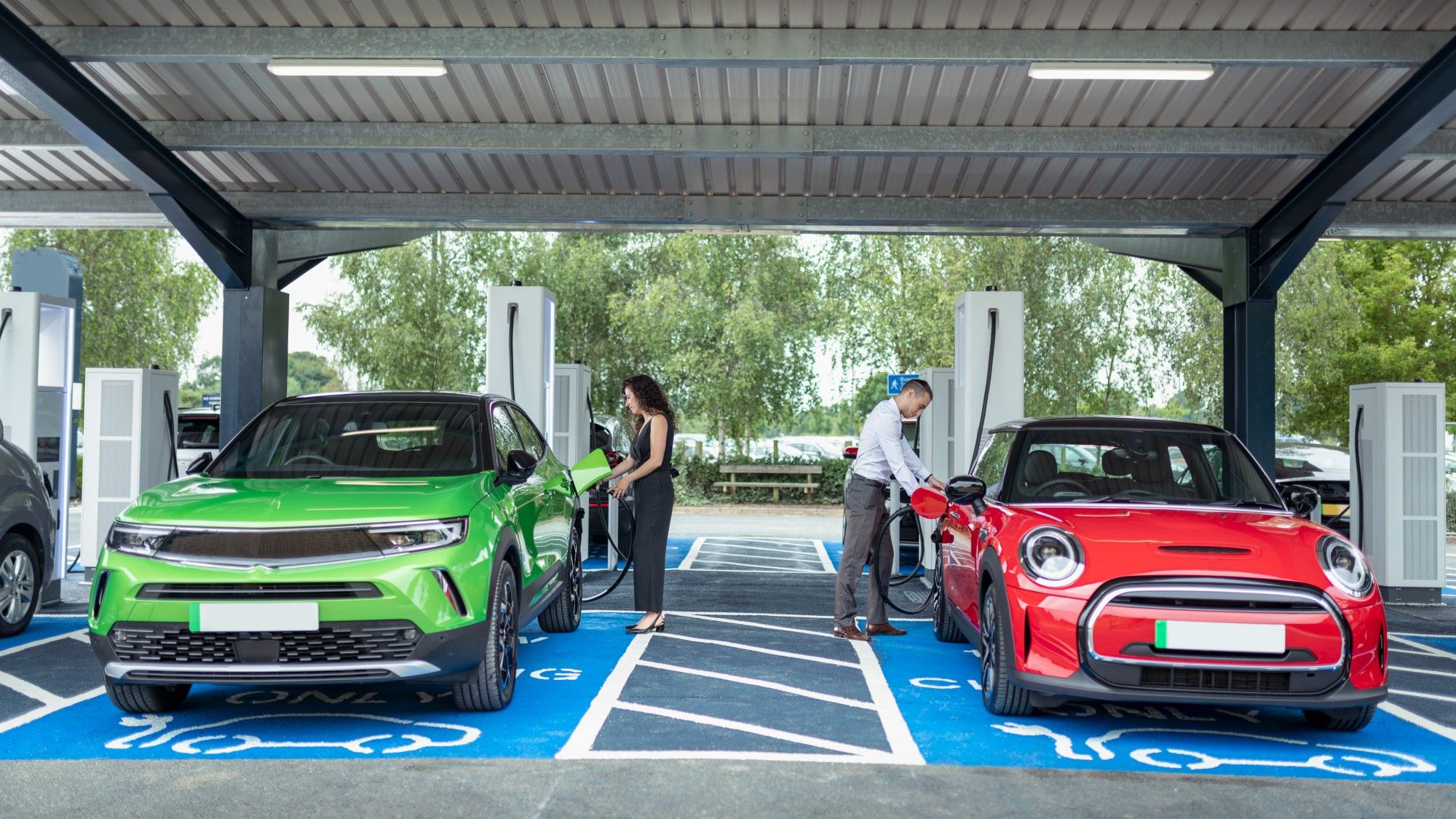
The report compared the cost of EV charging - based on a typical 80/20 split of home and public charging - with the cost of filling up with petrol.
886 words~4 min read