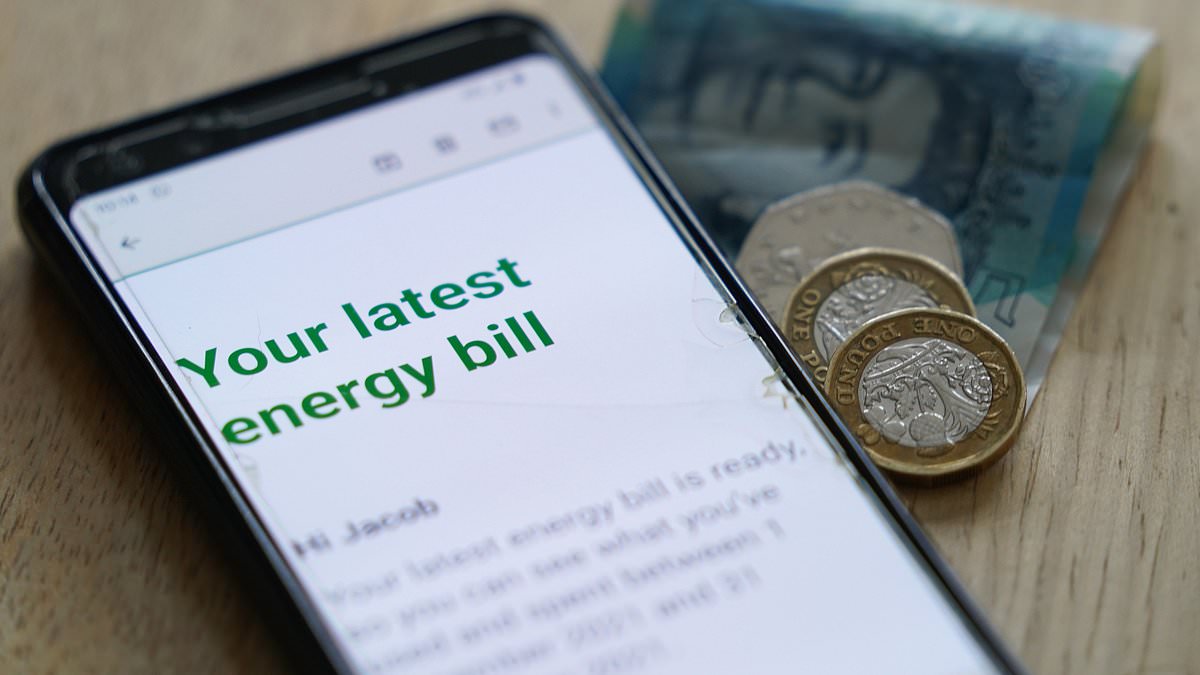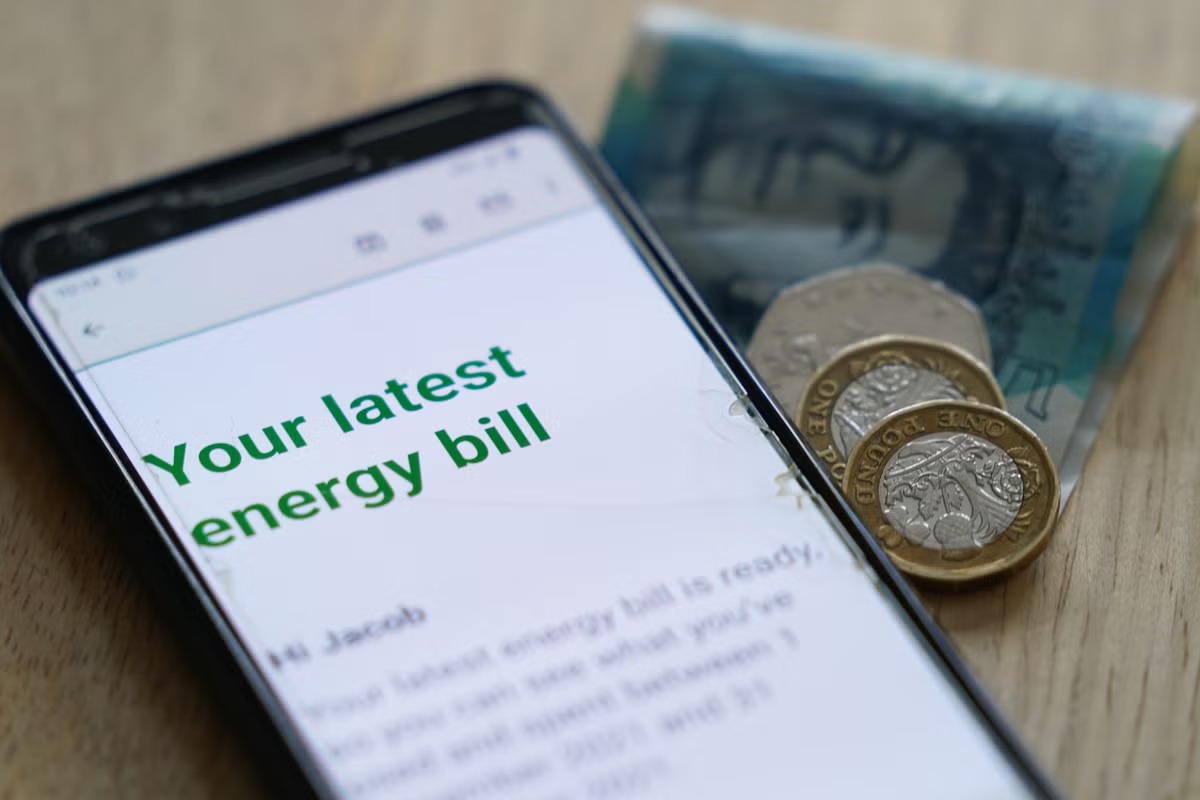
The energy price cap will rise by 13 per cent from 1 July for a typical household in England, Scotland and Wales, Ofgem has said.Based on the energy use of a typical domestic household, from July the price cap will rise by £18 a month for the average household using both electricity and gas if this level was sustained for a year.This means a household using a typical amount of energy will pay £221 more a year. The current price cap for a typical household paying by direct debit for gas and electricity is £1,641. Ofgem chief executive Tim Jarvis said: “Today’s price change reflects continued volatility in global energy markets. This means higher wholesale gas prices, driven by ongoing conflict in the Middle East, is impacting the price we pay for energy.“We understand many will be concerned about rising prices. “While energy use typically falls over the summer months, there are still practical steps households can take to manage costs, including exploring fixed tariffs or changing their payment method. Smart meter customers can also take advantage of half price or cheap electricity at the weekends.“While our energy supplies remain secure, the best way to limit this exposure is by investing in our energy network. That’s why we’re unlocking the funding needed for the biggest transformation of our lifetime to deliver a system that is secure, resilient and works for consumers across Great Britain.”The price cap refers to the default tariff applied when a customer has not signed for a fixed-rate deal.It sets a maximum price per unit of gas and electricity, meaning households only pay for the amount of energy they use.(AFP/Getty)Currently, 40 per cent of accounts – or 22 million – are fixed tariffs, according to Ofgem figures, and are therefore unaffected by this price rise.Gillian Cooper, director of energy at Citizens Advice, said: “Energy bills are going up again in July, which will be painful news for already-stretched households.“One of the key tools to help people through this – the energy debt relief scheme – keeps being delayed.“The scheme should be supporting people struggling with historic energy debt right now and the Government needs to put it in place as soon as possible.“And as we head into the summer, the Government must use this time to prepare wisely, ahead of autumn.“Families with children, disabled people and those struggling to pay rent need better targeted support in place before it’s too late.”Simon Francis, coordinator, End Fuel Poverty Coalition:"Behind every energy price rise are households whose direct debits are about to rise, families whose energy debt is harder to clear, and pensioners whose summer is already overshadowed by the winter ahead. “Meanwhile, the energy industry has posted more than £3 billion in profits from its UK operations in the first three months of 2026."With energy costs rising over the summer, any chance households had to reduce energy debts or build up reserves before the winter heating season will be wiped out. "We are also worried that energy firms will now factor higher costs into direct debit calculations, meaning many households will feel the financial impact of winter long before October."That concern is sharpened by forecasts suggesting the October cap could remain at a similar level, leaving millions of households facing an extremely difficult year ahead if nothing changes."This summer will also bring its own pressures. "With the vast majority of existing homes at risk of overheating in extreme heat events, and the poorest neighbourhoods seven times more likely to be vulnerable, households will need to run fans and cooling equipment exactly when their bills are rising. "The Government cannot wait until September to act. It must confirm what support will be available, address the fact that relying on gas for heating is a dead end as the North Sea runs dry and chart a path for households to find a permanent way off the gas price rollercoaster."Energy secretary Ed Miliband said: “The rise in the price cap because of a war we did not choose is deeply unwelcome news for households across the country. We know people were under pressure before this crisis, and that’s why easing that burden is our number one priority.“We will continue to monitor the situation ahead of the winter and plan for all contingencies. In the immediate term it is essential to de-escalate this conflict to bring oil and gas prices down and as Britain faces the second fossil fuel crisis of this decade, we must learn the right lessons.“The way to get bills down for good and avoid these price spikes is to go further and faster with this government’s drive for clean homegrown power we control. We are upgrading as many homes as possible ahead of winter with the biggest investment in warm homes in British history.”
Typical energy bill set to soar by £221 a year from July as new price cap announced
The current price cap for a typical household paying by direct debit for gas and electricity is £1,641
795 words~4 min read