The Ofgem price cap does not put a limit on how much you can pay for energy - instead, it sets the maximum unit rates and standing charges07:01, 27 May 2026Updated 07:12, 27 May 2026Millions of households will see their energy bills rise this summer after Ofgem announced its new price cap.The price cap is increasing by 13% to £1,862 a year for the typical dual fuel household that pays by direct debit from July. This marks an increase of £221 based on the current price cap figure of £1,641.The increase had been widely expected due to the war in Iran, which has pushed up global energy prices following the closure of the Strait of Hormuz.Around a fifth of the world's oil and liquefied natural gas (LNG) usually passes through this crucial waterway.Ofgem updates its price cap every three months, so the new rates will remain in place until September 30, when it will then be revised again.Tim Jarvis, Ofgem CEO, said: “Today’s price change reflects continued volatility in global energy markets. This means higher wholesale gas prices, driven by ongoing conflict in the Middle East, is impacting the price we pay for energy.“We understand many will be concerned about rising prices. While energy use typically falls over the summer months, there are still practical steps households can take to manage costs, including exploring fixed tariffs or changing their payment method. Smart meter customers can also take advantage of half price or cheap electricity at the weekends.“What is the Ofgem price cap?Despite what its name suggests, the Ofgem price cap does not put a limit on how much you can pay for energy - instead, it sets the maximum unit rates and standing charges.The standing charge is a fixed fee you pay to be connected to the grid. This means your bill is still based on the amount of energy you use, and it can be higher or lower than the headline price cap figure.The price cap figure represent what the typical billpayer can expect to pay, based on how much energy Ofgem estimates that the average household uses.Your location can also effect your bill, as unit rates vary depending on region. There are also different rates for prepayment customers and those who pay on receipt of bill.Confusingly, the energy price cap figure represents a yearly bill, but it is updated every three months so Ofgem can reflect changing wholesale costs.Who is covered by the Ofgem price cap?The Ofgem price cap covers anyone on a standard variable rate (SVR) tariff. You are likely on an SVR tariff if you are not fixed into an energy deal.There are about 33 million standard variable tariffs customer accounts, including six million with prepayment meters. You can contact your current energy supplier to see what type of tariff you are on.Article continues belowBut unusually, the savings announced today will also apply to fixed rate tariffs due to the change in policy costs.If you are fixed rate customer, you do not need to do anything - your energy supplier will be in touch to outline the changes to your tariff.
Energy bills to rise for millions as new Ofgem price cap announced
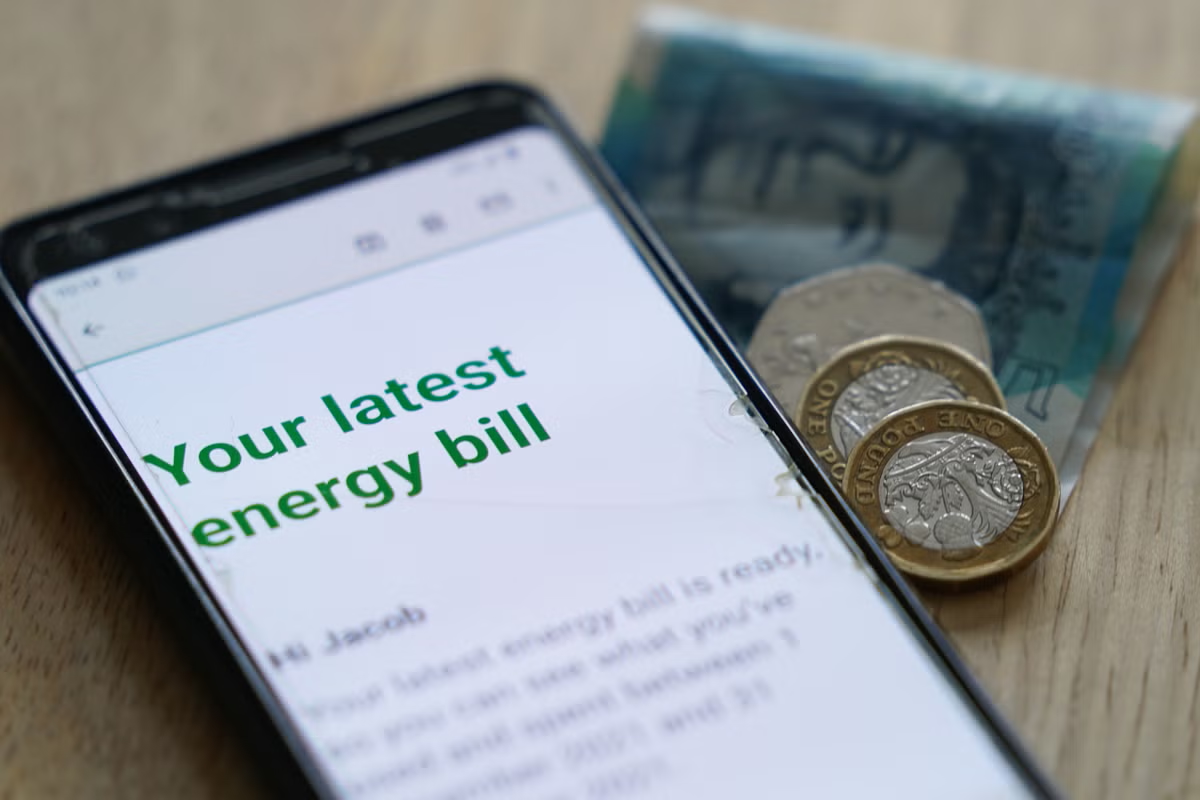
The Ofgem price cap does not put a limit on how much you can pay for energy - instead, it sets the maximum unit rates and standing charges
515 words~2 min read