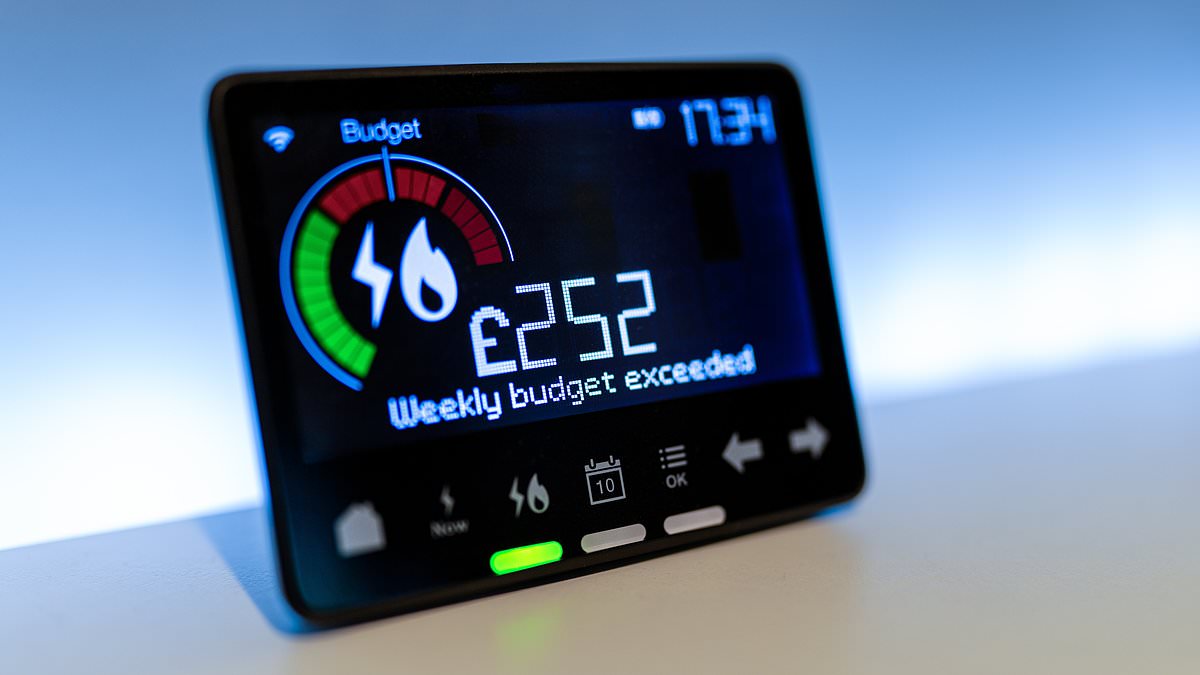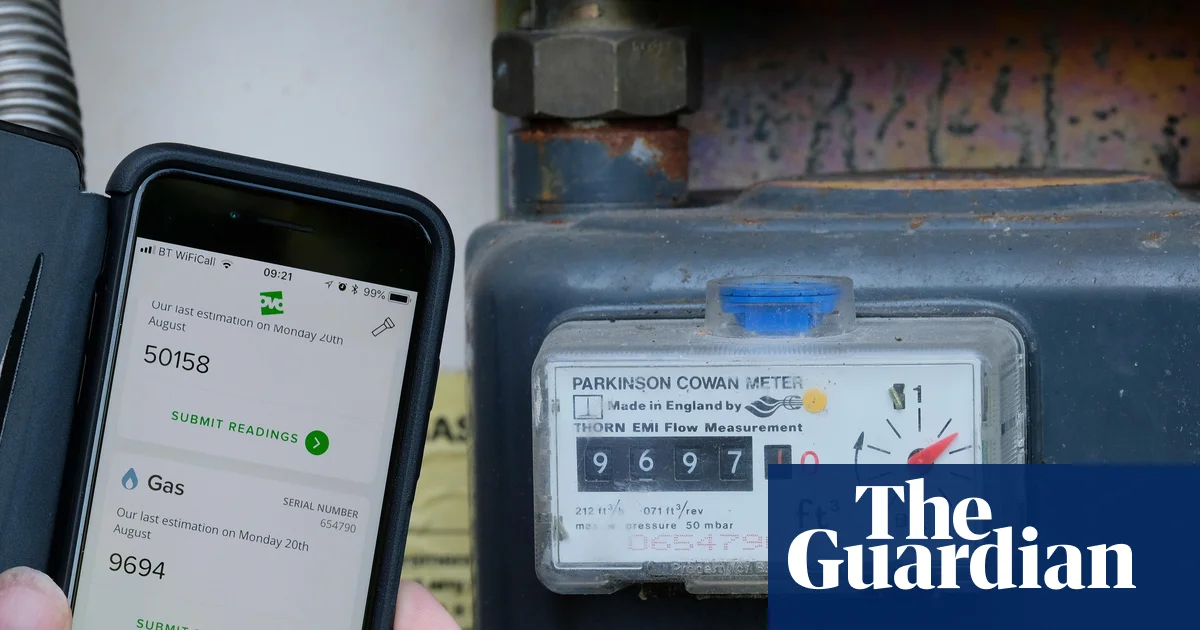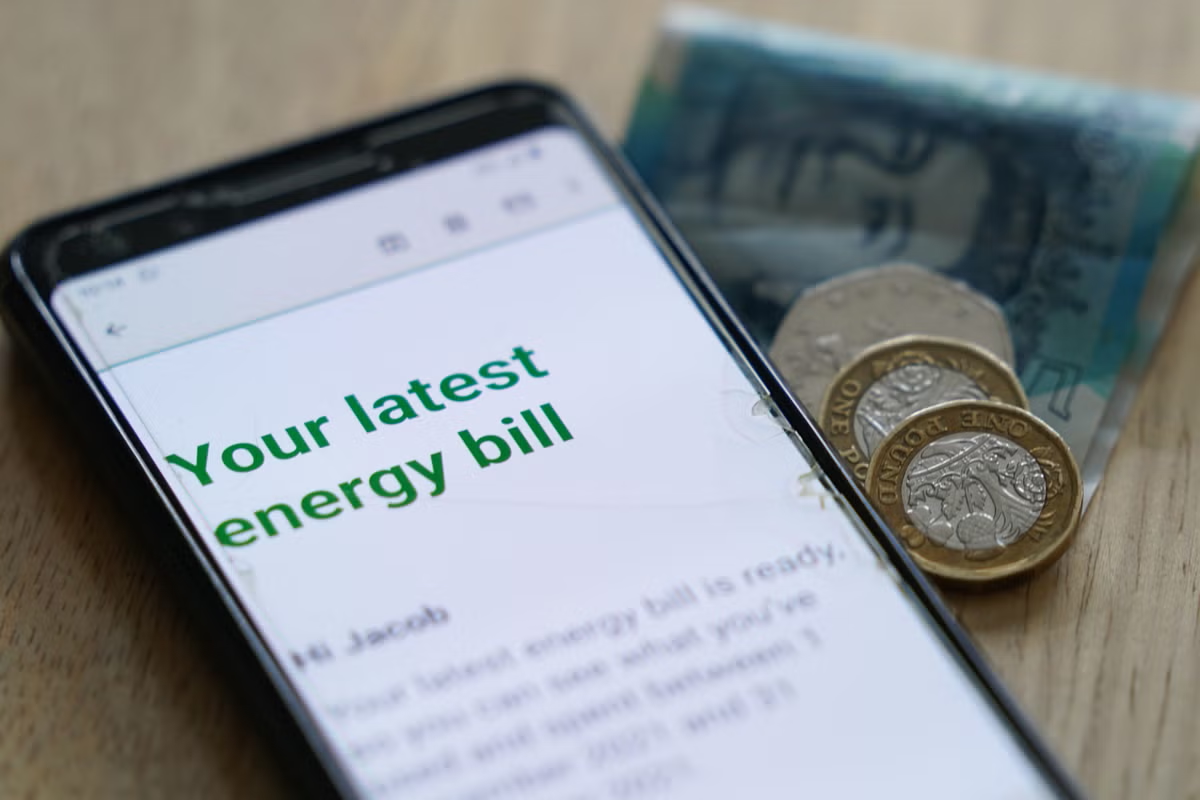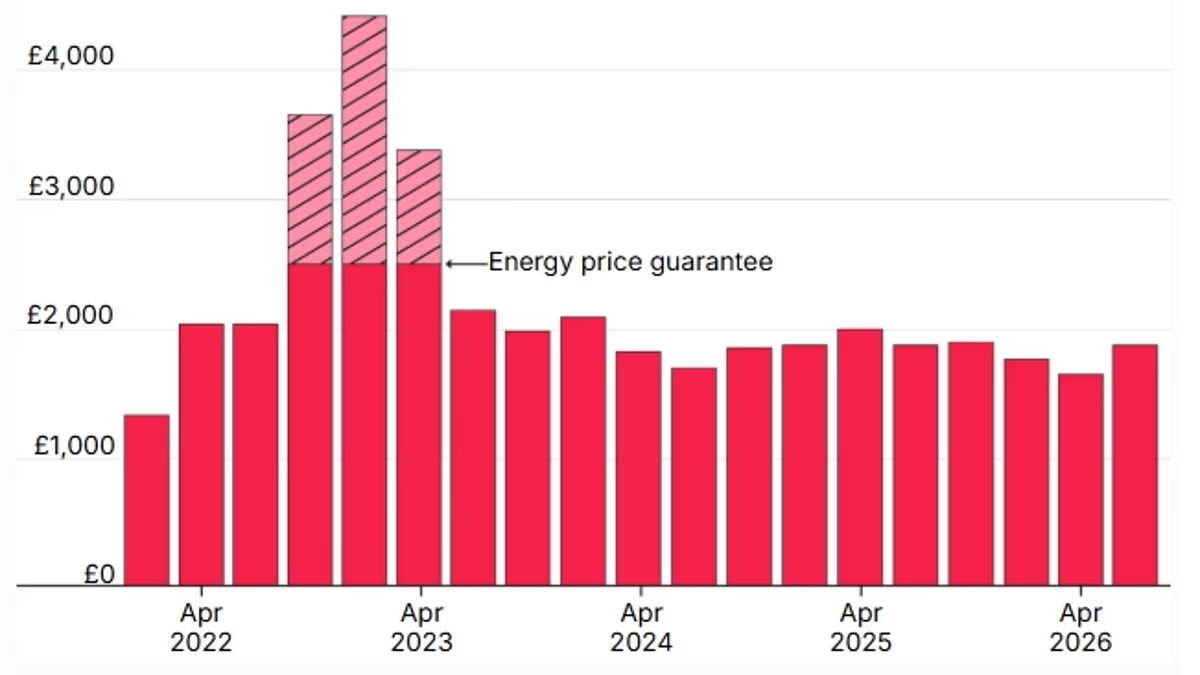
You are covered by the price cap if you are on a variable energy tariff, so if you are not fixed into a deal07:10, 01 Jul 2026Millions of households will see their energy bills rise again from today - and experts have warned that costs will remain high this winter.The Ofgem price cap is rising by around 13%, after the conflict in the Middle East caused a spike in wholesale costs.For the typical household that pays by direct debit, the price cap is increasing from £1,641 to £1,862 a year.The price cap is somewhat misleading, as it does not actually limit how much you pay for gas and electricity.It sets a cap on what you can be charged for unit rates and standing charges - so your energy bill is still very much based on how much gas and electricity you are using.Ofgem has also updated its methodology to reflect that people are now using less energy as a way to save money.Based on its new lower estimates, the April price cap would have been £1,477 and the new July price cap is £1,663 a year.You are covered by the price cap if you are on a variable energy tariff, so if you are not fixed into a deal.Uswitch says there are still a number of fixed tariffs that are cheaper than the price cap, and has urged people to do a comparison to see if they can save money.A fixed energy deal locks the price you pay for unit rates and standing charges for a set period of time.Ben Gallizzi, energy expert at Uswitch.com, said: “It’s important to run a quick comparison to see options tailored to your personal energy usage. The price cap is going up, but your bills don’t have to.”Emily Seymour, Which? energy editor, said: “We recommend looking for tariffs that are cheaper than the price cap, no longer than 12 months, and without high exit fees, as these could outweigh any savings if you decide to end your contract early.“The price cap will remain in place until October, when it will be updated again - and households have been warned not to expect much of a drop.Cornwall Insight said it expects a typical household to be facing a bill of £1,849 from October. This will land harder as people switch their heating back on as temperatures drop.Dr Craig Lowrey, principal consultant at Cornwall Insight, said: “The Iran ceasefire gave the markets some breathing room but this is a pause, not a resolution to the conflict.“What comes out of the final agreement, if there is one, will matter enormously for energy prices. And even in the best-case scenario, the enduring effects from the conflict will be with us for a while.“Infrastructure takes time to repair, supply chains take time to recover and households will be left dealing with the consequences for some time.”Article continues belowHe added: “October bills always hit harder than July’s because people are turning their heating on again and this year that coincides with a difficult geopolitical backdrop.“Ofgem will announce the price cap for October on or by August 26.
Ofgem price cap rises by 13% with energy bills set to go up by £220 a year
You are covered by the price cap if you are on a variable energy tariff, so if you are not fixed into a deal
517 words~2 min read