See more This is Money on Google - save us as a Preferred SourceBy FREDA LEWIS-STEMPEL, MOTORING REPORTER Updated: 07:17 BST, 3 June 2026
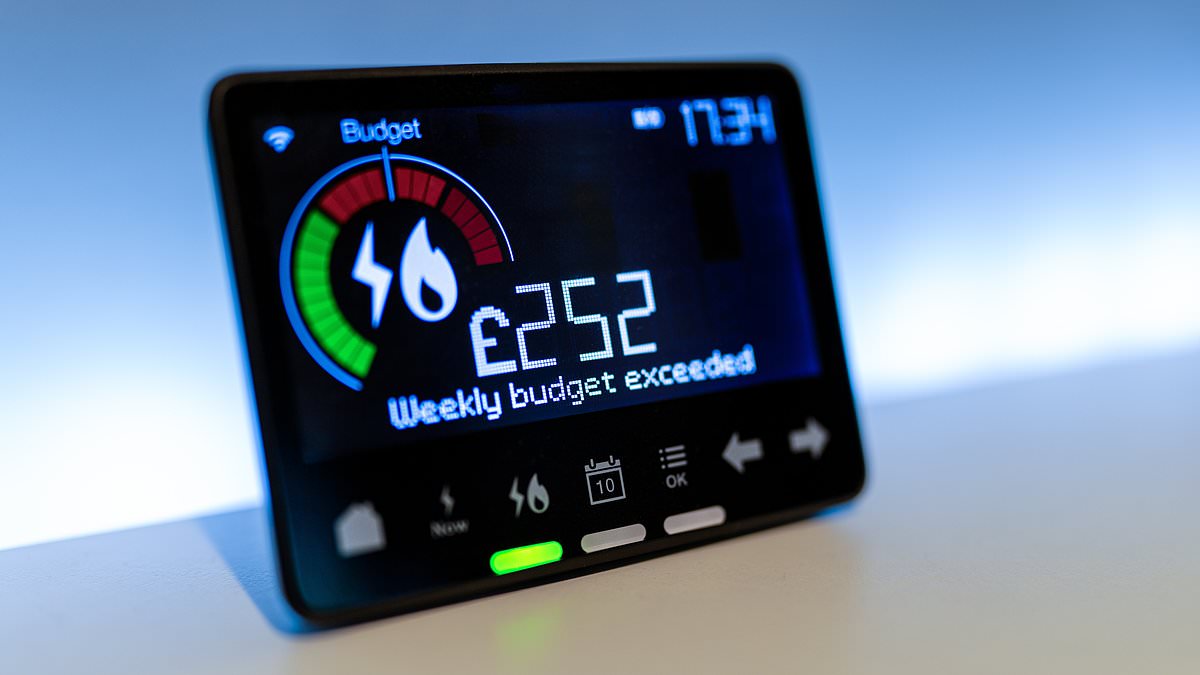
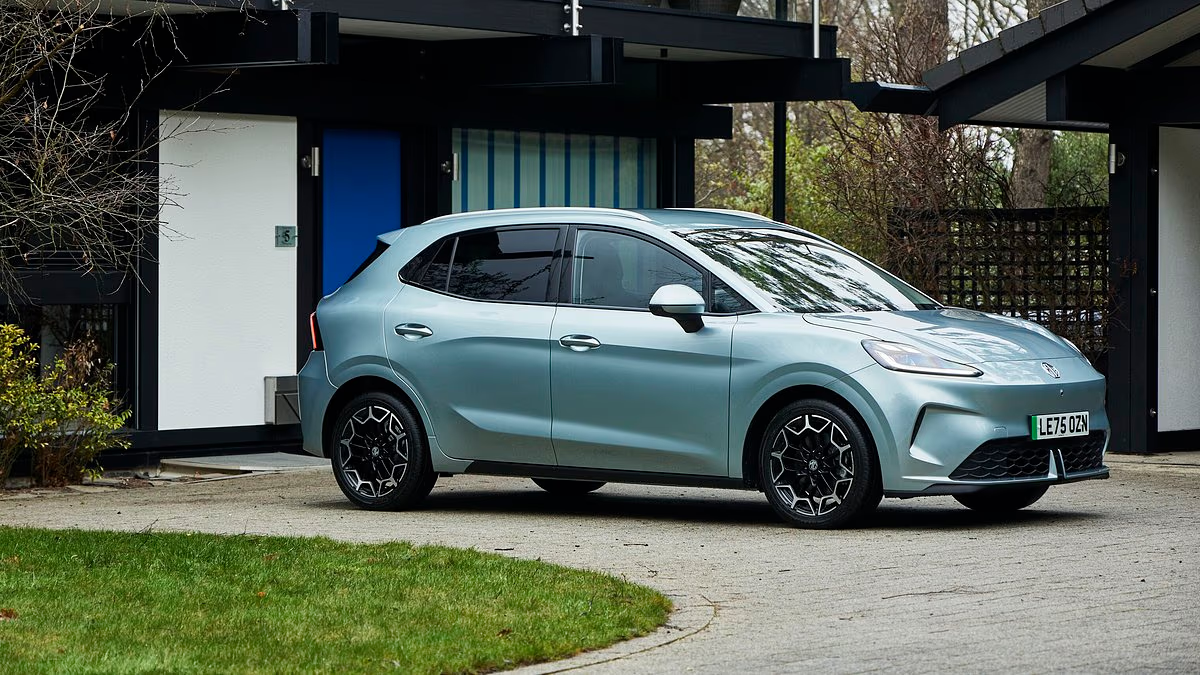
The energy price cap will jump 13 per cent in July, triggered by the knock-on effects of the crisis in the Middle East.The good news for EV owners is that they will only face a relatively small rise in annual charging costs due to the July price cap rise, new research from WhatCar? has reveals.It worked out popular EV owners will pay between £20 and £52 more to charge their cars under the new cap. While petrol and diesel car owners have been at the mercy of soaring pump prices, electric car owners had been protected until now on home charging, as the quarterly price cap actually came down slightly in April.But from 1 July, the energy watchdog Ofgem revealed the price cap for electricity will increase from 24.67p/kWh to 26.11p/kWh for customers on standard variable tariffs.Ofgem says this is due to the war between Iran and the US and blockage of Middle East energy exports driving up global oil and gas prices. Fortunately for EV owners, the electricity cap is going up by just 5 per cent, compared to the gas cap which will jump 24 per cent.What Car? looked at how much charging will rise by for popular cars due to the energy price cap rise, based on average annual mileage and efficiency. From 1 July the Ofgem will increase the energy price cap which could see some EV owners pay up to £52 a year more to charge their EVs on a standard variable tariffWhatCar? worked out that BMW iX3 owners who currently pay £26.82 on average to charge on the current cap will see that rise to £28.38, which will result in an annual increase of £52.12.Tesla Model 3 owners currently paying £17.21 per charge could see that go up by £1 to £18.21, which will cost an extra £33.45 annually.A single charge for a EV Cupra Born will go from costing £16.90 to £17.89 on average, with an resulting annual difference of £32.85.Meanwhile, MG4 owners could see themselves paying an extra £32.63 a year, and Kia EV3 and Skoda Elroq owners would pay an extra £31.89 and £30.93, respectively, each year.The Audi Q4 e-tron currently costs around £15.85 to charge, but this could go up to £16.78 which would mean an annual increase of £30.81. WhatCar? says the Renault 4 should witness an annual increase of £24.94 and the Renault 5 will likely cost £22.06 more each year. The Hyundai Inster will cost an estimated £20.38 more per year under the new cap.How can owners save money on charging?Electric car owners may be able to save money on home charging by opting for a dual-rate, or EV-specific tariff, with a low off-peak rate.Peak energy price on these deals can be higher, but electricity suppliers must ensure the combined day and night usage doesn’t exceed the overall cap.EV specific tariffs - usually based around a very cheap overnight charging rate (usually between midnight and 7:00 AM) - can save EV owners hundreds of pounds a year.Claire Evans, What Car?’s consumer editor, said: 'The electricity price cap increase is bad news for all consumers, including EV drivers, but there are ways of mitigating the extra cost.'Do your research on the best EV home charging tariffs to ensure you’re on the cheapest option, take advantage of affordable workplace charging if you can, and look for off-peak deals and special offers on the public charging network.'