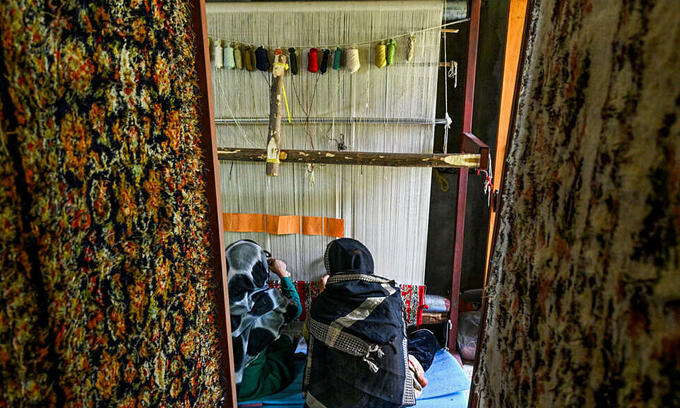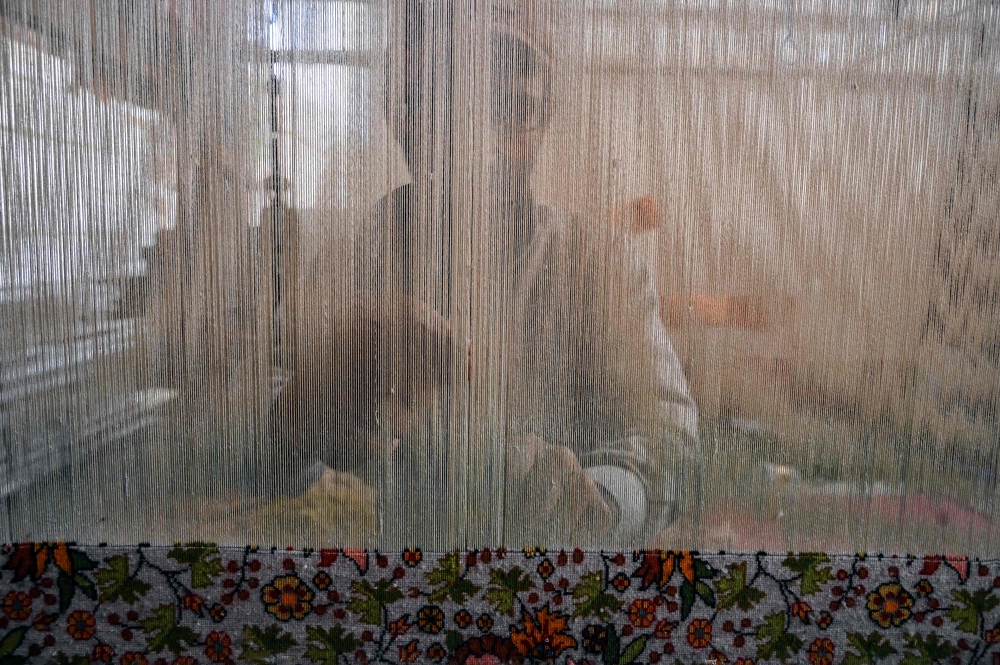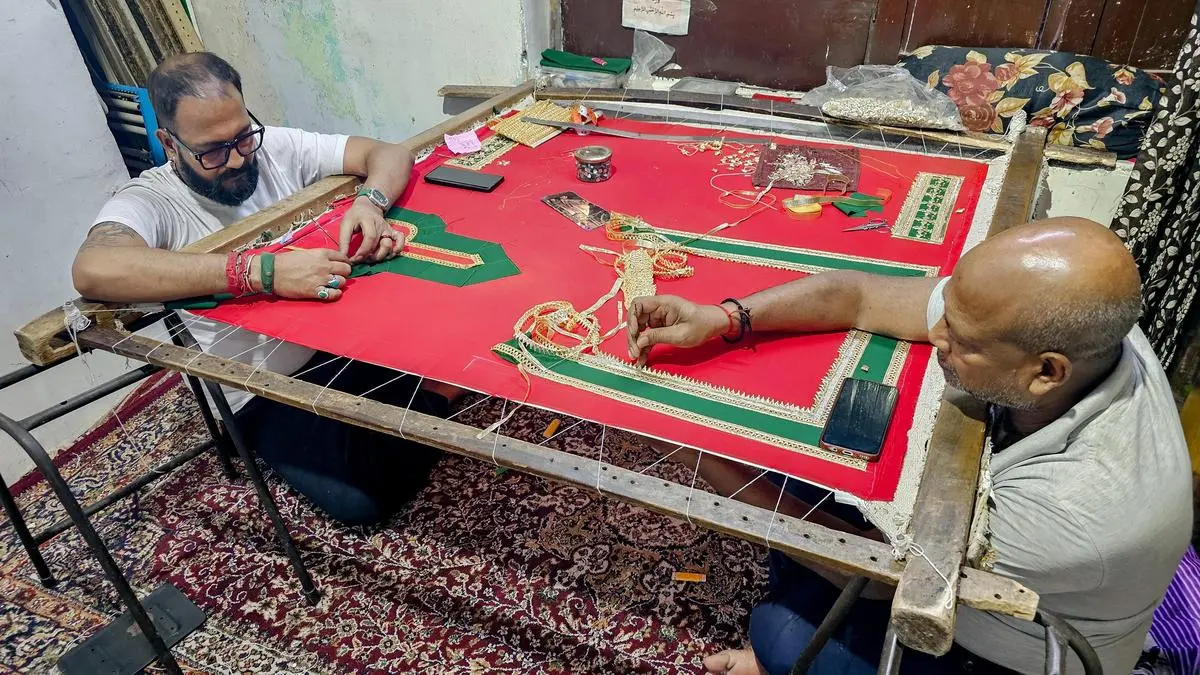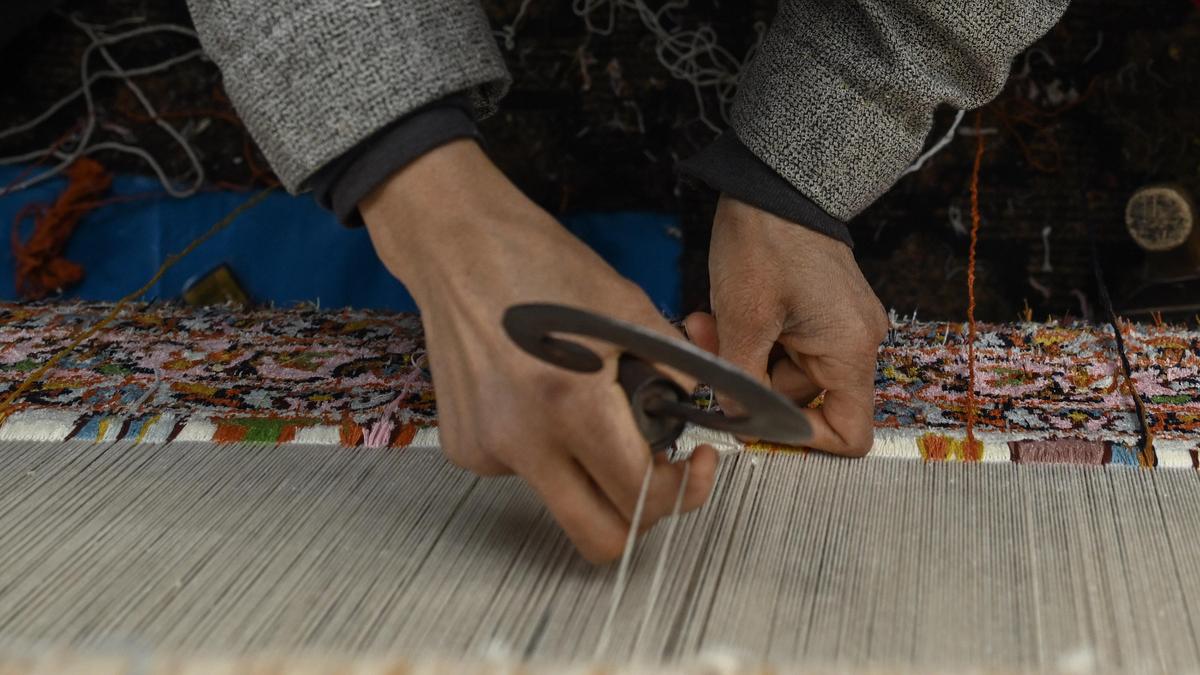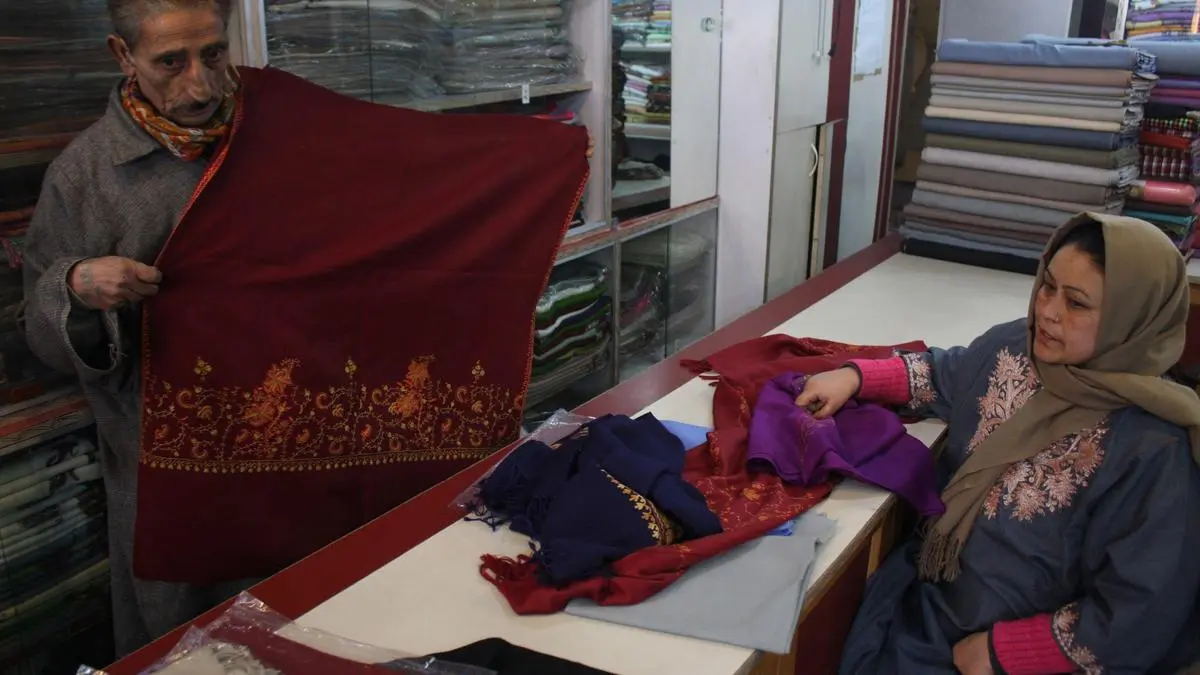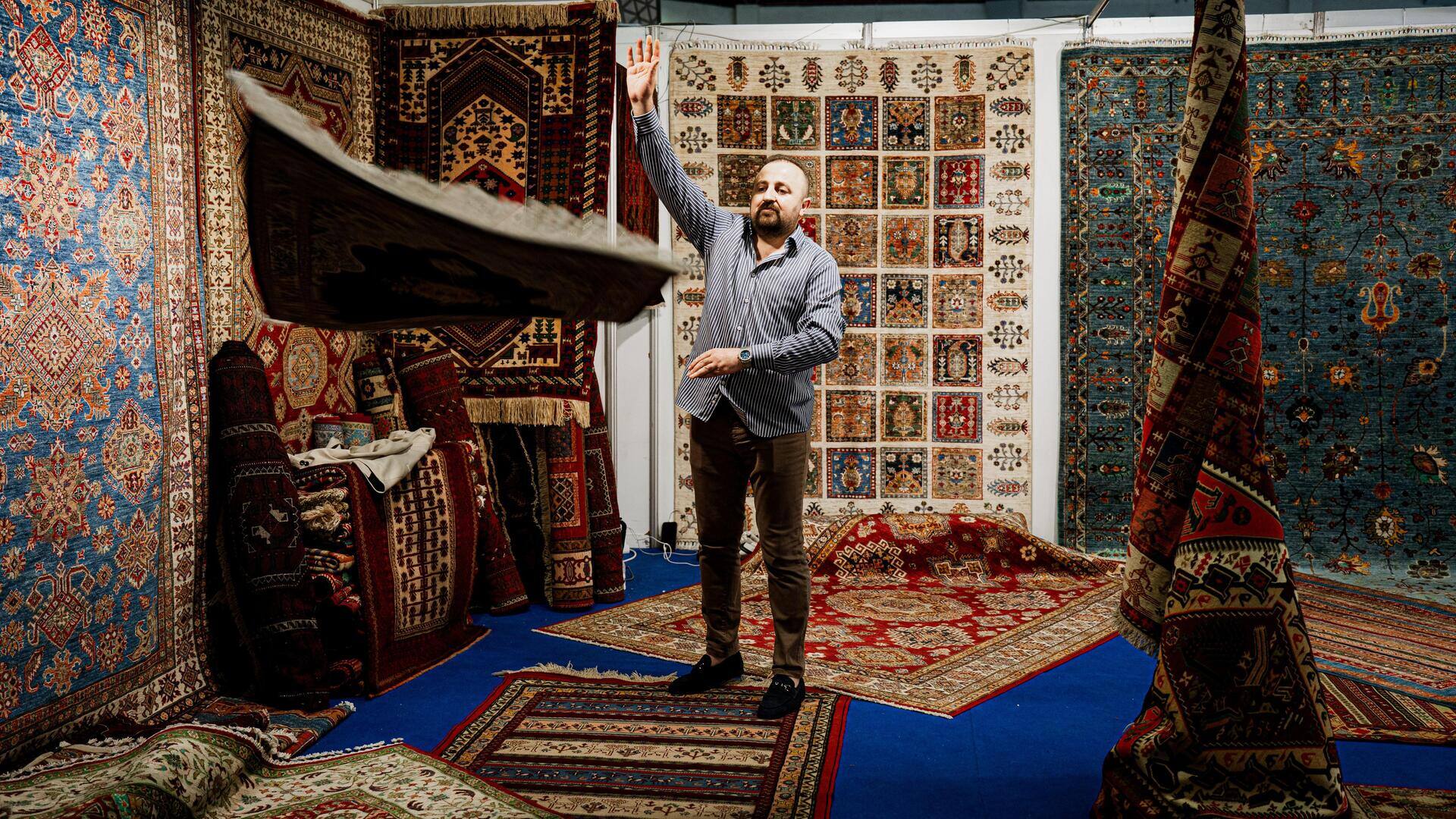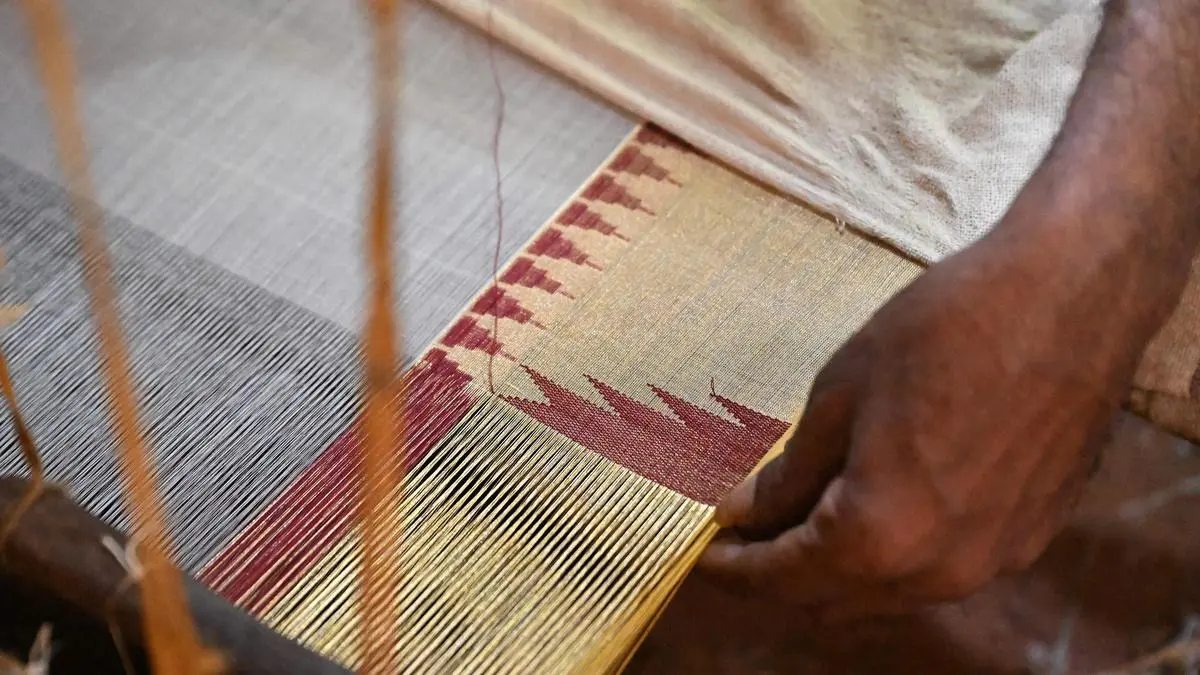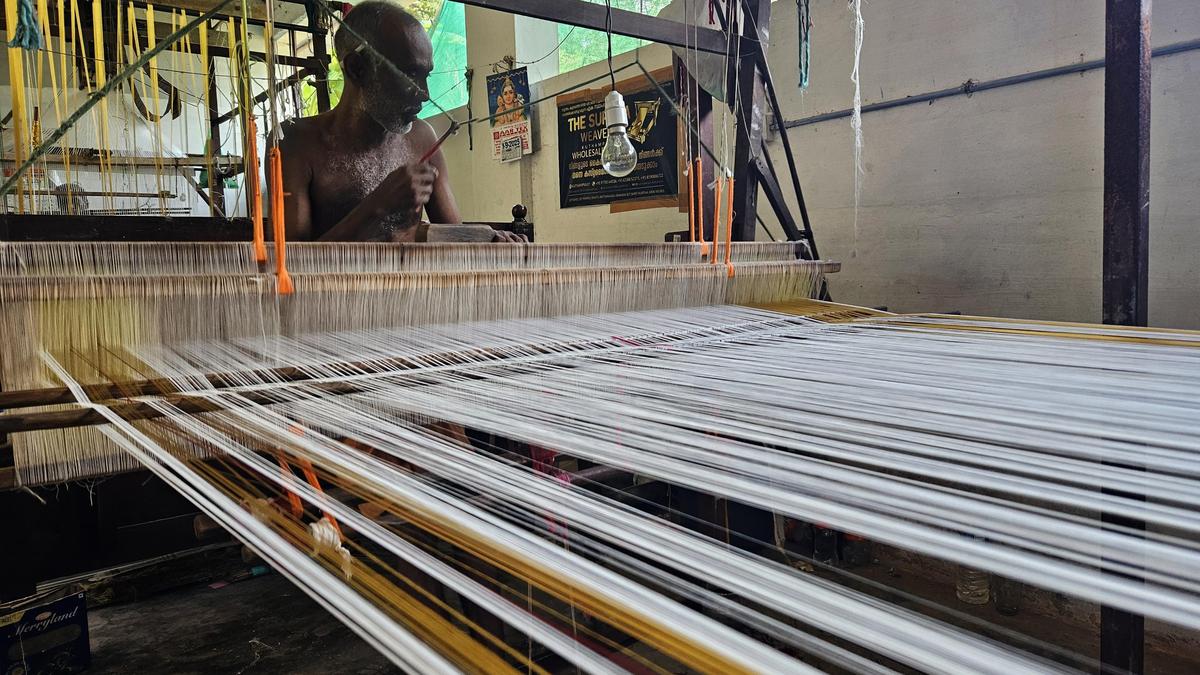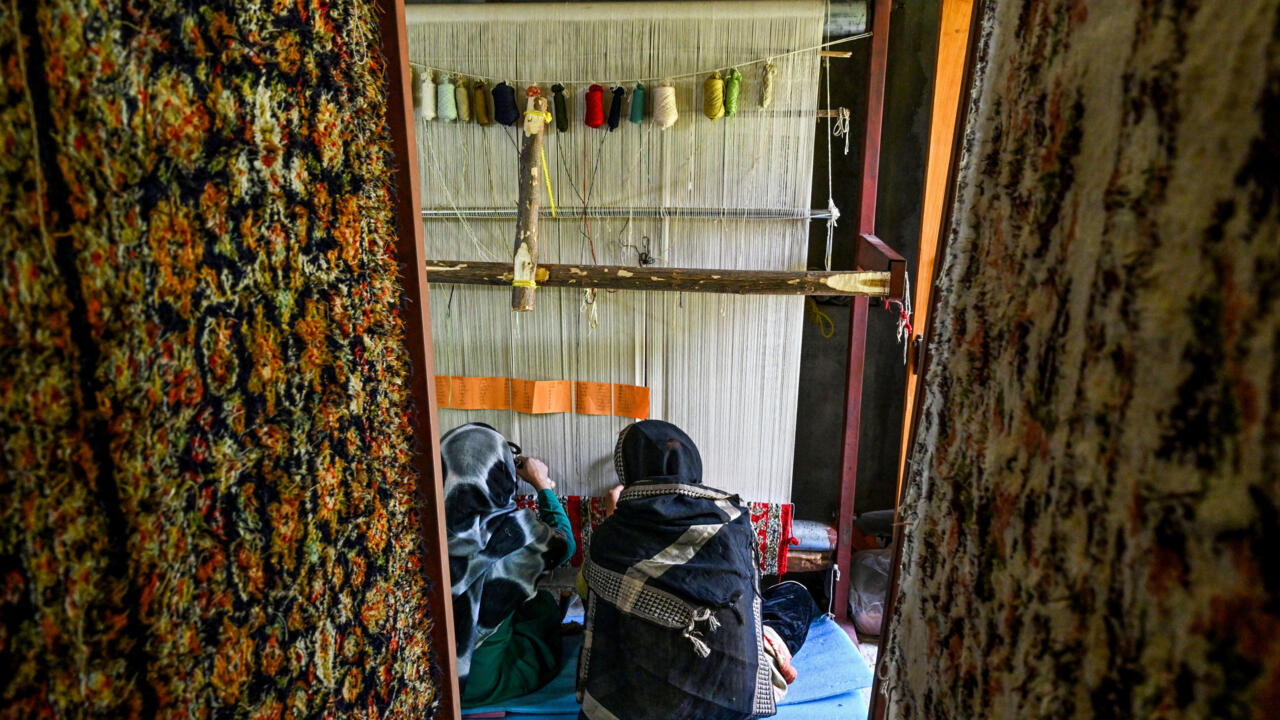
Masterpieces woven from mulberry silk or pure sheep wool by artisans have adorned imperial courts, museums and luxury homes across the world over the centuries.The hand-spun yarn dyed in natural colours is woven on handlooms, packing in between 300 and several thousand knots per square inch, depending on the intricacy of the design.Until the 1980s, carpets were Kashmir's top export, but volumes have since steadily declined, with wars in Ukraine and the Middle East the latest blows to the trade."It hurts me to see this," weaver Bashir Ahmad, 78, told AFP."If more young people had taken up this craft, they could have made a living from it."But the long hours, low wages and changing aspirations have made the profession less attractive to younger Kashmiris.A master weaver today earns only around 500 rupees ($5) a day, less than many unskilled labourers."There are no government jobs for everyone, and my child, or anyone else's child, could have taken up this work and tried to make a career out of it," said Ahmad."But things are no longer the same."Modern looms
(FILES) A worker sorts through silk yarns at a traditional dyeing workshop in Srinagar on November 1, 2025.
It has survived wars and upheavals, but the famed handwoven Kashmir carpet industry is now battling a steady decline as younger generations abandon the painstaking craft. © Tauseef MUSTAFA / AFP