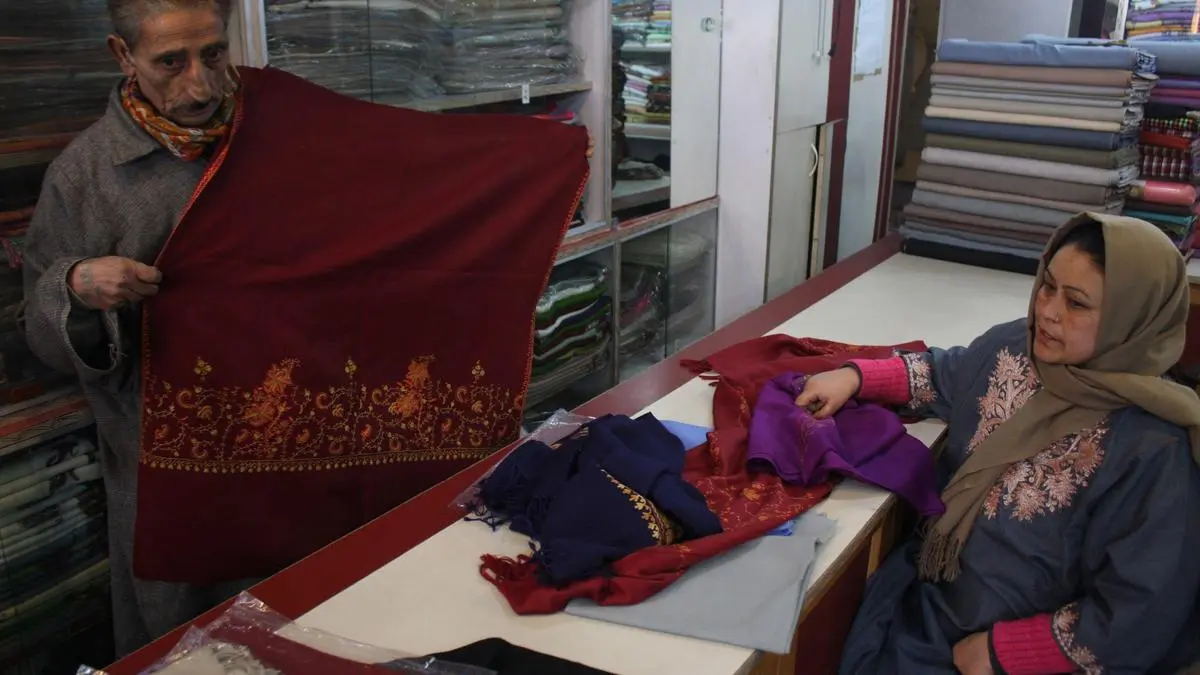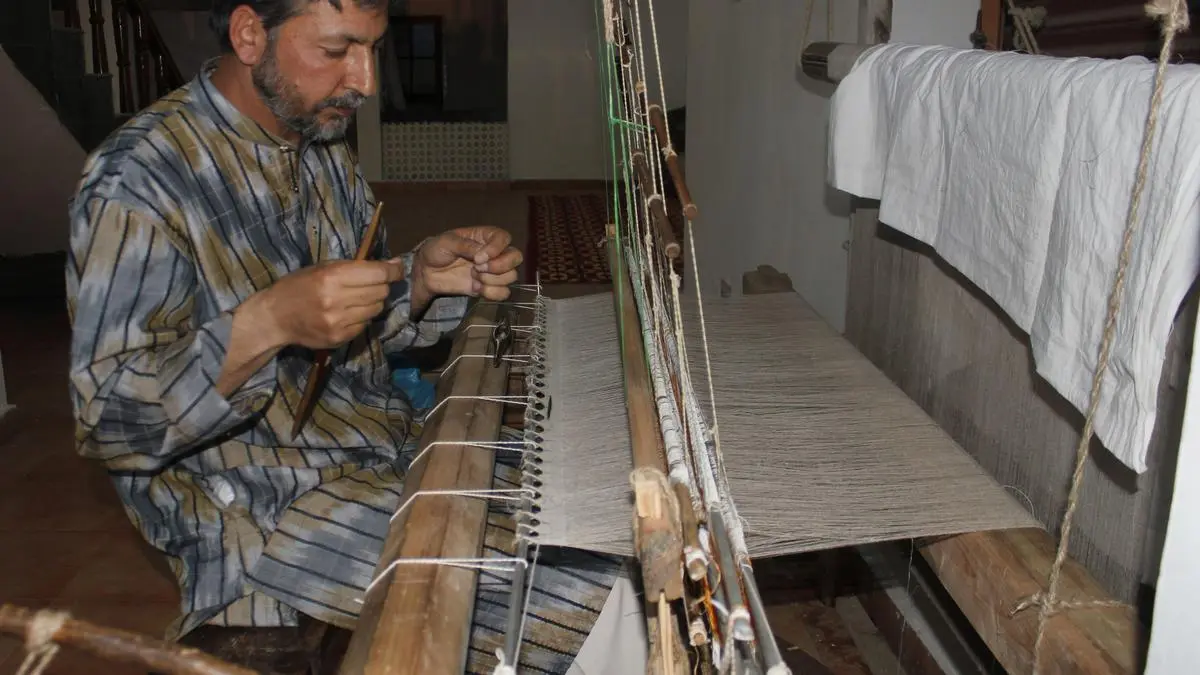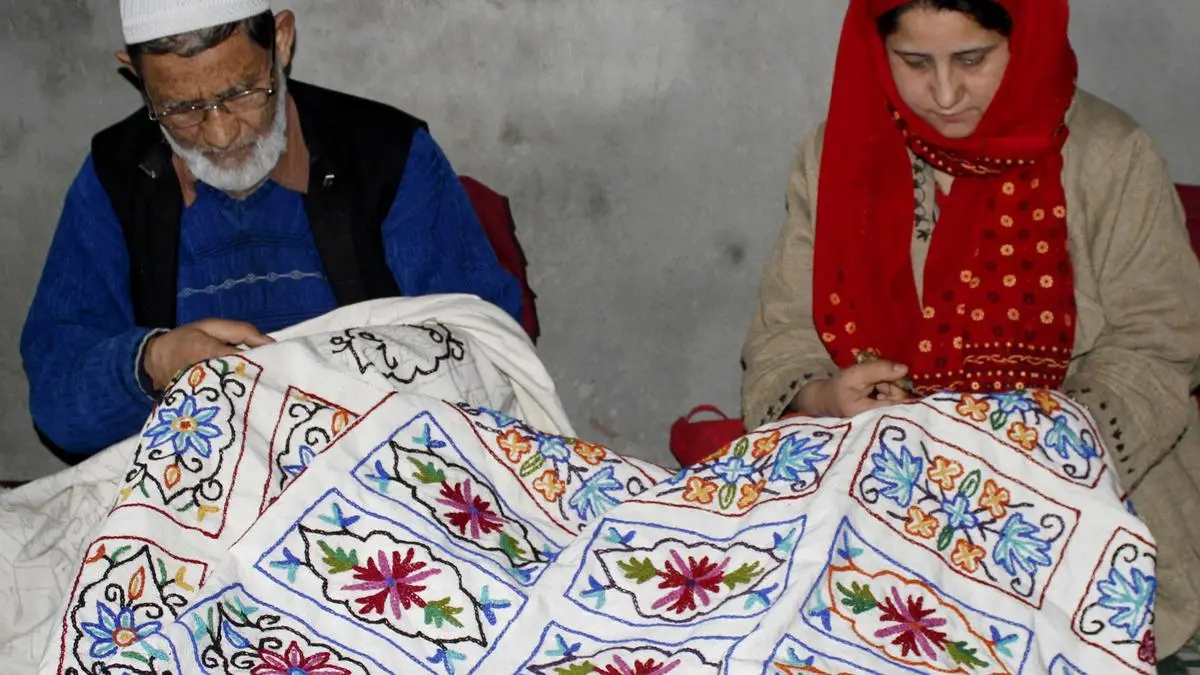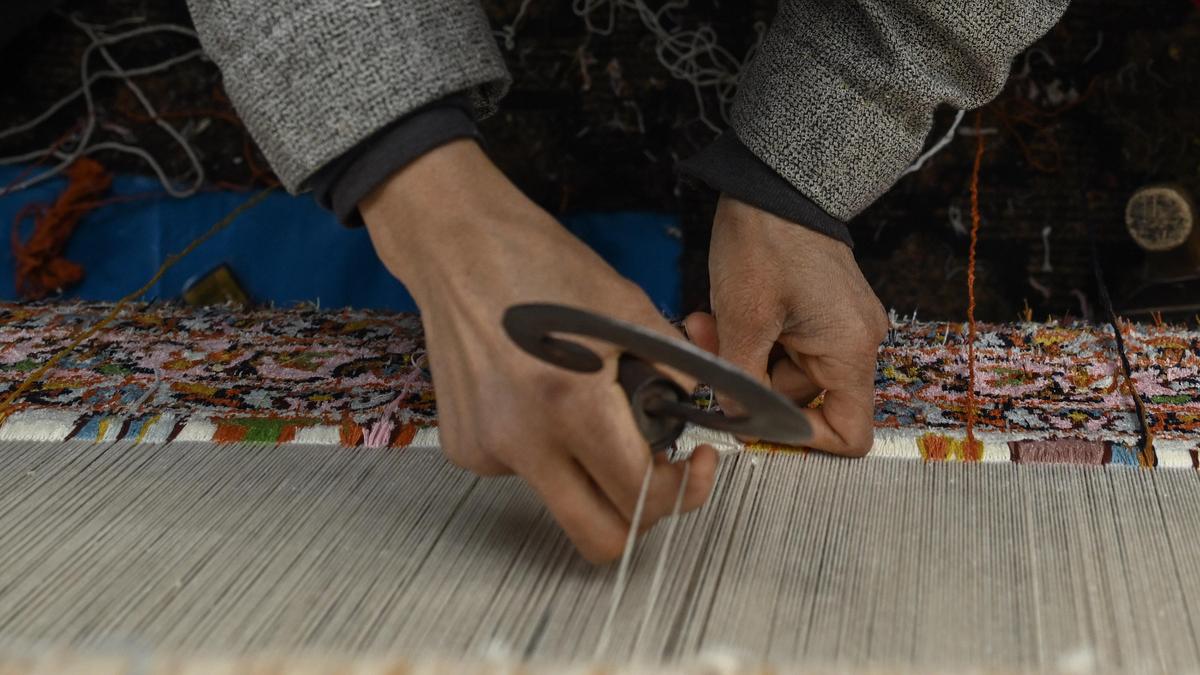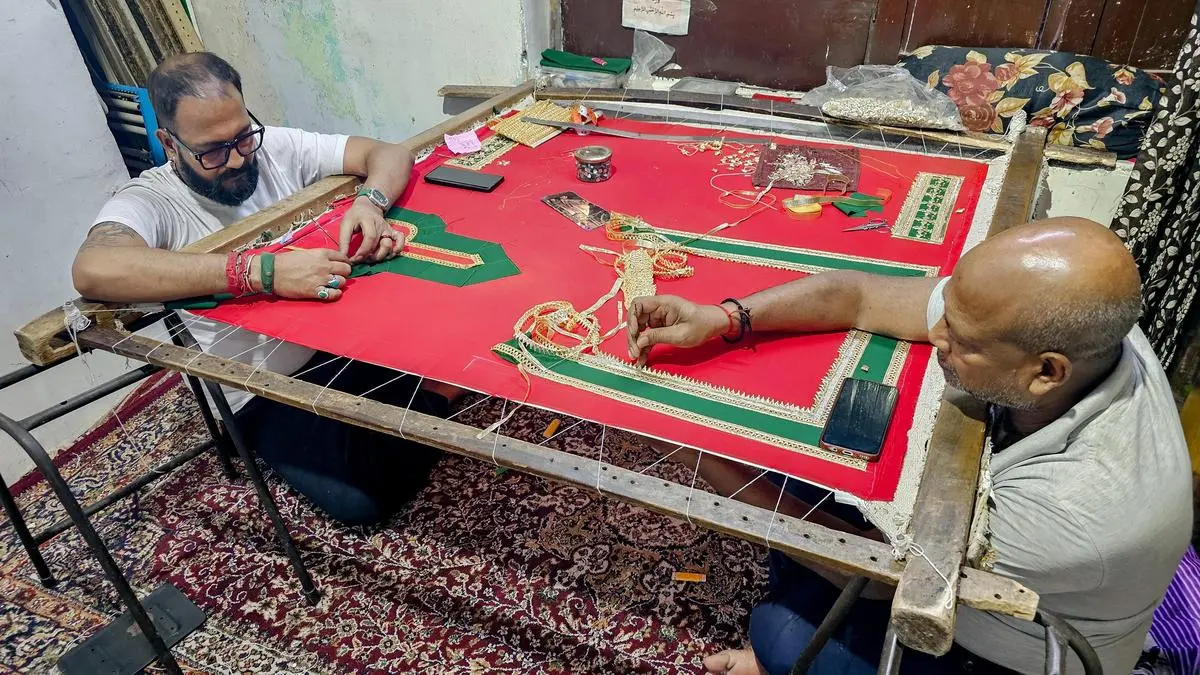
Exports of Kashmiri shawls nearly doubled during 2025-26, making them the Valley’s largest handicraft export. But exporters say the impressive growth should not be mistaken for a broader recovery, as the gains were confined largely to one product category while carpets and several other traditional crafts continued to lose ground.Official data from the Directorate of Handicrafts, Export Promotion show exports of shawls rose to ₹588.23 crore during 2025-26 from ₹305.52 crore in the previous financial year. The category also surpassed its 2023-24 export value of ₹477.24 crore, accounting for more than 70 per cent of the region’s total handicraft exports.“While this development is encouraging, it must be understood in its proper perspective and should not be misconstrued as a sign of an overall revival in the handicrafts sector,” said Qazi Tauseef, spokesperson of the Kashmir Economic Alliance, an umbrella body representing traders, transporters and other business stakeholders, and founder of export firm Zayd Luxury Handspun.Tauseef attributed the rise to strong international demand for high-value Pashmina and premium handcrafted shawls, particularly in Europe, the Gulf and North America.He said the increase also reflected the execution of export orders delayed in previous years because of logistical disruptions, besides improved marketing through international exhibitions, digital platforms and direct overseas buyers.The latest figures nevertheless point to a changing export profile in Kashmir’s handicrafts sector.For decades, hand-knotted carpets dominated the Valley’s overseas sales, but now, shawls have emerged as the principal export earner.Carpet exports fell to ₹123.31 crore during 2025-26 from ₹260.71 crore in 2024-25 and ₹317.33 crore in 2023-24. Other traditional crafts, including papier-mâché and walnut wood carving, also witnessed lower exports.“The sharp decline in carpet and papier-mâché exports highlights the fragile state of Kashmir’s handicrafts sector and threatens the livelihoods of thousands of artisan families,” Tauseef said.He called for a comprehensive strategy by the Jammu and Kashmir and Central governments to revive all handicraft segments and ensure export gains benefit artisans across the sector.Published on July 7, 2026
Shawl exports surge, but Kashmir handicrafts recovery remains uneven
Kashmir shawl exports soar, but overall handicraft recovery remains uneven, highlighting challenges in other traditional crafts.
325 words~1 min read