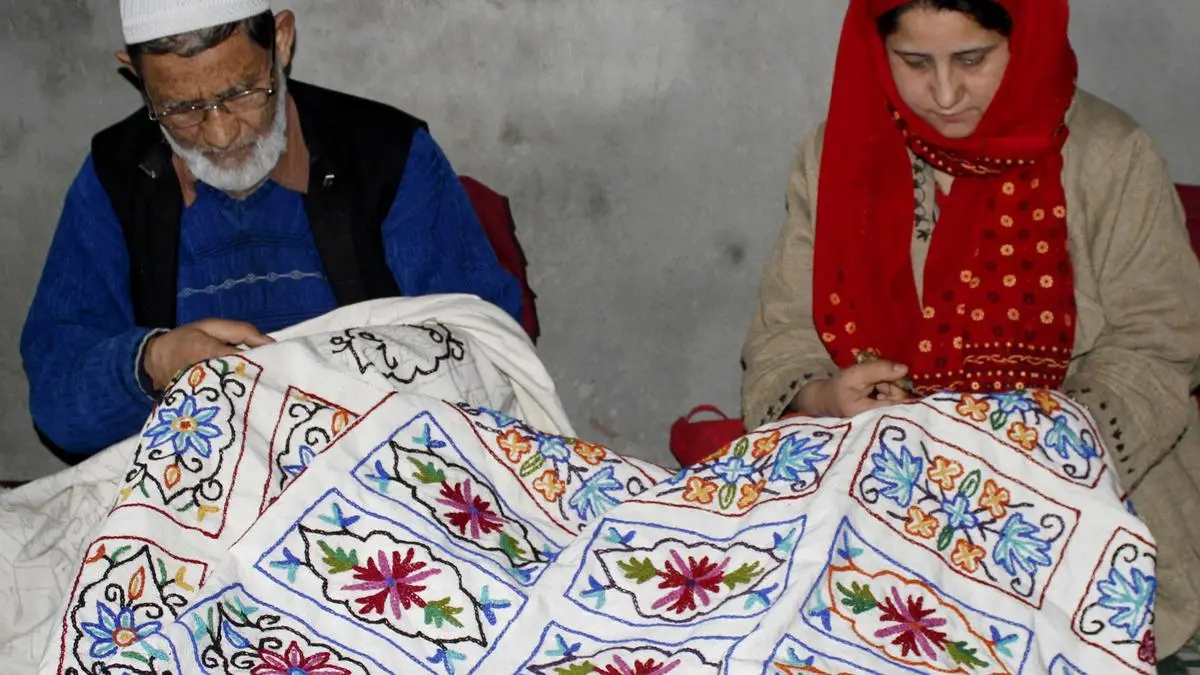
According to official figures, the handicrafts sector supports the livelihoods of more than 440,000 artisans (File photo)
| Photo Credit:
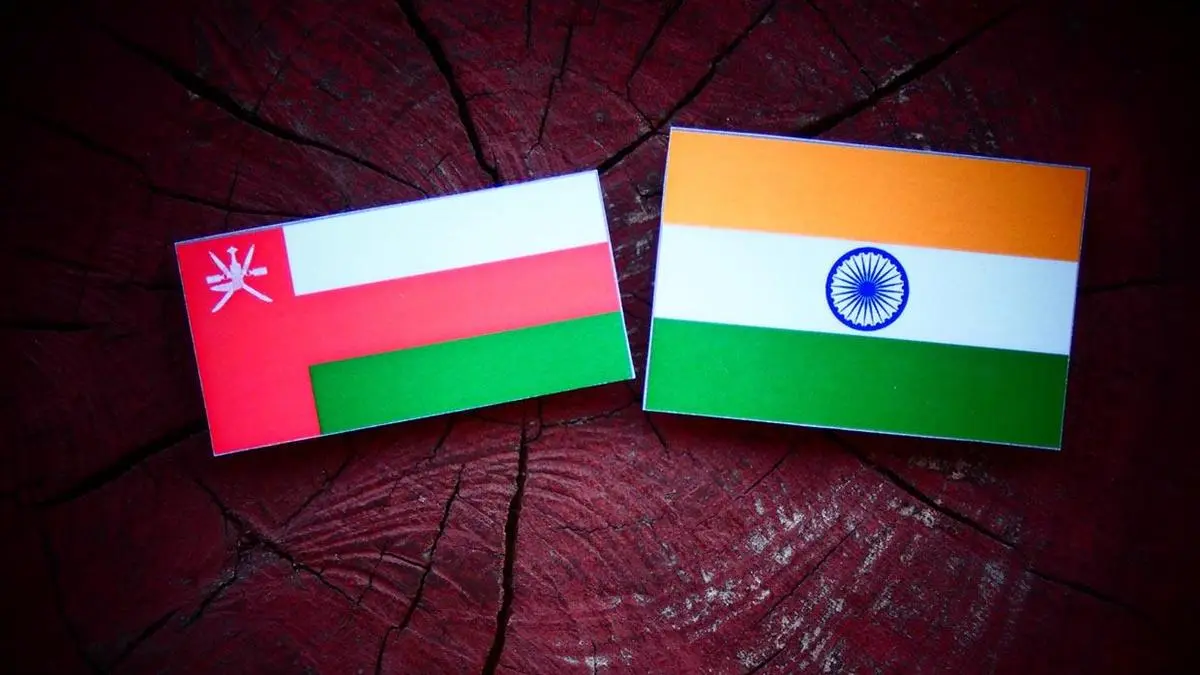
Kashmir’s handicraft sector is pinning hopes on the India-Oman Comprehensive Economic Partnership Agreement (CEPA), which came into force on June 1.The trade pact is expected to provide a significant boost to exports from the region by removing customs duties on several handicraft products entering Oman, one of the key markets for Kashmiri goods.Javed Ahmad Tenga, president of the Kashmir Chamber of Commerce and Industry (KCCI), told businessline that Kashmir exports handicraft products worth around ₹250 crore annually to Gulf countries.Key market“Oman is an important destination for Kashmiri handicrafts, particularly shawls. Earlier, there was a 5 per cent duty on handicraft items. The CEPA will remove this duty, making our products more competitive and benefiting both exporters and artisans,” Tenga said.A wide range of Kashmiri shawls, including Pashmina, woollen, Sozni-embroidered and jacquard varieties, are exported to Oman and other Gulf markets.The agreement comes at a crucial time for the sector, which has been grappling with declining orders and payment delays following disruptions in regional trade routes linked to tensions in West Asia.The Gulf region remains one of the largest markets for Kashmir’s handicraft products, and the recent disruptions have created a liquidity crunch across the sector, affecting thousands of artisans, weavers and small exporters dependent on overseas demand.According to official figures, the handicrafts sector supports the livelihoods of more than 440,000 artisans, making it the second-largest source of employment in Kashmir after agriculture.“We are expecting that the pact will help revive the industry and create new opportunities for the sector,” Tenga said.For artisans, the agreement offers hope after months of uncertainty.“We have seen a decline in work over the past year because exporters were receiving fewer orders,” said Abdul Rashid, a Pashmina weaver from Srinagar. “If exports increase because of lower duties, it will mean more work and better earnings for artisans like us.”Bashir Ahmad, a shawl embroiderer who has worked in the craft for more than three decades, said many families were struggling due to irregular orders.“Our income depends entirely on demand. When orders stop, the impact is felt immediately in our homes. Any step that opens new markets is welcome,” he said.Exporters say the CEPA could also help Kashmir regain market share against competitors from other countries.“If trade flows improve and demand picks up, the benefits will eventually reach artisans at the grassroots level," said an exporter.Published on June 4, 2026