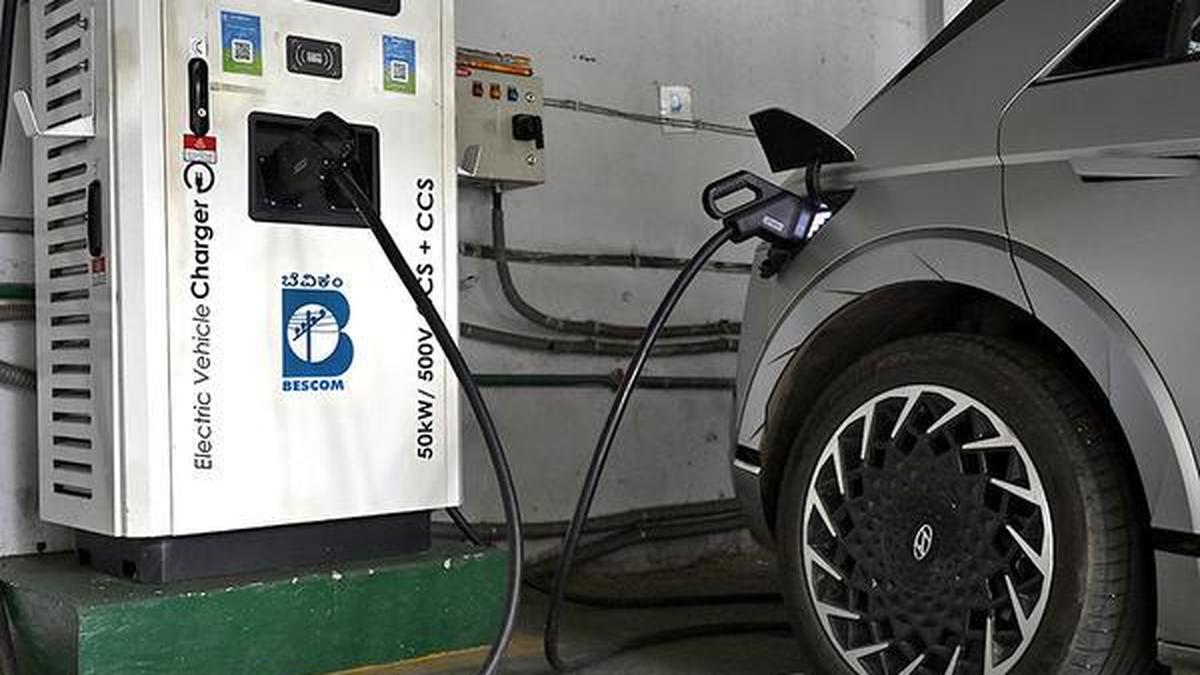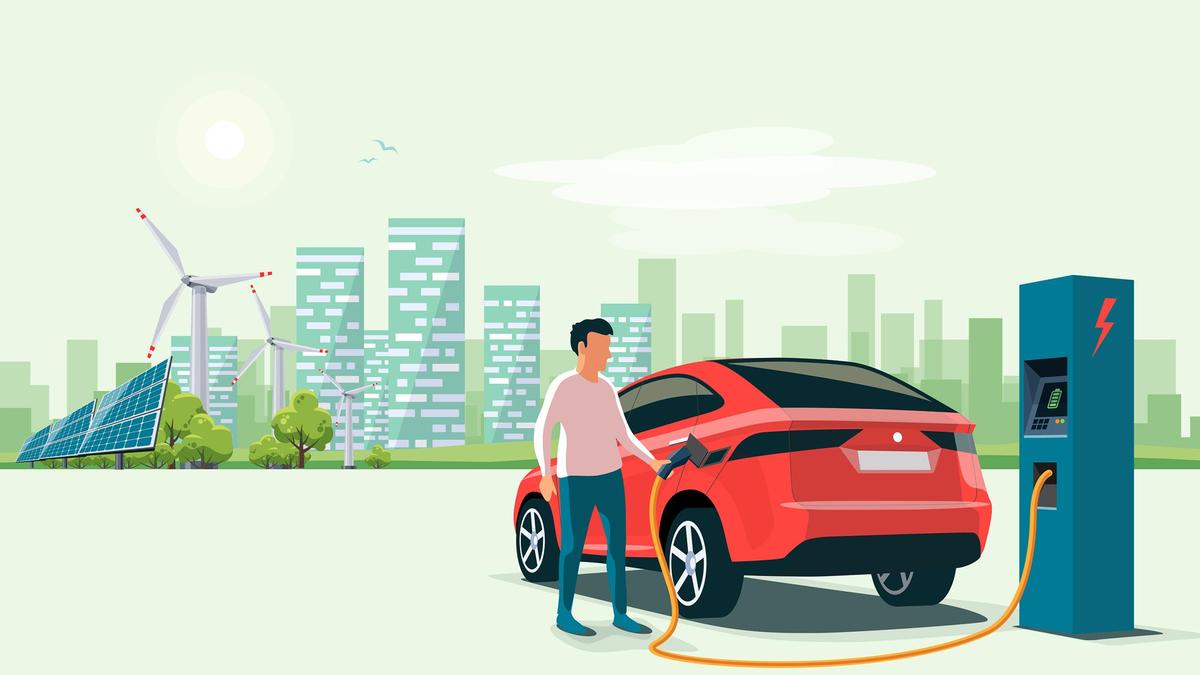
Bringing the charger to the vehicle when needed would encourage wider EV adoption in India
| Photo Credit:
Peter Varga
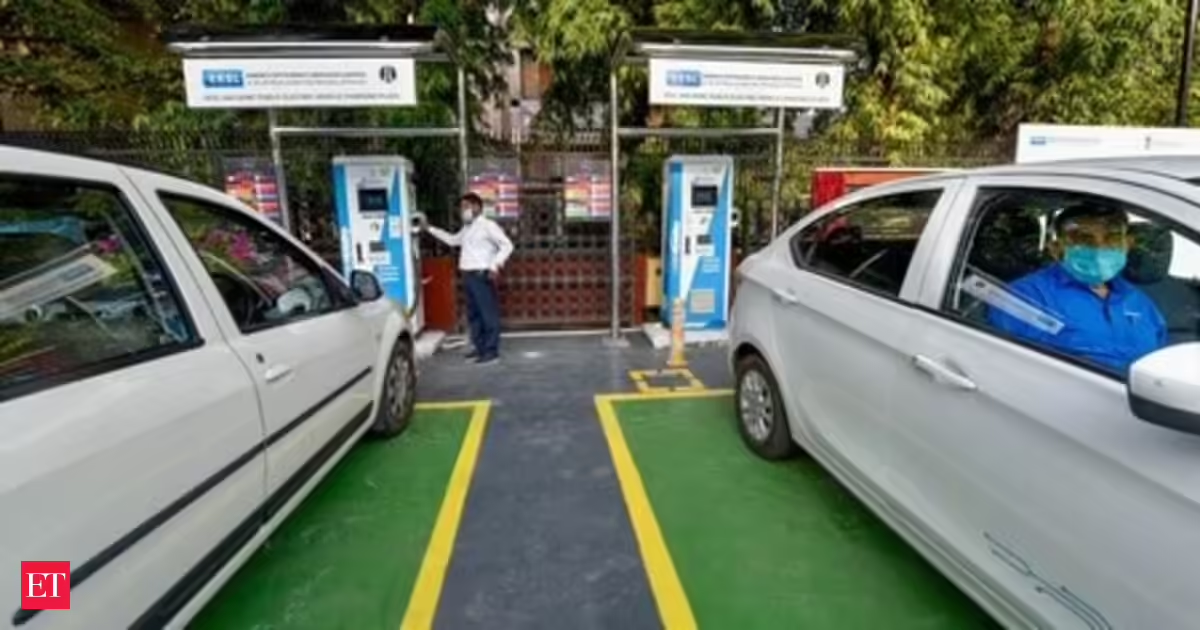
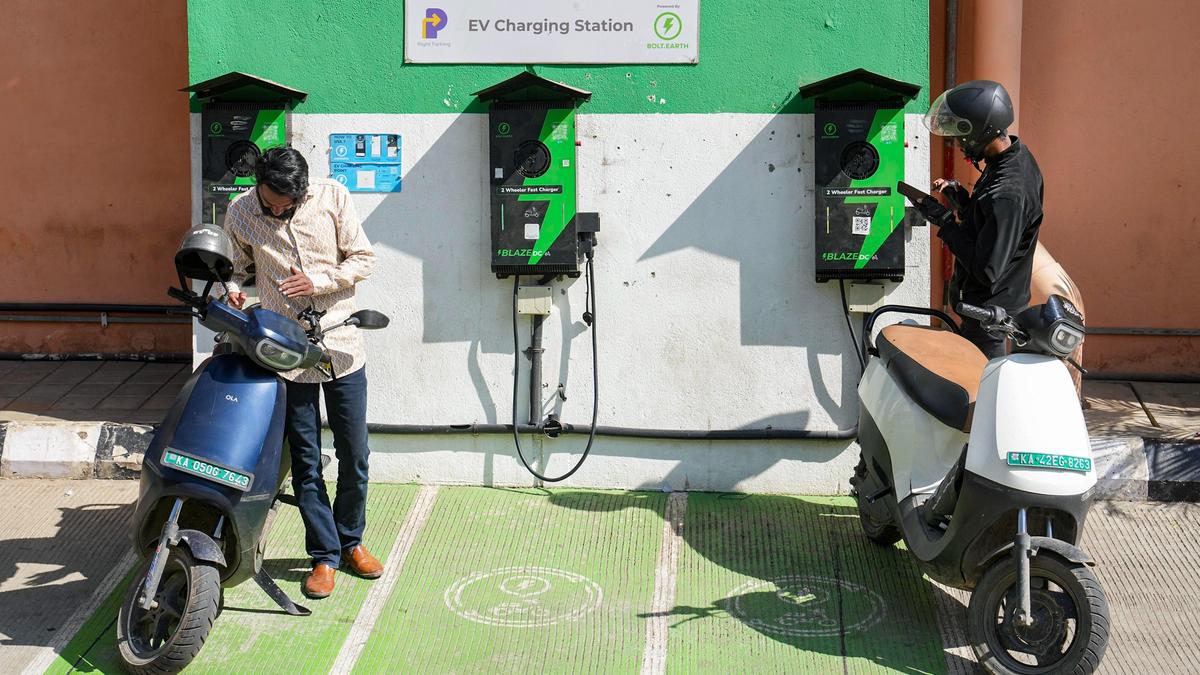
India’s electric mobility market is growing rapidly, but the next phase of EV adoption will depend not only on the availability and price of electric vehicles but also on the confidence of consumers to take them beyond cities and on long highway journeys.One concern continues to remain strong among potential EV buyers: what happens if the battery runs out in the middle of a highway and there is no charging station nearby?This fear of being stranded, commonly referred to as range anxiety, can discourage consumers from choosing an EV, particularly for inter-city travel. According to the latest government data, India had 52,718 public EV charging stations as of July 2026, including 16,561 stations with fast-charging facilities. This represents a substantial increase from the approximately 25,000 public charging stations reported by NITI Aayog in October 2024.However, the expansion of fixed charging stations alone may not be enough to address India’s highway charging challenge. Building a dense and reliable charging network comparable to those in developed EV markets will take time, given the requirements of land, grid connectivity, power capacity and investment.Bridging the gapPortable EV charging infrastructure based on flex-fuel technology can help bridge this transition gap by providing charging wherever and whenever it is needed. In this phase of India’s EV journey, a mobile charging network can act as a vital support system, almost an “oxygen” for the growing EV ecosystem and giving consumers the confidence to undertake long-distance journeys without the constant fear of being stranded with a discharged battery.Several developed EV markets are already exploring mobile and portable charging as a complement to fixed charging infrastructure. In the US and parts of Europe, mobile charging services are being used or tested to provide on-demand roadside charging, particularly where fixed chargers are unavailable or during emergencies.The concept is straightforward: a mobile charging vehicle equipped with a high-capacity DC charger and an ethanol-based flex-fuel generator could be stationed at selected petrol pumps, highway service centres and strategic locations and dispatched when an EV is stranded with a low or depleted battery. The owner could call a toll-free number, share the vehicle’s location and request assistance, allowing the charger to come to the vehicle instead of towing it to a distant charging station.To make the model commercially viable, the service could offer 50 per cent, 75 per cent and 100 per cent charging options, depending on the battery capacity, customer requirement and distance to the nearest fixed charger.The mobile unit could use a flex-fuel generator designed for high-ethanol blends in the E85-E100 range, subject to appropriate design, testing and certification. The generator would produce electricity for a compatible DC fast charger, while the EV would continue to operate entirely on electricity.This could create a practical link between India’s growing ethanol ecosystem and electric mobility, while providing an independent source of power where grid-connected charging is unavailable or too far away.Petrol pumps could play a key role in this model. Their extensive presence along highways makes them suitable bases for mobile charging units. Over time, petrol pumps could evolve into multi-energy mobility centres, offering conventional fuels, ethanol-based fuels, fixed EV charging and mobile charging assistance.Bringing the charger to the vehicle when needed could help turn range anxiety into range confidence and encourage wider EV adoption in India.Sharma is Professor at MBM University, Jodhpur. Jyani and Shah have research interests in non-conventional energyPublished on August 27, 2026