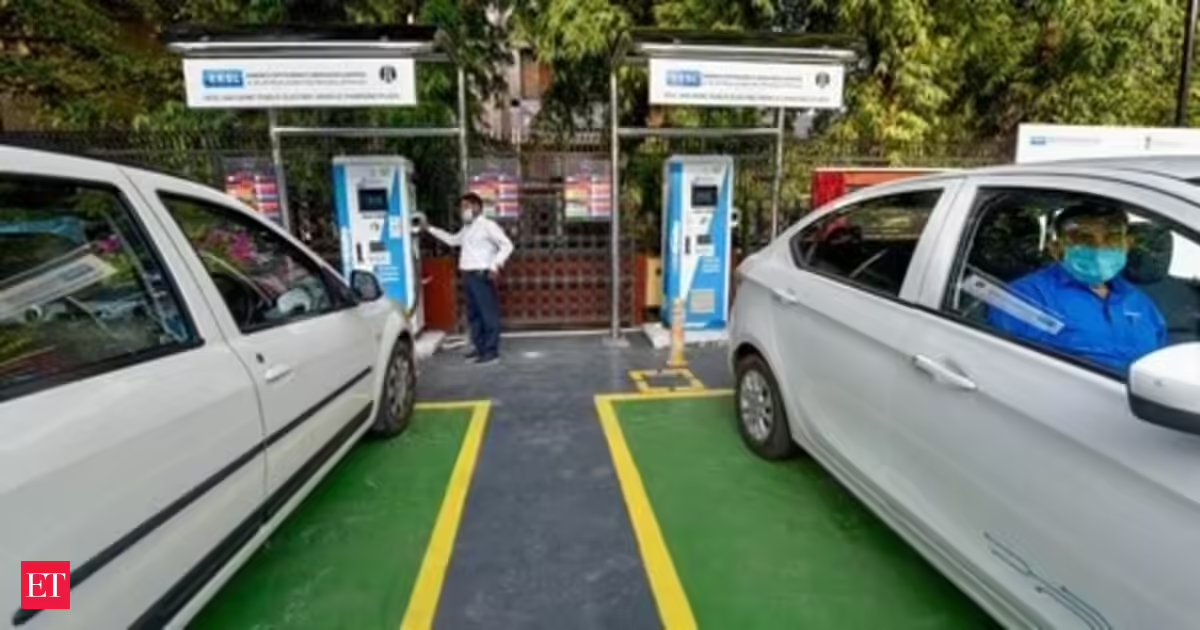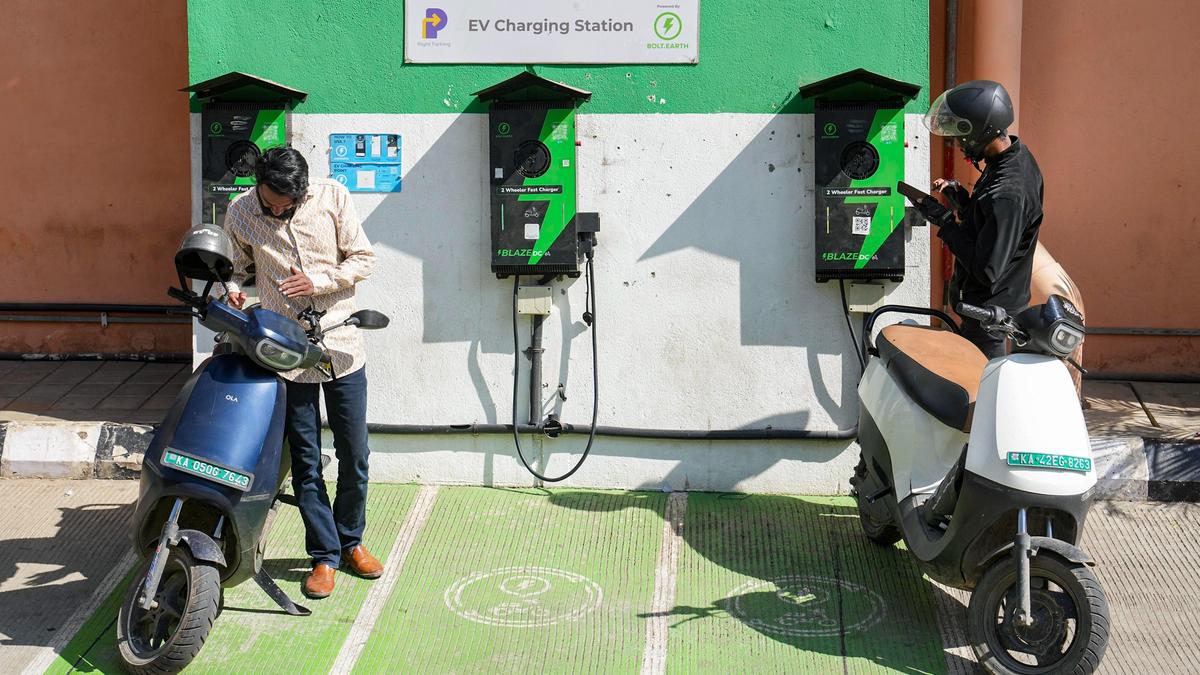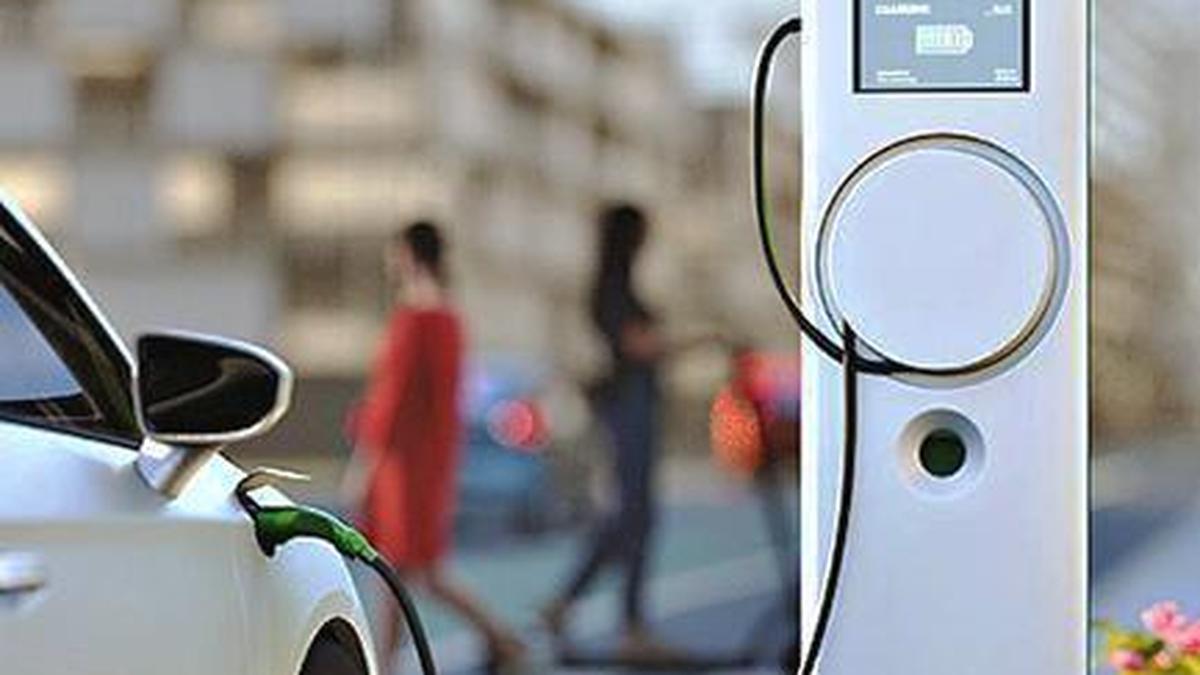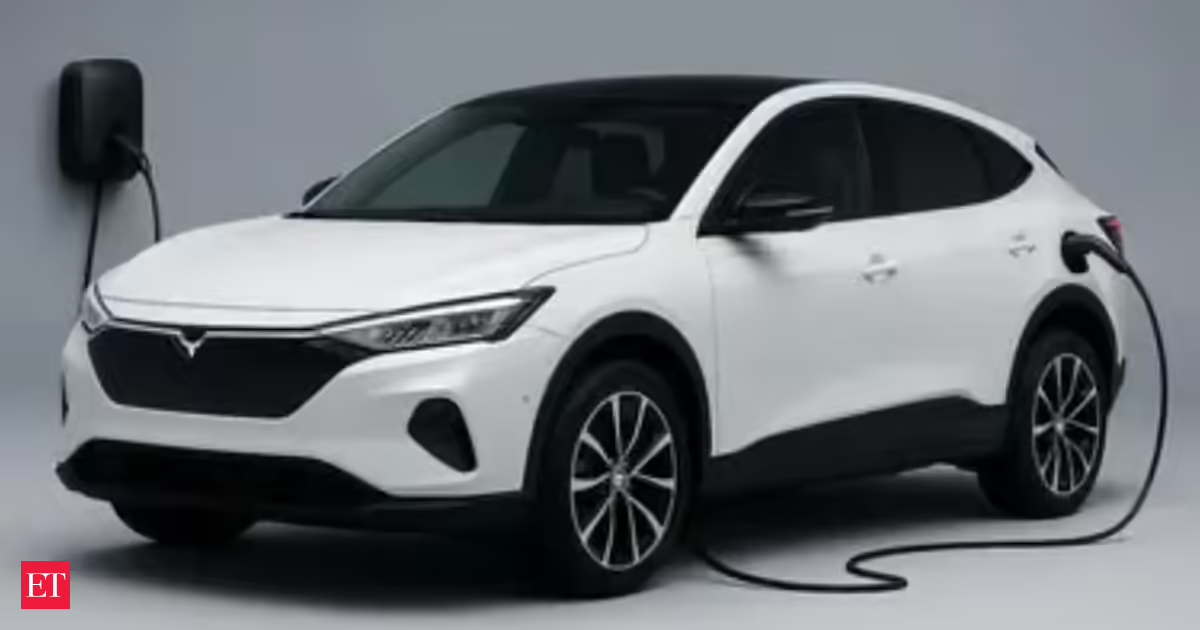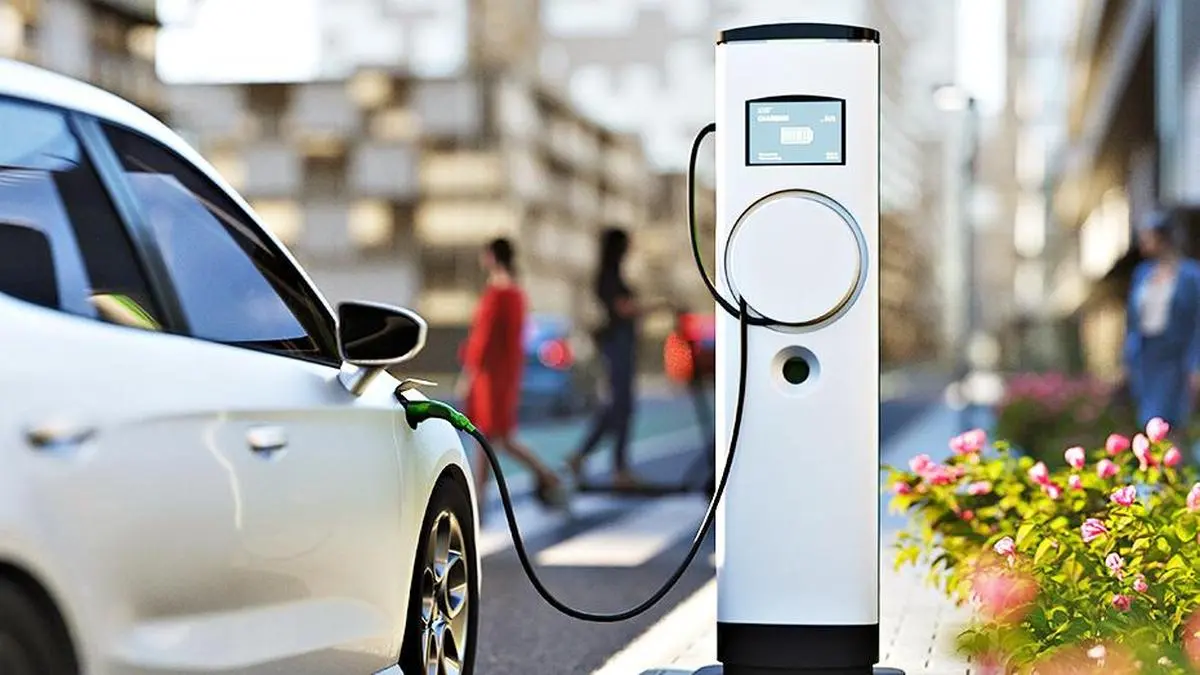
Even as India’s EV landscape expands at a rapid pace, particularly electric 2-wheelers and 3-wheelers, structural challenges such as inadequate and underutilised residential charging infrastructure threaten to dilute the momentum.A joint study by Kazam and Alliance for an Energy Efficient Economy (AEEE) points out that despite the growth in EV adoption, access to safe and reliable residential charging remains constrained by a set of persistent yet often unseen barriers.Kazam is a leading EV charging solutions provider, while AEEE is a policy think tank focusing on India’s clean energy transition.There is a significant gap between the surge in EV adoption and the underdeveloped charging infrastructure, particularly in residential areas, said Kazam co-founder & CEO Akshay Shekhar.“The report identifies five interconnected categories of barriers that collectively hinder safe and scalable residential EV charging—technical challenges, structural & spatial constraints, legal & governance barriers, social & behavioural barriers and economic barriers,” he told businessline.Technical barriers stem from limitations in existing electrical systems and safety readiness for sustained EV charging loads. On the other hand, economic barriers include upfront and retrofit costs that make home charging less accessible, particularly for low-income users.While housing-related barriers emerge from space constraints, shared infrastructure, and design limitations in residential buildings, governance barriers include regulatory gaps, unclear responsibilities, and coordination challenges among stakeholders.There are some major aspects impacting residential charging of EVs. First is that a lot of EV consumers do not install EV meters at home and started charging from normal connections. This impacted demand forecasting for the utilities. Such instances lead to blackouts and transformer outages, Shekhar said.“Second is that many residential units do not have earthing, which is concerning. Third, is the proper thickness of the wiring from the meter to the EV charge point. It needs to be of a certain thickness to avoid thermal runaway,” he added.Residential chargingResidential charging is where India’s EV transition will succeed, emphasises Sumedh Agarwal, Director-Smart & Resilient Power & E-Mobility at AEEE.“As two and three-wheelers dominate EV sales, the home has become the primary charging station for millions of users. For gig and delivery workers especially, a reliable overnight charge is not a convenience. It is what determines whether they can earn the next day,” he added.The report highlights that when it comes to residential EV charging networks, India lacks a practical implementation pathway.It defines an EV-ready home as one that can safely deliver a sustained electrical load for EV charging, protect users and equipment from electrical faults, operate reliably under variable grid conditions, and accommodate future increases in EV demand.This report drew on over 80,000 residential charger installations across diverse housing typologies, field visits to urban and rural areas, and structured consultations with Discoms, vehicle OEMs, real estate developers, and policy practitioners, Agarwal said.Around 45 per cent of Indian homes require electrical upgrades before they can safely charge an EV, and the costs of that gap are already being borne quietly by users whom existing policy has not yet served, he pointed out.“What residential charging now needs is clear institutional ownership and coordinated accountability across housing, electricity, and mobility systems, with targeted support prioritised for the households that need it most,” he stressed.The report emphasises creating a national residential EV readiness framework—a unified structure integrating existing standards, regulations, and guidelines into a coherent implementation pathway for residential charging.Another suggestion is to define EV-ready buildings as those capable of supporting actual EV charging into building bye-laws, redevelopment programmes, affordable housing schemes, rental housing guidance, and urban development initiatives, including through building plan approvals and occupancy certification.“Treat residential EV readiness as an issue of access, affordability, and livelihood security, particularly for gig and delivery workers dependent on overnight home charging,” the report suggested.“What we are saying is that the RTO clears a vehicle to be legally ready for the road. Similarly, if you are buying an EV, then the RTO should certify whether the EV is ready for the road, taking into account all parameters,” Shekhar said.Published on June 30, 2026
EV-ready homes critical for grid resilience, energy planning
Explore the critical need for EV-ready homes to enhance grid resilience and ensure reliable residential charging in India's growing EV market.
660 words~3 min read