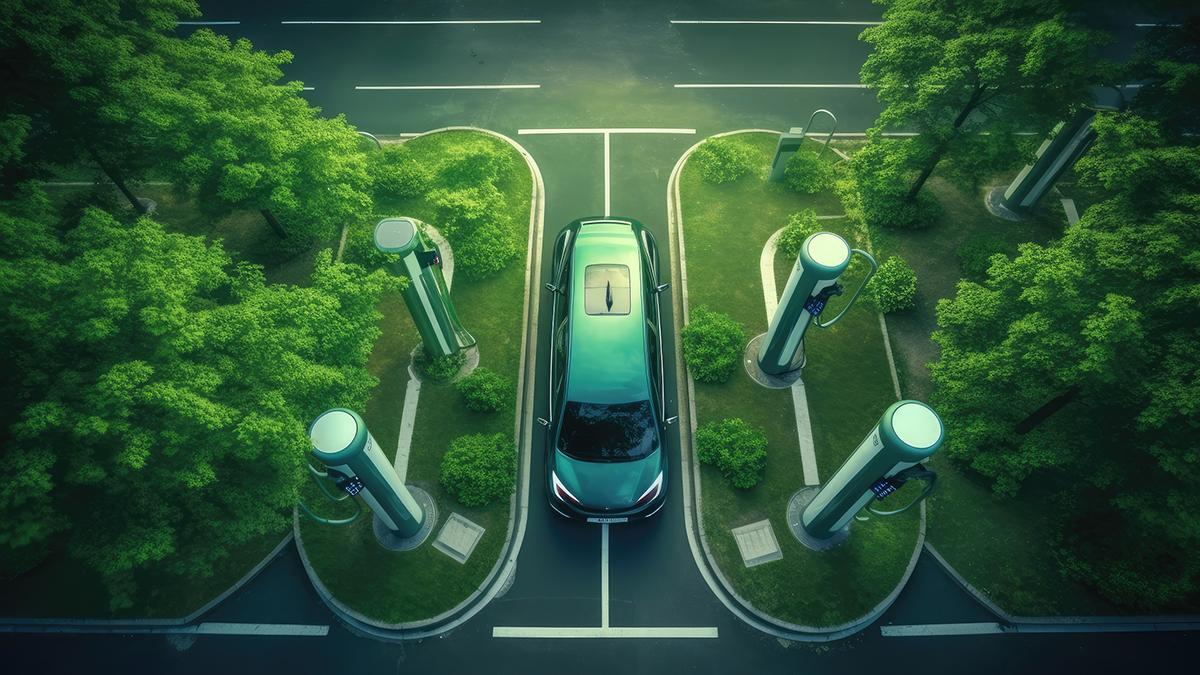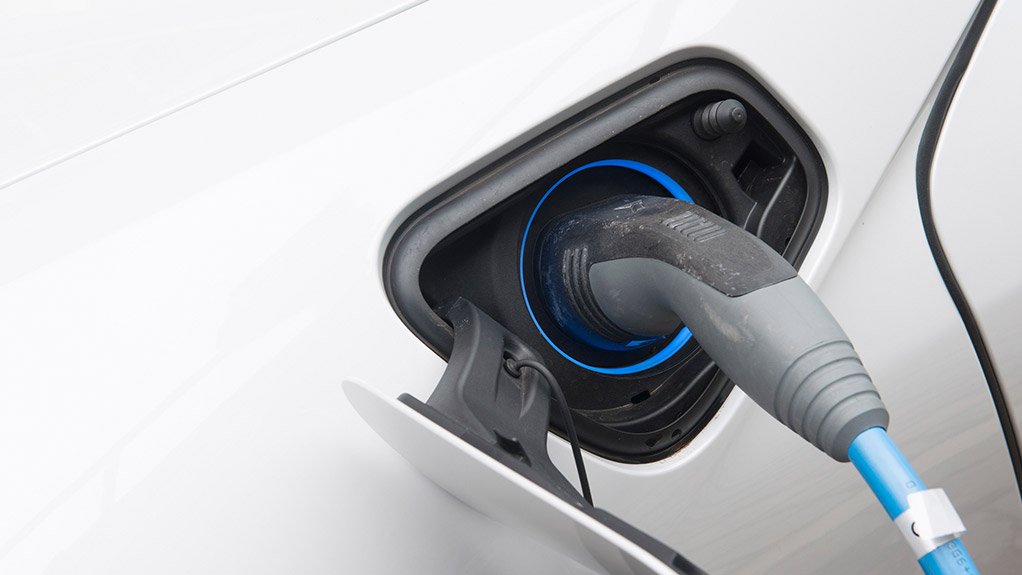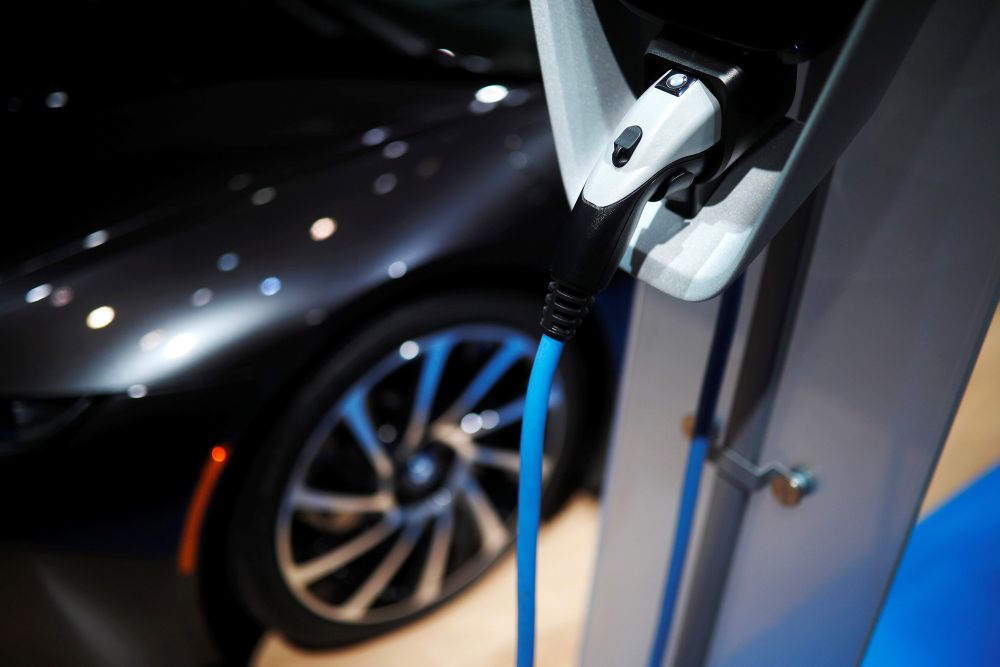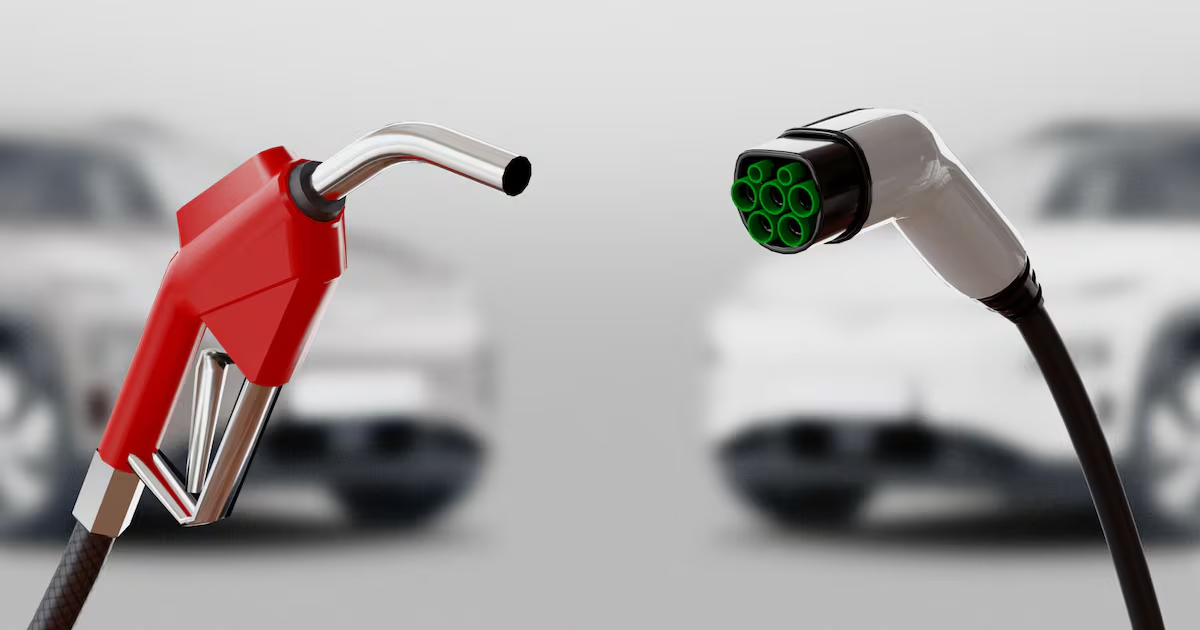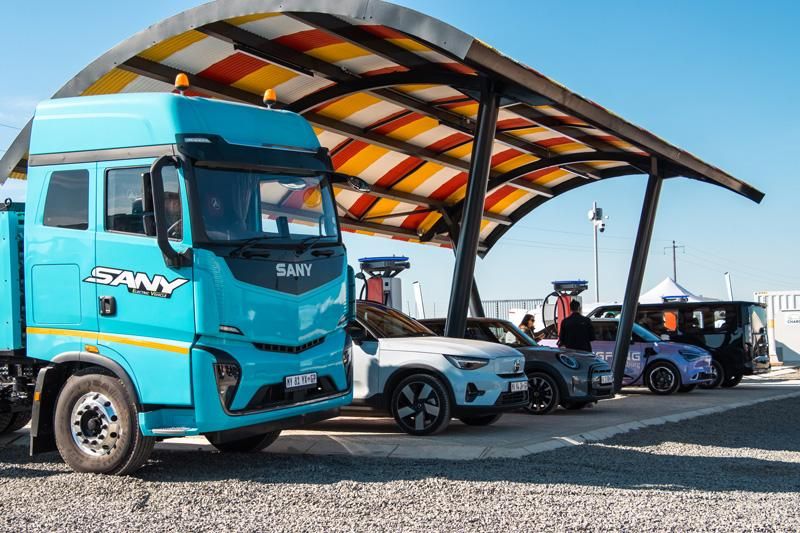
Factors such as increased volatility in global energy markets have boosted interest in electric vehicles (EVs) this year. With the whole world driving towards an electric future, what does this journey look like for South Africa?The latest Naamsa figures show sales of battery-electric vehicles (BEVs) in South Africa have grown about 230% year-on-year. That sounds impressive, but it does require more context. BEVs account for less than 1% of the local market.Growing EV adoption starts with a clear strategy to unite the government and industry through a shared purpose. While it is our responsibility to produce the vehicles, the government, together with a host of other stakeholders, will need to make sure that the infrastructure is in place to drive demand.Infrastructure: A chicken-and-egg scenarioThe ability to plug in at your local shopping centre, complete your weekly grocery run and return to a fully charged vehicle is the selling point. But that’s just around town. Fast-charging infrastructure along highways is a necessity to make cross-country trips a practical reality. South Africa is making progress with the rollout of charging infrastructure, including the recent launch of the Charge N3 Roadside ultra-fast charging station in the Free State, at Leeukop farm stall on the N3. It’s a step in the right direction, but this market demands a higher EV adoption rate to make greater strides. South Africans are understandably hesitant to commit to an EV purchase, and at the same time, charging infrastructure providers are hesitant to invest when demand is slow to grow. It’s an unfortunate chicken-and-egg scenario.There should be more excitement around electrification and how it benefits South Africans. Infrastructure availability directly influences the choice between an EV or a plug-in hybrid electric vehicle (PHEV). With each new charging station, the roadmap to electrification becomes clearer for consumers.But we are moving forward as an industry. The BMW Group is proud to offer the largest portfolio of new energy vehicles (NEVs) in South Africa’s premium segment, which began with the local launch of the i3 and i8 models in 2013. These investments continue to this day, representing a serious financial commitment, especially considering the capital intensity of infrastructure installations along with the unpredictable nature of modern technology lifecycles.BMW Group doesn’t back one technology over another. We invest in internal combustion engines, PHEVs and BEVs, giving customers the freedom to choose the solution that best meets their mobility needs. Manufacturing: A proactive, reinforcing cycleNow it’s time for manufacturing to help drive up EV demand. Local manufacturing acts as the anchor for building a viable and resilient domestic market. It helps address the critical issue of affordability, the biggest hurdle to EV and PHEV ownership.South Africa’s automotive manufacturing sector is built to meet export demand and compete globally, with EVs in particularly high demand overseas. By building on industry gains made over the past five decades, South Africa is well positioned to expand local production for export markets.Case in point: BMW Group’s Rosslyn plant is the only one in our worldwide network producing the BMW X3 PHEV for global markets.Domestic production creates a positive cycle, where increased investments drive down consumer costs. Rising local demand would justify expansion of charging infrastructure and support the growth of South Africa’s service and repair industry. While this point has not yet been reached, the pathway has certainly become clearer.As of March, manufacturers investing locally in EV or hydrogen-vehicle production assets have been able to claim a 150% tax deduction for qualifying investments in infrastructure and equipment. This is one of the stepping stones on the path to a new energy future. But more momentum is needed to drive domestic acceptance of NEVs. Long-term policy certainty will be just as important as investment incentives in giving manufacturers the confidence to commit capital and expand local production.There should be more excitement around electrification and how it benefits South Africans and transforms the way they live, work and move. The launch of new EV and PHEV derivatives from the BMW Group and other brands reflects the market confidence we see.South Africa has the capability, industrial base and expertise to play a meaningful role in the global transition to new energy mobility. Continued collaboration between industry and the government will determine how quickly we realise that opportunity. A success story is being written in South Africa. And that story will culminate in a new age of intelligent and sustainable African mobility.• Van Binsbergen is CEO at BMW Group South Africa
PETER VAN BINSBERGEN | Charging stations key to sparking EV adoption in South Africa
Electric vehicles are gaining in popularity, thanks in part to high oil prices — but locally we need more fast-charging infrastructure for long-distance drivers, writes Peter van Binsbergen
739 words~3 min read