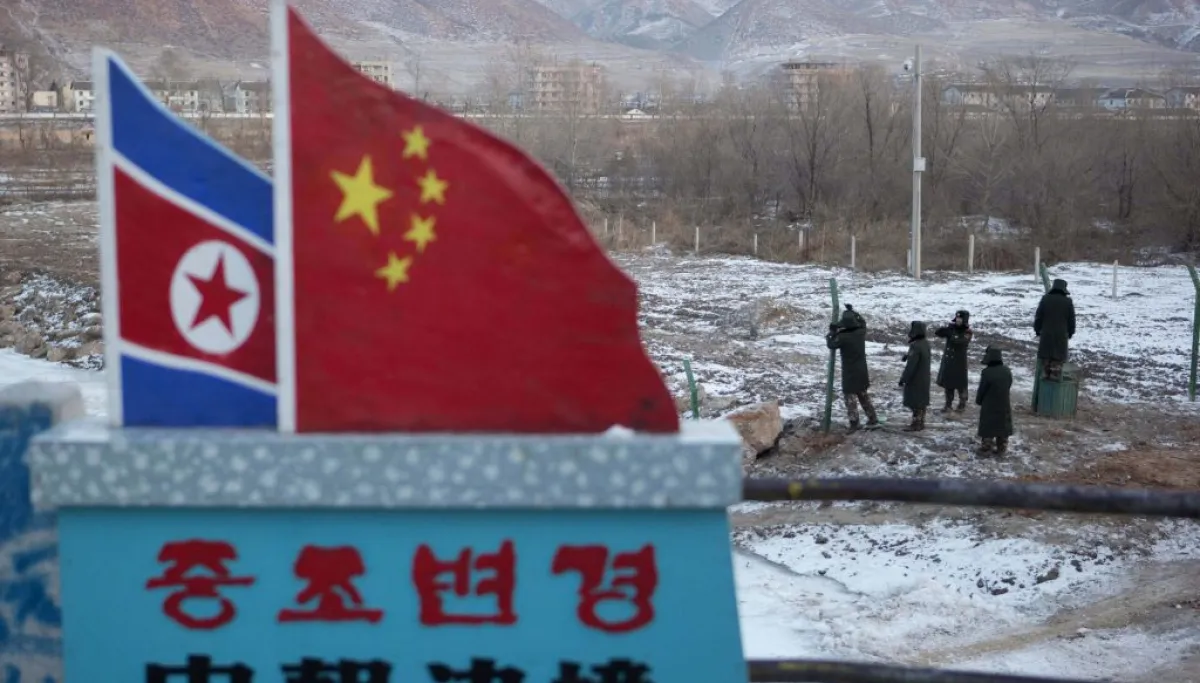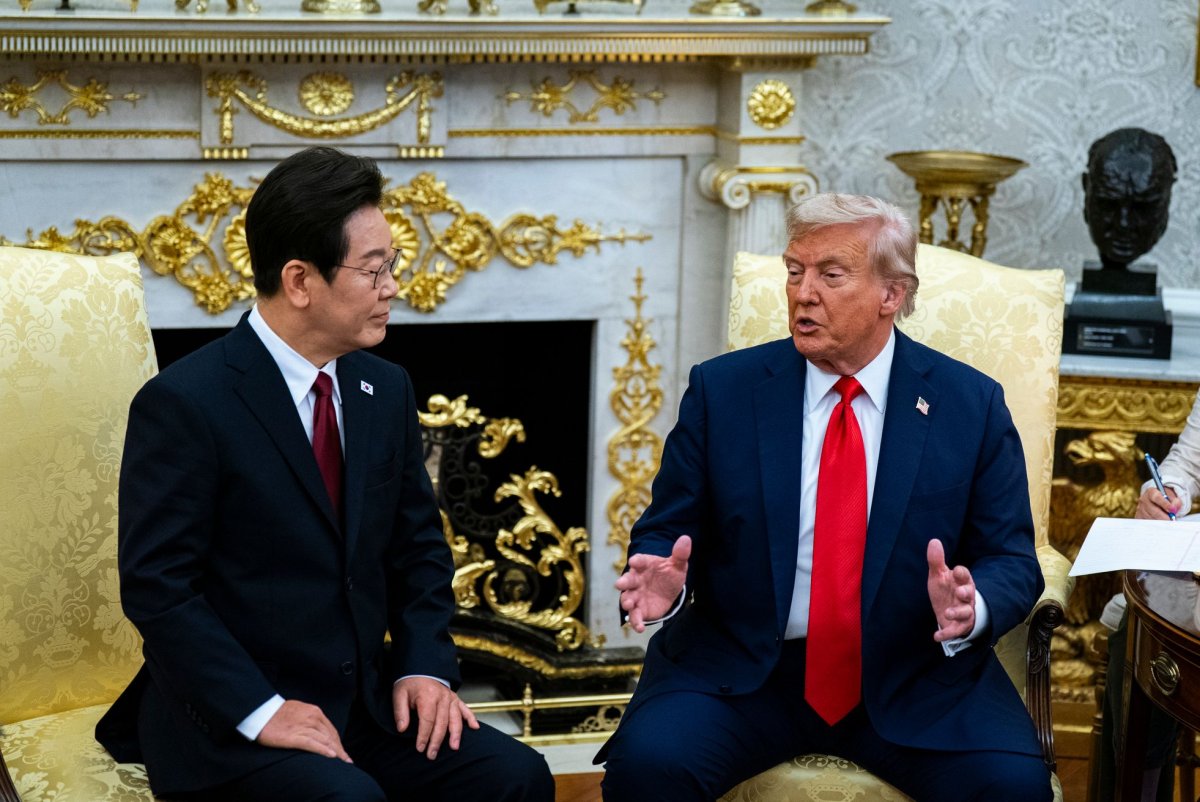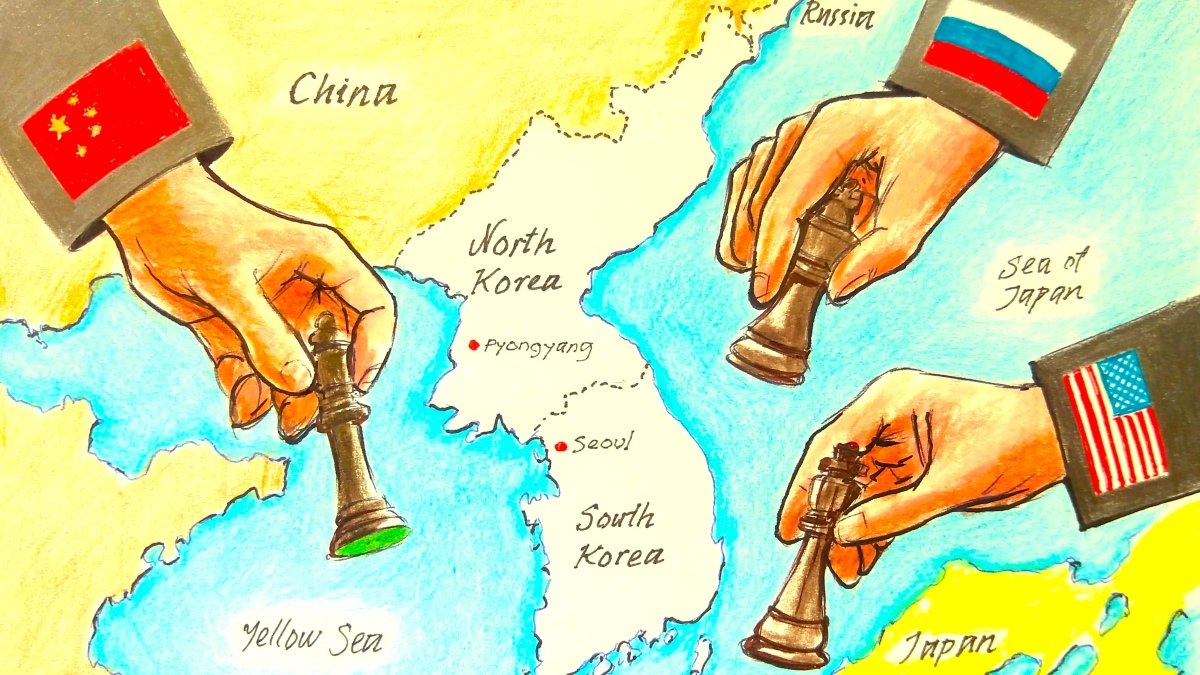
For decades, the strategic map of the Korean Peninsula appeared relatively straightforward. The United States and South Korea stood on one side, while North Korea relied primarily on China. Russia remained an important but secondary actor, and denuclearization dominated almost every diplomatic initiative concerning Pyongyang. That familiar geometry is now much harder to sustain.
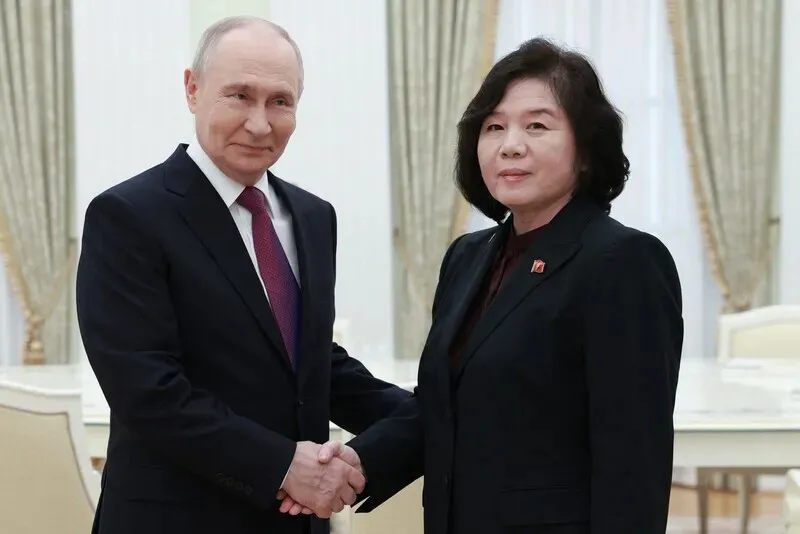
U.S. President Donald Trump's renewed overtures to North Korean leader Kim Jong Un are the most visible sign of change, but they are only part of a broader transformation. Pyongyang has developed a much deeper relationship with Moscow, Seoul is seeking greater diplomatic and strategic room for maneuver, and Beijing is reaching out to South Korea while maintaining its relationship with the North. The old alliances are not disappearing, though the relationships within and between them are growing considerably more fluid.
Trump returns to Kim
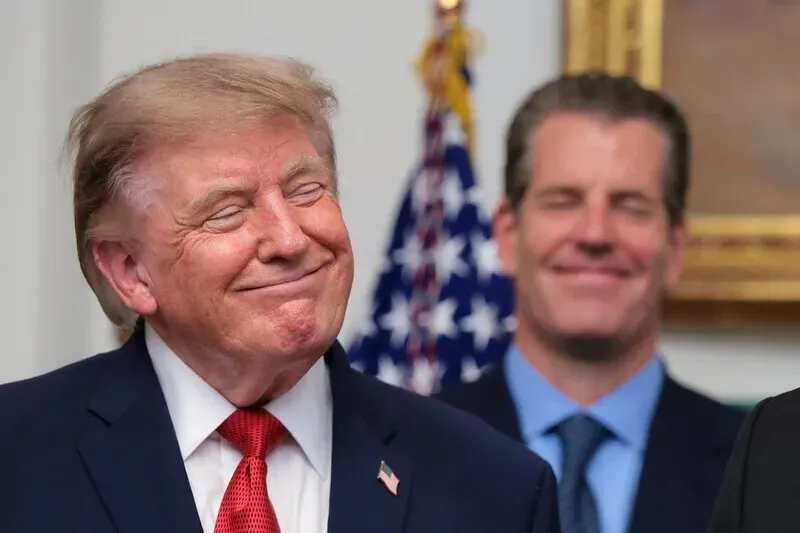
Trump's latest moves inevitably recall 2018. He ordered the Pentagon to substantially reduce the annual Ulchi Freedom Shield exercises with South Korea, describing them as "inappropriate and hostile." He has also expressed his desire to meet Kim again later this year.
This resembles Trump's first-term approach: lower tensions, establish direct leader-to-leader communication and try to achieve through personal diplomacy what conventional negotiations failed to deliver. Yet, Trump would be returning to a very different Korean Peninsula.