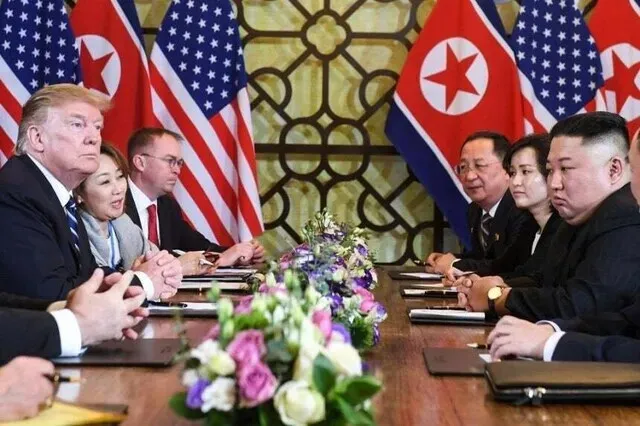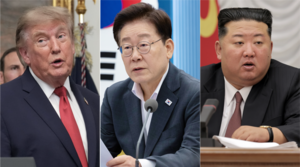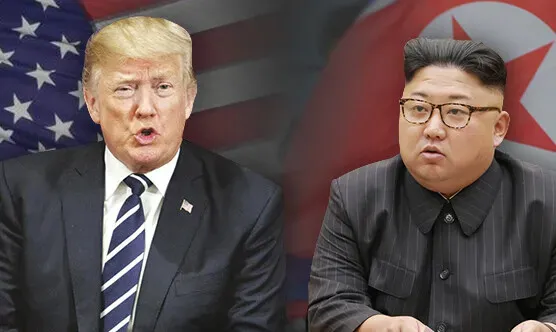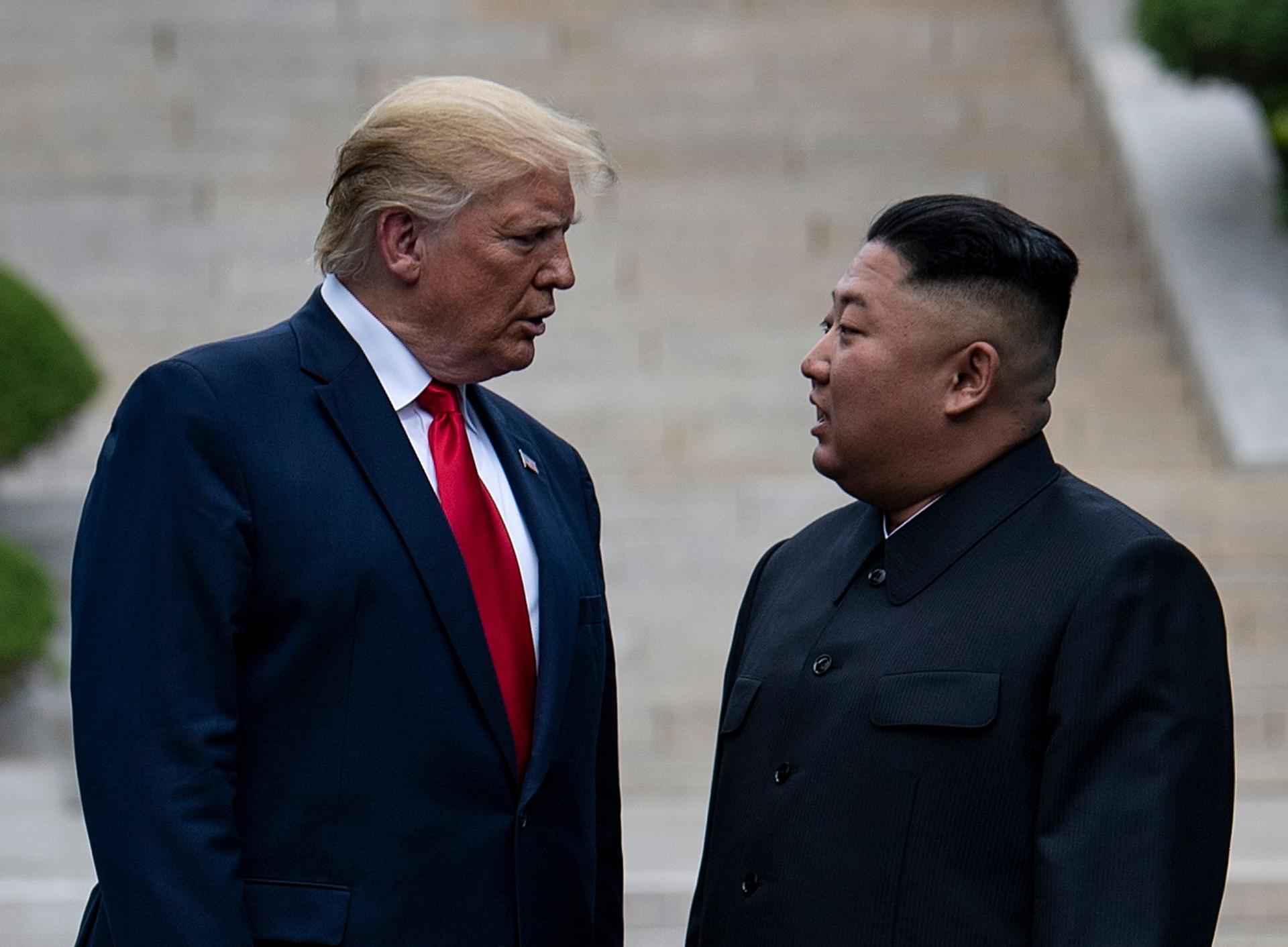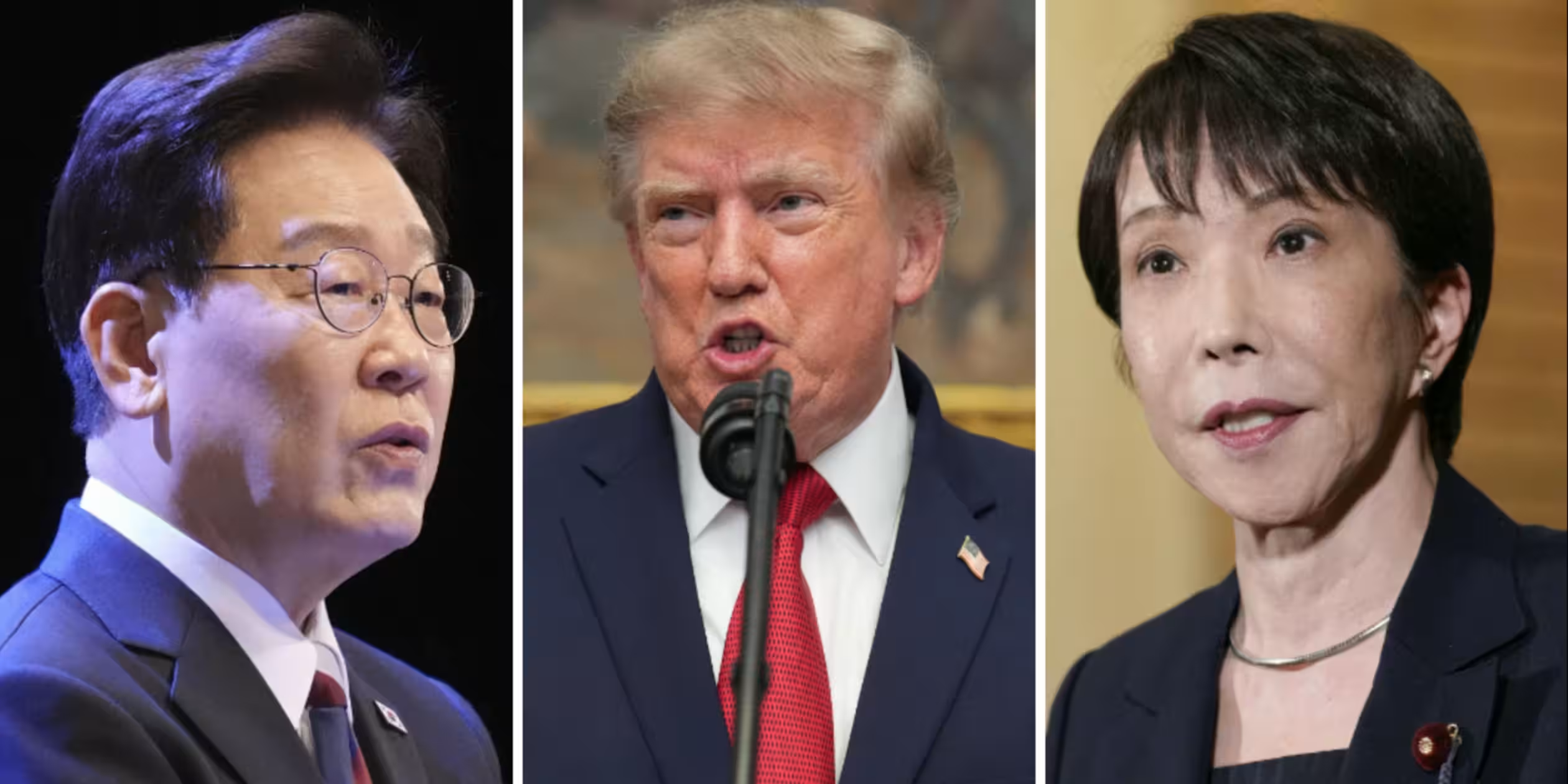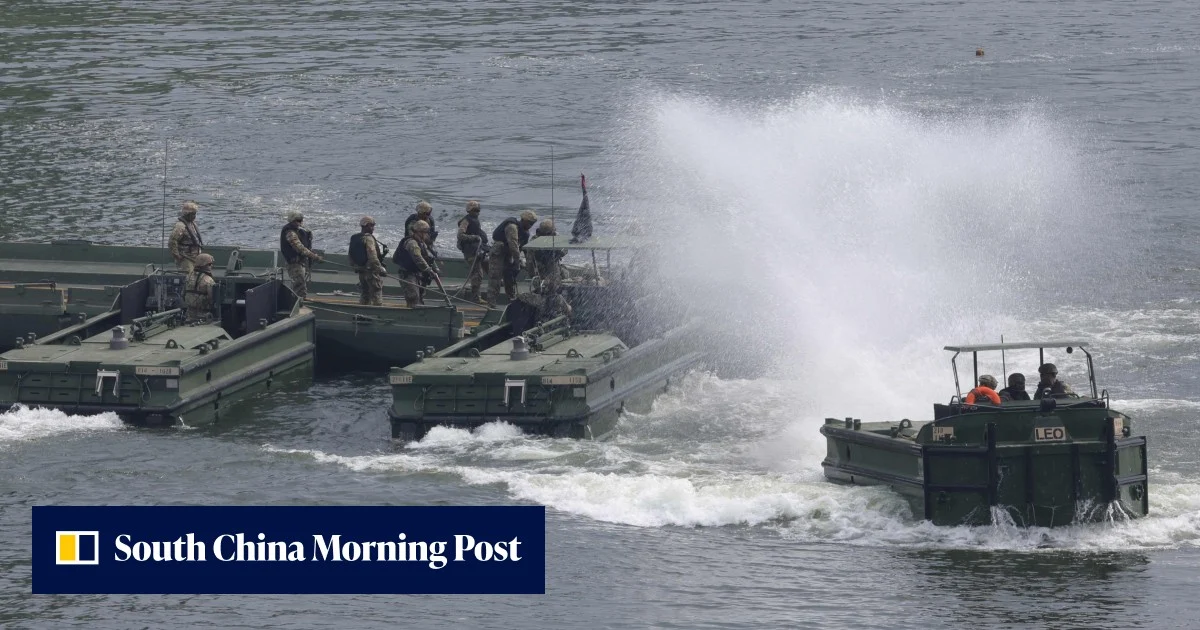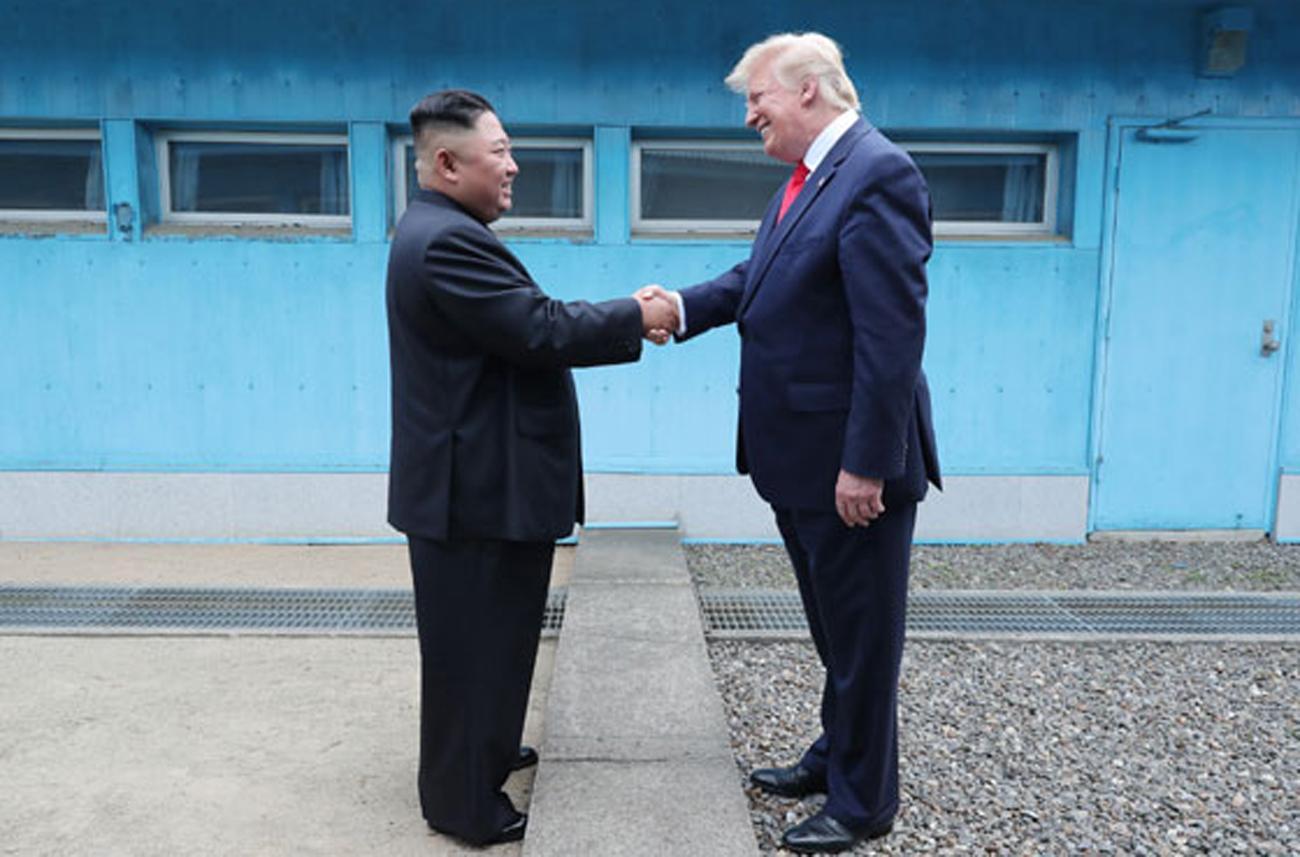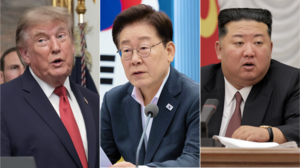
Old playbook no longer works but Trump, Lee still in alignment despite recent alliance concerns From left: US President Donald Trump, South Korean President Lee Jae Myung and North Korean leader Kim Jong-un (AP, Yonhap and KCNA via Yonhap) The United States should take the lead in engaging North Korea, while South Korea should take a supporting role rather than trying to work as the intermediary as it did eight years ago, a Seoul-based expert said.Lee Sang-sin, director of the Unification Policy Research Division at the Korea Institute for National Unification, said the approach taken in 2018 would be difficult to repeat now as Pyongyang has cut off all communication with Seoul.The institute is a state-funded think tank under the Prime Minister's Office.In 2018, the Moon Jae-in administration sought to bring Washington and Pyongyang together as inter-Korean exchanges gained momentum around the PyeongChang Winter Olympics in February that year.The diplomatic push helped pave the way for the first summit between US President Donald Trump and North Korean leader Kim Jong-un in Singapore later that June.But the situation has since changed, he said, pointing to North Korea's declaration in late 2023 that the two Koreas are "hostile states" and its refusal to engage with Seoul."Now South Korea and the United States should switch roles, with the United States first engaging in dialogue with North Korea and South Korea supporting those efforts," he said in a report released Aug. 17.Such US-led engagement, if successful, could also provide an opening for easing military tensions between the two Koreas, he added.He cited Trump's recent order to scale back the allies' Ulchi Freedom Shield exercise as a sign that Washington may already be moving in that direction.South Korea and the US concluded the exercise Friday, six days earlier than initially scheduled, after Trump called for reducing the joint military drills, citing his relationship with Kim and saying the exercises sent an unnecessarily hostile signal to Pyongyang.The abrupt adjustment raised concerns in Seoul over its possible impact on combined readiness.The report, however, said Trump's move could be seen as a signal aimed at reviving dialogue with Kim.It said the move is also in line with President Lee Jae Myung's call for Trump to serve as a "peacemaker" on the Korean Peninsula, with Seoul acting as a "pacemaker" supporting US efforts to engage Pyongyang.Trump has sent similar signals since returning to office, repeatedly stressing his relationship with Kim and expressing interest in meeting him again, the report said.As another sign, the report pointed to the omission of North Korean denuclearization from the 2025 US National Security Strategy. Still, the report said this did not mean Washington had recognized North Korea as a nuclear-weapons state or abandoned denuclearization.The report also cited the two leaders' exchange at the Group of Seven summit in France in June as a sign of common ground between Seoul and Washington over how to approach Pyongyang.During the exchange, President Lee proposed to Trump a phased approach, beginning with preventing additional nuclear material production and further advances or overseas transfers of North Korea's nuclear and missile capabilities, before moving toward talks on reductions and, ultimately, denuclearization.Following the meeting, President Lee said Trump did not immediately endorse the proposal but responded that it was time to "pay attention" to North Korea.Meanwhile, the report dismissed speculation that Trump's order to cut the exercise was made in retaliation for Seoul declining to join US efforts involving Iran, calling that interpretation "overly superficial."It said Washington would likely understand the political and legal difficulties Seoul would face in sending troops to the Middle East.Still, Lee Sang-sin said the next step would largely depend on how North Korea responds."North Korea has not ruled out the possibility of dialogue, but it has drawn a clear line against putting denuclearization on the agenda (in any potential talks)," he said."For Trump's decision to reduce the joint military exercise to serve as an opportunity for new US-North Korea dialogue, North Korea and the US will need to develop a new agenda for talks, while efforts will also be needed to ensure that South Korea is not sidelined in the process," he said.
US should take lead in N. Korea talks, switching 2018 roles with Seoul: expert
The United States should take the lead in engaging North Korea, while South Korea should take a supporting role rather than trying to work as the intermediary a
688 words~3 min read