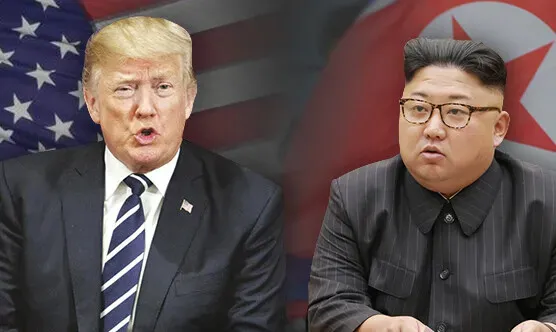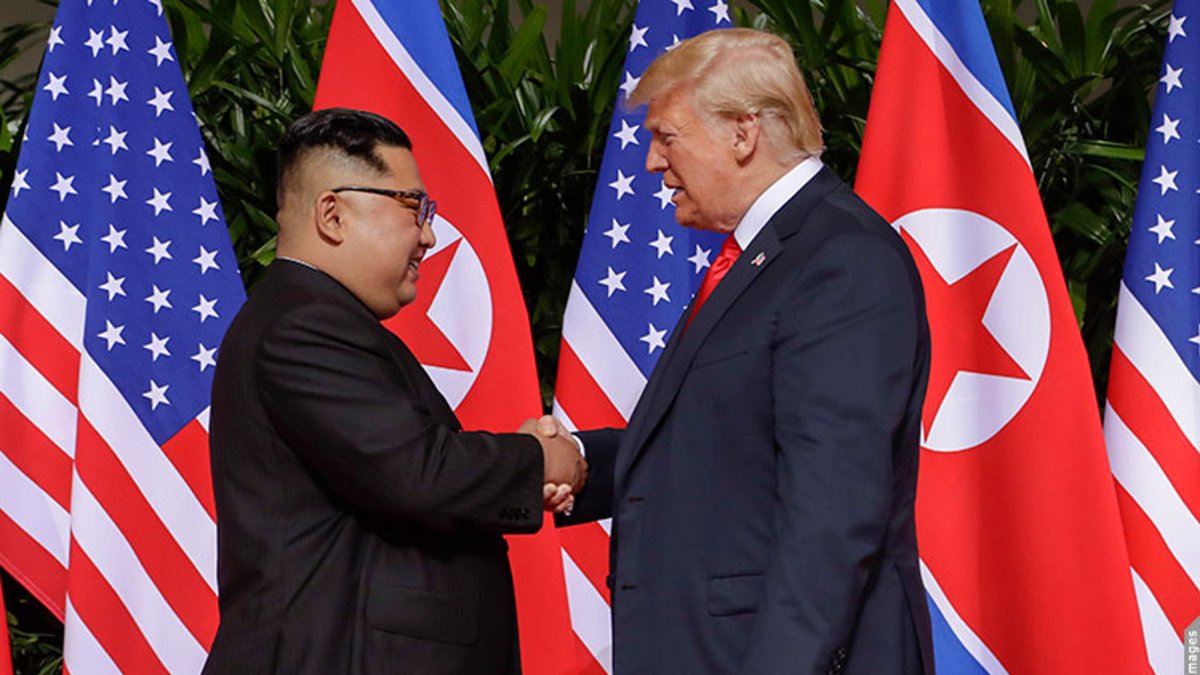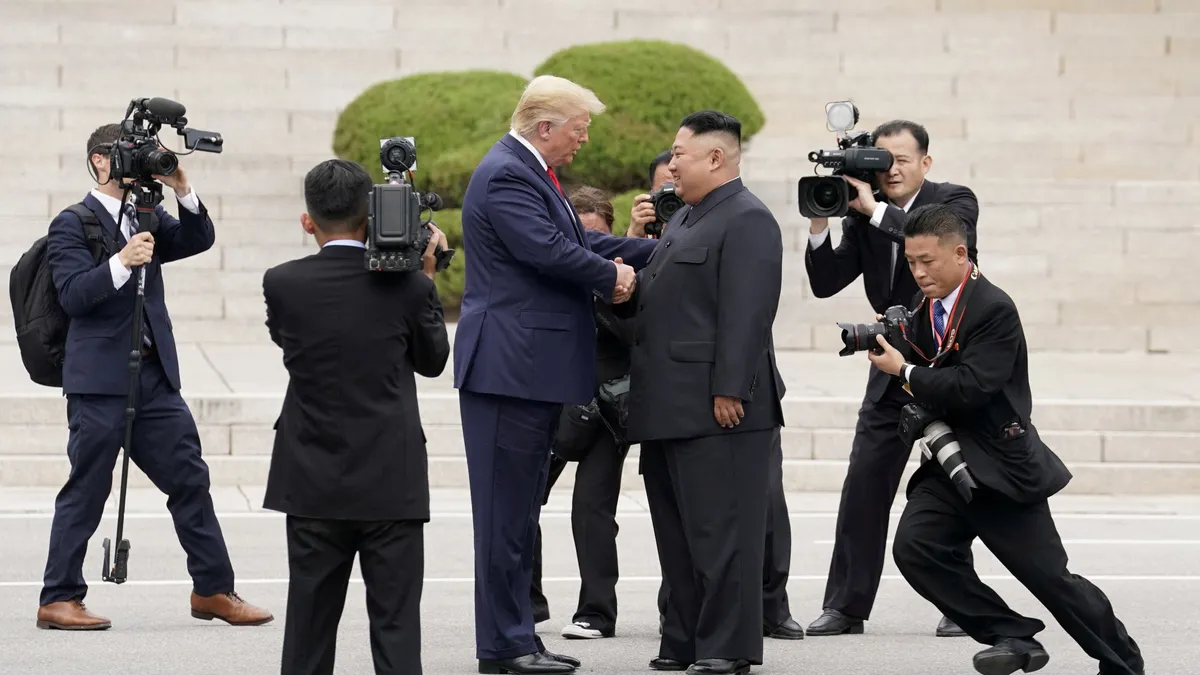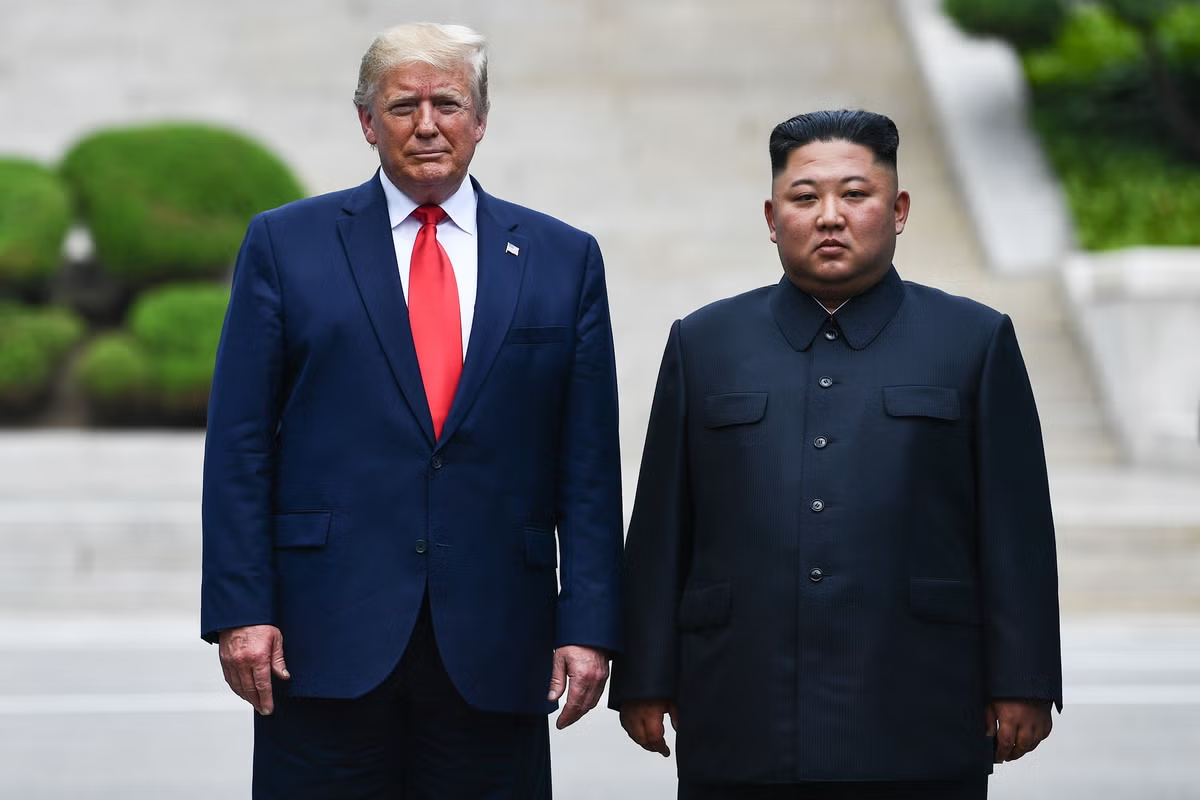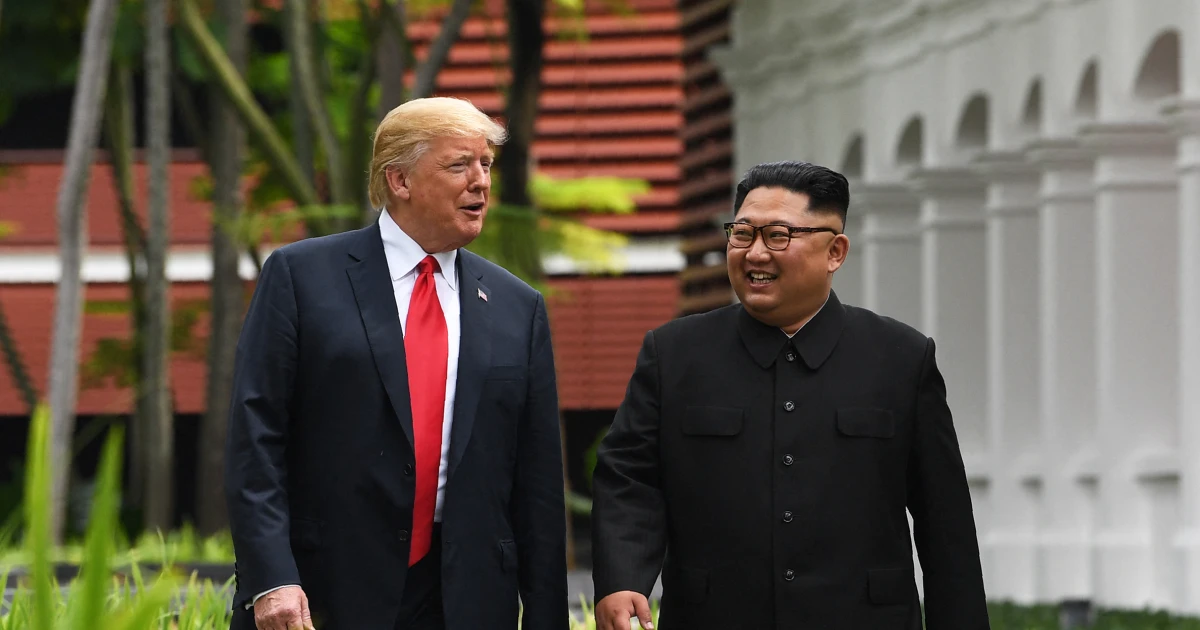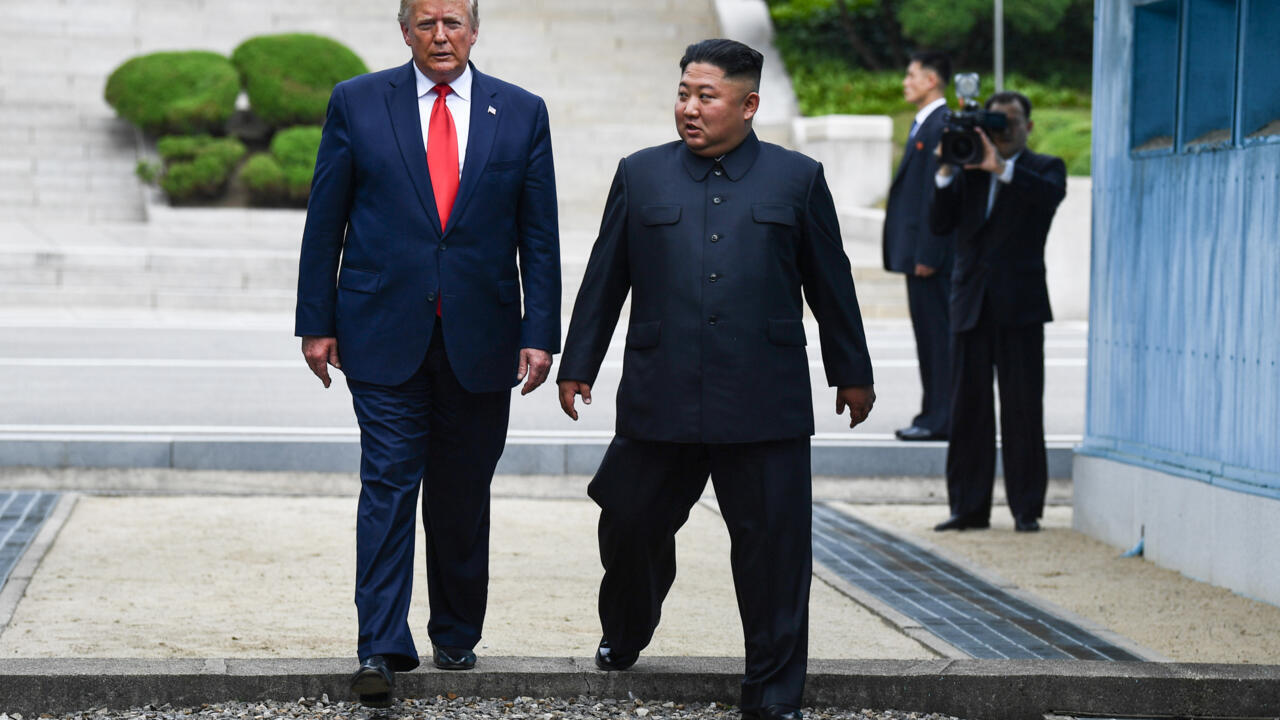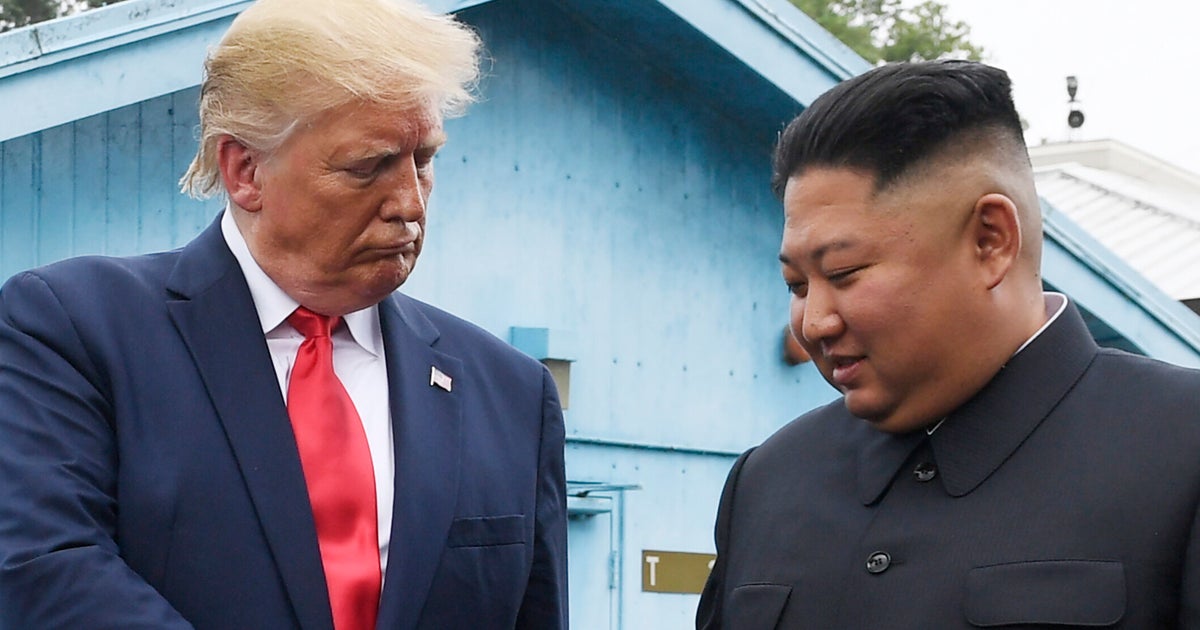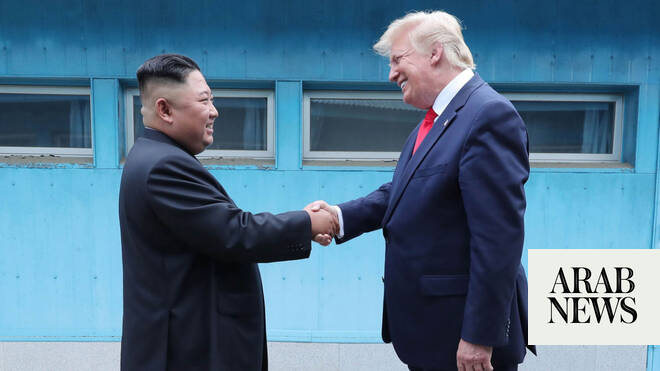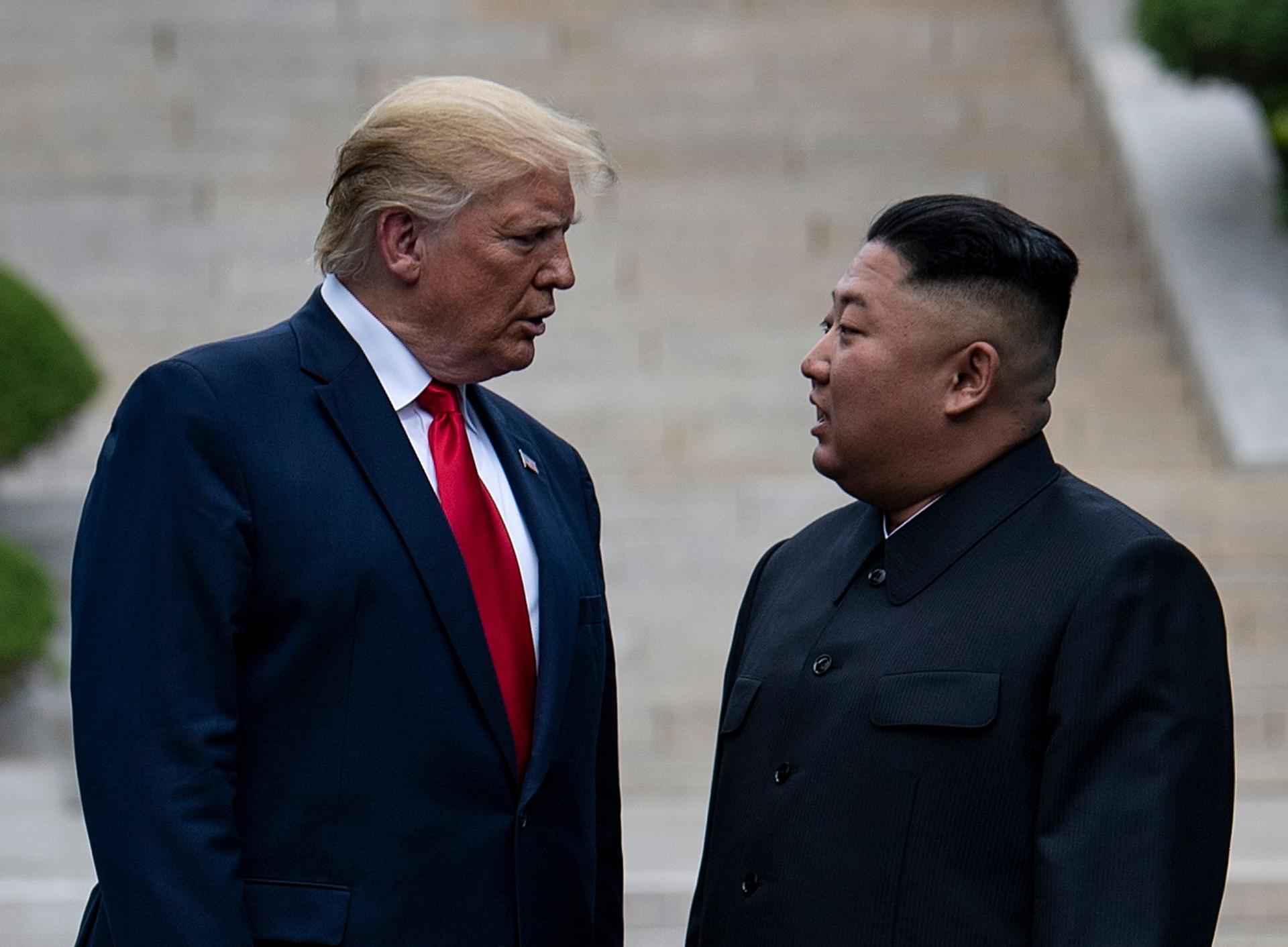
U.S. President Donald Trump and North Korean leader Kim Jong-un stand on North Korean soil while in Panmunjeom in the Demilitarized Zone, In this file photo taken June 30, 2019. YonhapU.S. President Donald Trump’s announcement that he expects to meet North Korean leader Kim Jong-un again this year could reopen a diplomatic channel that has been largely dormant. That is welcome news, but the prospect of another Trump-Kim summit also raises a more important question: What does Washington hope to achieve this time?Trump said on Aug. 19 that he expected to meet Kim this year and emphasized that he has a “very good” relationship with the North Korean leader. He also acknowledged that North Korea possesses a substantial nuclear arsenal, saying it should never have been allowed to develop one.The comments suggest that Trump understands the reality he faces. North Korea is a nuclear-armed state with increasingly sophisticated missiles and has been expanding its military cooperation. Any realistic U.S. strategy must begin by recognizing that reality rather than pretending the strategic landscape has remained unchanged since Trump’s first summit with Kim in 2018.However, recognizing reality should not mean accepting it as permanent.The purpose of renewed diplomacy should be to reduce the nuclear and conventional threats posed by North Korea, prevent further military escalation on the Korean Peninsula and establish a more stable security framework. Denuclearization should remain a long-term objective but it should not become an unrealistic precondition that prevents meaningful negotiations over achievable measures.The collapse of the 2019 Hanoi summit demonstrated the danger of demanding too much, too quickly. Trump’s first-term diplomacy showed that personal rapport and dramatic summits cannot resolve deeply entrenched security disputes on their own. The next round of diplomacy should therefore be less about historic photographs and more about sustained negotiations, concrete commitments and verifiable progress.There are practical areas where Washington and Pyongyang could begin. A freeze on additional nuclear material production, restrictions on missile testing, improved communication channels, military confidence-building measures and greater transparency could all reduce immediate risks. None would solve the fundamental nuclear issue, but each could make the peninsula safer and create conditions for more ambitious negotiations later.The key is reciprocity. Washington should not offer major concessions just to bring North Korea back to the negotiating table. Any reduction in military pressure, sanctions relief or other incentives should be linked to measurable actions by Pyongyang.That is particularly important after Trump’s decision to substantially scale back U.S.-South Korean military exercises. If Washington regards such measures as confidence-building gestures, they should be accompanied by clear expectations of what North Korea must do in return. Otherwise, the United States risks giving away leverage before talks even begin.Kim's powerful sister Kim Yo-jong said in a statement on Aug. 19 that she was “completely unaware” of any recent communication between Kim and Trump, casting doubt on Trump’s claim that Pyongyang had responded to his overtures. Her remarks are a reminder that North Korea will pursue its own interests regardless of Trump’s confidence in his personal relationship with Kim.The alliance with South Korea must also remain central.Seoul must have a meaningful role in any new diplomatic process. A U.S.-North Korea agreement that affects military exercises, U.S. troop deployments, extended deterrence or the security balance on the peninsula cannot be negotiated over South Korea’s head.South Korea, for its part, should welcome diplomacy while strengthening its own defense capabilities. Dialogue and deterrence are not competing strategies. Effective diplomacy often requires credible military strength behind it. A stronger South Korean defense posture would give Seoul greater confidence at the negotiating table and reduce the risk that Washington-Pyongyang talks could produce an agreement that leaves South Korea more vulnerable.Trump should also resist the temptation to view another summit primarily as a political achievement. The president has demonstrated a preference for highly personalized diplomacy, but the success of negotiations with North Korea cannot depend on the relationship between two leaders. Agreements must survive changes of government and be supported by institutions, verification mechanisms and allied coordination.The ultimate goal should be straightforward: lower the risks of conflict, constrain North Korea’s growing military capabilities and preserve the possibility of further reductions of its nuclear arsenal. Washington does not need to choose between an unrealistic demand for immediate denuclearization and acceptance of North Korea as a permanent nuclear power. There is a broad middle ground in which gradual, reciprocal measures can improve security while keeping longer-term objectives alive.Trump now has an opportunity to reopen that process — but a summit should be the beginning of serious diplomacy, not its substitute.A handshake with Kim Jong-un may open the door. Only patient negotiations, credible deterrence and close coordination with Seoul can determine what lies beyond it.
[ED] Trump should talk to Kim, but not at the expense of strategy - The Korea Times
U.S. President Donald Trump’s announcement that he expects to meet North Korean leader Kim Jong-un again this year could reopen a diplomatic channe...
779 words~4 min read