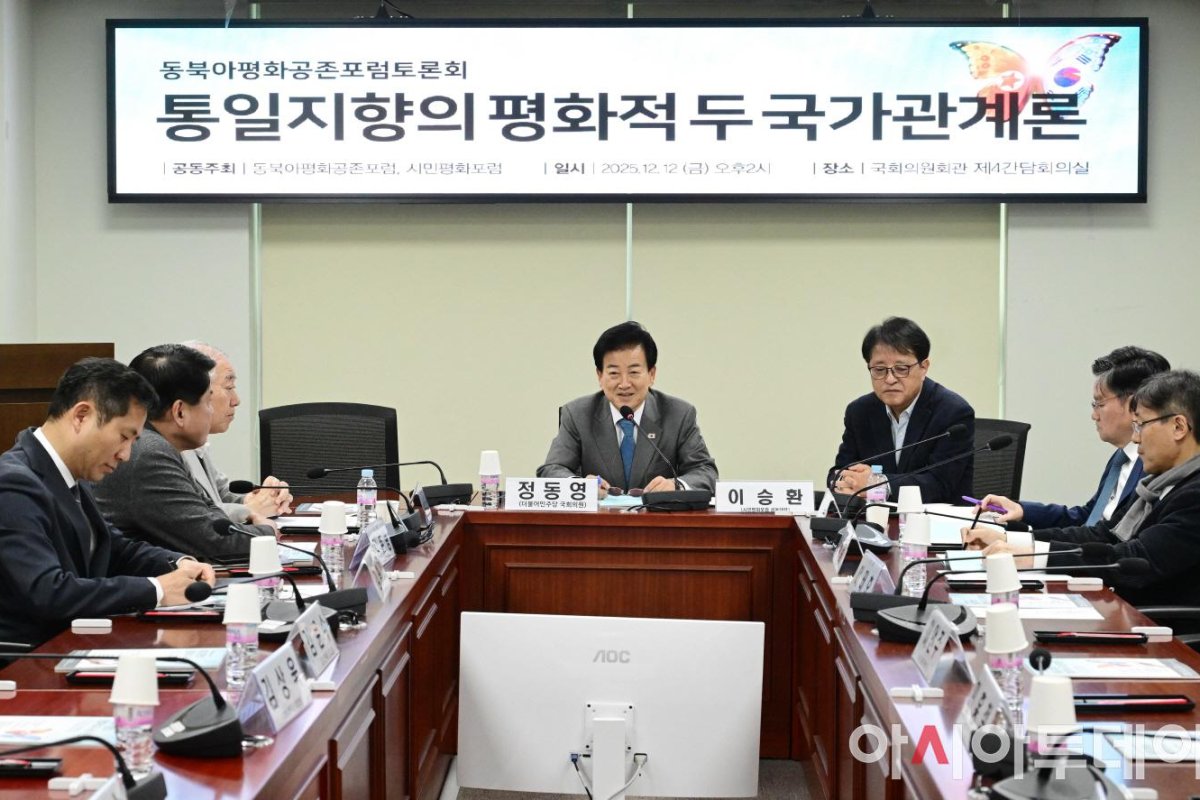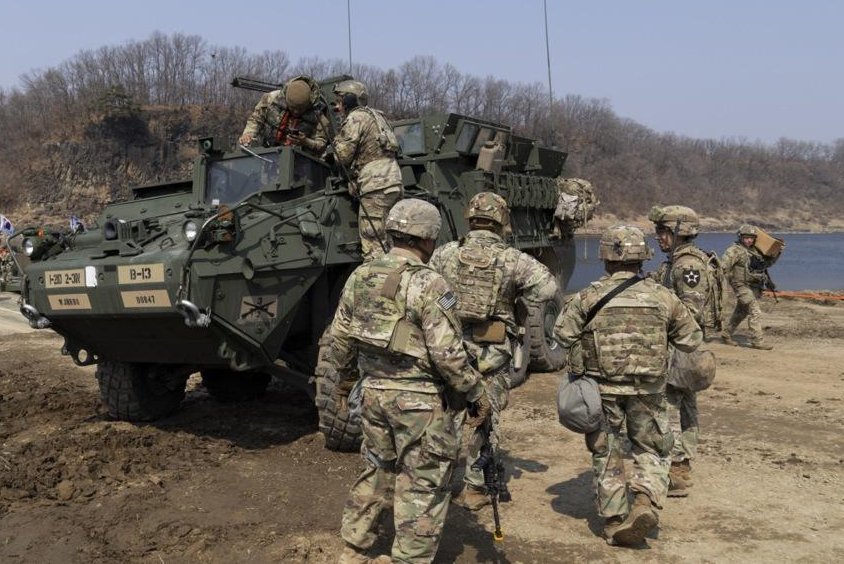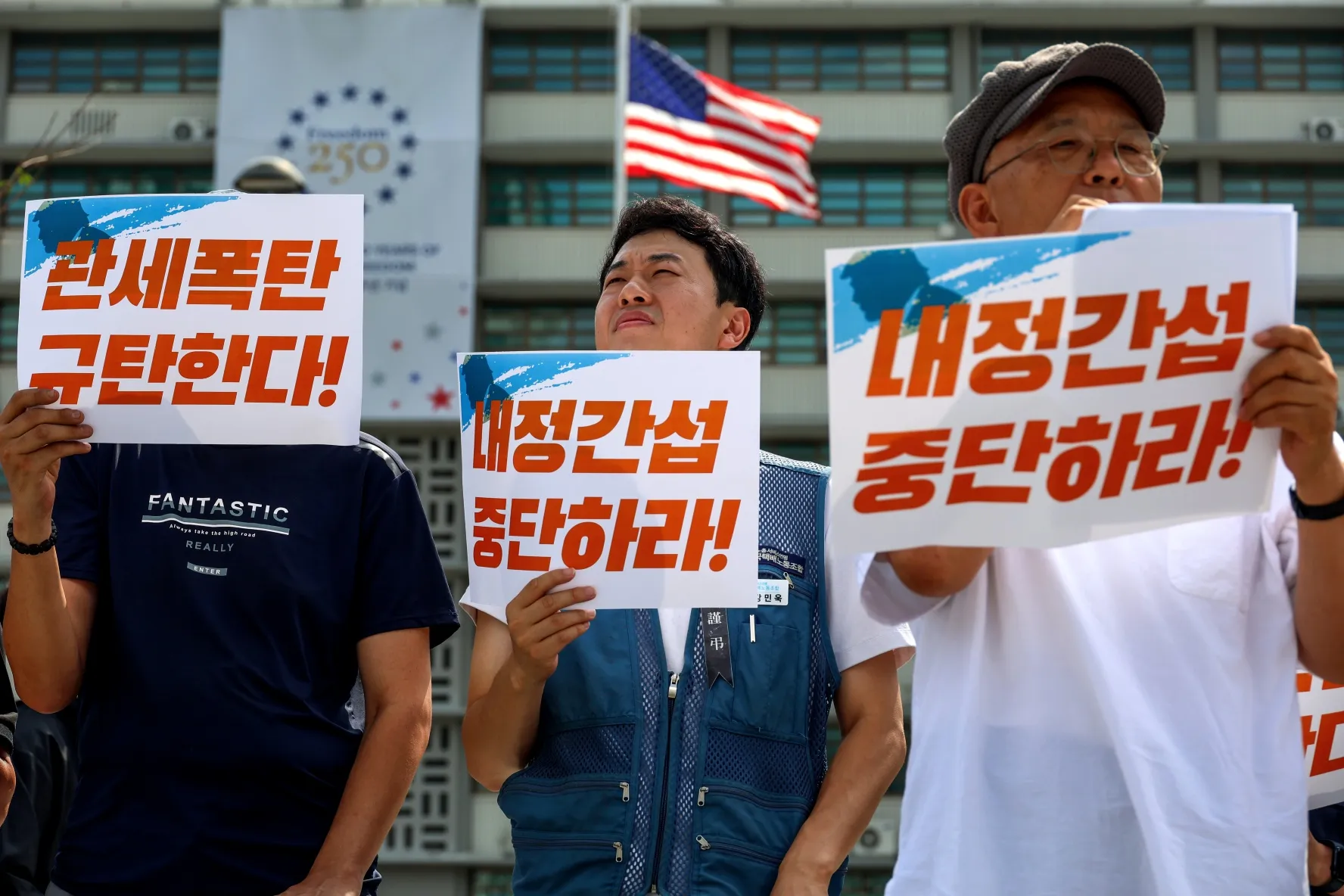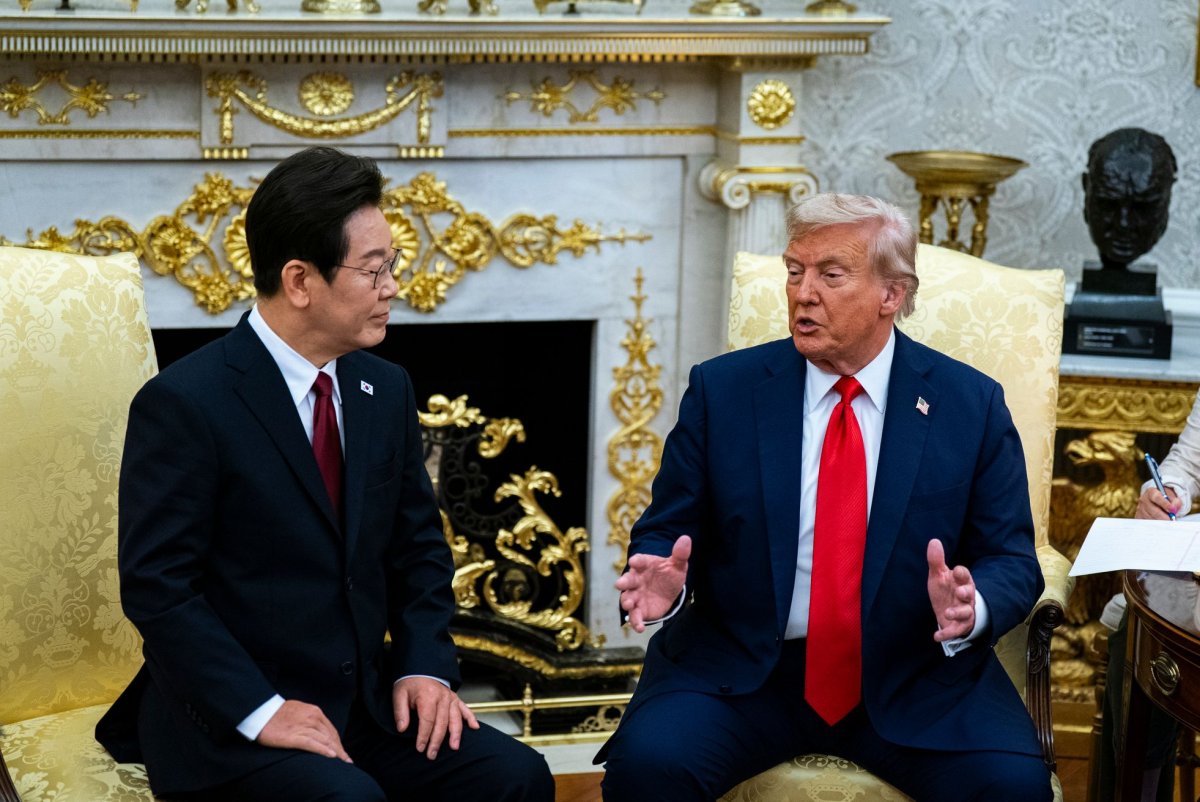
Nov. 11 (UPI) -- The question of Korean unification is not an abstraction for Koreans or Americans; it is the central unresolved strategic, moral, and humanitarian problem of Northeast Asia. Some contemporary policymakers in Seoul and Washington urge cautious engagement, de-escalation, or a step-by-step focus on denuclearization and stability. Others, including elements of the Lee and Trump administrations, prefer a restrained path that rejects "unification by absorption" and prioritizes diplomacy, sanctions, and containment. Those positions reflect prudence, but they also risk accepting a permanent, brutal status quo on the peninsula. Koreans and Americans who care about security, values, and long-term prosperity should instead press for an explicit policy orientation toward a free, non-nuclear, unified Korea -- a United Republic of Korea (U-ROK).
In 1996 the Director of Central Intelligence testified that there were only three paths for North Korea: "Either it is going to invade the South over one issue or another, or it will break up, or it will collapse internally or implode, because of the incredible economic problems that the country faces. Or third, it will, over time, lead to some peaceful resolution and a reunification with the South." As we think about war on the Korean peninsula or regime collapse, there is only one question that must be answered: What comes next? There is only one answer: a solution to the "Korea question" (per Paragraph 60 of the 1953 Armistice Agreement) and that is a free and unified Korea.