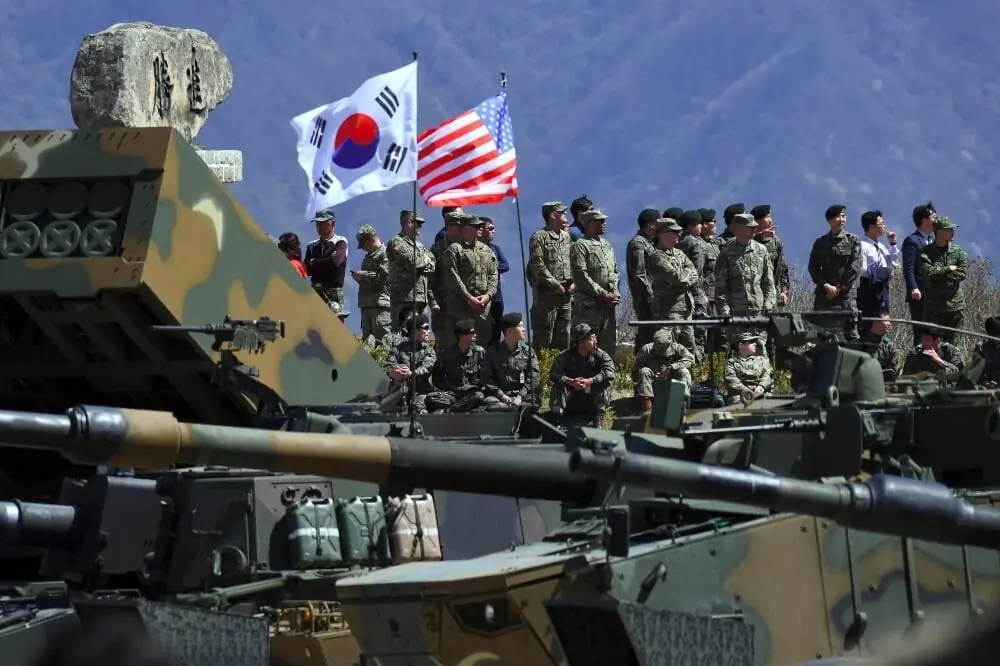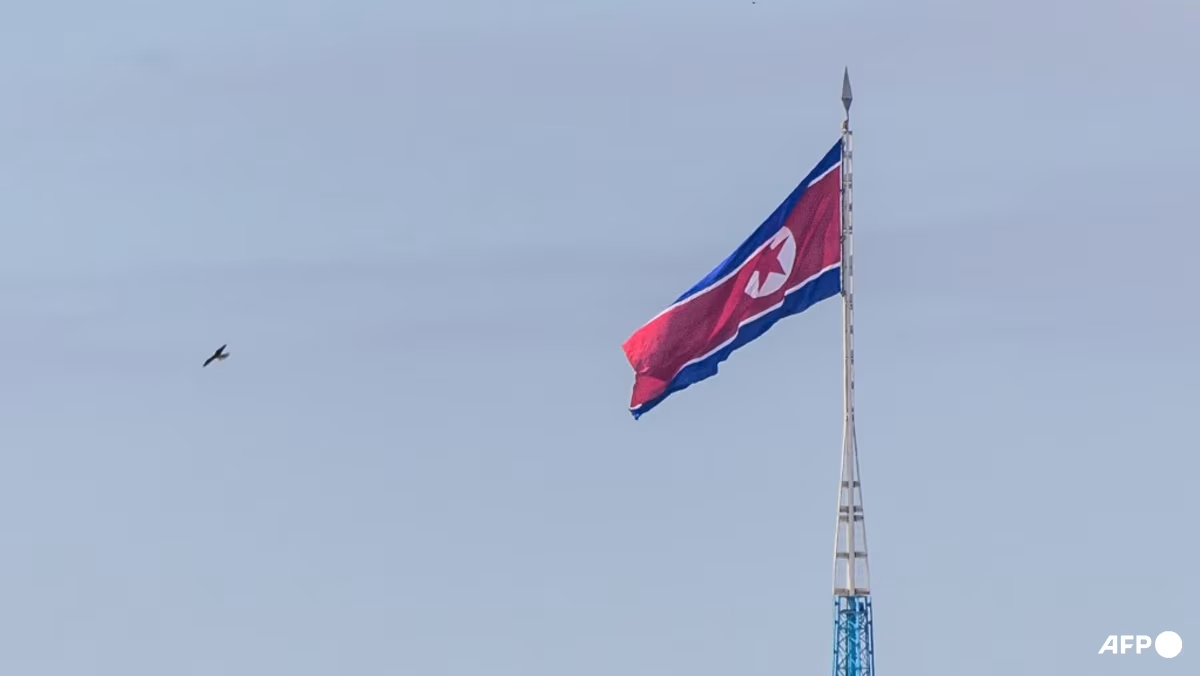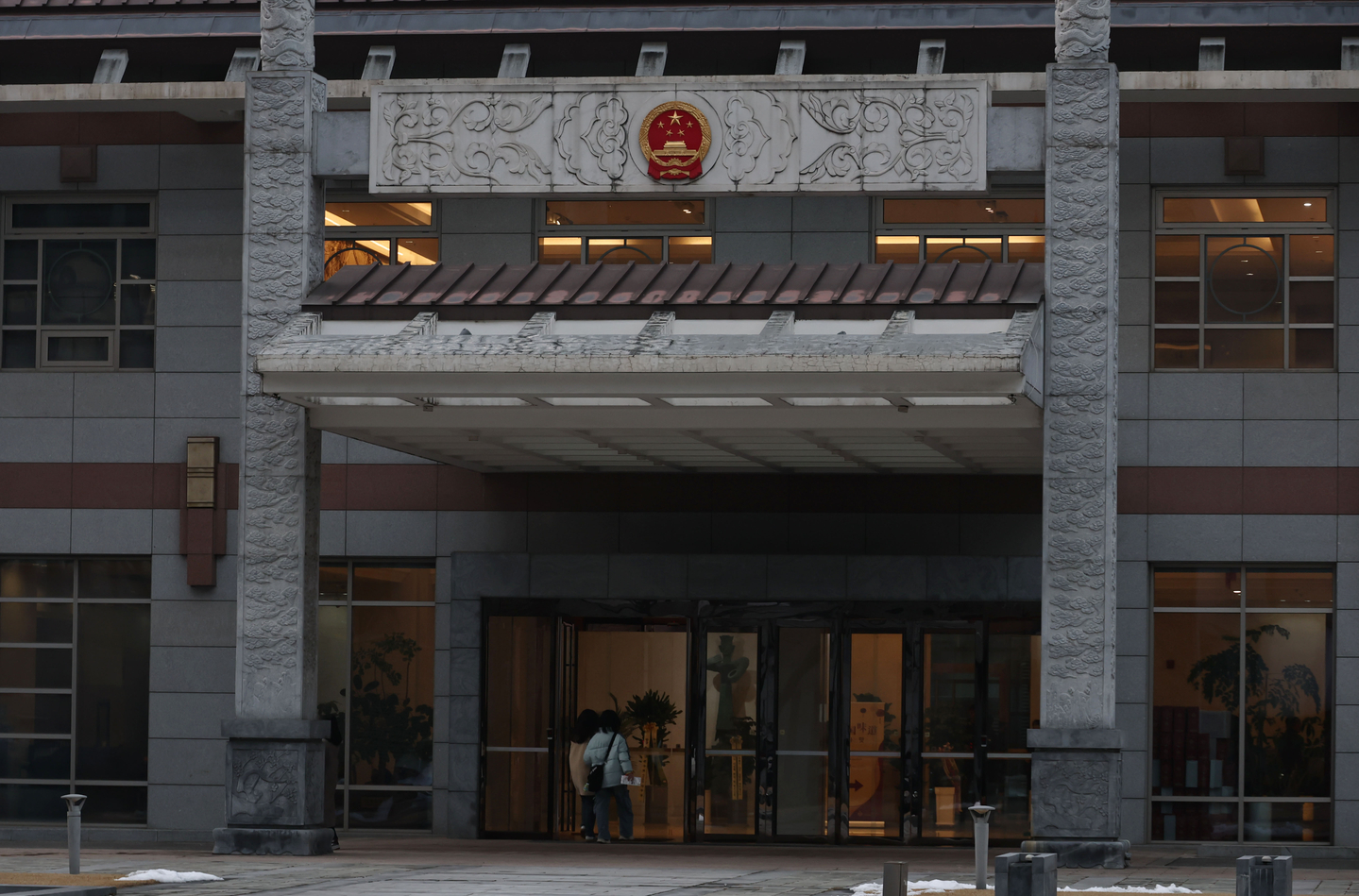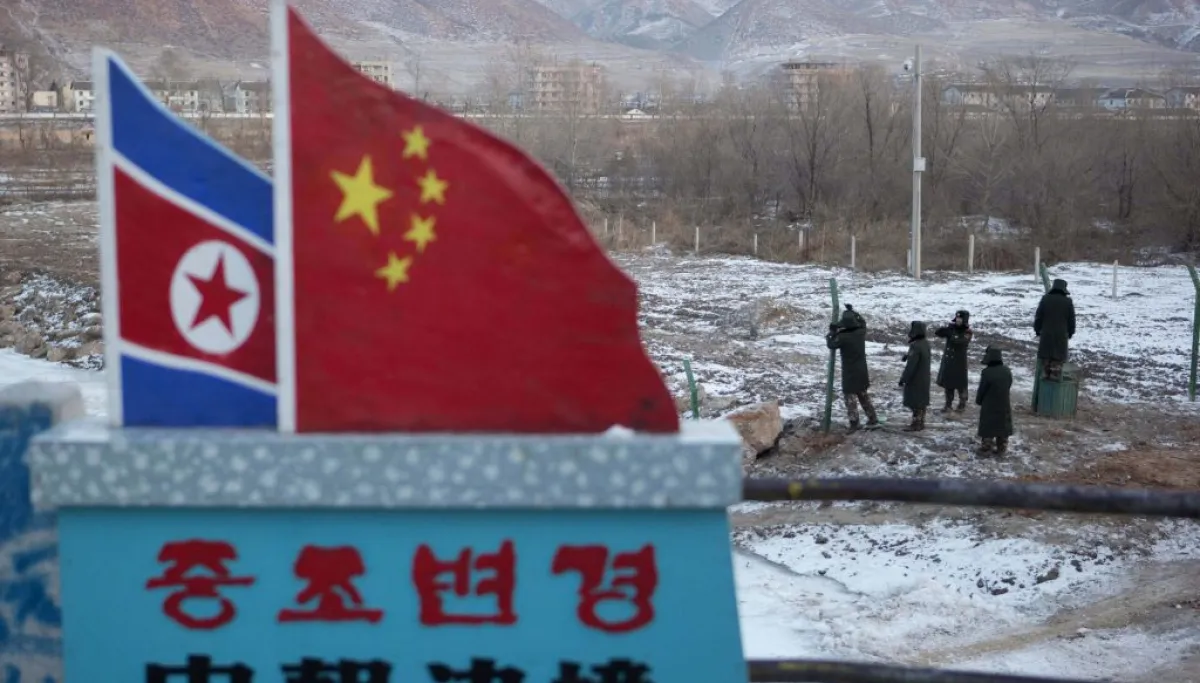
Recently, U.S. Forces Korea Commander Gen. Xavier Brunson sparked a diplomatic row after describing South Korea as “the dagger in the heart of Asia” from China’s perspective. The Chinese Embassy in Seoul strongly criticized the remarks, stating they “crossed the line” and exhibited unnecessary belligerence. Later, also challenged by a Chinese delegate at the Shangri-La Dialogue in Singapore, Brunson defended his statements as sharing different perspectives.This “dagger incident” exemplifies Korea’s continued status as a strategic hot spot in today’s geopolitical dynamics. When Chinese strategists look out from their eastern coastline, the view is framed by a profound sense of geographic claustrophobia. To their east lies Japan — a formidable maritime shield that acts as a structural backbone of the so-called First Island Chain, linking Taiwan and all the way to the Philippines — sitting in the contested waters of the South China Sea. But it is the Korean Peninsula that commands Beijing’s most visceral historical anxiety.For centuries, China has viewed this peninsula through a singular, enduring lens: either as a dagger pointed directly at China’s industrial heartland, or a vital strategic buffer keeping hostile foreign powers at bay. Today, as Washington and Seoul actively work to “modernize” their bilateral alliance — transforming the 28,500-strong USFK from a peninsula-bound deterrent into a flexible force capable of confronting broader regional threats — this ancient buffer strategy is facing its most complex challenge yet.
The dagger at China's heart: Korea's buffer in a new great power struggle
The Koreas have proven they are no longer simple proxies, but they remain trapped in a geography that punishes miscalculation.
830 words~4 min read