The embassy said the US general’s remarks “crossed the line” and urged him to “do more to promote regional peace and stability”
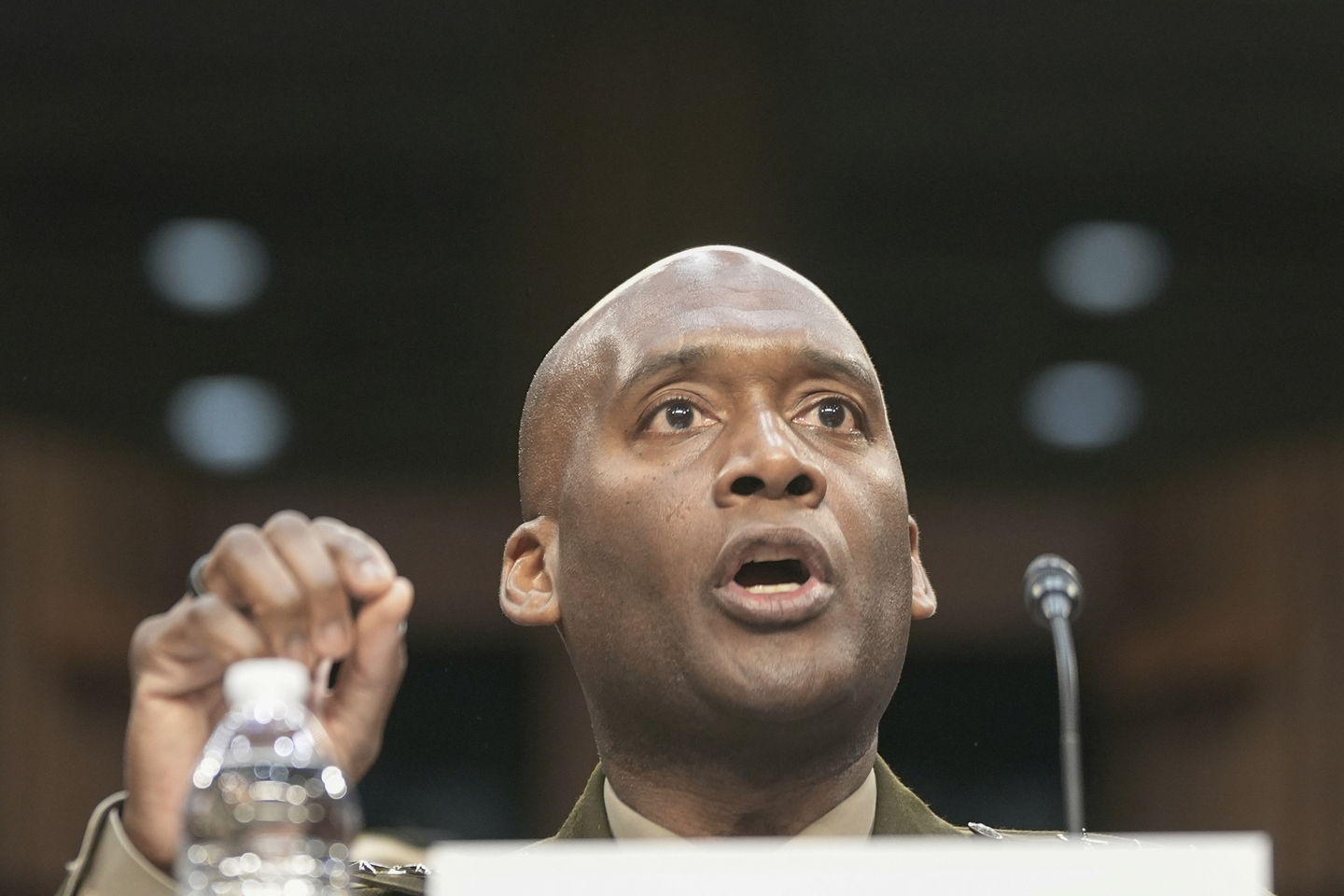
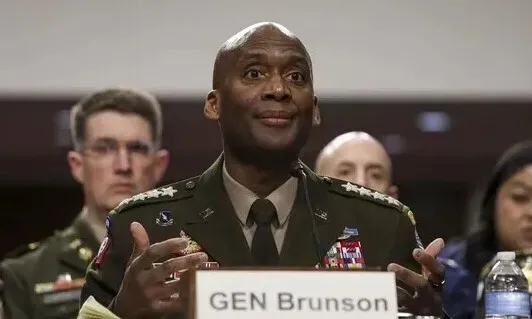
Gen. Xavier Brunson, the commander of the US Forces Korea, testifies before the Senate Armed Services Committee in Washington, DC, April 21, 2026. (via USFK)
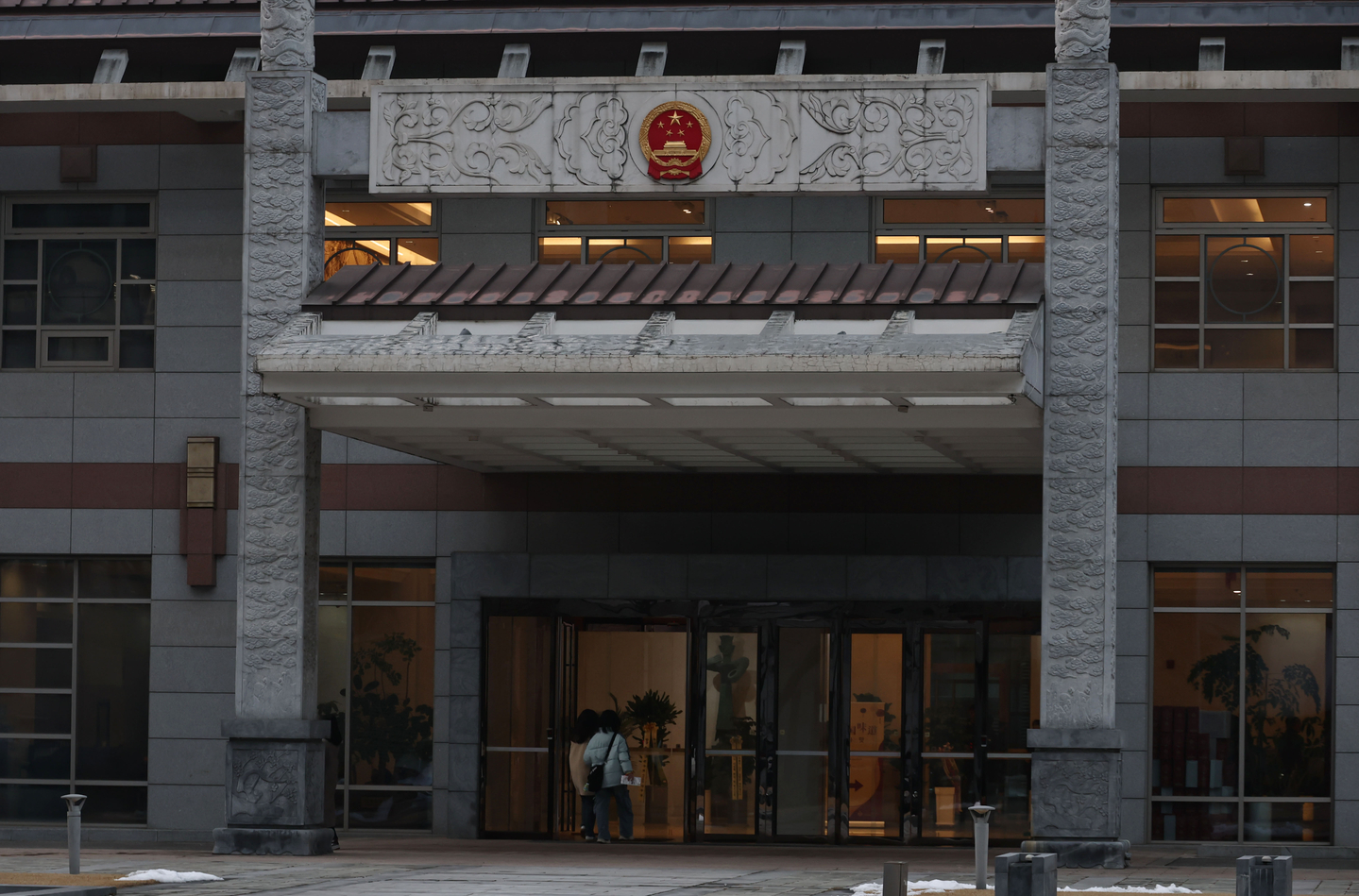
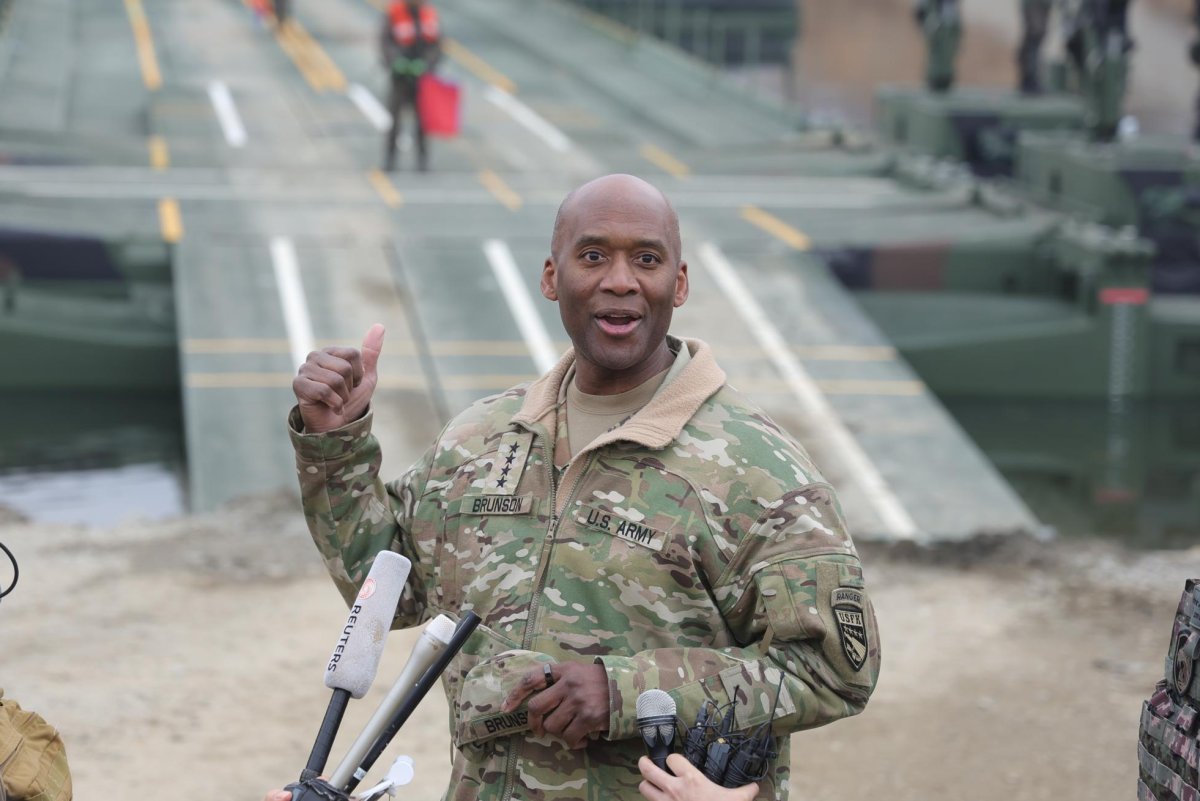
The Chinese Embassy in South Korea slammed the commander of US Forces Korea for likening South Korea to a “dagger in the heart of Asia,” saying that his rhetoric crossed a line. In a statement issued Friday by a spokesperson, the embassy criticized remarks by Gen. Xavier Brunson, the commander of USFK, saying that he had clearly “crossed the line.”The condemnation came in response to comments Brunson made on a podcast produced by the China Landpower Studies Center at the US Army War College on May 22, during which he said that when Beijing “look[s] out from the east coast of China, what they see is, there’s Korea, the dagger in the heart of Asia.” The remarks can be interpreted as an attempt to emphasize the importance of South Korea’s geographic location and the role of the USFK in countering China. Brunson has previously described South Korea as a “fixed aircraft carrier” between Japan and China. “You refer to the host country as an ‘aircraft carrier’ or a ‘dagger.’ Does this demonstrate your belligerence, or do you intend to use other countries as pawns?” the spokesperson wrote, skewering Brunson. The spokesperson also questioned Brunson’s motives, noting that during US President Donald Trump’s recent visit to China, the leaders of the two nations had reached a consensus to build a constructive, strategic and stable relationship.“Are your hostile and aggressive remarks about China authorized by Washington, or are you trying to challenge the consensus reached at the Beijing meeting between the Chinese and US leaders?” the spokesperson asked. The spokesperson noted that some South Korean news outlets had published commentaries criticizing Brunson’s comments, and urged the USFK commander to “respect countries in the region and do more to promote regional peace and stability.”By Park Min-hee, senior staff writerPlease direct questions or comments to [english@hani.co.kr]