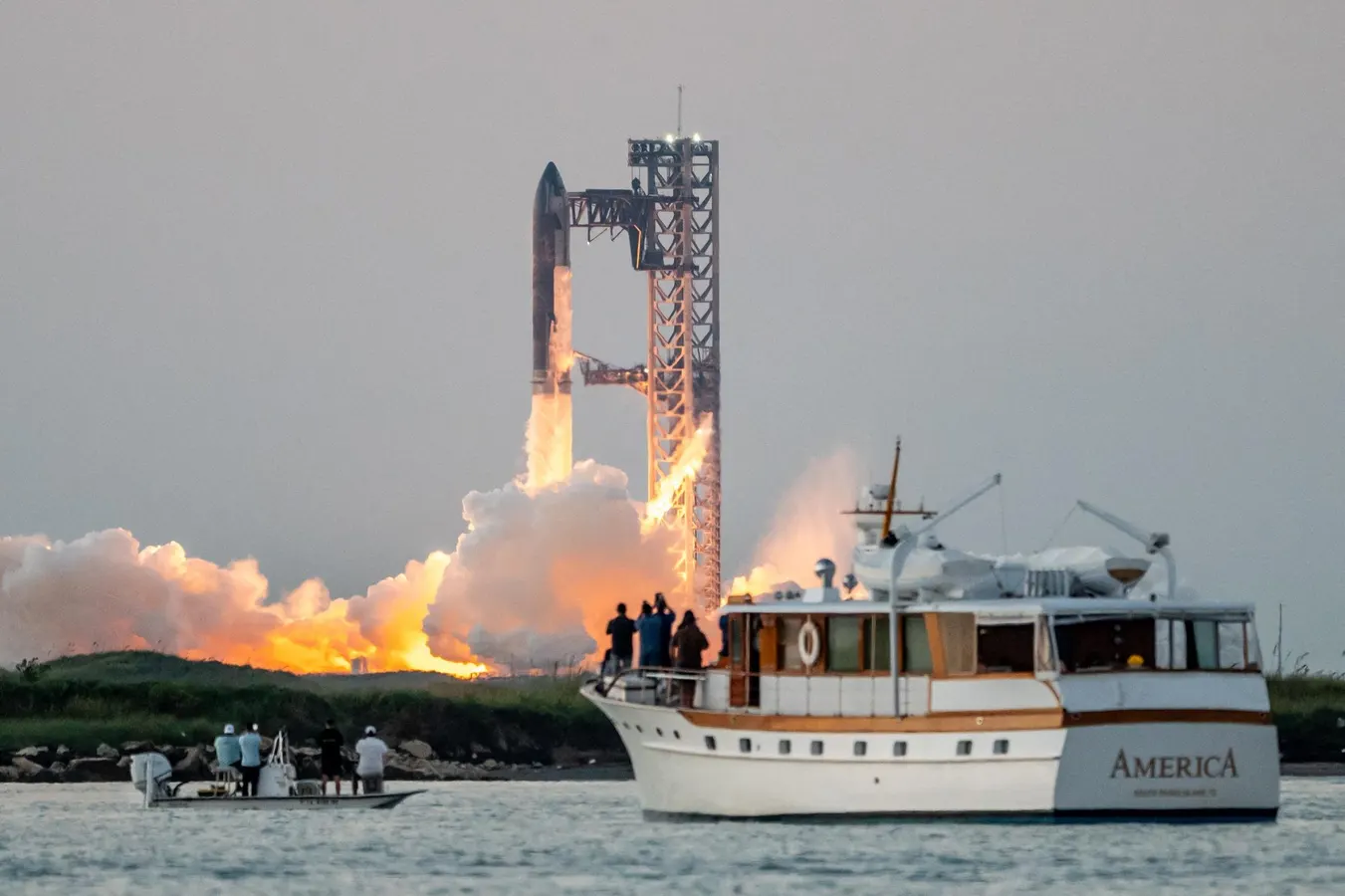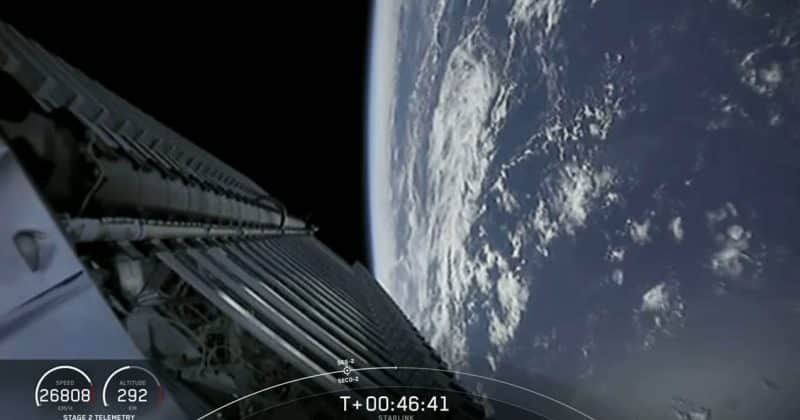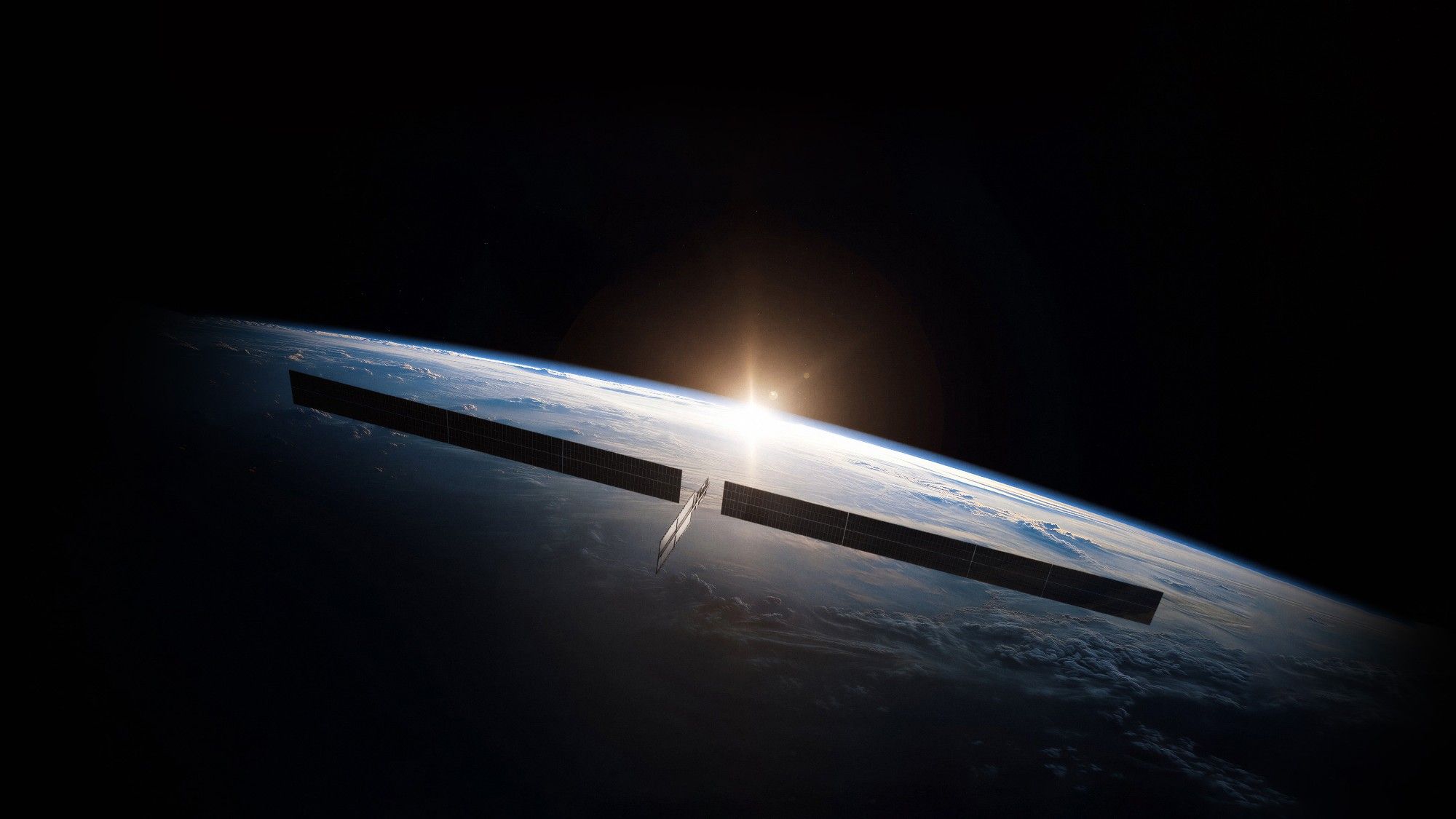
Space Exploration Technologies Corp. (NASDAQ:SPCX) had plans to launch orbital data centers into space as early as next year, using its towering Starship rocket. The ambitious project, however, is not without its share of technical and logistical hurdles.
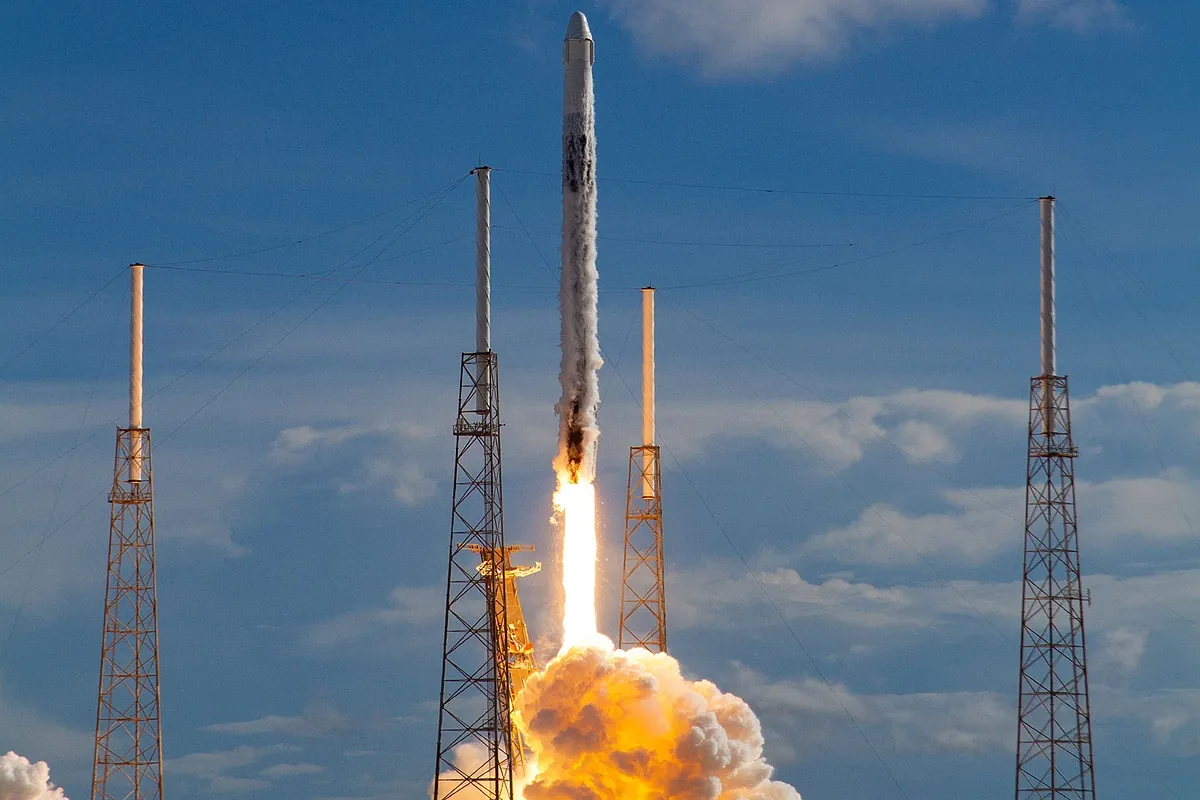
To achieve its goal on a large scale, the Elon Musk company must overcome three major challenges: launching rockets at an unprecedentedly low cost, cooling power-hungry computers in a vacuum, and regularly updating them with the latest chip technology, reported the Financial Times on Wednesday.
Christopher Smith, a senior aerospace engineer at UC Berkeley’s Space Sciences Laboratory, highlighted the “tremendous” logistical challenges of maintaining a constellation of 1 million satellites, named Starmind by SpaceX. Smith’s calculations suggest that SpaceX would need to launch more than nine Starship rockets daily based on the assumption that the company would replace the data center chips every five years, with each rocket carrying about 60 satellites.
Smith called the plan logistically ‘crazy’ and costly but cautioned against dismissing it, noting that Elon Musk has repeatedly defied conventional expectations.
Despite these challenges, George Lordos, a space systems architect and lecturer at the Massachusetts Institute of Technology (MIT), believes that an initial constellation of AI satellites could be deployed by 2028. The scale of that constellation, however, remains uncertain.