Elon Musk wants to put data centers in space. And unlike most of his more theatrical proclamations, this one has a vehicle attached to it: Starship, SpaceX’s fully reusable mega-rocket, which is being positioned as the logistics backbone for an orbital AI compute network.
David George, a partner at Andreessen Horowitz (a16z), pointed to Starship’s rapid reusability as the enabling technology for Musk’s plan. The logic is straightforward: if you can launch heavy payloads frequently and cheaply enough, you can build infrastructure in orbit the way Amazon builds warehouses on the ground.
The plan: solar-powered AI in orbit
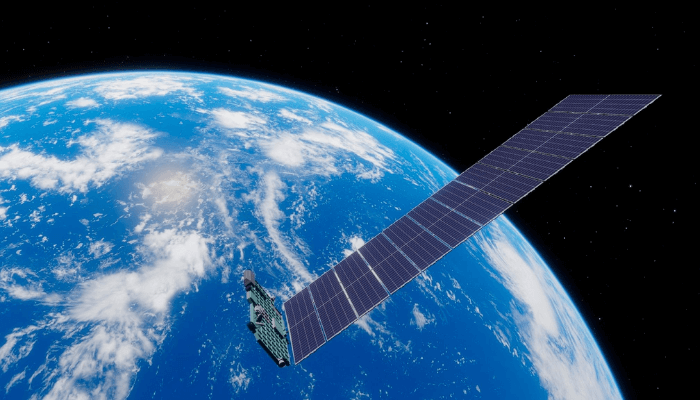
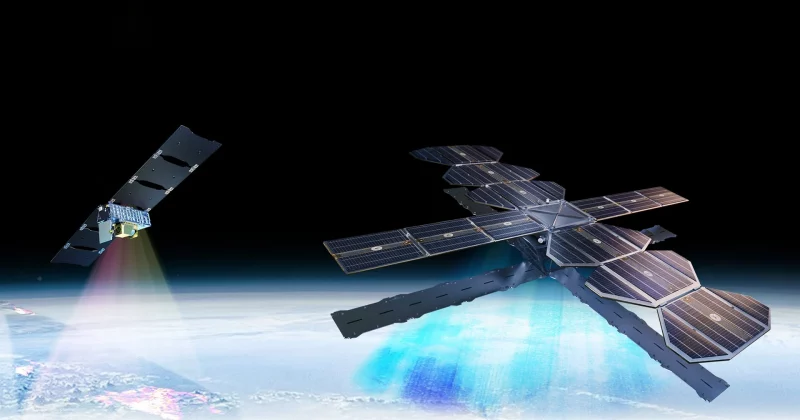
The concept involves deploying a constellation of solar-powered satellites, potentially scaling to 1 million units, designed specifically to run AI compute workloads in low Earth orbit. Each satellite is projected to deliver 150 kW at peak and 120 kW of consistent power using large solar arrays.
Data centers on Earth face three brutal constraints: energy consumption, cooling requirements, and regulatory red tape around both. In orbit, you get free solar energy and passive cooling via thermal radiators.