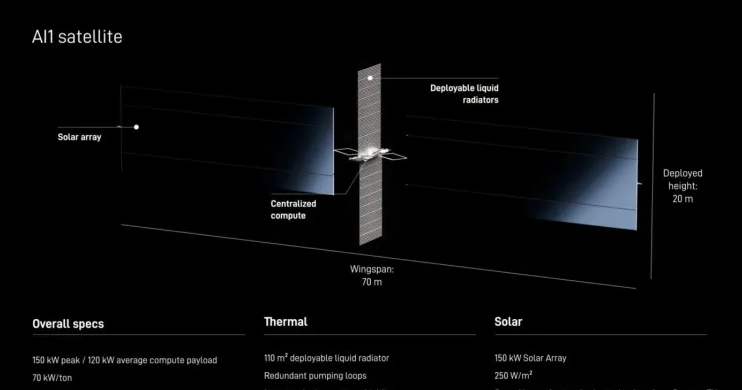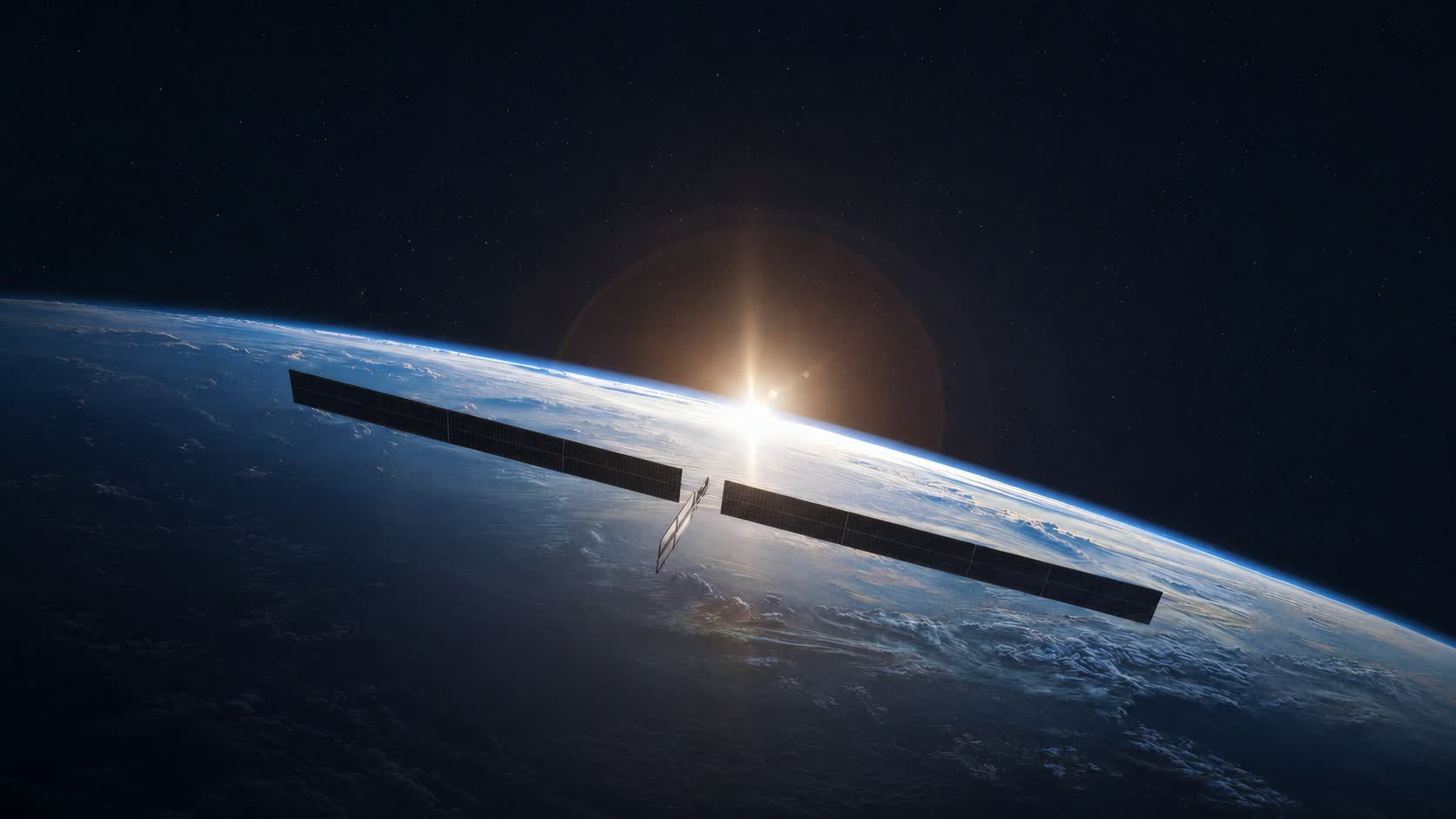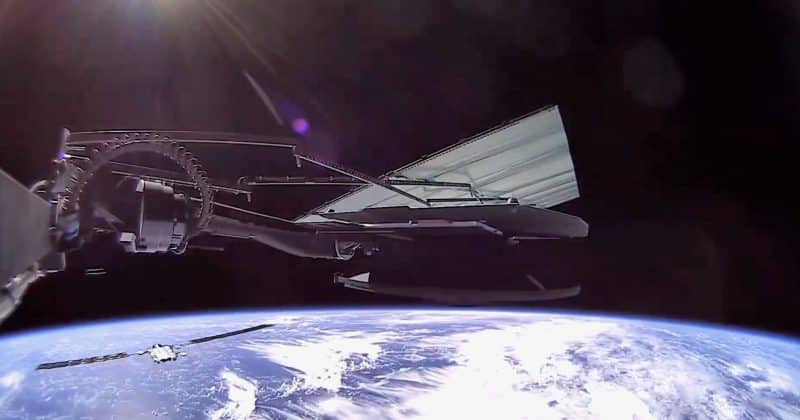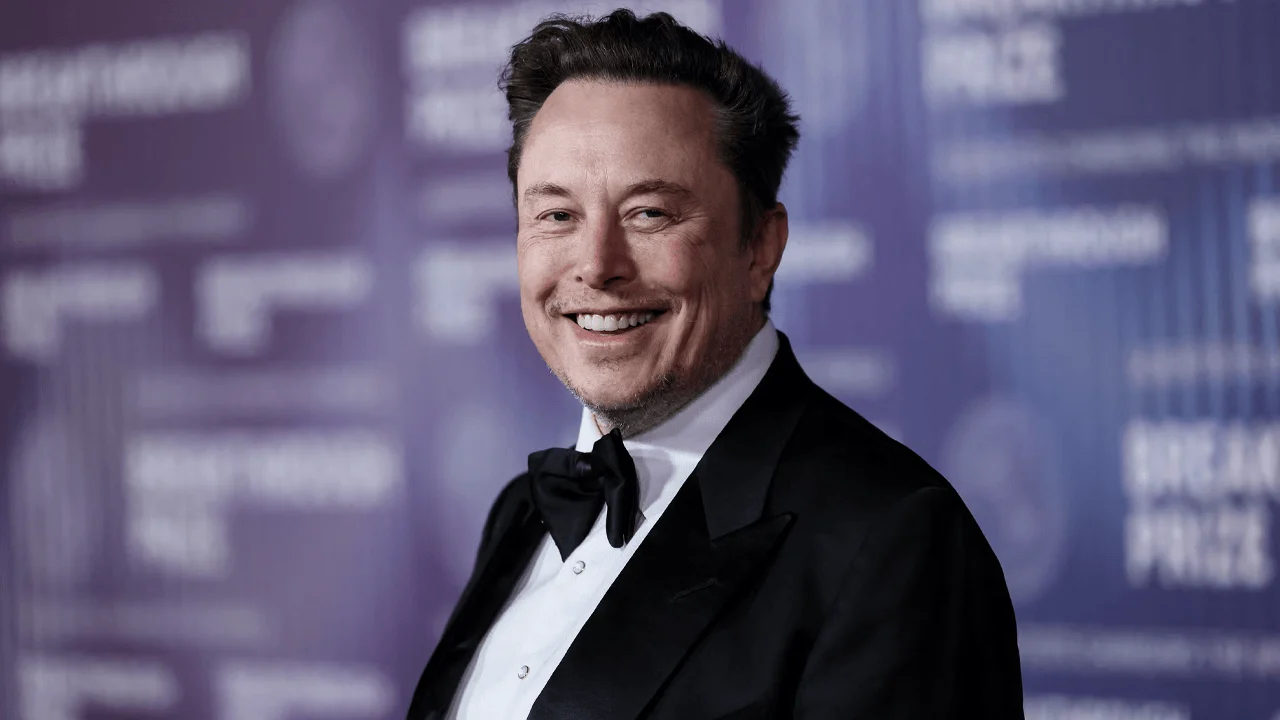
SpaceX's AI1 satellite spans 70 meters tip-to-tip — wider than a Boeing 747 — and it exists entirely to run AI inference in low Earth orbit. Elon Musk posted the reveal video to X on June 9, 2026, ahead of SpaceX's IPO, with a three-word summary: "much simpler than Starlink." Each satellite produces 150 kW of peak AI compute and 120 kW sustained. SpaceX's roadmap calls for 1 GW of orbital AI compute capacity by late 2027, which at 150 kW per satellite means manufacturing roughly 6,700 AI1 units per year. To hit that number, they are building an 11-million-square-foot facility in Bastrop, Texas called Gigasat — nearly twice the floor area of Tesla's Gigafactory Nevada, dedicated to satellite production.
The question is not whether the engineering works. SpaceX has launched more than 7,000 Starlink satellites. The question is whether orbital AI compute makes economic sense at scale, and that question nobody has answered publicly yet.
The Reveal Wasn't Accidental
SpaceX filed for its IPO at approximately $75 billion valuation in early June 2026. Musk's June 9 reveal of AI1 arrived within days of that filing. Orbital AI compute is the narrative SpaceX needs to justify a valuation that goes beyond launching satellites for other people. Every terrestrial cloud provider — AWS, Google Cloud, Azure — is competing for land, power, and cooling capacity to support the next generation of frontier AI. Musk's pitch is that those three constraints don't exist in space. The physics backs him up. The economics remain unproven.