SpaceX filed plans with the FCC in January 2026 to deploy a megaconstellation of up to 1 million satellites designed to function as orbital AI data centers. The goal: reach 100 gigawatts of AI compute capacity per year by 2030, powered entirely by solar energy in space.
To put that in perspective, the entire US grid currently supplies roughly 1,200 GW of total capacity across all uses. SpaceX wants to park a meaningful fraction of that kind of power overhead, dedicated solely to AI workloads, within four years.
From rockets to racks in the sky
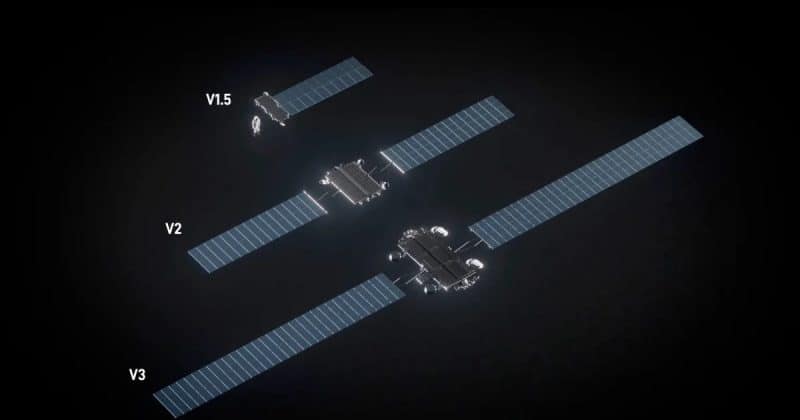
The plan calls for initial launches aboard SpaceX’s Starship rocket beginning in 2028, with a nearer-term target of 1 GW per year of compute capacity by late 2027. That ramp-up is supposed to be fueled by a new 11-million-square-foot manufacturing facility announced in June 2026, nicknamed the “Gigasat” factory, which SpaceX expects to produce more than 1,000 satellites annually by late 2027.
SpaceX already operates the Starlink constellation, which consists of more than 10,000 satellites providing broadband internet. The AI satellite initiative represents a fundamentally different use case: instead of beaming internet to rural Montana, these birds would crunch neural network computations in orbit.