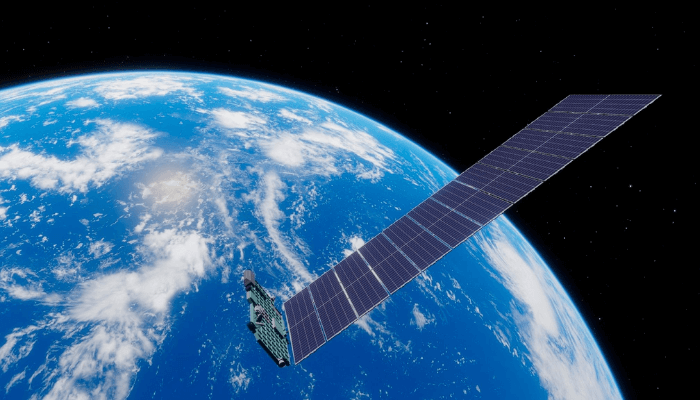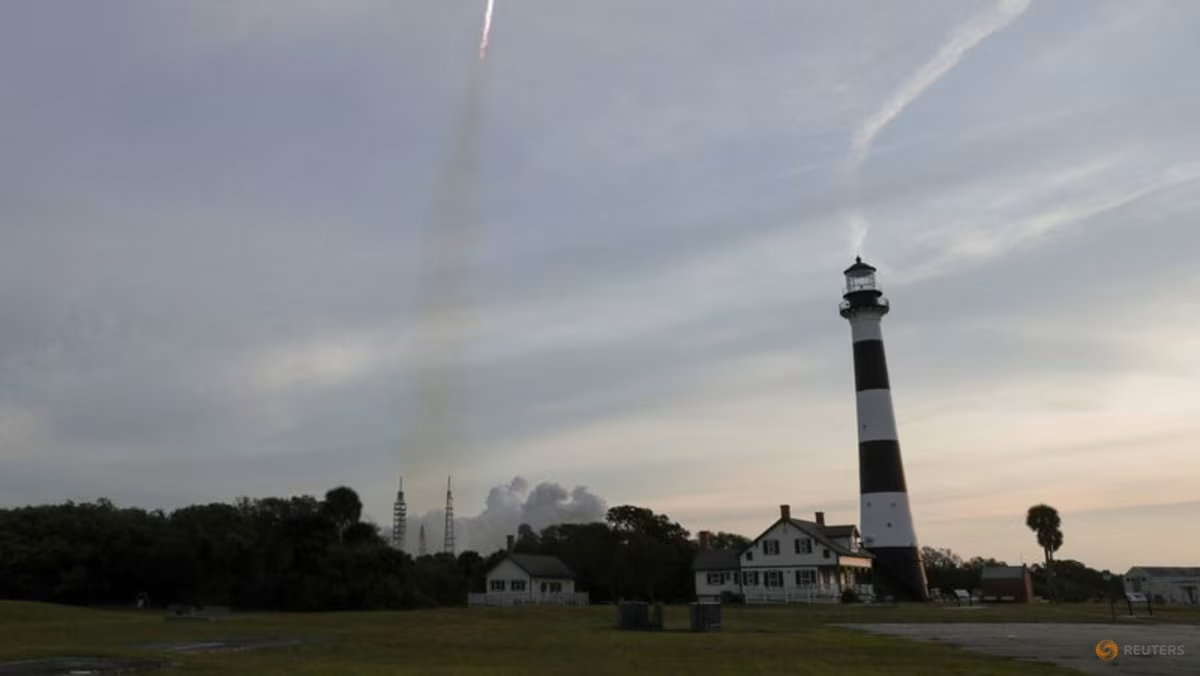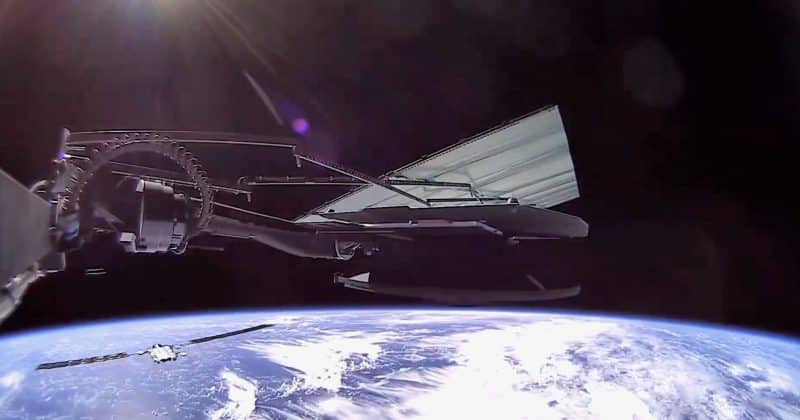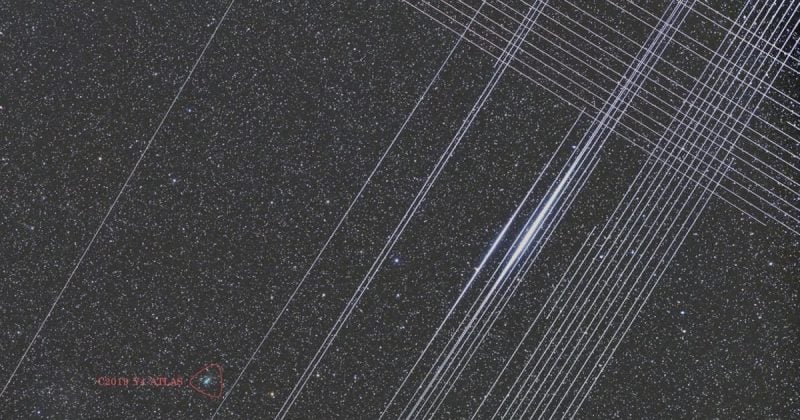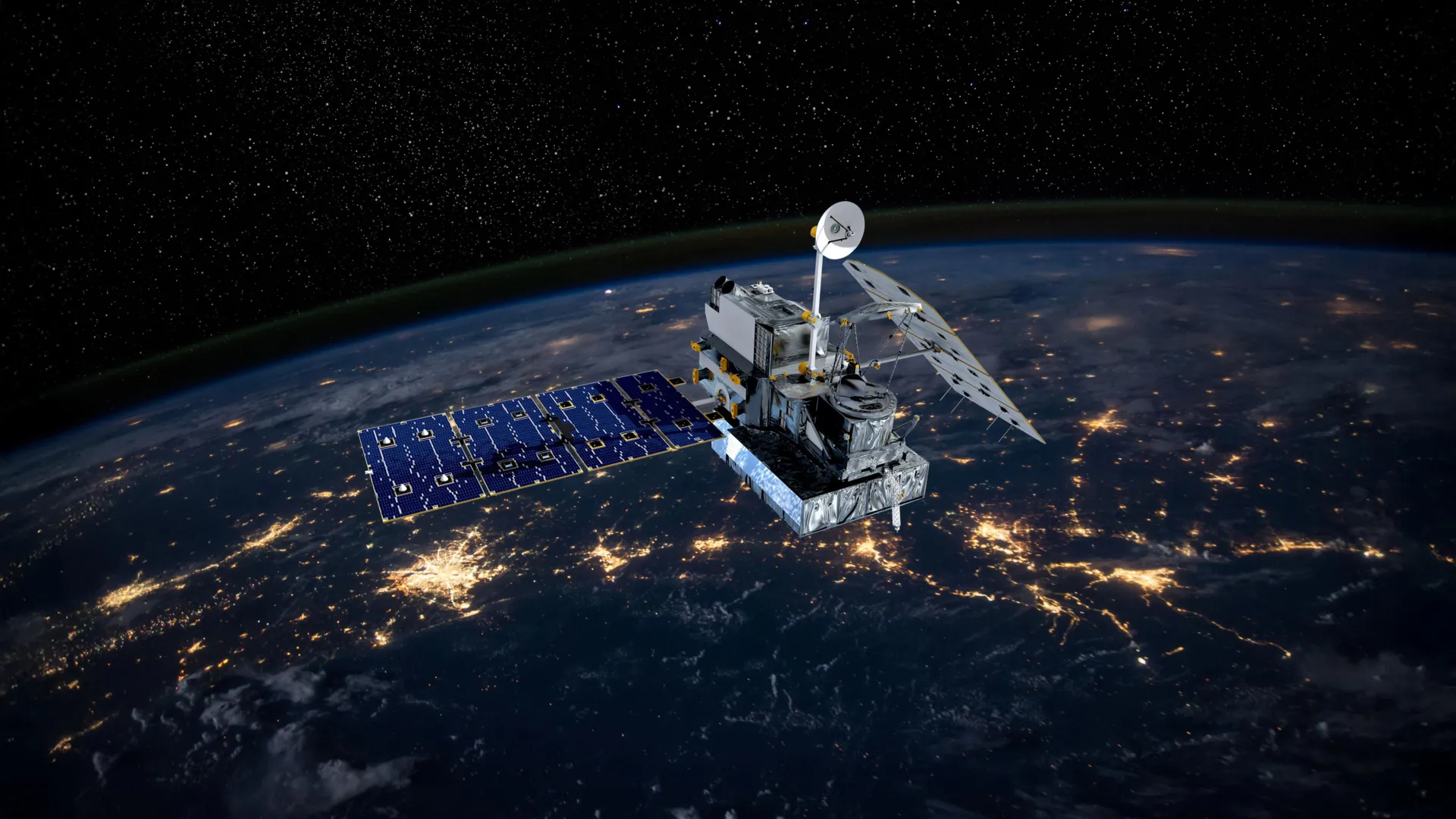
SpaceX filed with the Federal Communications Commission in January 2026 for authorization to launch a constellation of up to one million solar-powered satellites. Their purpose: functioning as AI data centers in orbit.
Global data center electricity demand is projected to hit between 1,200 and 1,700 terawatt-hours by 2035. That would represent roughly 4% of all electricity consumed worldwide.
Why orbit makes a strange kind of sense
The logic behind space-based data centers hinges on two things Earth-bound facilities struggle with: power and cooling. In orbit, solar energy is abundant and uninterrupted by weather or nighttime cycles. Cooling, which accounts for a massive share of terrestrial data center operating costs, becomes dramatically easier when your hardware floats in the vacuum of space.
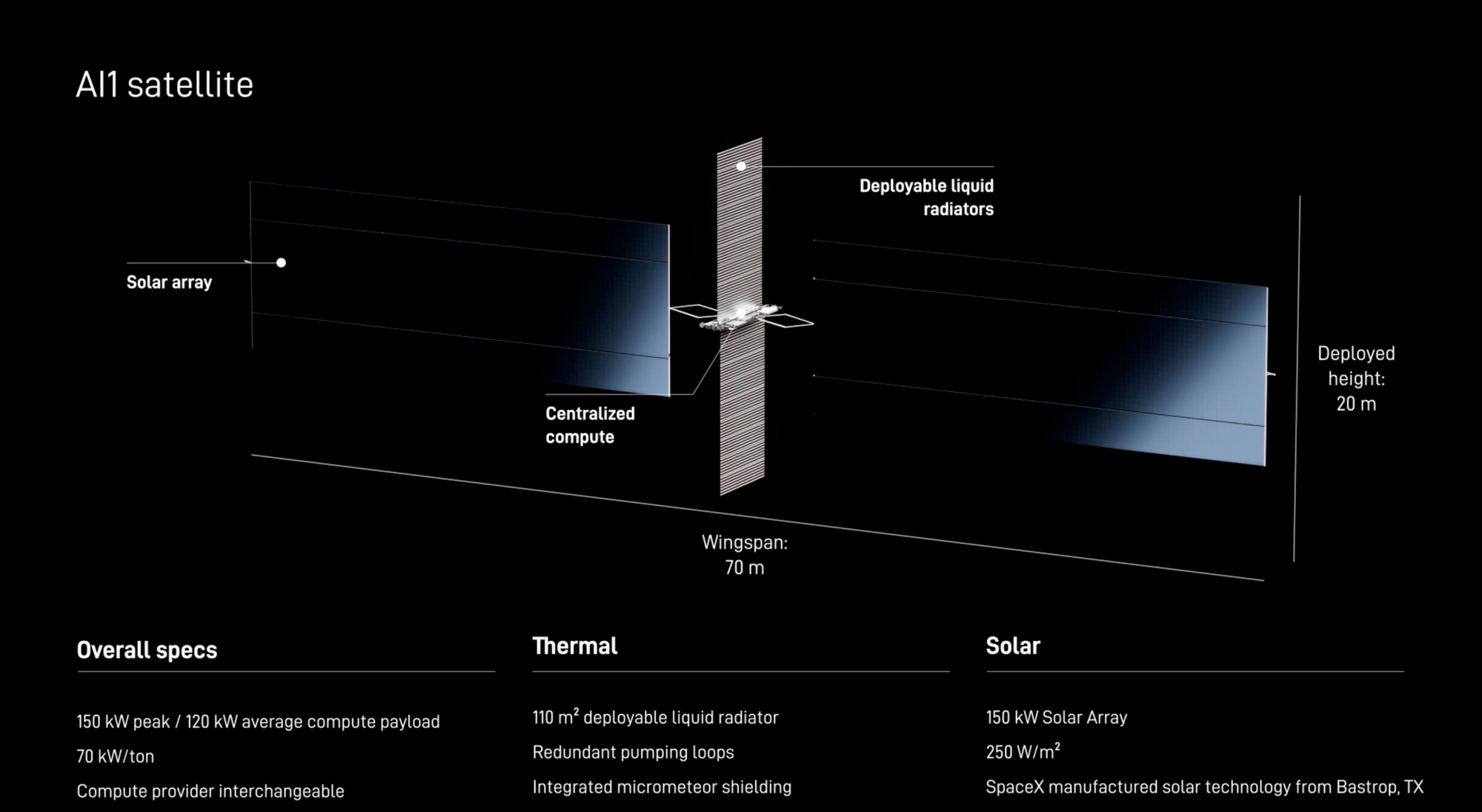
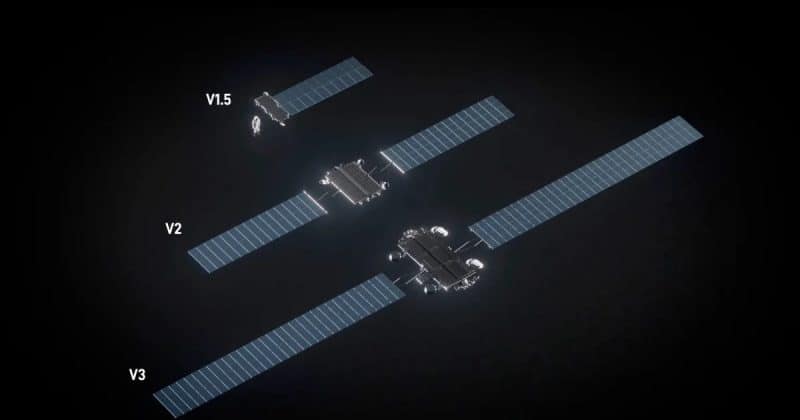
Elon Musk shared details about the planned AI satellites, referred to internally as AI1, on June 8-9, 2026. He noted that AI1 units will actually feature a simpler design than current Starlink satellites.