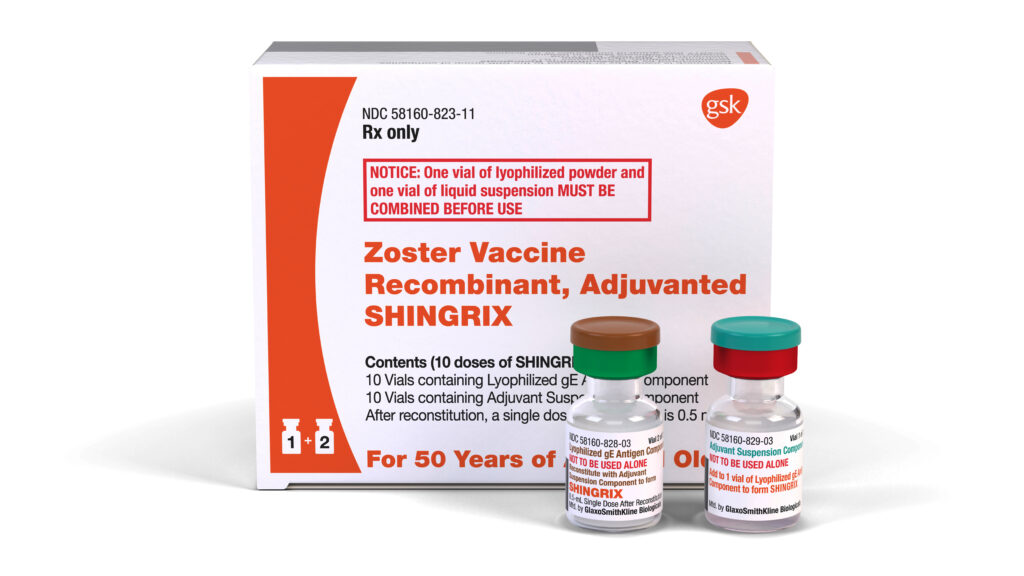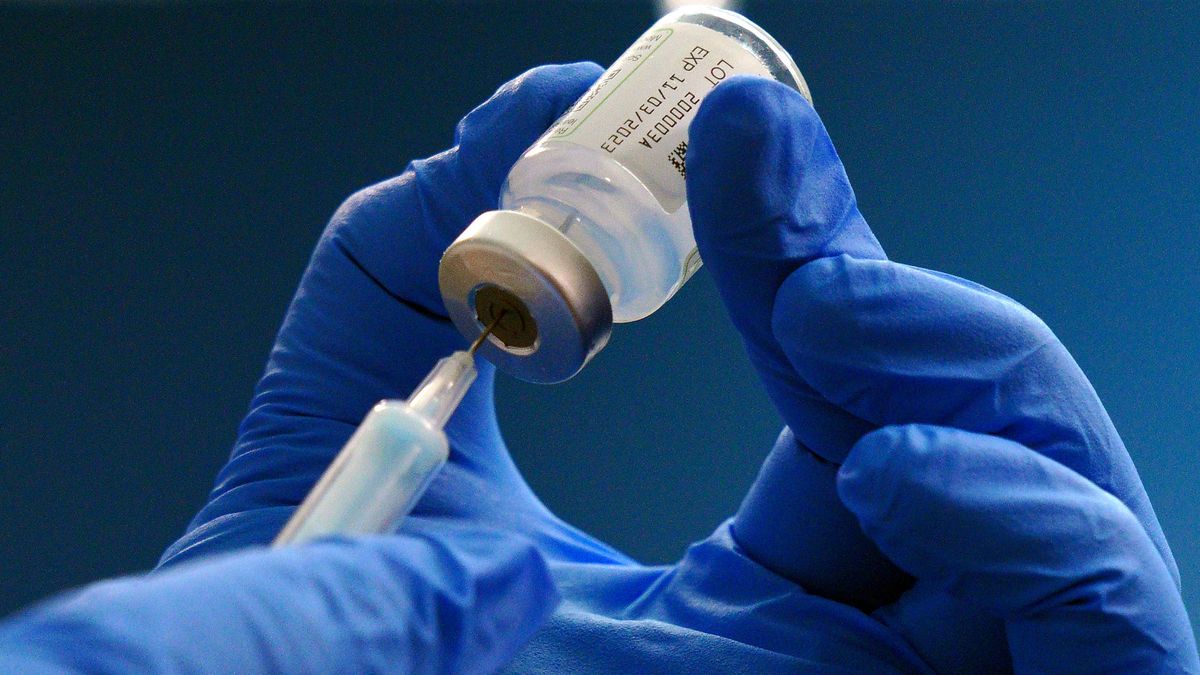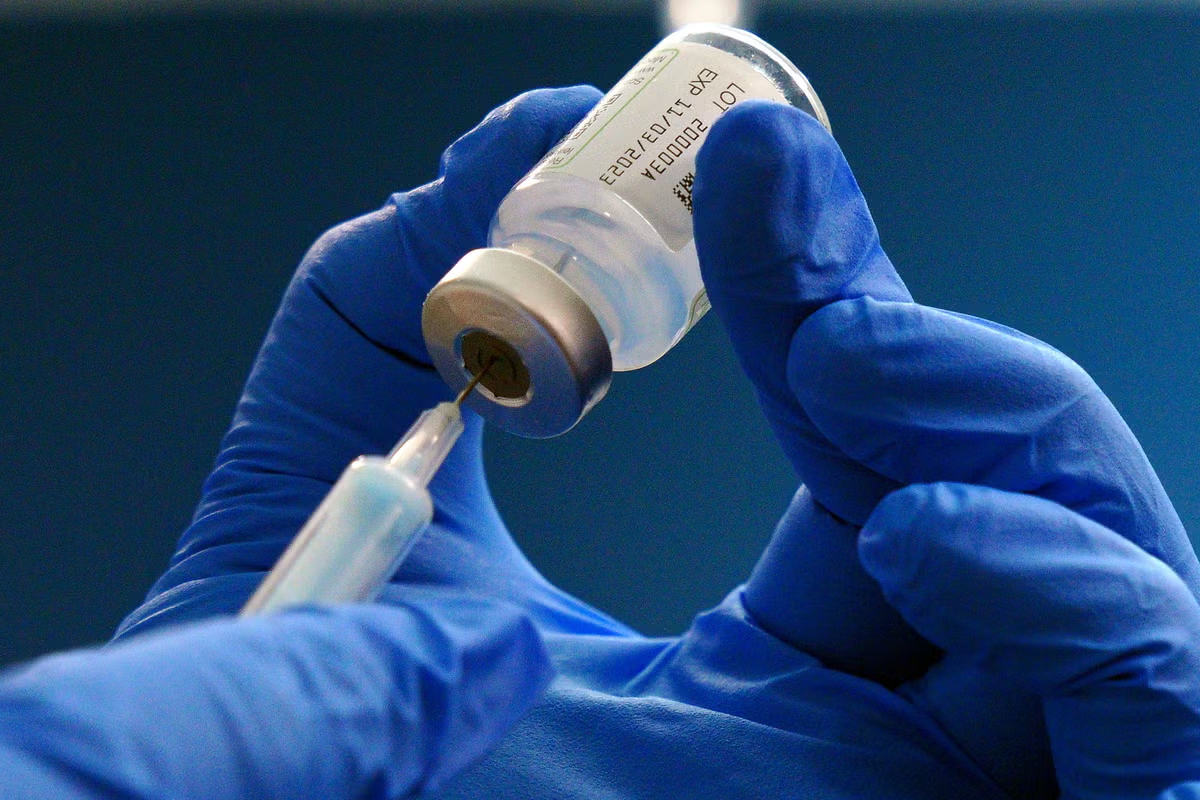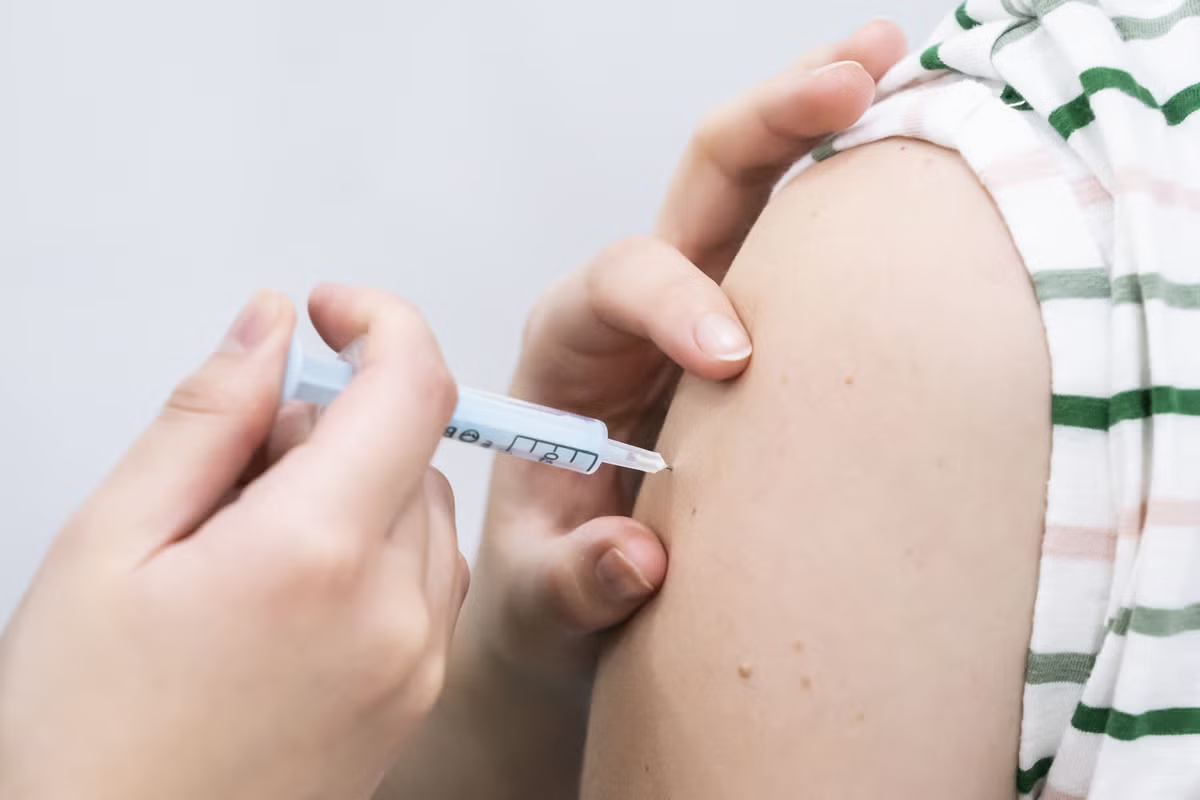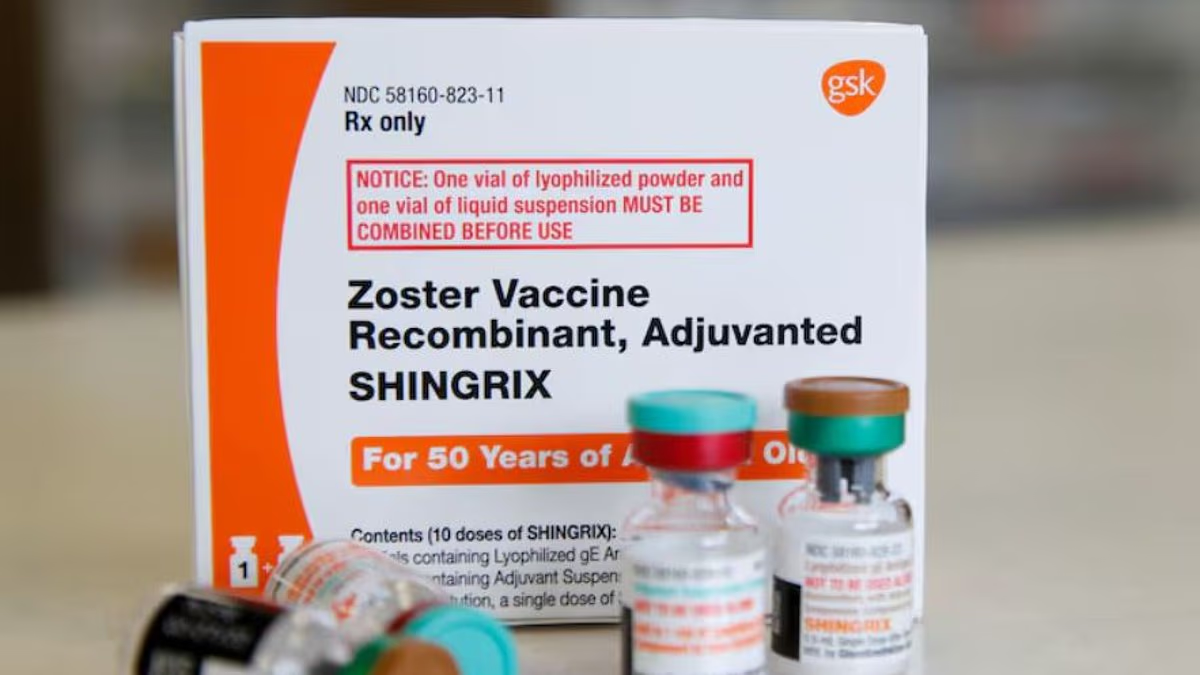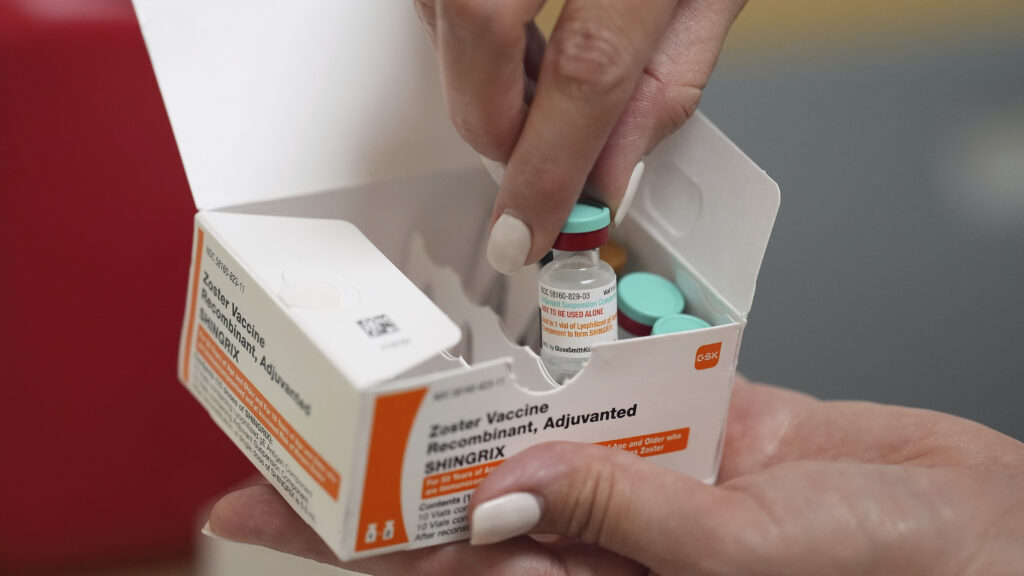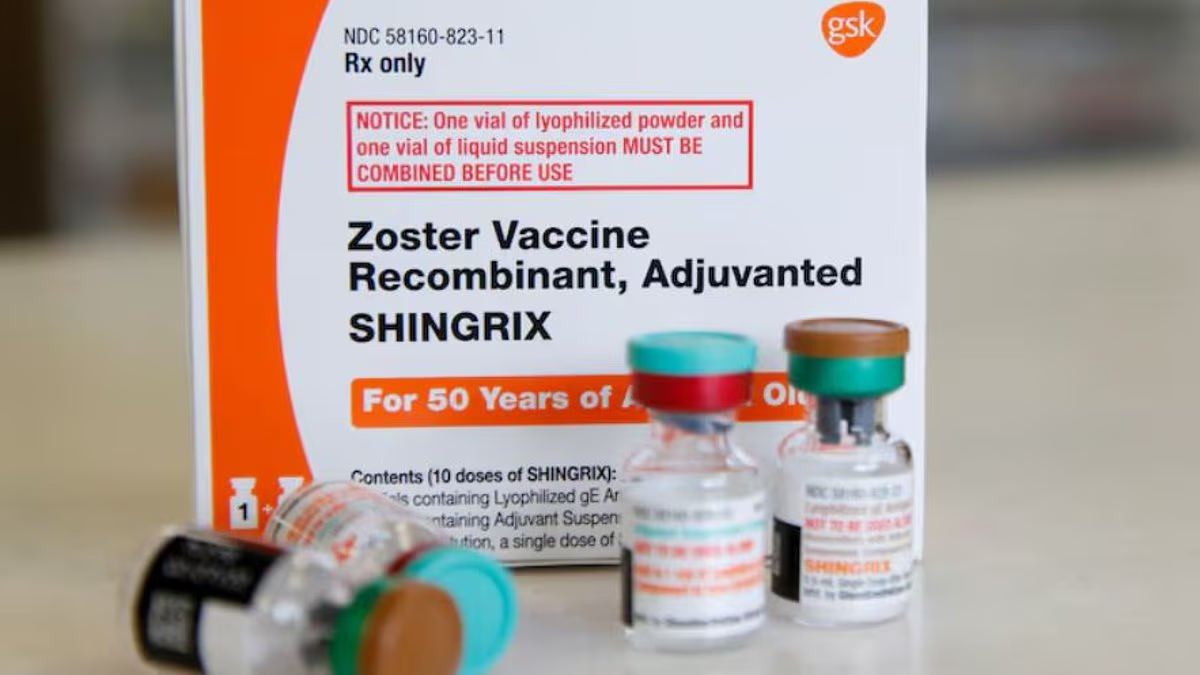
Getting vaccinated against shingles could cut the risk of developing not only dementia, but heart disease, heart failure and stroke, according to a major study.If everyone eligible for the vaccine sought protection, available on the NHS for adults turning 65, tens of thousands of deaths could be prevented in the UK alone, scientists say.Shingles is a painful and serious condition, caused by the reactivation of the chickenpox virus. It becomes more dangerous with age, and can lead to long-lasting nerve pain, hearing loss and blindness.In Britain, the Shingrix vaccine is currently offered to everyone aged between 70-79, as well as those turning 65 and people with a weakened immune system. The non-live vaccine replaced the older Zostavax jab in September 2023, after it was deemed safer for people who are immunocompromised. Now, researchers from the University of Oxford believe the jab could slash the risk of suffering a major cardiovascular event by up to 12 per cent. 'If confirmed in clinical trials, this could be the first vaccine to protect both the heart and the brain,' Dr Maxime Taquet, associate professor in the Department of Psychiatry at Oxford and study lead author, said. 'The hope is that our study at the very least helps nurture vaccination uptake, for which the benefit could be enormous.' A major study has added to growing evidence suggesting the shingles vaccine - officially named the recombinant zoster vaccine - could protect against heart disease The study - published in the journal Nature Medicine - analysed data from more than 70,000 adults aged 60 and over in the US, which switched from Zostavax to Shingrix in October 2017.This allowed researchers to compare the risk of cardiovascular events over a seven-year period in those who were vaccinated with Shingrix versus those who had received Zostavax. The two groups were matched for dozens of factors that could influence heart health, including age, sex, ethnicity, existing illnesses and medication use. Those vaccinated with the newer Shingrix vaccine were 10 per cent less likely to develop coronary heart disease - whereby the blood vessels supplying the heart become clogged with fatty deposits, increasing the risk of heart attack and heart failure. Shingrix was also associated with a 12 per cent lower risk of heart failure over the following seven years. The benefit was seen in both men and women, with men also showing a 12 per cent increase in time lived stroke-free. The vaccine was also found to be 'good value' for the NHS, for those over 70-years-old. Several trials that are looking to provide more definitive evidence are now under way.
Simple vaccine could slash risk of dementia and heart disease
Getting vaccinated against shingles could cut the risk of developing not only dementia, but heart disease, heart failure and stroke, according to a major study.
823 words~4 min read