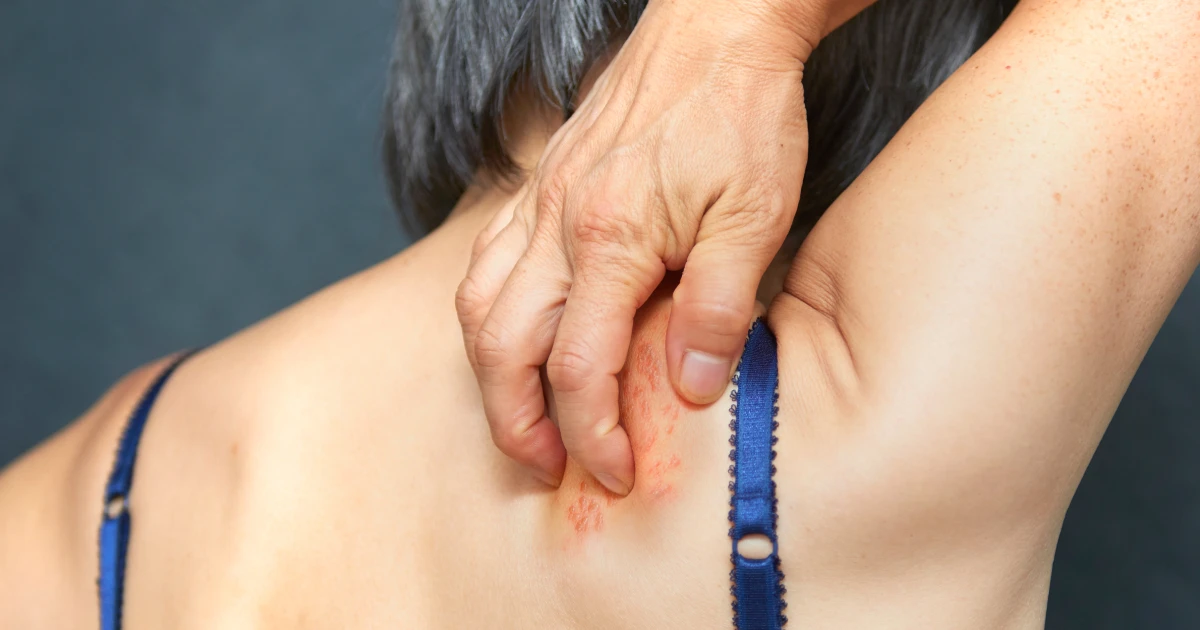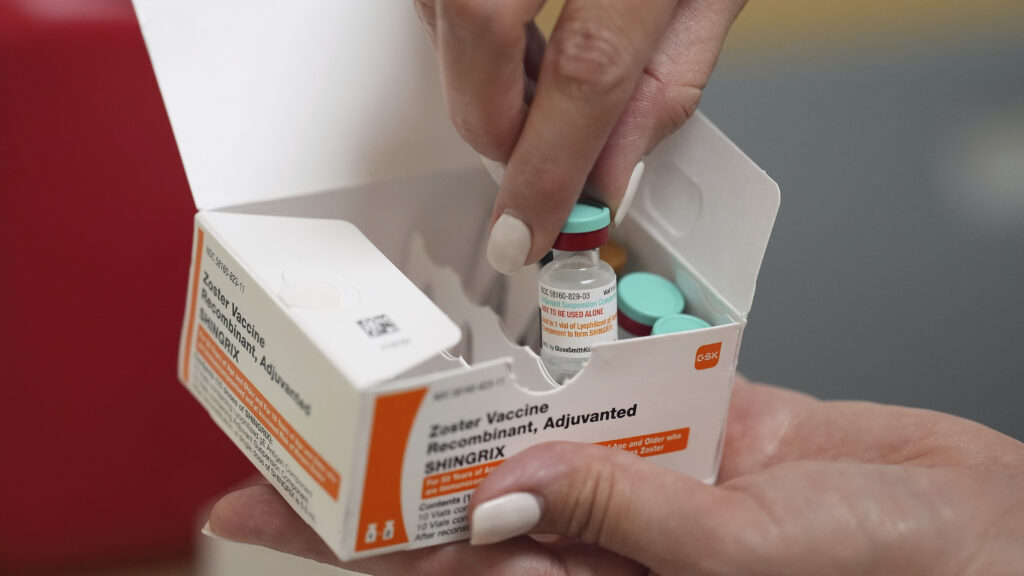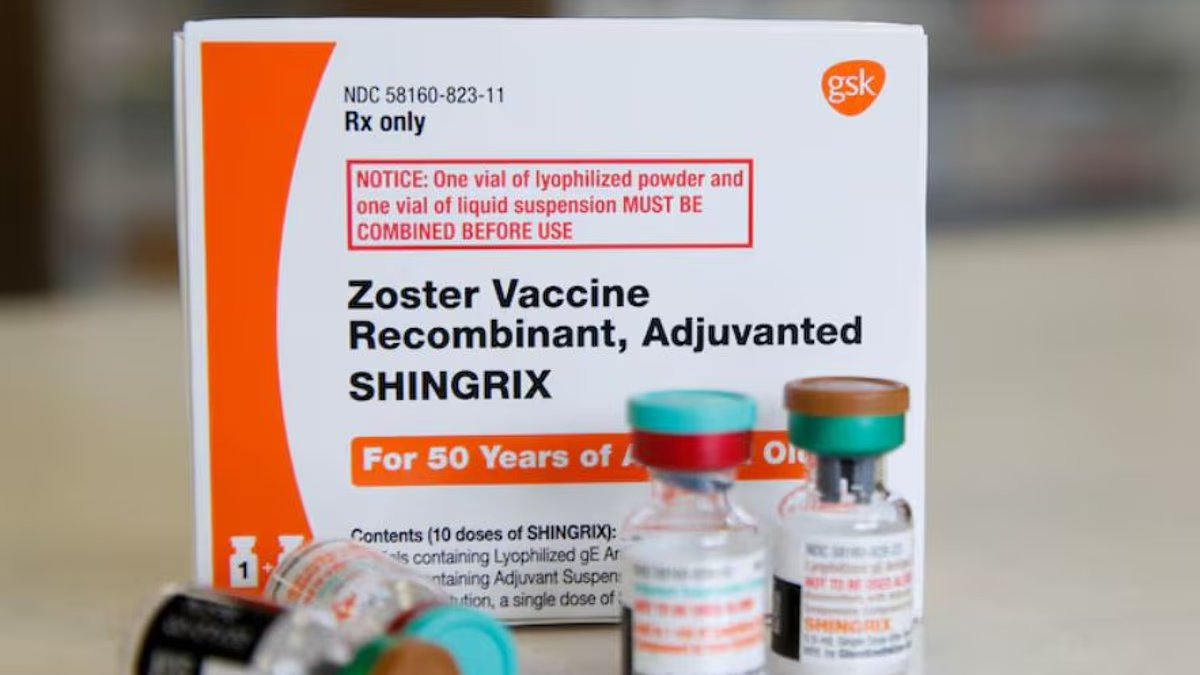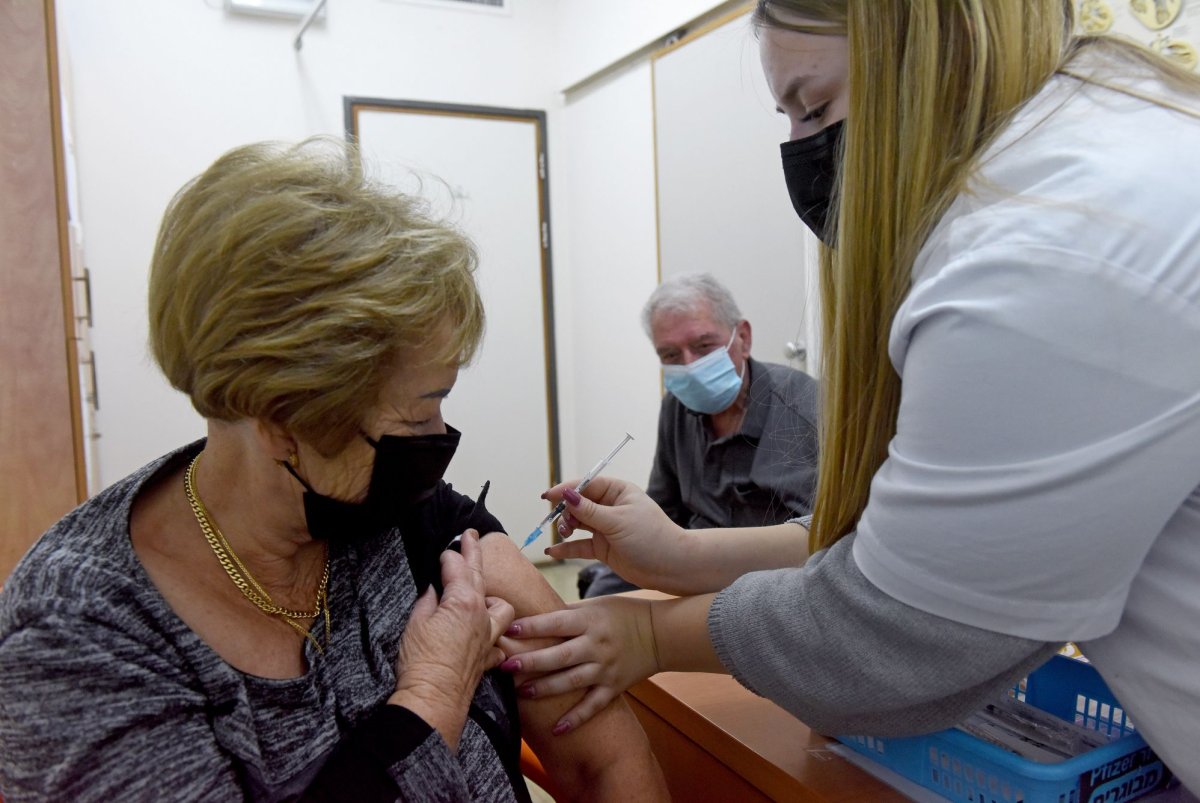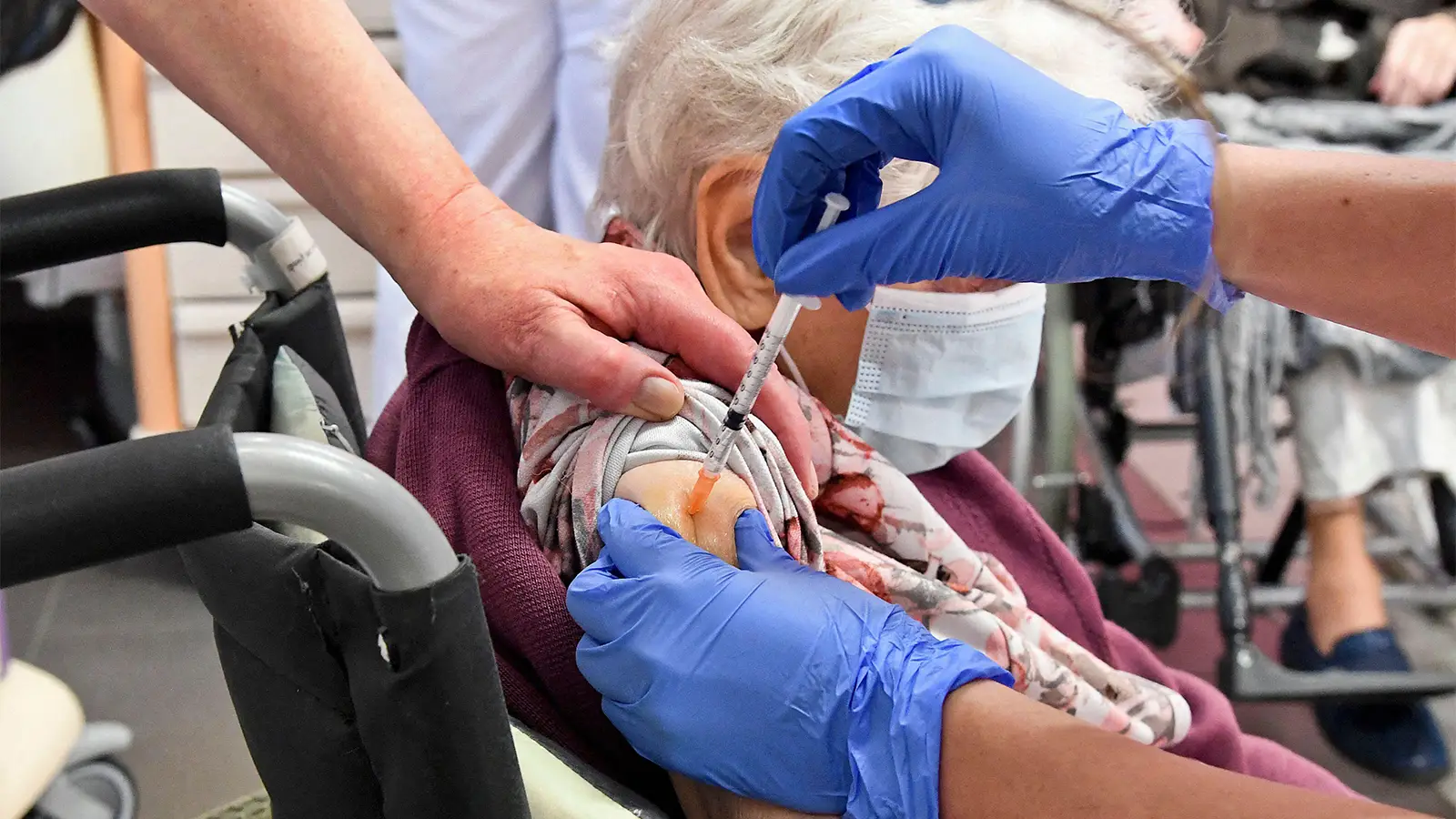
To hear people talk about it, the infectious disease shingles is one of the most painful experiences you can have in your life. Fortunately, there’s now a highly effective vaccine that can prevent its emergence—a vaccine that might be even more valuable than currently thought. In recent years, numerous studies have suggested that certain vaccines, particularly the shingles vaccine, are associated with a lower risk of later developing dementia. Just last month, for instance, researchers from Brown University, the University of Delaware, and others found that nursing home residents who received shingles vaccination were significantly less likely to be diagnosed with dementia over a four-year span than those who didn’t get it. These positive studies have largely been observational, meaning they can only demonstrate a correlation between vaccines and lower dementia risk. Some studies, including the one above, have tried to account for the limitations of observational research with different methods, ideally making their findings more robust. Yet at least some researchers, like UK epidemiologist George Davey Smith, have argued that the evidence overall is still too weak to widely support the idea of using vaccines to prevent dementia.
Can Vaccines Really Help Prevent Dementia?
Shingles infection might help trigger dementia. And preventing it though vaccination might forestall the latter, too, studies have found.
2,989 words~14 min read