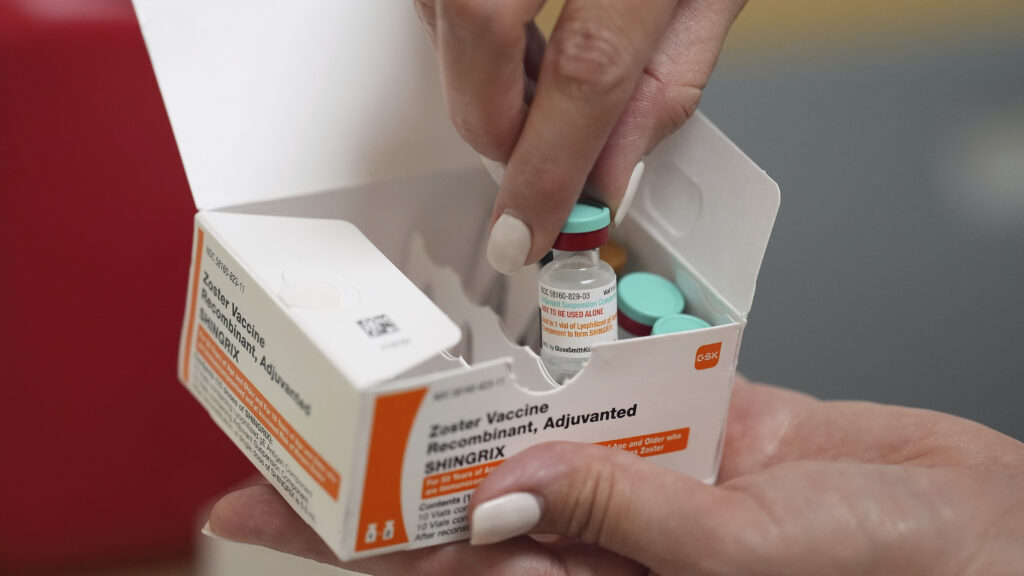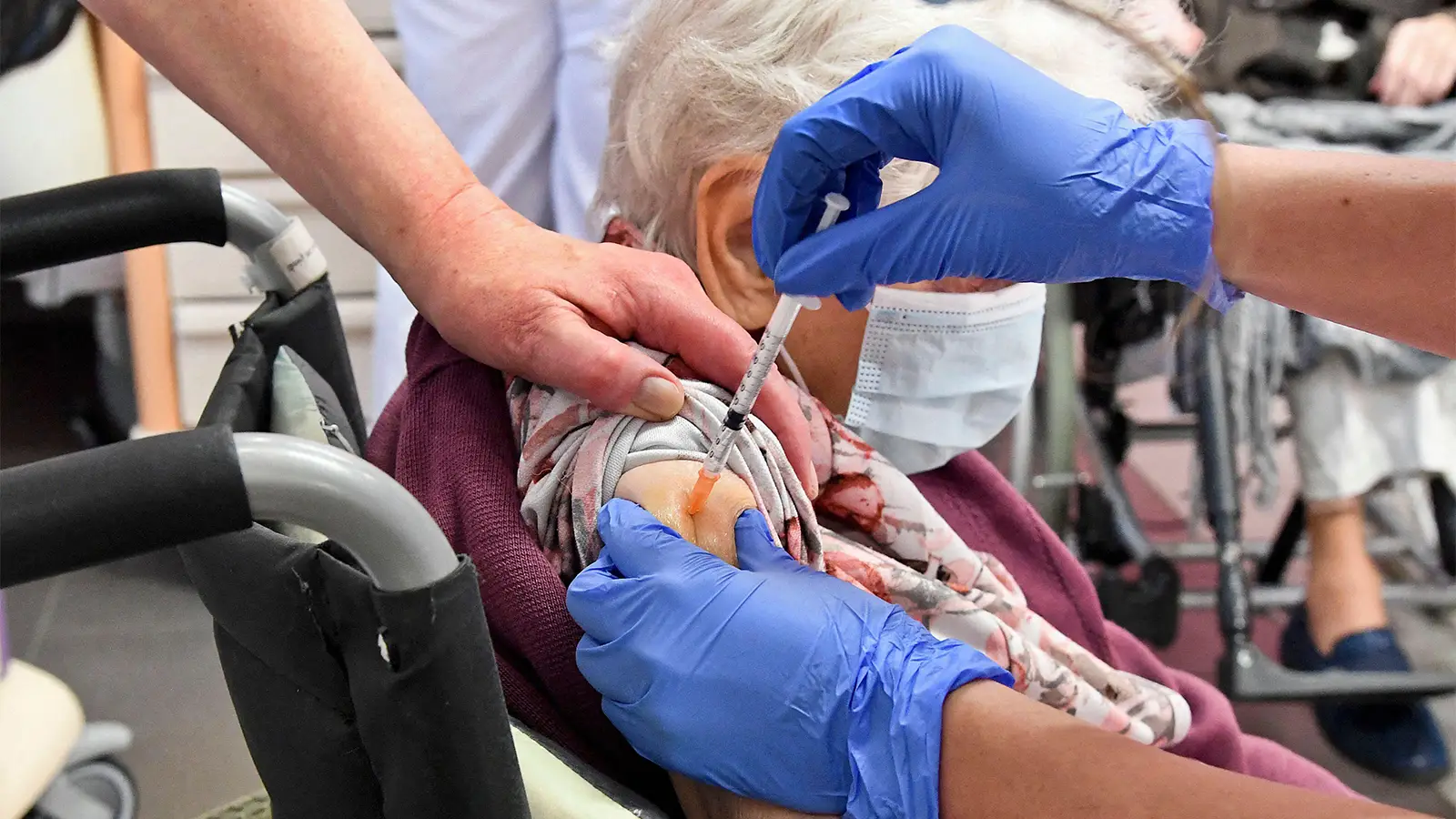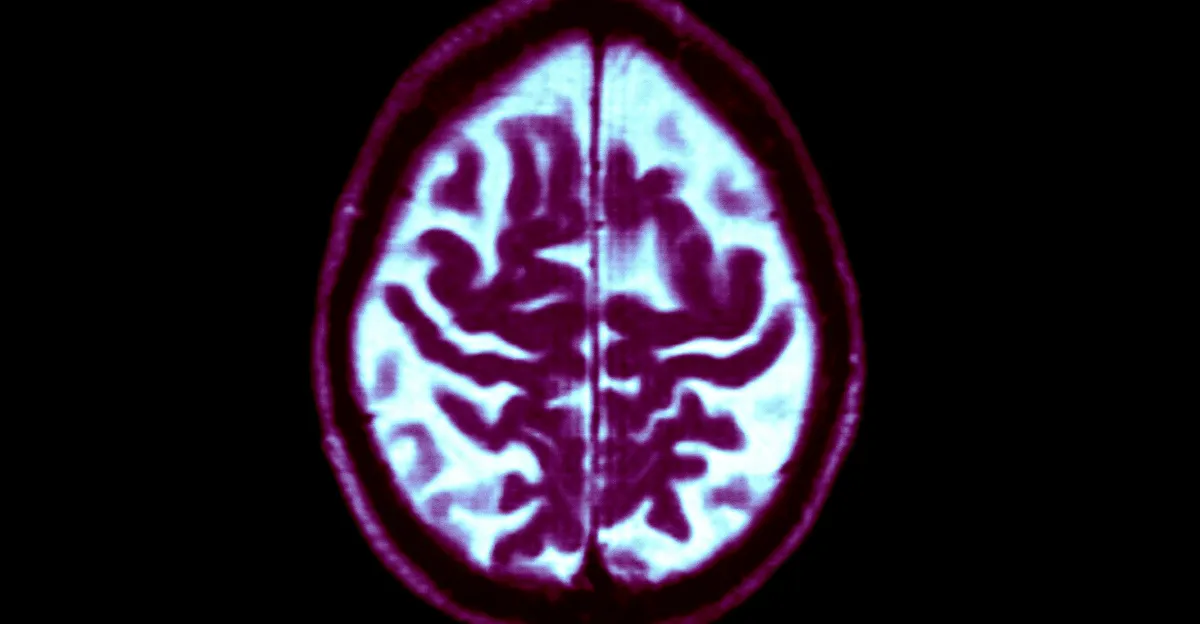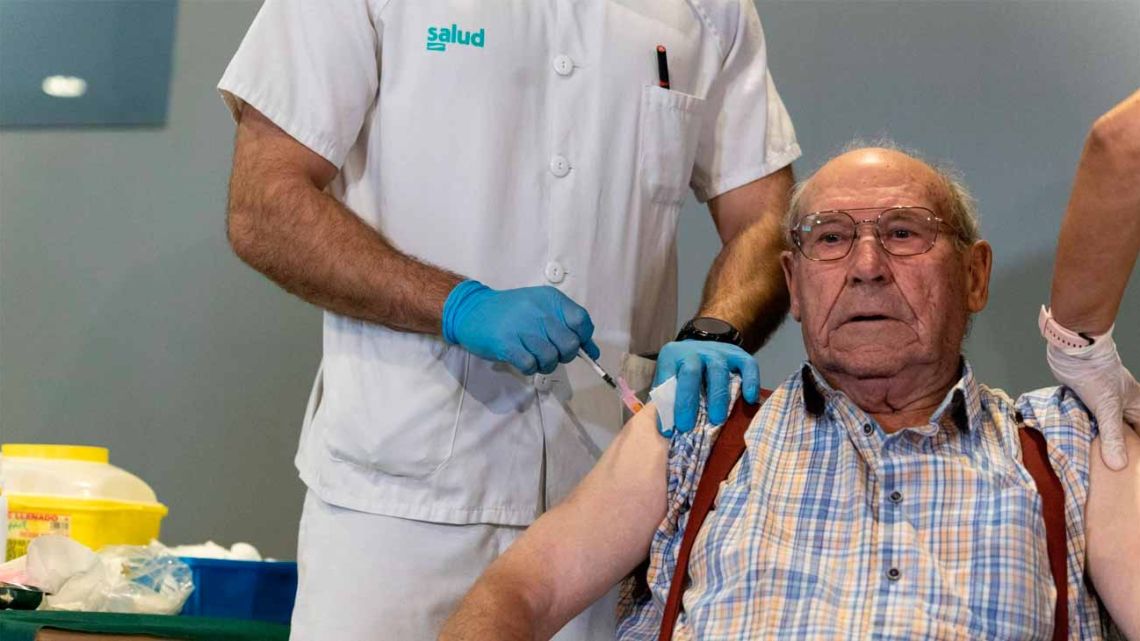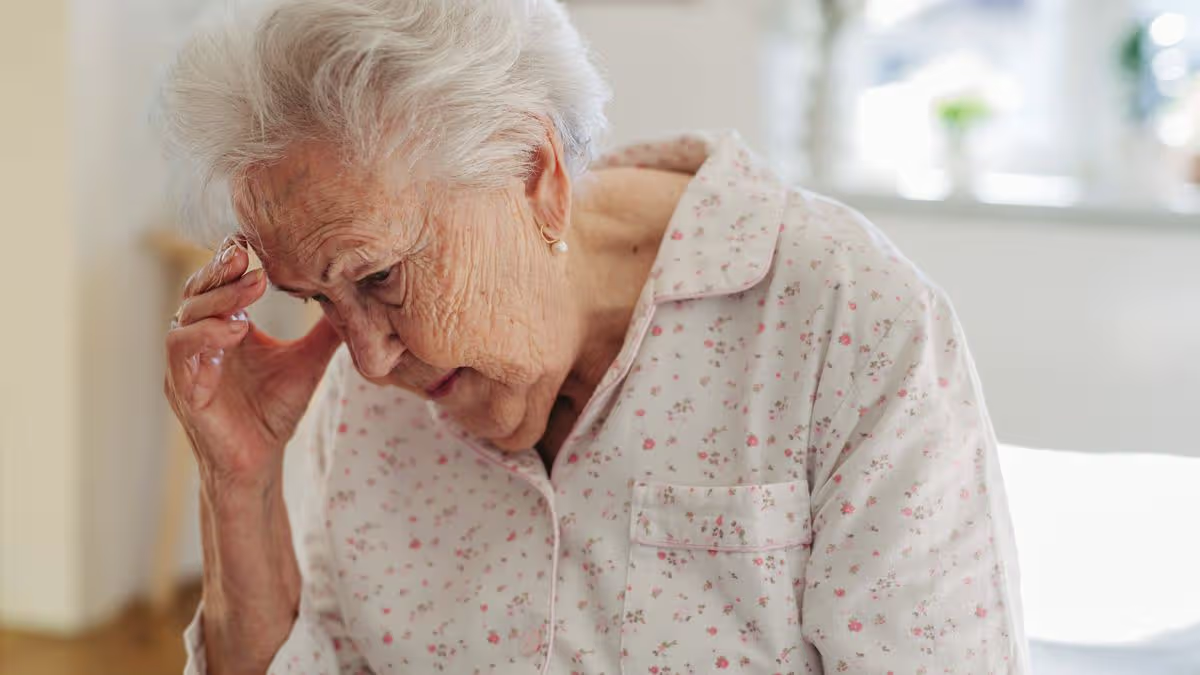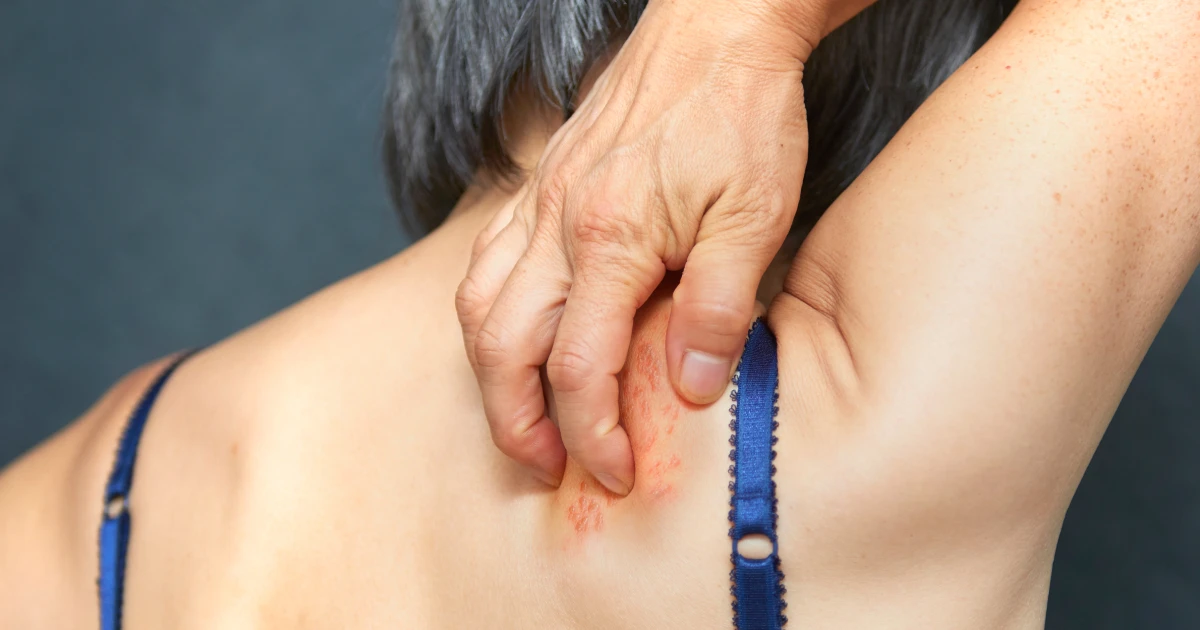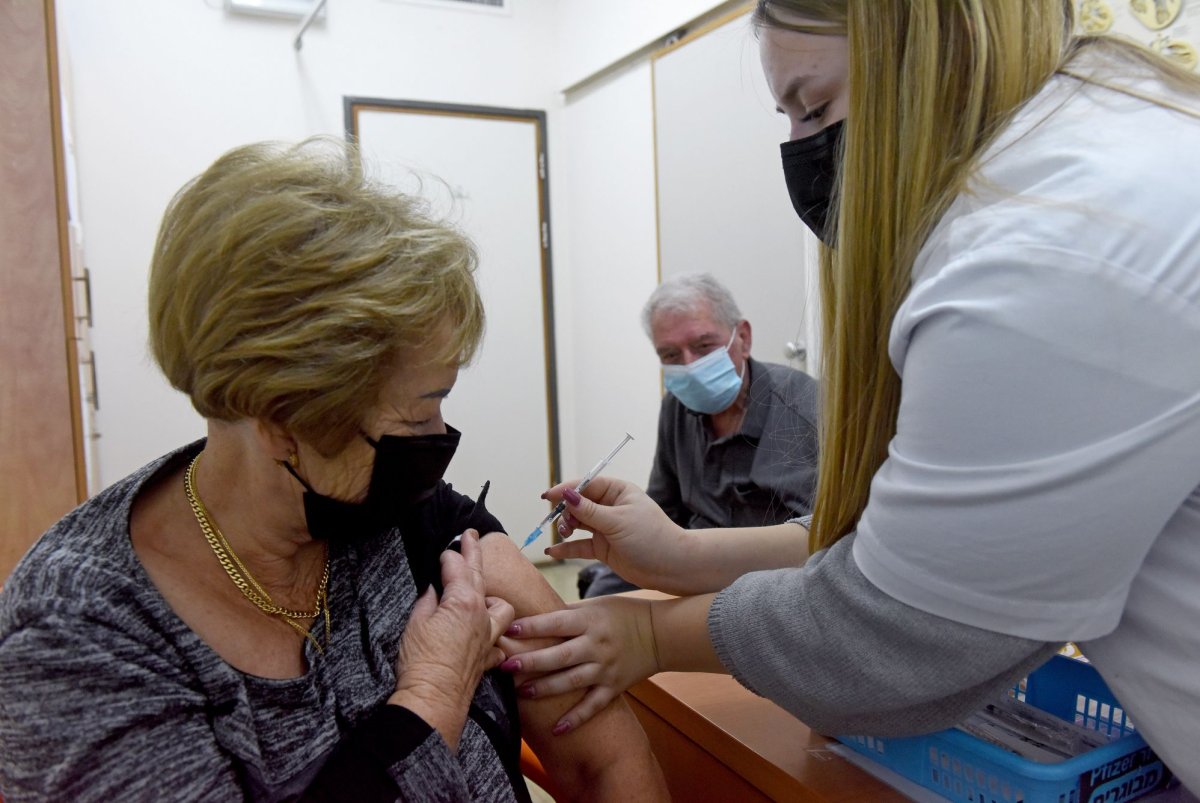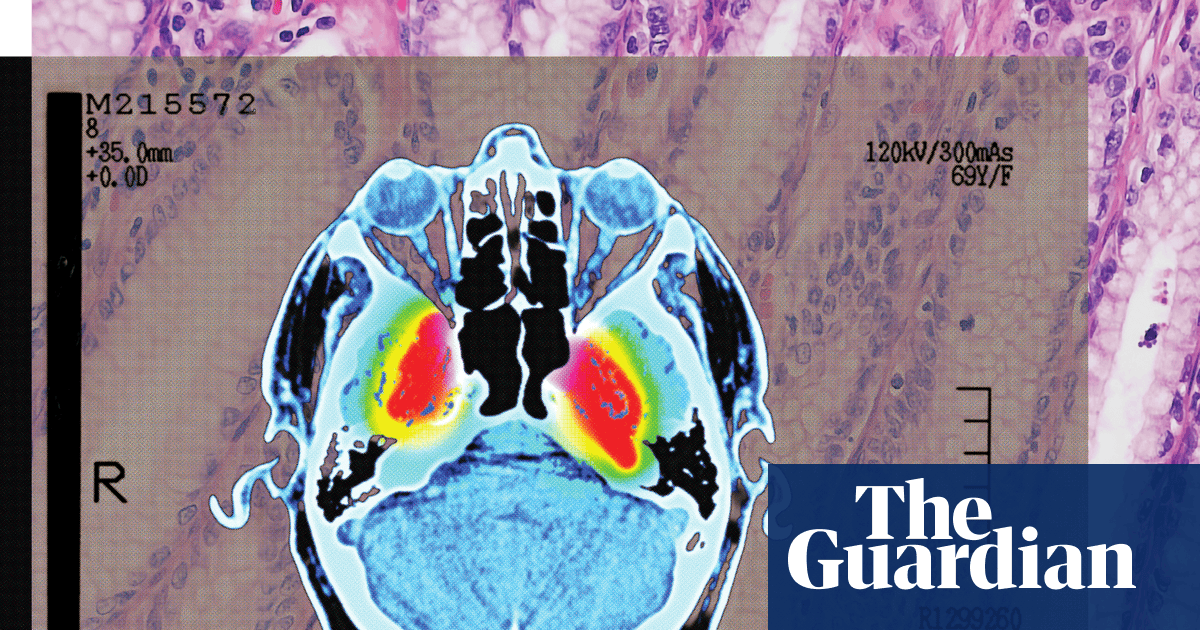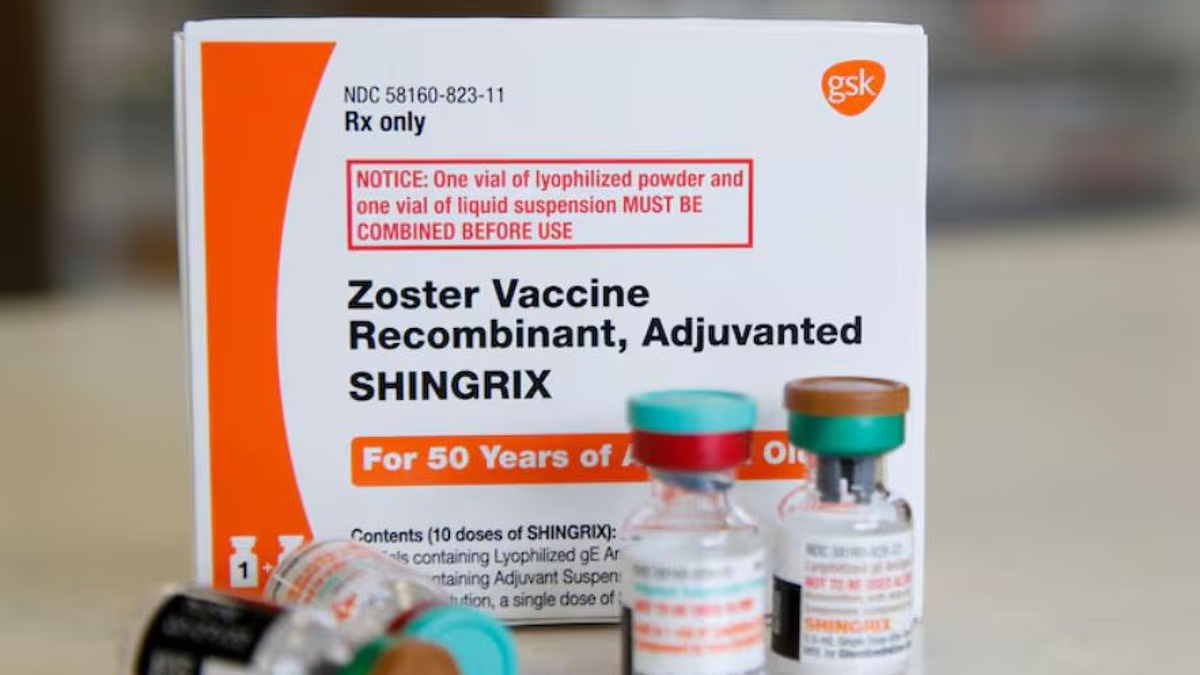
A major study has added to growing evidence suggesting the shingles vaccine may drastically cut the risk of developing dementia - but scientists remain puzzled as to why.Researchers in the US analysed data from more than 500,000 people and found those who received the shingles jab - officially named the recombinant zoster vaccine - were 24 per cent less likely to develop dementia than those who did not.Around one million Britons are living with dementia - an umbrella term for a group of cruel diseases including Alzheimer's - that gradually robs people of their memory, thinking skills and changes their behaviour.Sadly there is no cure for the syndrome, which remains the UK's leading cause of death - killing more than 77,000 people each year.But researchers believe the shingles vaccine may play a part in preventing the disease.After four years of follow-up in the new study, researchers found vaccinated participants had a 19 per cent chance of developing dementia, compared with 24 per cent in those who had not been given the jab. The findings, published in the Annals of Internal Medicine, are significant because the average age of participants was 79 and nearly two-thirds were women - key demographics who face a greater risk of developing dementia.'We don't know with certainty why the risk of dementia is lower with shingles vaccination, but have a lot of ideas,' says Kaleen Hayes, associate director of pharmacoepidemiology at the Brown University School of Public Health in Providence, Rhode Island, which led the study. A major study has added to growing evidence suggesting the shingles vaccine - officially named the recombinant zoster vaccine - may drastically cut the risk of developing dementia Everyone experiences dementia differently. Use this checklist to help you make a note of your symptoms before you talk to your GP.Experts believe that contracting shingles - a viral infection that causes painful rashes and nerve pain on the body - could increase the risk of developing dementia.One theory is that, because shingles triggers neuroinflammation - a form of inflammation affecting the brain and spinal cord that has been strongly linked to both stroke and dementia - the vaccine may prevent those complications from arising.Hayes said that by 'activating the immune system' with the jab, this could help to prevent 'a pathway of inflammation that increases dementia risk'.Experts not involved in the research welcomed the findings. Barak Gaster, director of the cognition in primary care at the University of Washington in Seattle, said: 'I've added it to my standard pitch as to why they should get the vaccine: I start with, 'Shingles is probably the most painful rash imaginable, and you're lucky if it lasts just a few weeks and goes away.' 'And then I add that there is some evidence that it may help protect your brain.'Others remained more cautiously optimistic about what the research uncovered.'The takeaway from this research is 'stay tuned,' said David Reuben, MD, professor of geriatrics at the David Geffen School of Medicine. 'I tell patients, 'yes, there is some evidence supporting this, but it's very early.' I wouldn't change my practice over this, but it's interesting.'Though the research was conducted in the US, the findings could have implications for future studies in Britain - particularly given the low uptake of the free shingles vaccine in the UK.
The shingles vaccine could lower dementia risk 'by up to a quarter'
Researchers in the US analysed data from more than 500,000 people and found those who received the shingles jab were 24 per cent less likely to develop dementia than those who did not.
TL;DRAI
US researchers analyzing 500,000 patients found the shingles vaccine reduced dementia risk by 24%, potentially through controlling neuroinflammation. The finding suggests vaccine repurposing for dementia prevention—critical given limited preventive options and dementia's status as the UK's leading cause of death.
800 words~4 min read