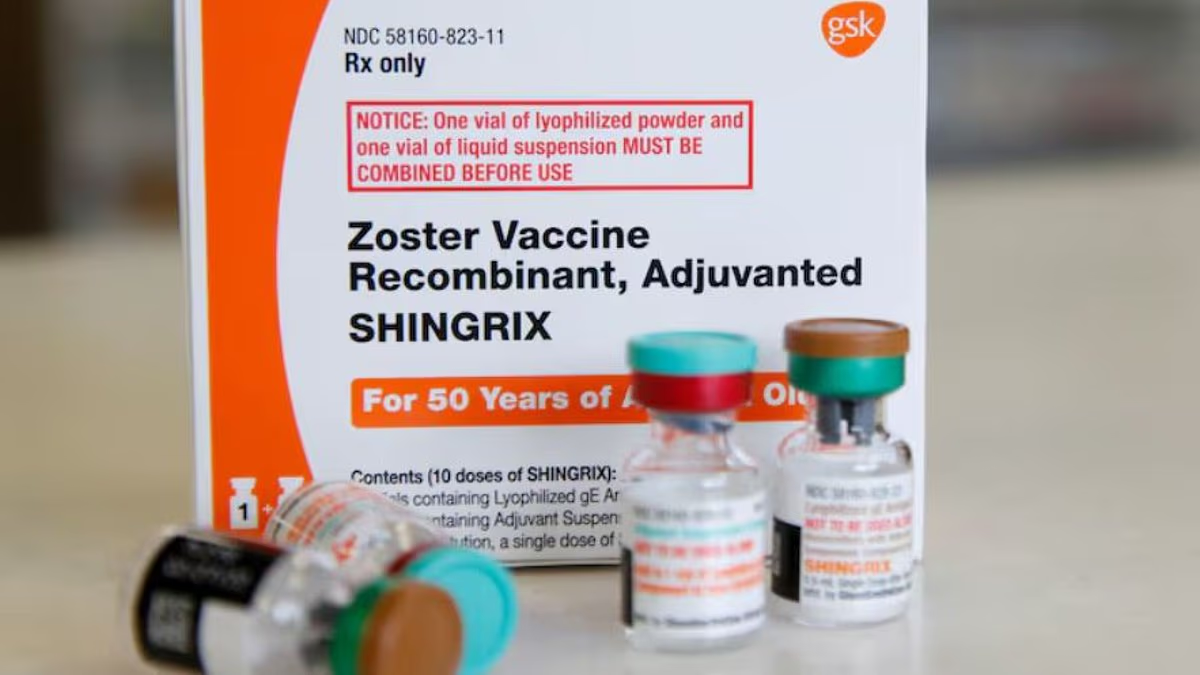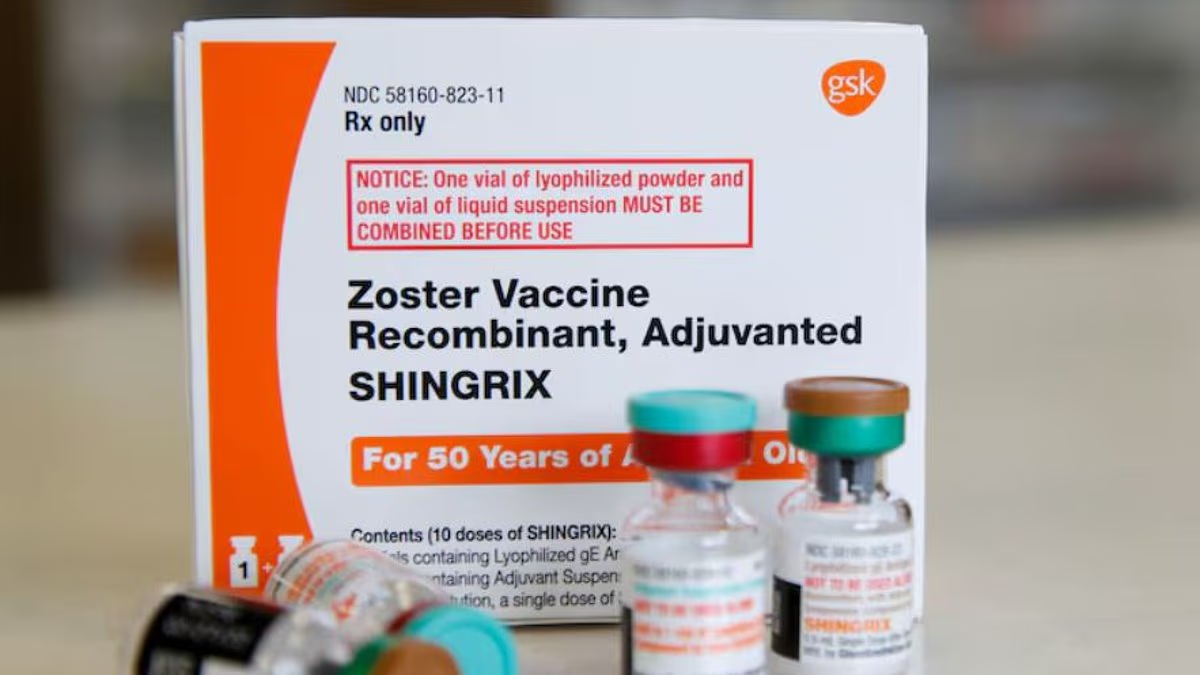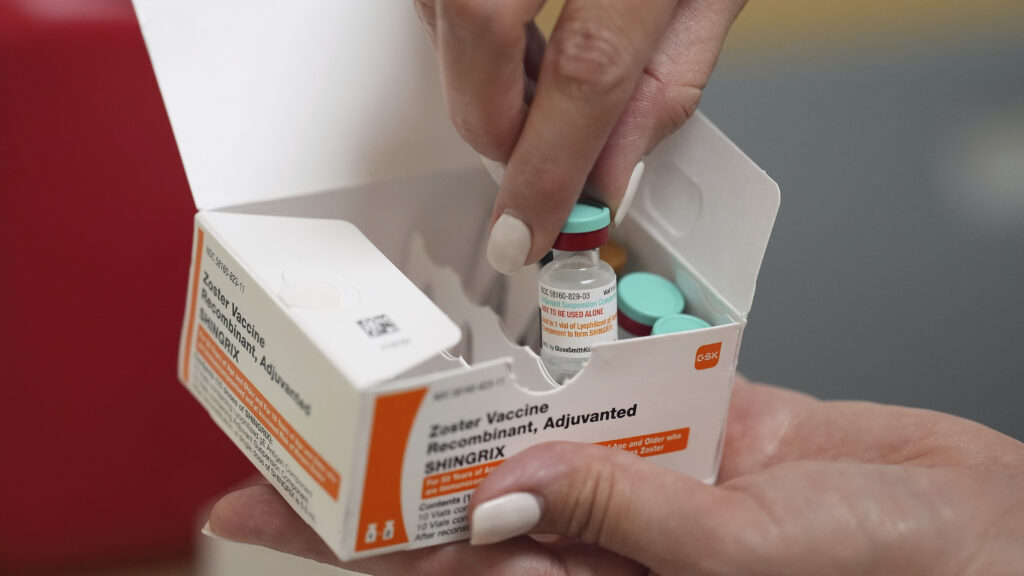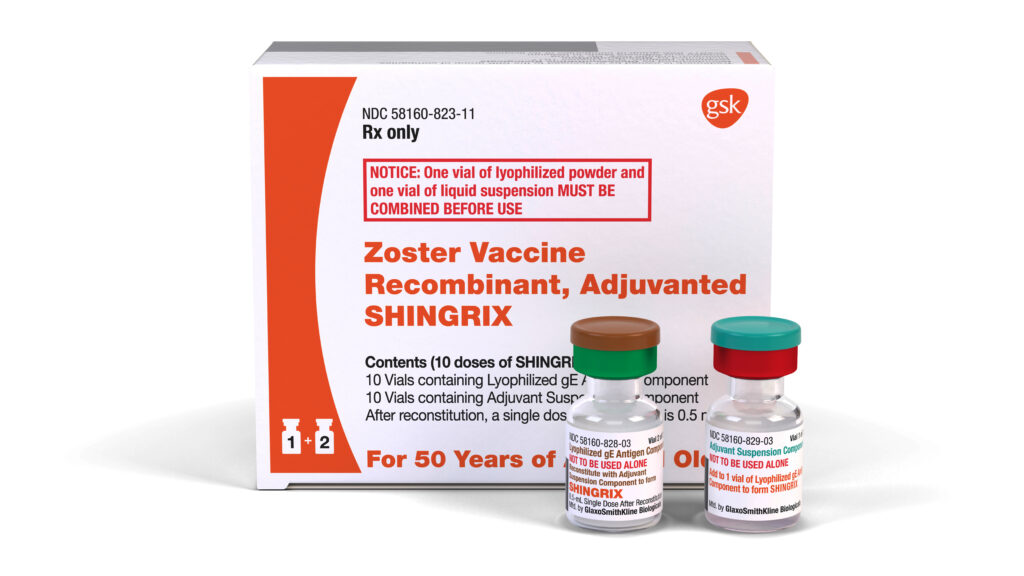
The newer shingles vaccine has been turning heads since its link to lower dementia rates was reported two years ago. Now the same research team behind that observation has found an association between receiving the Shingrix shot and a reduced risk of heart disease.
There have been signals before of cardiovascular benefits in people who got the newer, recombinant vaccine to prevent shingles, a painful, often serious flare-up in older people of the chickenpox virus from childhood. Those who got Shingrix were less likely than unvaccinated people to have heart attacks, strokes, or heart failure.
The Oxford researchers wanted to answer the “what else could it be?” question arising from earlier observational studies that, by definition, can’t prove cause and effect. Were people getting vaccinated against shingles healthier to begin with than those who weren’t vaccinated? Did their better access to health care, as evidenced by their inoculations, better protect them from the disease?
Beyond eliminating the possibility of “healthy vaccine bias,” was there a way to show important differences between the two vaccines?
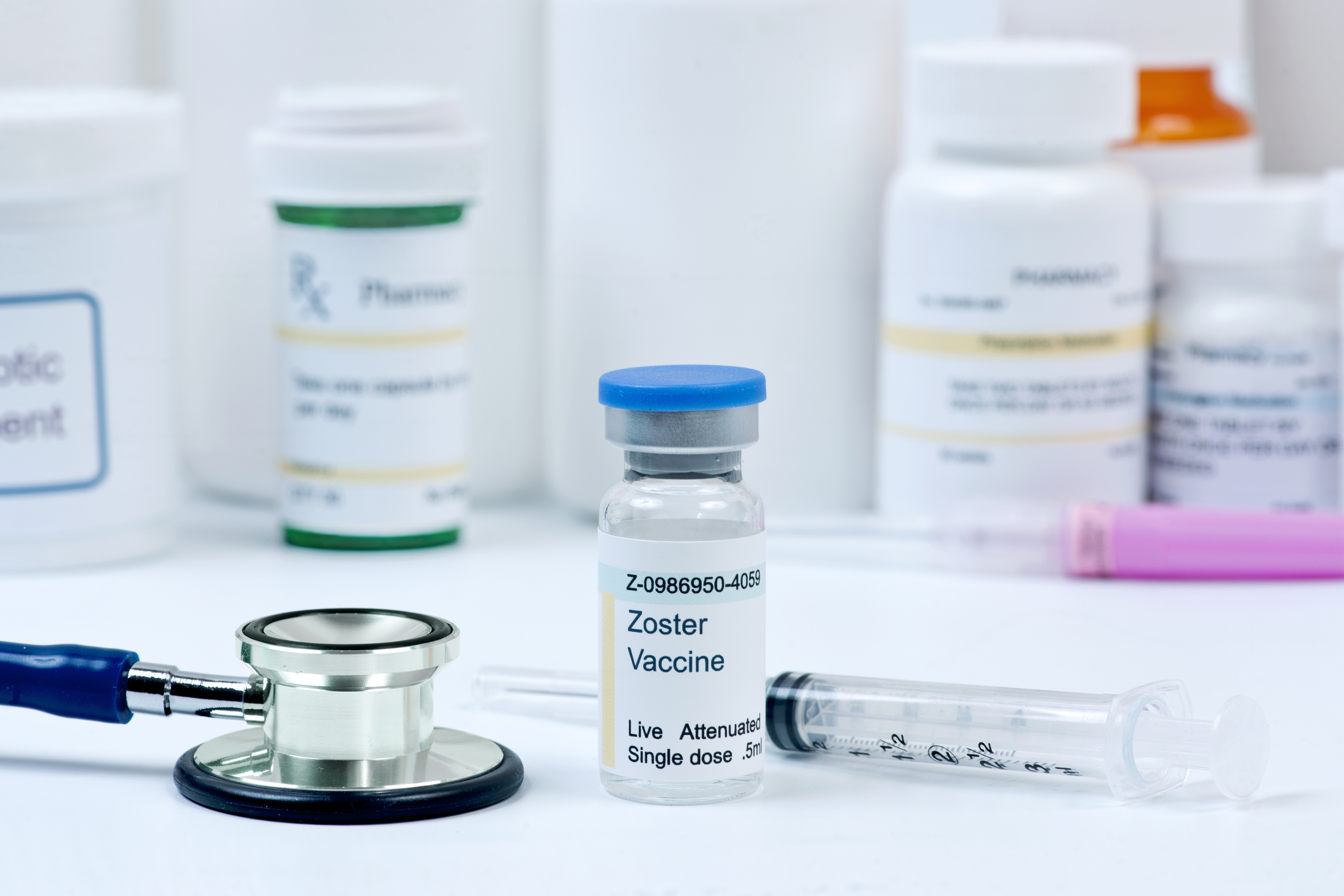
The researchers found their solution in a natural experiment, taking the opportunity to compare similar groups of vaccinated people on either side of the date in October 2017 when Shingrix was approved in the U.S., displacing Zostavax, the live vaccine administered before then. The study, published Wednesday in Nature Medicine, looked at the TriNetX network’s electronic health records of 72,000 vaccinated people 60 and older, splitting them into two matched groups who got their shots six months before or six months after the new approval. TriNetX holds data from 60 health systems but does not include people with public health insurance.