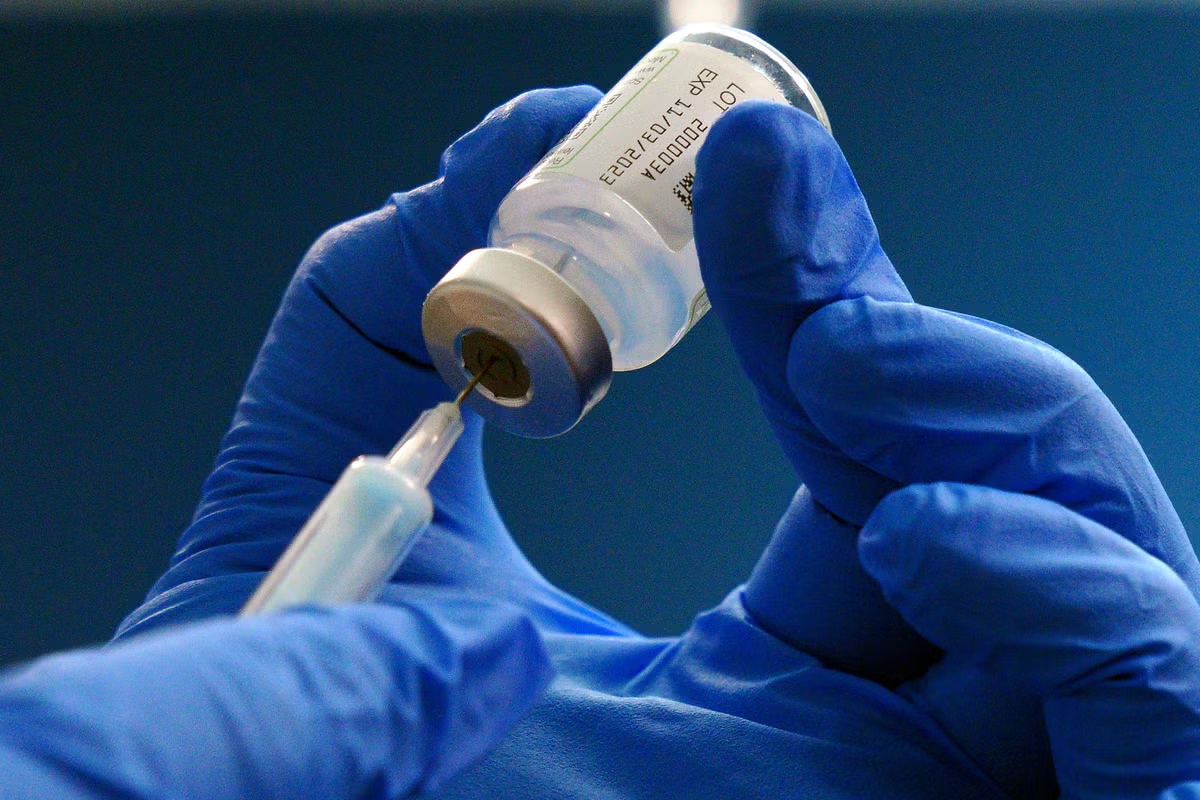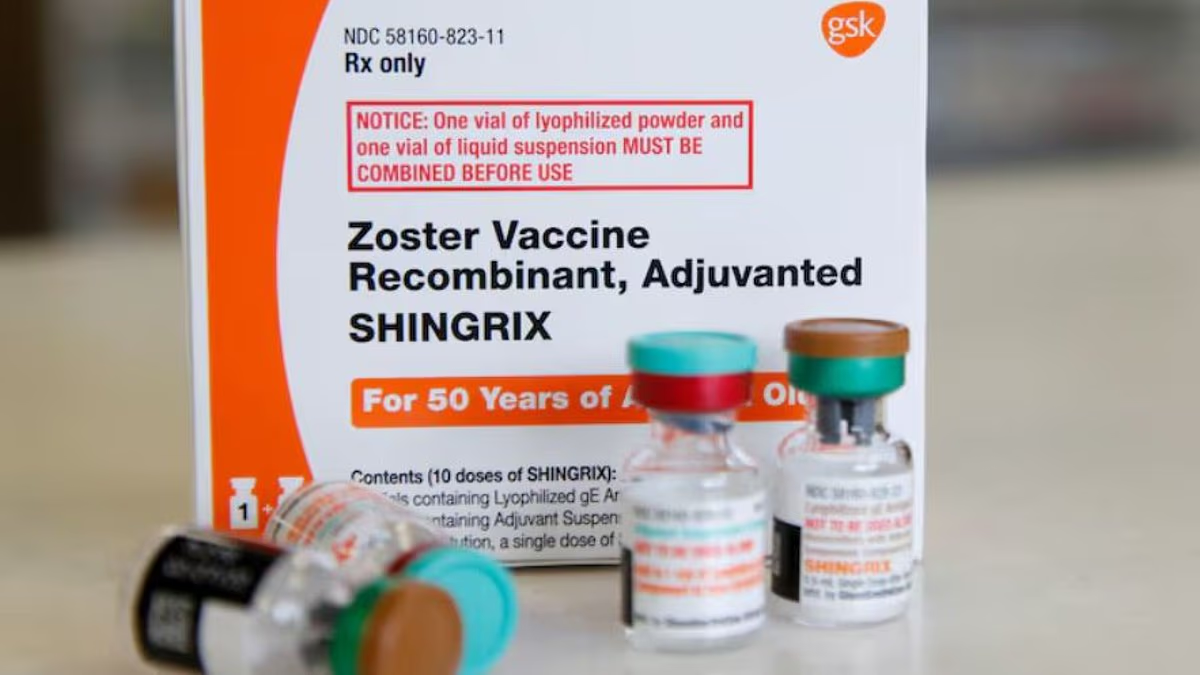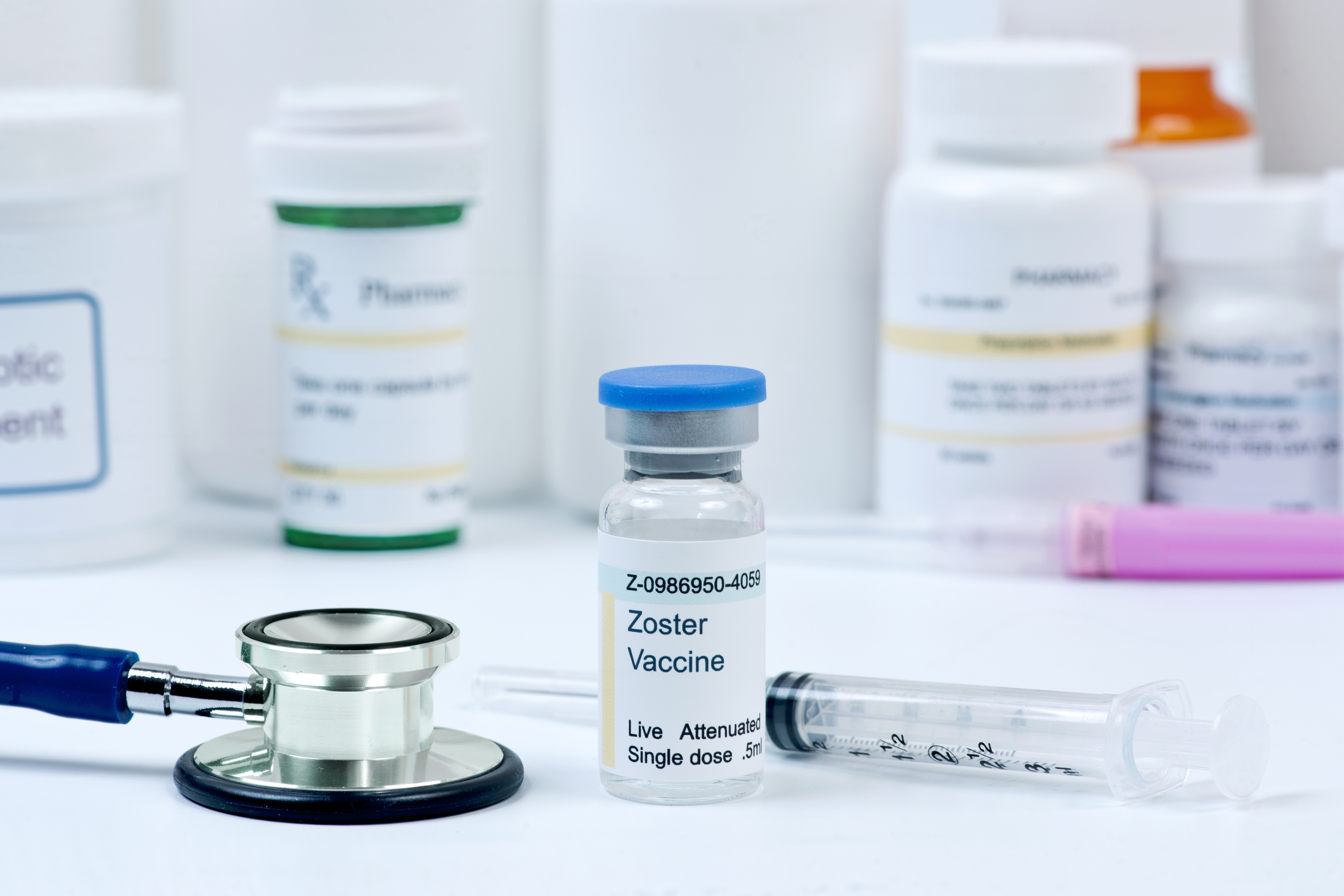
An observational study compared cardiovascular outcomes of shingles vaccine recipients during the live-attenuated shingles vaccine (Zostavax) and the recombinant herpes zoster vaccine (Shingrix) eras.The group that predominantly received the recombinant vaccine was at lower risk of cardiovascular events over the next 7 years compared with the group that predominantly received the live vaccine.More studies are needed to confirm the potential cardioprotective effects of shingles vaccines, study authors say.
The idea that herpes zoster (shingles) vaccination may have cardiovascular benefits was backed by the results of a natural experiment, researchers found.
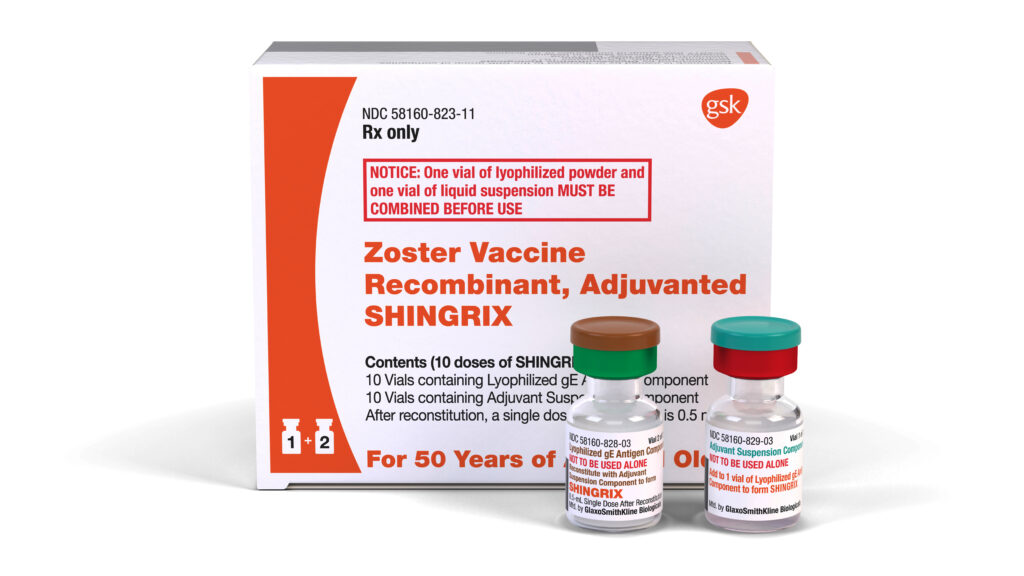
Investigators saw clear differences in patient outcomes between those vaccinated in the 2017 season dominated by the live-attenuated shingles vaccine (Zostavax) and those vaccinated in 2018 mostly using the recombinant herpes zoster vaccine (Shingrix), reported Maxime Taquet, MSc, BMBCh, PhD, of University of Oxford and Oxford Health NHS Foundation Trust in England, and colleagues.
The newer, more effective recombinant vaccine was associated with drops over the next 7 years in terms of:Composite cardiovascular outcomes (restricted mean time lost [RMTL] ratio 0.91, 95% CI 0.88-0.95)Ischemic heart disease (RMTL ratio 0.90, 95% CI 0.87-0.94)Heart failure (RMTL ratio 0.88, 95% CI 0.83-0.93)