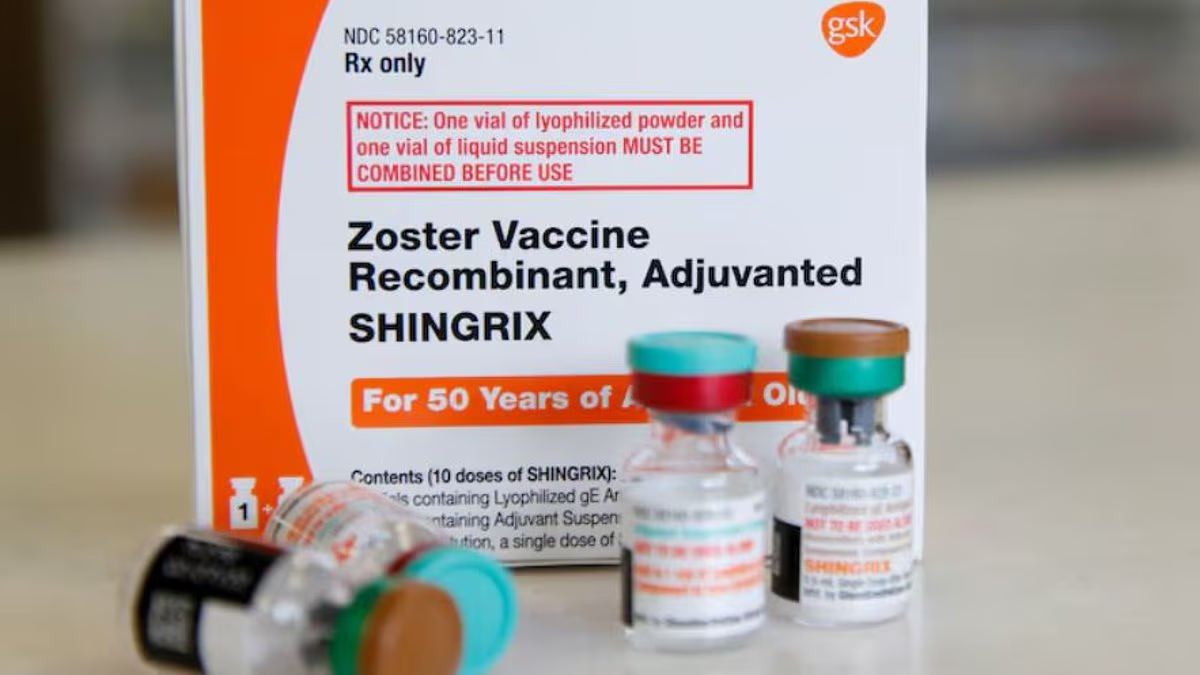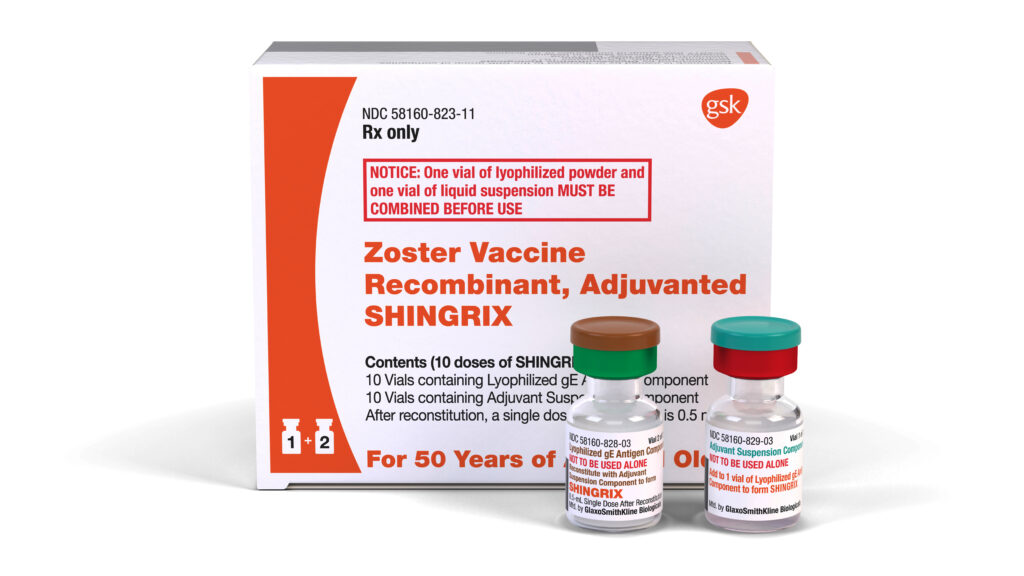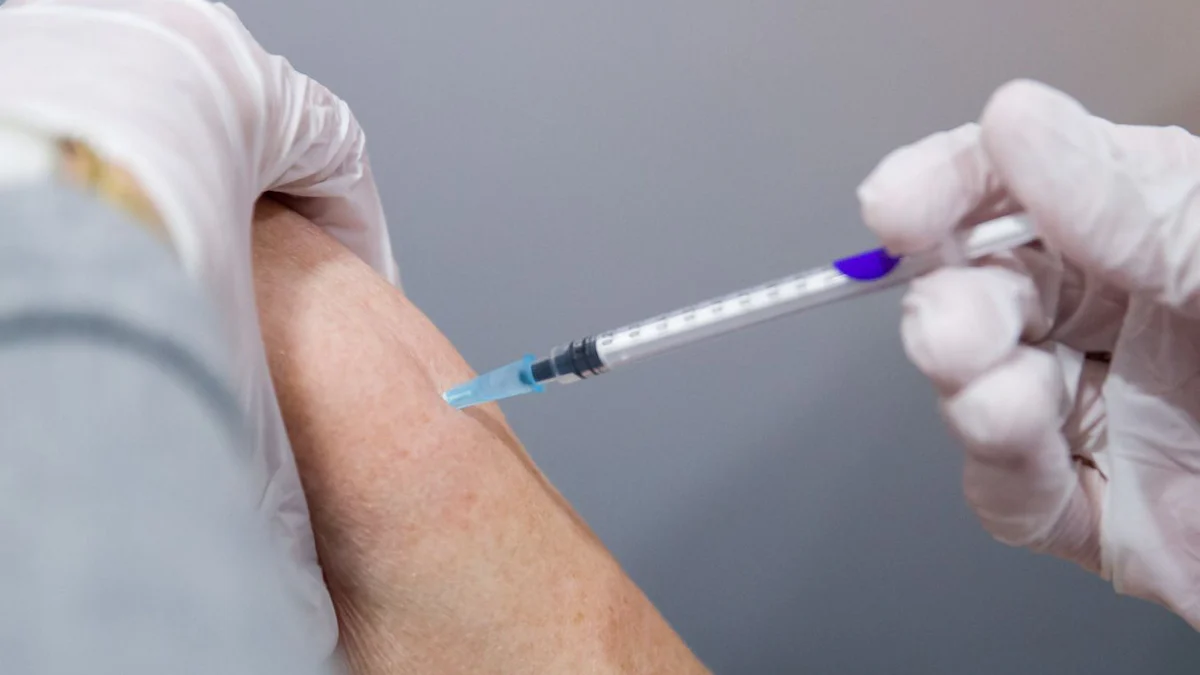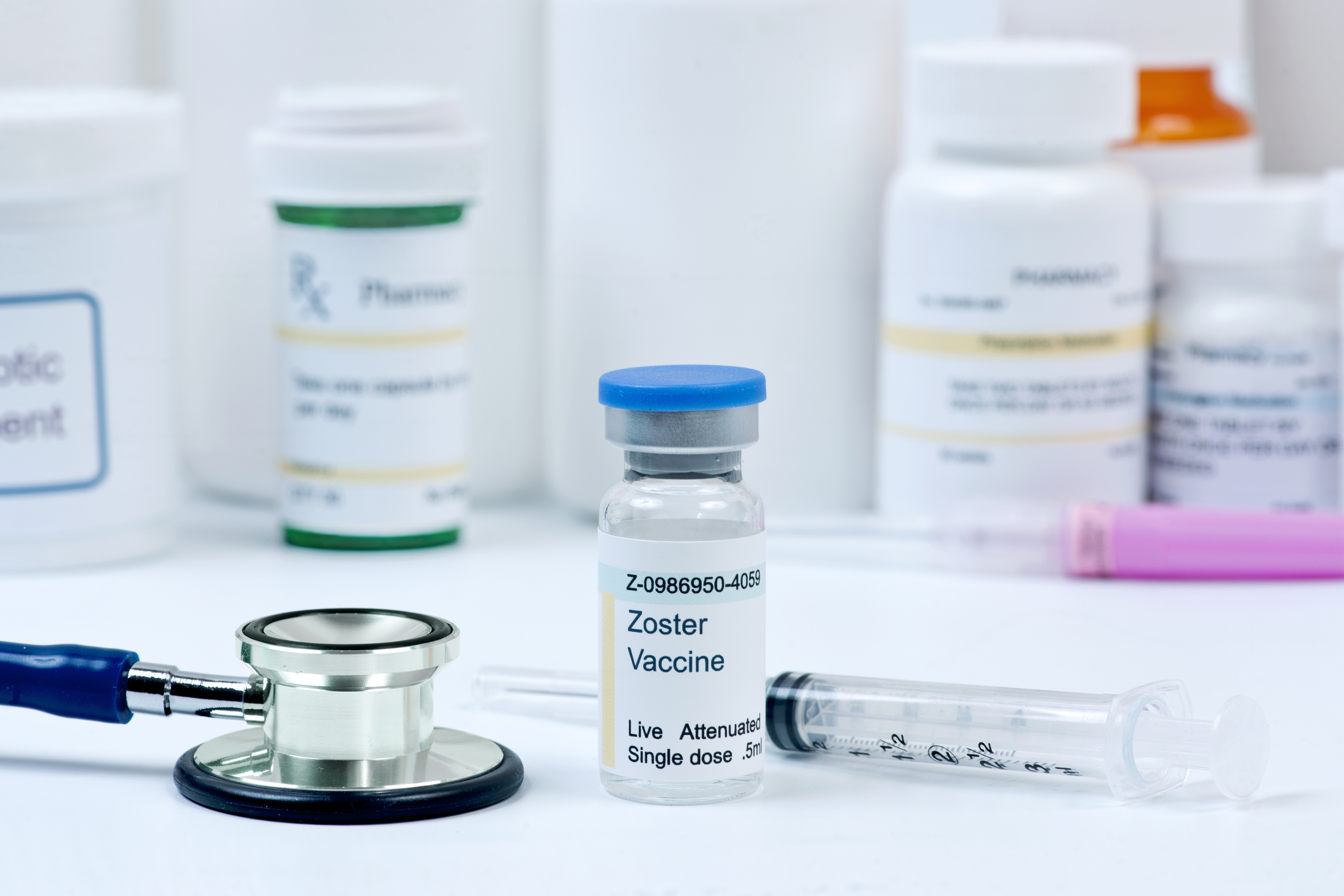
Fresh research indicates that the shingles vaccination currently administered by the NHS could significantly reduce the likelihood of suffering from stroke, heart failure and heart disease.Experts suggest that tens of thousands of lives could be saved if every person aged over 60 received the immunisation.The condition itself is a viral infection that results in a painful rash.The NHS offers the protective jab, known as Shingrix, to people who have turned 65, those aged between 70 and 79, and adults aged 18 and over with a severely weakened immune system.Nearly three years ago, the health service phased out its previous vaccine, Zostavax, replacing it with Shingrix.As a non-live vaccine constructed from a specific protein on the surface of the virus, Shingrix is safer for patients with compromised immune systems.A study has found the current NHS vaccine for shingles slashes the risk of dementia by 17 per cent (Alamy/PA)Researchers from the University of Oxford compared the risk of heart failure, stroke or ischemic heart disease – where narrowed or blocked heart arteries reduce blood flow and oxygen to the heart – over seven years in people who had either Zostavax or Shingrix.The team analysed data from more than 70,000 people on the TriNetX electronic health records network in the US, which switched from Zostavax to Shingrix in October 2017.There were 36,000 patients in each group and all were over the age of 60.The study found that up to seven years after vaccination, people who had Shingrix lived 9 per cent longer without developing a cardiovascular disease.It was also linked to living 10 per cent longer without ischaemic heart disease and 12 per cent longer without heart failure.The benefit was seen in both men and women, with men also showing a 12 per cent increase in time lived stroke-free.Dr Maxime Taquet, associate professor in the Department of Psychiatry at Oxford, who led the study, told a briefing: “We found that Shingrix appears to protect against cardiovascular disease in both women and men, and we found that the protective association was most pronounced for ischemic heart disease and heart failure, but less so for ischemic stroke, where the effect was not sensitively significant.“It was, however, significant in males.”Shingrix is a non-live vaccine, made from a specific protein found on the surface of the virus that causes the illness, making it safer for people with weakened immune systems (Alamy/PA)He suggested that if everyone over 60 in the UK was vaccinated using Shingrix, then over a seven-year follow up, the number of deaths prevented could be in the tens of thousands.Shingles is caused by the herpes zoster virus flaring up again in people who previously had chicken pox.Paul Harrison, professor of psychiatry and BRC: Oxford Health theme lead for molecular targets, said the vaccine may benefit the heart as the virus may increase the risk of heart diseases.“By inhibiting the virus, the vaccine could reduce this risk,” he said.“Alternatively, the vaccine also contains chemicals which might have separate beneficial effects on the heart.”The findings, which are published in the journal Nature Medicine, come after Shingrix was linked to a delay in the onset of dementia.A 2024 study found the jab was linked to a 17 per cent drop in dementia diagnoses in the six years after vaccination than Zostavax.Dr Taquet said a trial exploring the effects of Shingrix on heart problems and dementia is under way in Denmark.If the findings are confirmed, he said Shingrix “might be the first vaccine that protects the heart and the brain”.
NHS shingles jab could lower risk of stroke and heart attacks
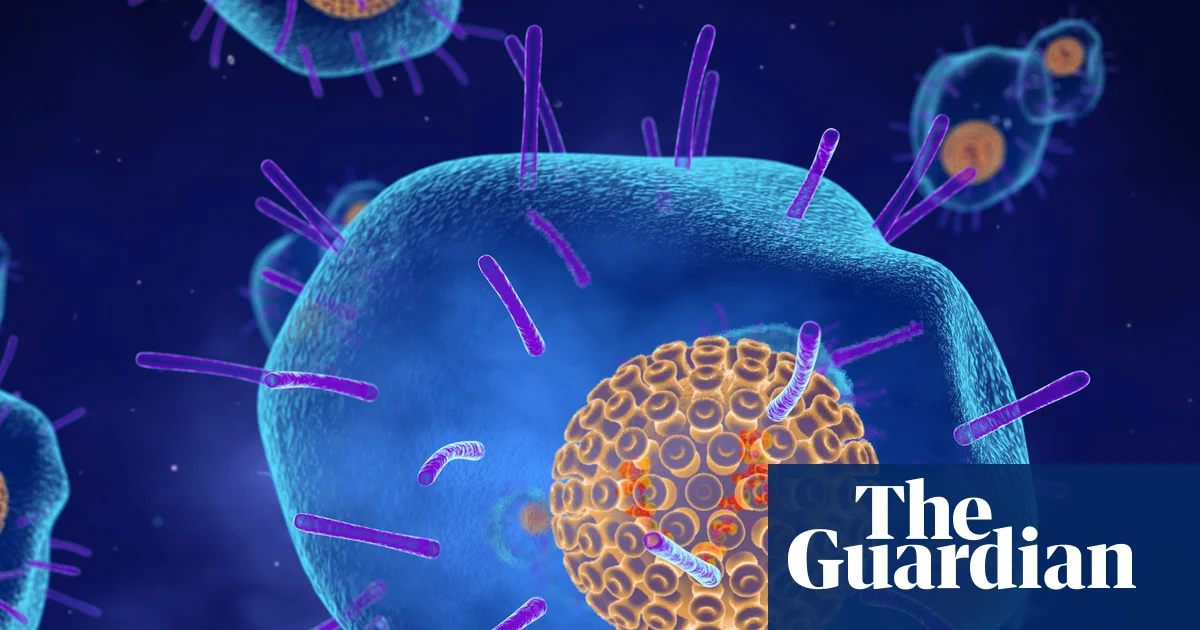
Shingles is caused by the herpes zoster virus flaring up again in people who previously had chicken pox
581 words~3 min read