Academia
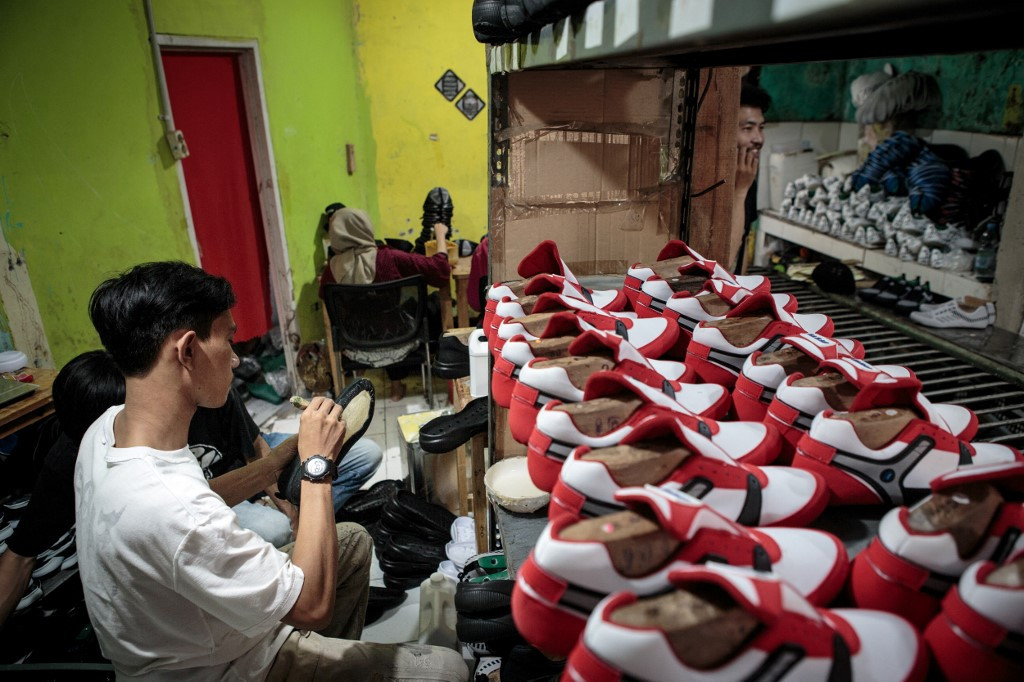
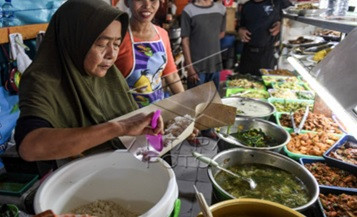
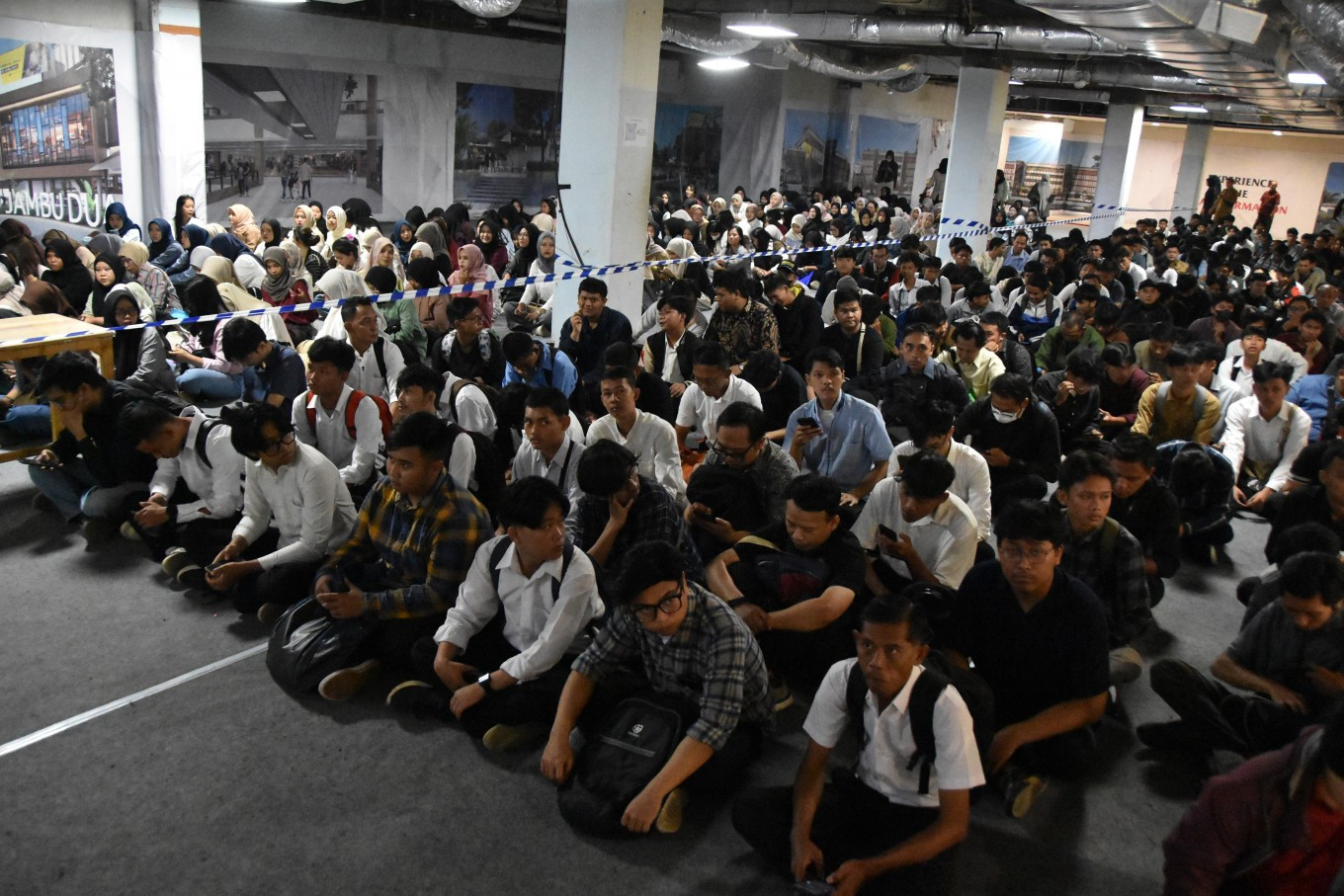
Factories were supposed to build Indonesia’s modern workforce. But as industrial job growth stalls, village spending, not factory floors, is keeping the economy afloat.
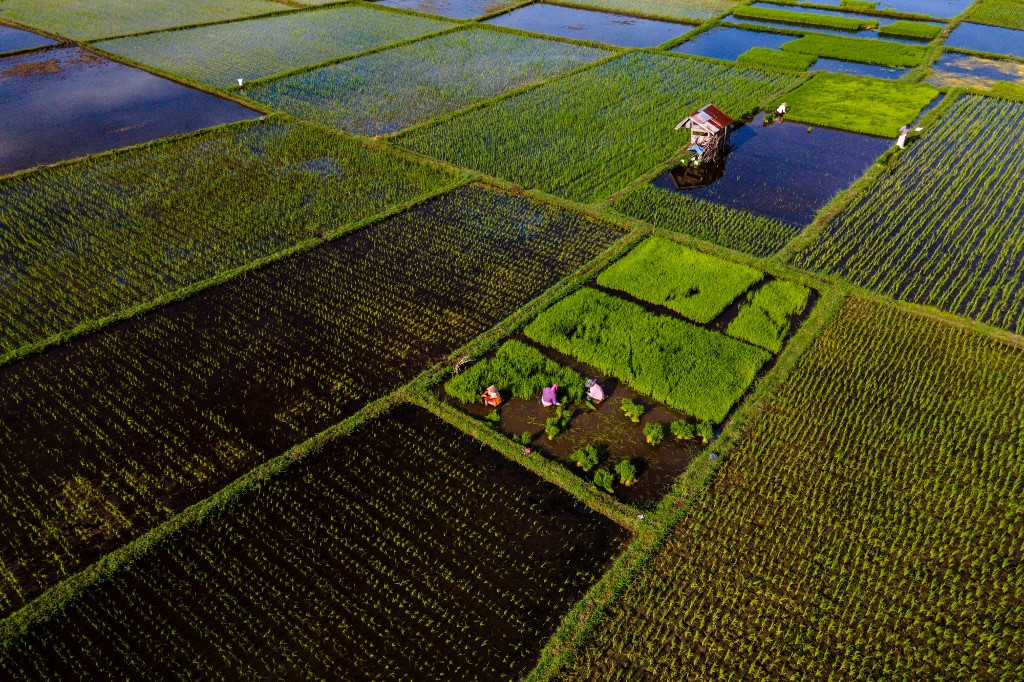
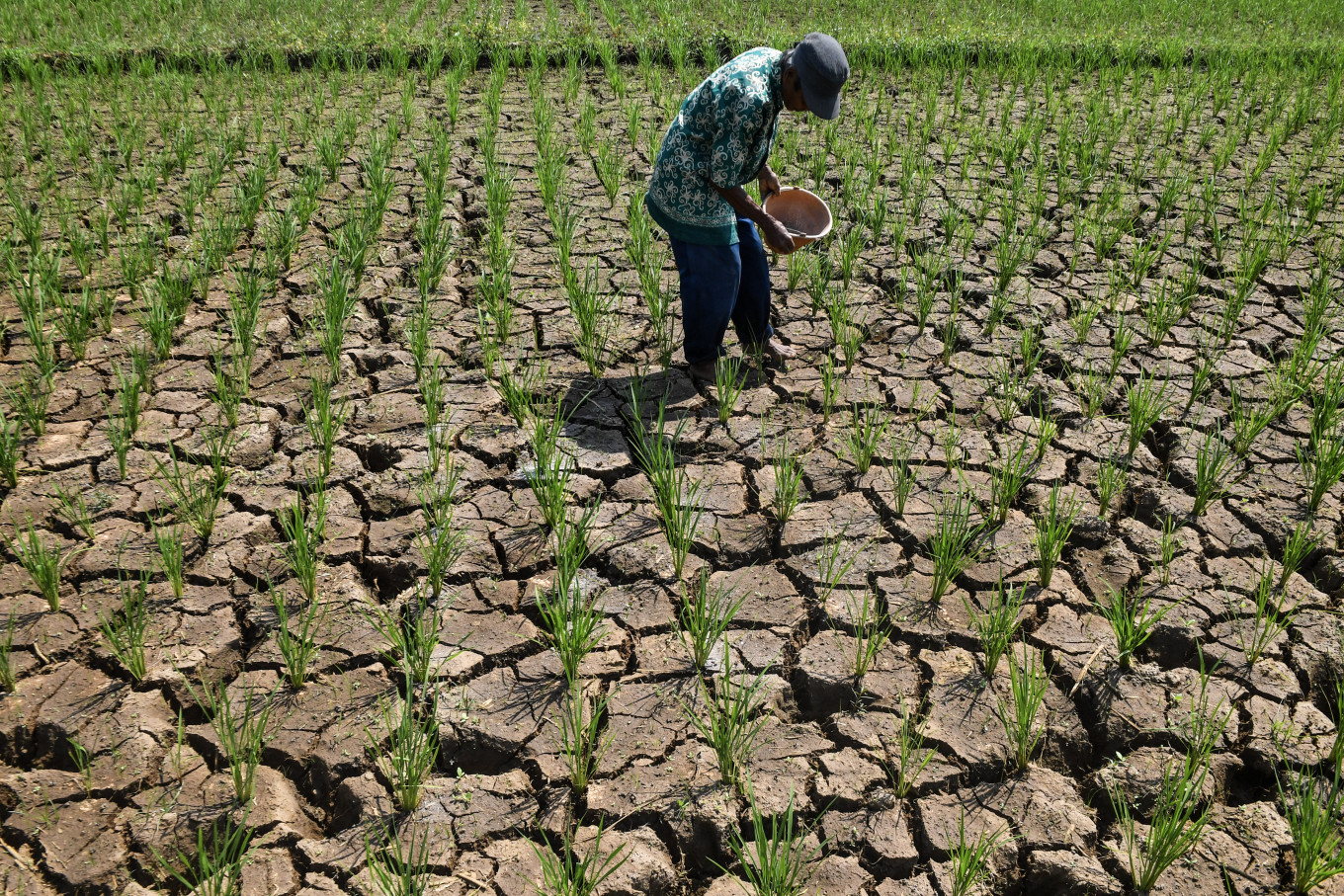
A farmer applies urea fertilizer on June 10, 2026, at a parched rice field in Handapherang village, Ciamis regency, West Java. (Antara/Adeng Bustomi)
Every development strategy carries an unstated assumption about where people will eventually earn a living. For most of Indonesia’s modern history, that destination was the factory floor.Agriculture was supposed to release labor; industry was supposed to absorb it. Villages were seen as places people leave behind, not enduring arenas of economic transformation.
A burgeoning manufacturing sector has long served as shorthand for structural progress. Yet that narrative falls apart when the economy begins charting a completely different path.