Academia
The majority of our farmers are working plots so small they cannot generate a sustainable or dignified income.
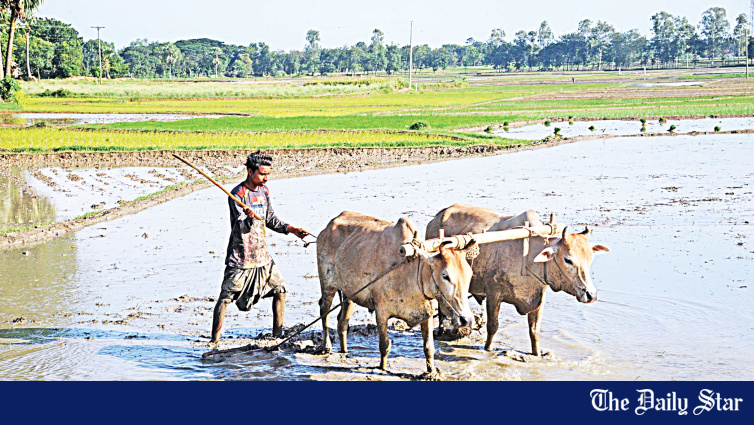
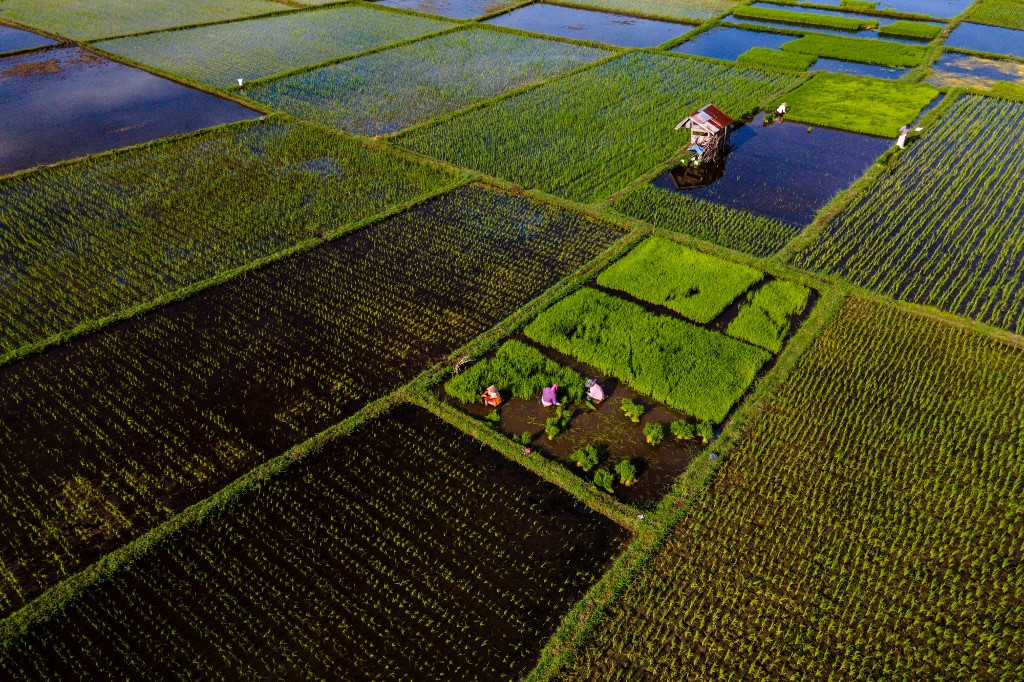
Farmers work on paddy fields on Nov. 20, 2025, in Lhoknga, Aceh. (AFP/Chaideer Mahyuddin)
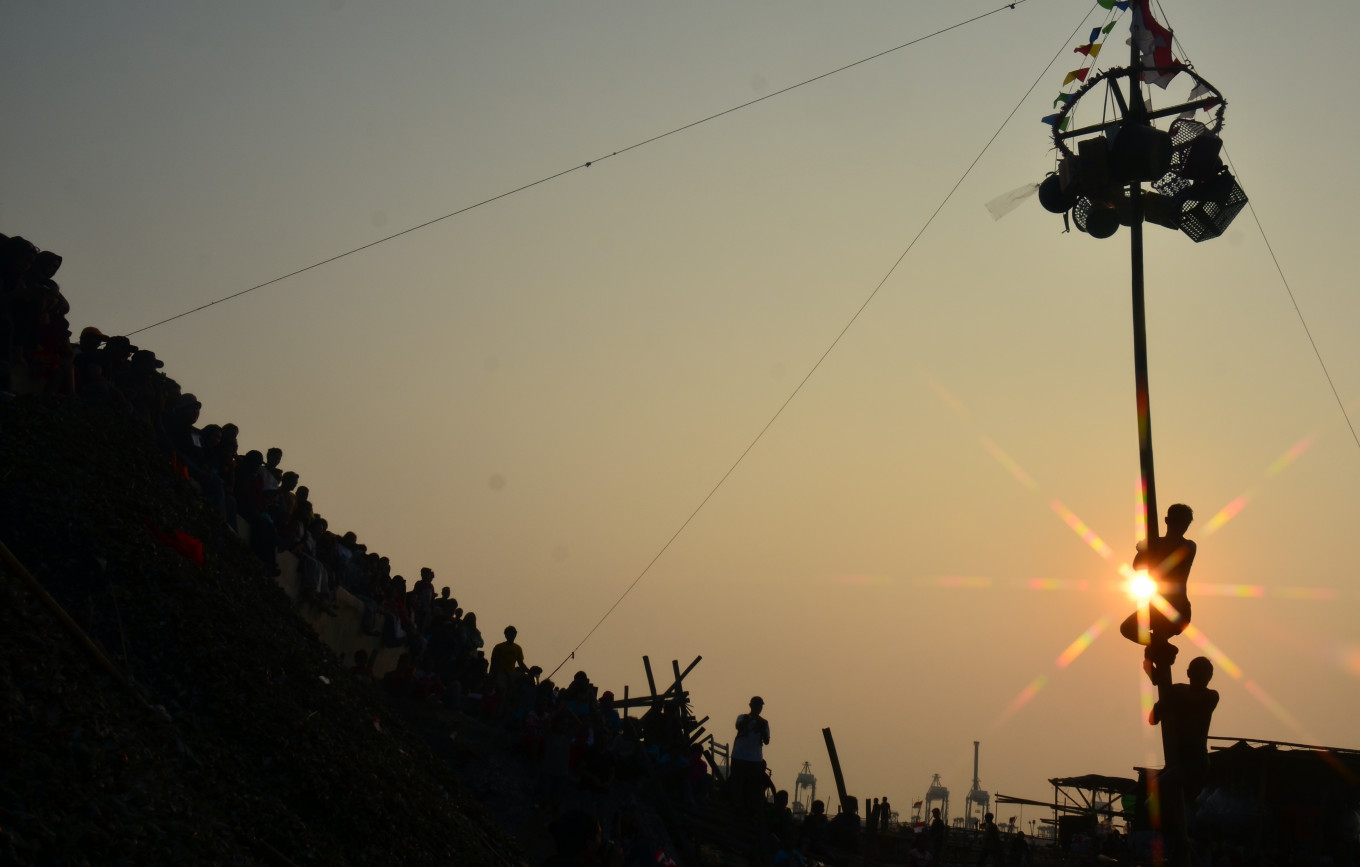
Every August, Indonesia celebrates its independence anniversary. The Red and White waves proudly across villages, competitions animate local communities and speeches about national progress resound once more. Yet beneath this festive atmosphere lies a question worth our collective reflection: what does independence truly signify for the 17.25 million marginal farmers who remain at the heart of Indonesia’s agricultural landscape?Indonesia Statistics (BPS) defines marginal as those cultivating less than half a hectare of land, commonly known in Indonesia as petani gurem. They account for more than 62 percent of all agricultural land users nationwide. In other words, the majority of our farmers are working plots so small that they cannot generate a sustainable or dignified income.
Indonesia often calls itself an agrarian nation and even aspires to become a global food barn. Yet most of the people who produce food live with extremely limited productive assets. They toil from dawn until dusk, but their harvests are often just enough to keep them alive.