Academia
What happens when the language used to resist external dependence starts shaping what counts as legitimate disagreement inside the republic itself?
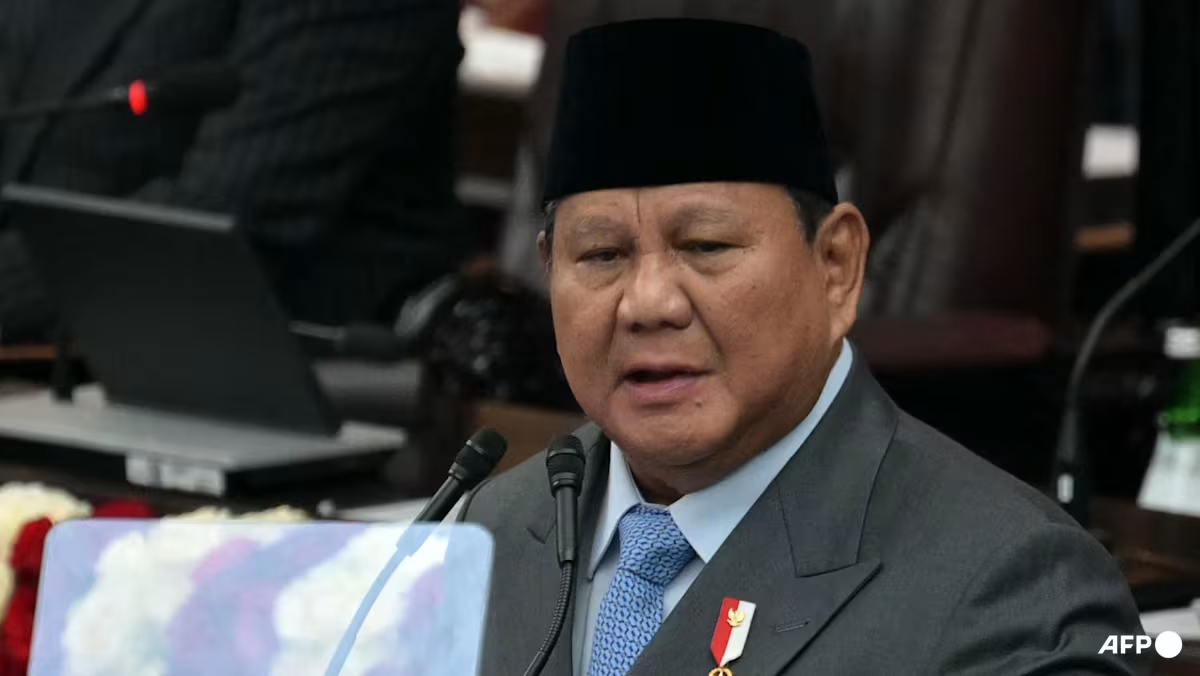
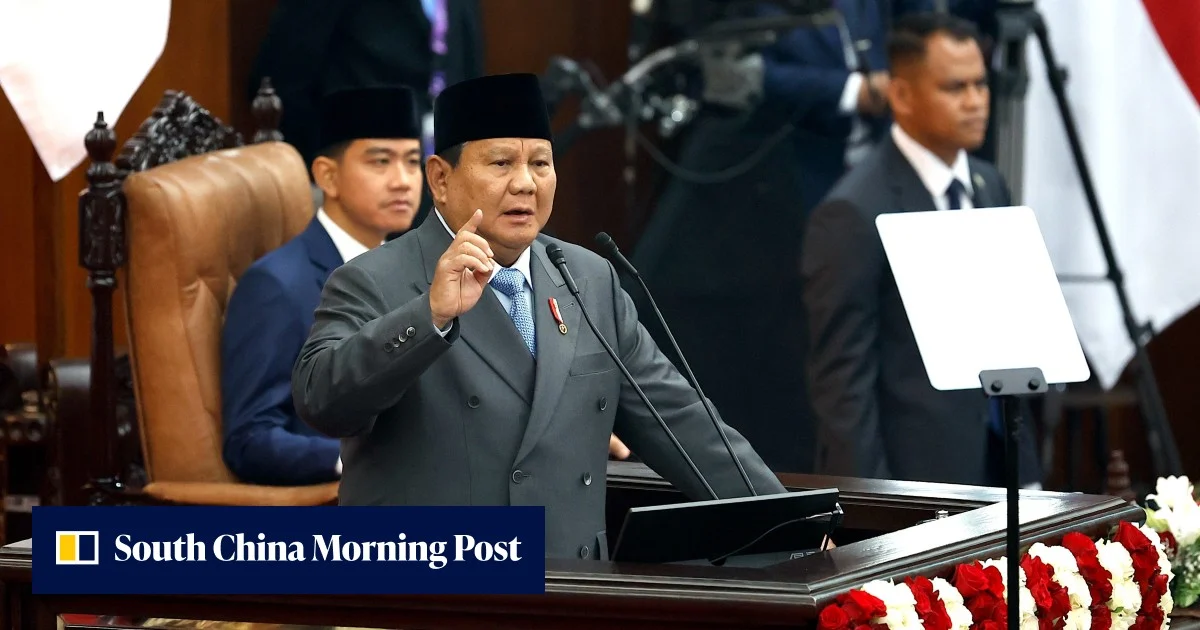
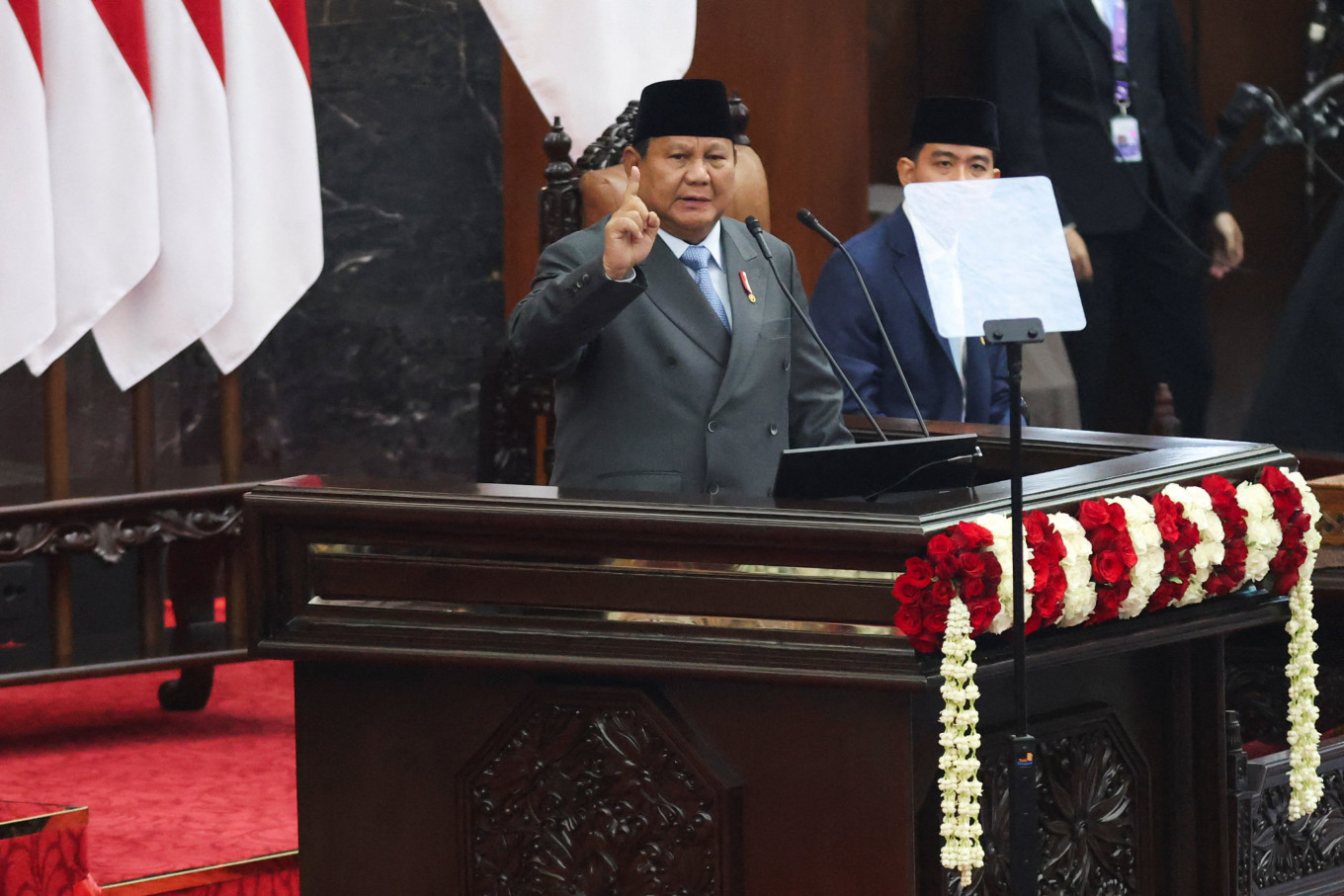
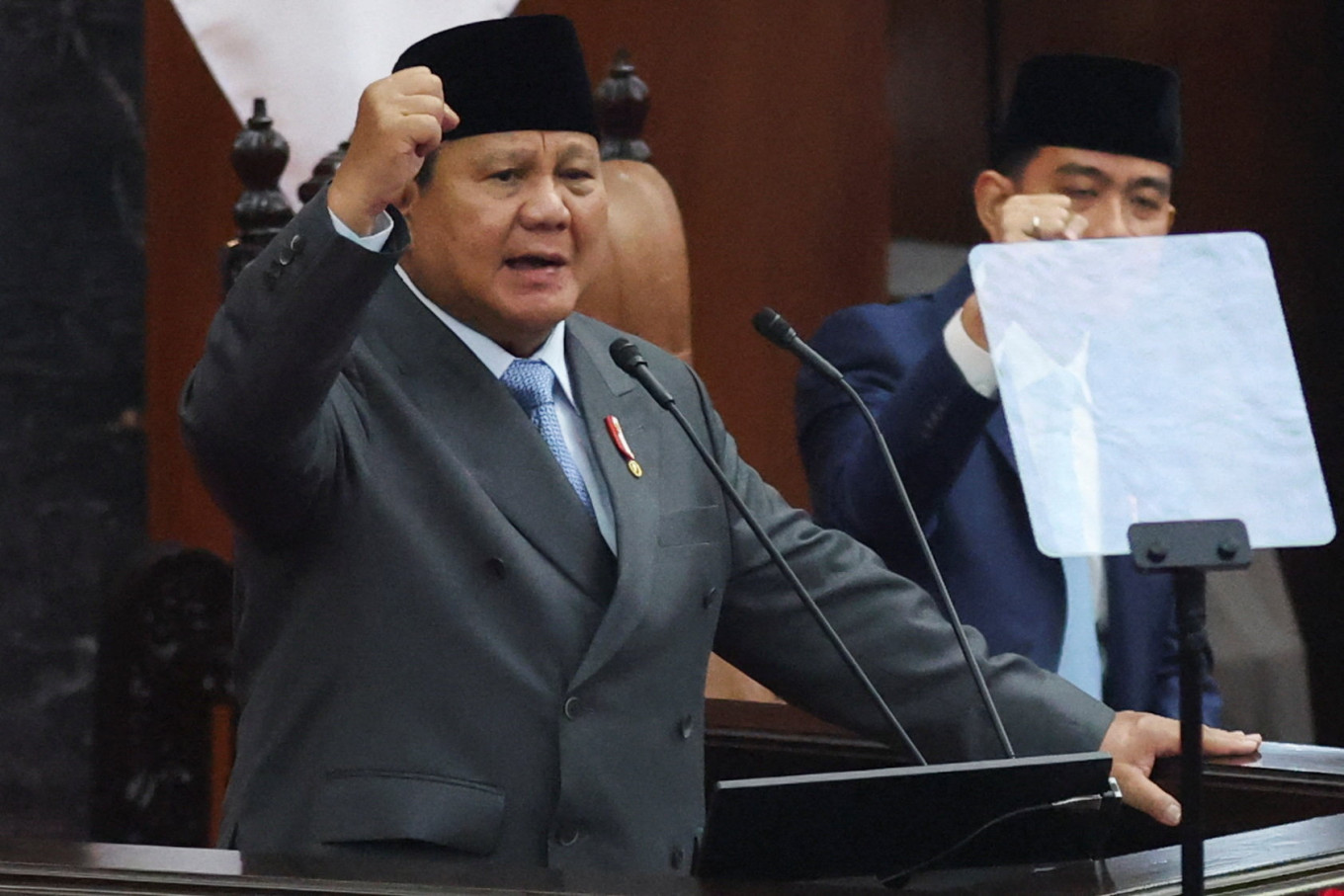
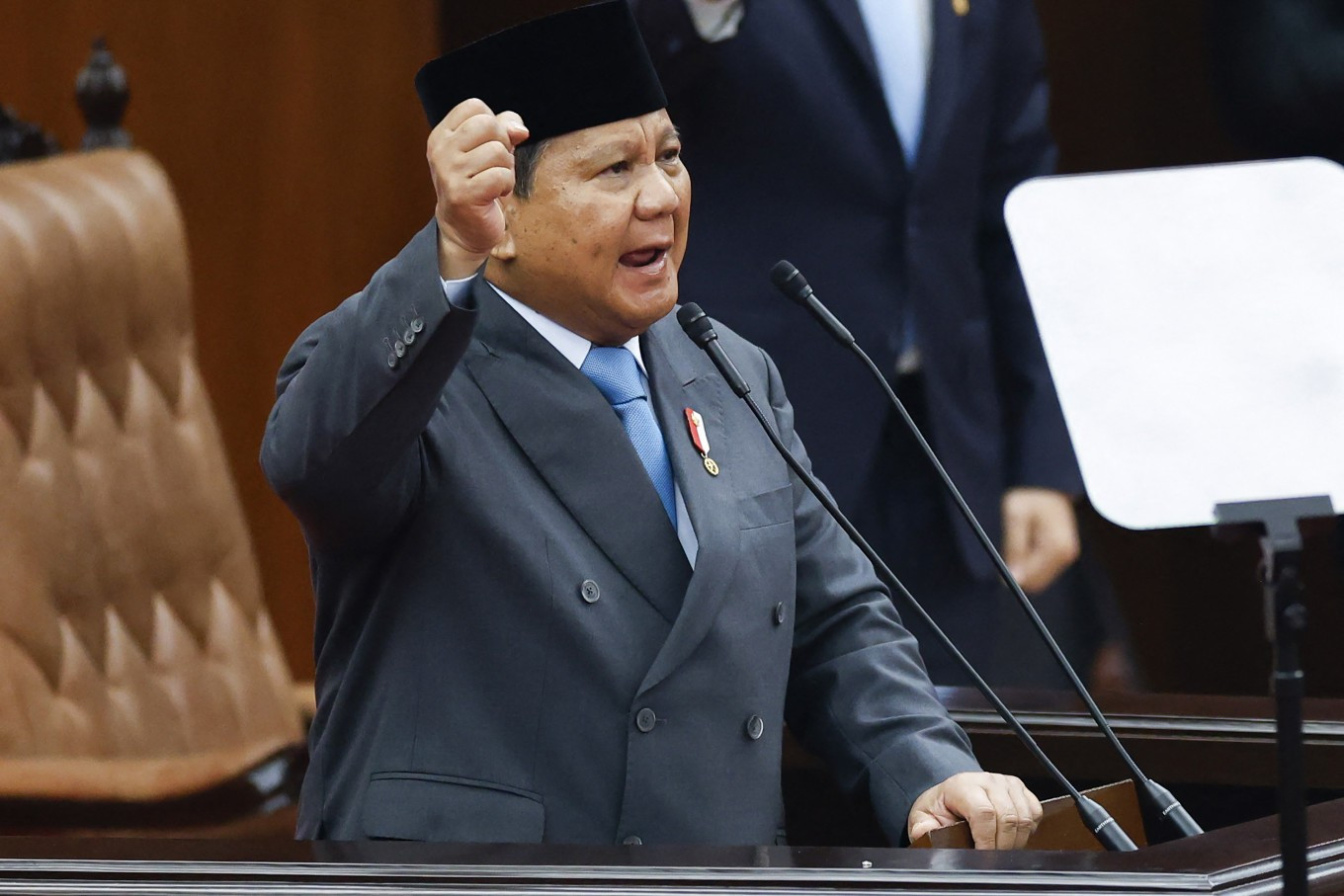
President Prabowo Subianto delivers his annual State of the Nation address on Aug. 15, 2025, ahead of the country's Independence Day in Jakarta. (AFP/pool/Ajeng Dinar Ulfiana)
This Aug. 17, we celebrate the 81st anniversary of Indonesia’s independence at a moment when the government speaks more insistently than usual about sovereignty, self-reliance and national strength. The rhetoric is expansive. The material reality is not. Indonesia still depends on foreign capital, imported technology, external markets and institutions whose capacity remains uneven at home. That gap matters, because sovereignty is not only a measure of what the state can do. It is also a political vocabulary through which leaders define priorities and decide which forms of dissent are treated as legitimate.
Under President Prabowo Subianto, that vocabulary now sits at the center of governance. Free meals and food self-sufficiency, energy security, downstream industrial policy and defense modernization are all presented as expressions of national independence.